Introduction
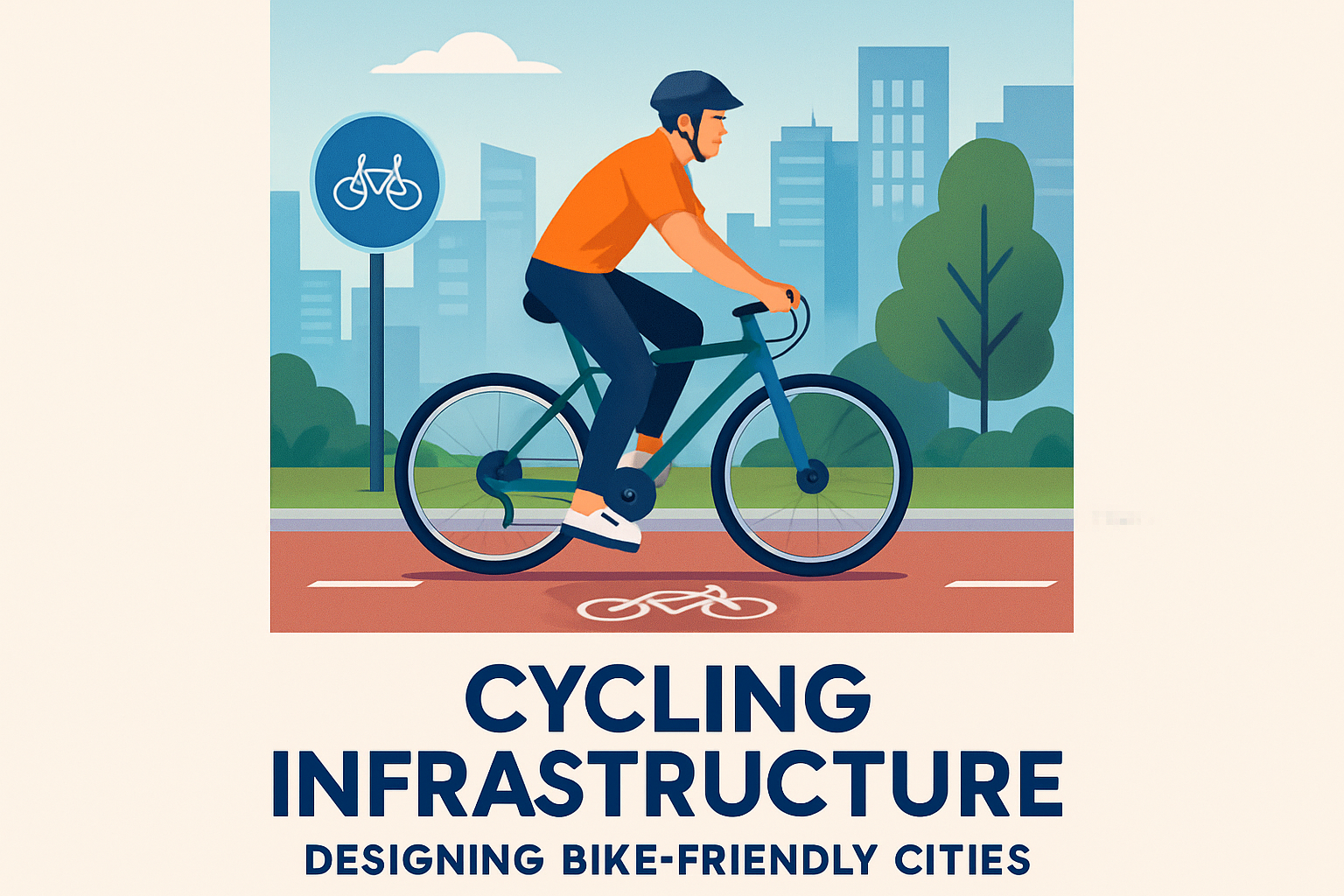
The growing trend of urbanization and concerns about environmental sustainability have sparked a renewed interest in cycling. Cycling infrastructure refers to the facilities, such as bike lanes, paths, and secure parking, designed to make urban bicycling safe and convenient. These systems are critical steps toward fostering bike-friendly cities. With the rise of cycling as a preferred means of transportation, cities worldwide are reaping benefits ranging from decreased pollution to improved public health. Understanding what constitutes cycling infrastructure and the reasons for its importance helps illustrate why city planners should prioritize these elements in urban development.
In recent years, the urban landscape has thrown up increasing challenges like congestion, environmental degradation, and sedentary lifestyles. These issues necessitate innovative solutions, and cycling infrastructure emerges as a prominent contender. Embracing cycling infrastructure isn’t just for the dedicated cyclist; it tangibly benefits the general public by enhancing air quality, reducing traffic congestion, and promoting healthy living. Moreover, ensuring such infrastructure is strategically integrated into urban planning can significantly foster economic growth by creating new industries and jobs. Therefore, designing bike-friendly cities isn’t merely an ideal vision; it’s an essential strategy for urban resilience and sustainability.
Comprehensive Cycling Lanes
The cornerstone of cycling infrastructure lies in the development of comprehensive cycling lanes. These lanes are specifically designated for cyclists, ensuring their safety and seamless movement throughout the city. Cities like Copenhagen have successfully implemented dedicated bike lanes that span the entire urban region, reducing collision incidents and promoting an inclusive environment for bikers. In Copenhagen, over 62% of residents commute by bicycle daily, demonstrating the city’s robust commitment to cycling. Its cycling lane network extends over 390 kilometers, showcasing an exemplary model for urban planning across the globe.
Typically, well-designed bike lanes are segregated from vehicular traffic, mitigating potential accidents and promoting a sense of security among cyclists. The most effective lanes are often those that are physically delineated from vehicular paths, utilizing barriers or space buffers. This separated infrastructure makes cycling a viable option for a wider demographic, including children and older adults who might feel insecure in shared traffic lanes. More cities need to emulate Copenhagen’s model by allocating budgets and policy support to expand such lane networks dramatically.
Intermodal Connectivity
Another vital component of bike-friendly design is intermodal connectivity, which ensures seamless transitions between cycling and other forms of transport such as trains or buses. This integration is critical in offering cyclists flexible commuting options and expanding their travel range, making bicycling more practical for daily commutes. An excellent example of achieving successful intermodal connectivity can be observed in Amsterdam, where many train stations are equipped with expansive bike parking facilities and rental services. This arrangement plays a significant role in maintaining Amsterdam’s status as one of the world’s most cycle-friendly cities.
Integrating bicycles with public transit systems requires thoughtful planning but ultimately enhances efficiency and sustainability. Such policies allow travelers to enjoy the best of both worlds—using bikes for short distances and public transport for longer journeys. Planners should consider interventions like protected bike racks at transit stations, bike-friendly train coaches, and the synchronization of transit schedules to facilitate easy bike-transit transfers. Enhancing this synergy between cycling and public transport leads to reduced road traffic and collective carbon footprint, aligning with larger sustainable development goals.
Cyclist Safety and Accessibility
Ensuring cyclist safety and accessibility is perhaps the most critical aspect of developing cycling infrastructure. A bicycle-friendly city must offer not just facilities but also embrace sufficient safety measures to protect its riders. This focus has been paramount in cities like Portland, where extensive biking safety protocols, such as well-marked bike lanes, advanced stop lines, and cyclist-defined crossings, are implemented. Portland’s commitment to cycling safety and accessibility has led to a marked decrease in cyclist accidents over the years.
Fundamentally, the design and planning of cycling routes should prioritize safety features. Implementing low-speed zones, traffic calming measures, and strategic signage are effective methods to safeguard bikers. Accessibility shouldn’t be overlooked either—routes must accommodate cyclists of all skill levels and abilities, ensuring even those with disabilities can comfortably utilize the city’s cycling infrastructure. As a guiding principle, cities need to adopt a “Vision Zero” policy aiming for zero traffic fatalities including those involving cyclists.
Infrastructure Support Systems
Beyond the physical roads and lanes, infrastructure support systems provide essential services that play a crucial role in maintaining an optimal biking environment. These systems include public bike-sharing programs, maintenance stations, and real-time navigation aids. Paris sets a precedent with its Vélib’ bike-sharing service, which has successfully changed how residents perceive and engage with cycling. Since its introduction, more than 30 million trips have been taken on these shared bikes, showing the transformative potential of supportive cycling infrastructure in urban settings.
Support systems actively encourage cycling by increasing accessibility and reducing friction for the average user. City authorities are encouraged to invest in automated bike dispensers, secure parking stations, and straightforward apps that guide cyclists through the best routes. Additionally, installing repair stations across multiple locations provides cyclists with immediate maintenance solutions, which further enhances service reliability. Supportive infrastructure like this inherently elevates the convenience, reinforcing cycling as a preferred choice of commuting within urbanized areas.
| City | Bike Lane Length (KM) | Bike Commute Rate (%) |
|---|---|---|
| Copenhagen | 390 | 62 |
| Amsterdam | 767 | 58 |
| Portland | 643 | 6 |
Community and Economic Impact
Investment in cycling infrastructure results in substantial community and economic impacts. Economic benefits include job creation in industries related to bicycle manufacturing, maintenance, and urban development sectors. In a city like Amsterdam, revenue generated from tourists who come to experience its cycling culture also contributes significantly to the local economy. Conversely, appealing to businesses, improved cycling accessibility opens avenues for reduced employee commuting costs and increased economic activity near cycle paths.
Communities also benefit tremendously, experiencing improved livability and cohesion. As cycling reduces vehicle congestion, neighborhoods witness enhanced tranquility and pollution-free surroundings. Additionally, including community members in planning enhances overall satisfaction and sustains long-term support for cycling initiatives. In fact, involving stakeholders in these participatory designs ensures infrastructure is adequately catering to local needs, inevitably establishing sustainable habits and lasting benefits.
Conclusion
Overall, building cycling infrastructure in cities today is an imperative, not just a choice. Understanding its significance involves acknowledging not just environmental benefits but a broad spectrum impact including health, economy, and community well-being. City planners worldwide are urged to take cues from leading examples such as Copenhagen, Amsterdam, and Portland to prioritize cycling infrastructure in their urban blueprints adequately.
In summary, developing a bike-friendly city eases transportation burdens, fosters environmental sustainability, promotes healthy lifestyles, and produces economic benefits; it’s a multi-faceted boon to cities looking to evolve sustainably. By making concerted efforts to design comprehensive bike lanes, enhance intermodality, ensure safety, and provide supportive systems, urban planners directly contribute to a higher quality of life for city residents.
Your role as an informed citizen doesn’t end at awareness—advocating for these infrastructural changes, participating in local policy discussions, and actively choosing to adopt cycling as a mode of transport further enforces the necessity of bike-friendly cities. Together, stepping forward to embrace these changes can ensure cities transition smoothly into future-oriented sustainability centers. Aligning individual choices with broader urban policies will serve as the catalytic drive towards achieving envisioning these future-ready urban spaces.
Frequently Asked Questions
1. What are the key components of cycling infrastructure?
When talking about cycling infrastructure, we refer not only to the visible components that enhance the cycling experience but also to the invisible systems that support it. Key components include bike lanes, which are designated areas on roads for cyclists, often marked by paint, barriers, or curbs to ensure safety. Bike paths or cycle tracks provide a further separation from motorized traffic, offering a safer and more pleasant cycling experience, often within parks or alongside rivers.
Secure bike parking is another essential component. This ranges from simple bike racks to complex bike parking stations that might incorporate locker facilities and even charging stations for electric bikes. To encourage cycling, the planning process should consider bike access to public transportation, facilitating multi-modal commutes. Additionally, signage and traffic controls are crucial for guidance and to make sure cyclists, pedestrians, and motorists coexist safely. Finally, maintenance of these facilities, especially in areas with harsh weather, ensures usability year-round.
2. How does cycling infrastructure benefit a city?
Investing in cycling infrastructure brings a multitude of benefits to a city. Primarily, it’s an effective measure to reduce traffic congestion. As more people opt to bike instead of drive, there are fewer cars on the road, leading to shorter commute times and less stress associated with traffic. This also translates to lower carbon emissions, reducing the overall environmental impact of urban transportation systems.
Moreover, creating bike-friendly environments fosters a healthier community. Regular cycling is a great way to stay fit and has been linked to lower risks of heart disease, obesity, and mental health issues. Cities with comprehensive cycling infrastructures also tend to have a more vibrant local economy, as cyclists are more likely to stop at local shops. Lastly, these infrastructures can improve urban air quality, as bicycles do not emit pollutants, thus contributing to a less polluted, more livable urban environment.
3. What challenges do cities face in designing bike-friendly infrastructure?
While the benefits of cycling infrastructure are numerous, cities often face several challenges in implementing these systems. One challenge is the pre-existing urban layout. Many cities have intricate road systems that were designed when cars were the primary mode of transportation. Re-engineering these systems to accommodate cyclists can be challenging and costly.
Another significant challenge is gaining public support. Many people are accustomed to driving, and introducing extensive cycling infrastructure can sometimes lead to resistance, especially if it means reallocating space from cars to bicycles. Safety concerns are also a considerable challenge. Cyclists are more vulnerable in emergencies, and designing infrastructure that adequately protects them is vital. Furthermore, weather can play a big role; cities with harsh winters or extremely hot summers need to find solutions to make cycling appealing and feasible year-round.
4. How can cities encourage more people to cycle?
Encouraging more people to cycle involves both infrastructure development and community engagement. Firstly, cities need to ensure that cycling feels safe and convenient. Building continuous and well-connected bike lanes and paths is crucial, as is providing ample secure parking facilities at key destinations like workplaces, schools, and shopping areas. Supporting amenities, such as repair stations and showers, can also enhance the cycling experience.
Engaging the community is equally important. Educational programs that target road-sharing etiquette, benefits of cycling, and maintenance tips can demystify cycling for new bikers. Hosting events like Bike to Work Day or family-friendly rides promotes cycling as a socially engaging activity. Additionally, offering incentives such as subsidies on bike purchases or rewards programs for frequent riders can motivate people to choose cycling over driving.
5. What role does technology play in supporting cycling infrastructure?
Technology plays a pivotal role in evolving cycling infrastructure along with encouraging cyclists and enhancing their experience. Innovations such as smart traffic lights equipped with sensors can optimize traffic flow, giving priority to cyclists at intersections, which significantly improves safety. Additionally, apps can guide cyclists along safe and efficient routes, taking into account real-time traffic data and providing alerts concerning construction or road closures.
GPS tracking technology assists in bike-sharing systems, allowing users to locate, rent, and return bicycles seamlessly. Electric bikes or e-bikes are another advent that makes cycling accessible to those who might face health or physical barriers, and they can cover longer distances without as much effort. Lastly, community feedback platforms allow for the aggregation and analysis of cyclist feedback, which is crucial for planning and improving infrastructures consistently. All in all, technology streamlines cycling as an efficient, safe, and attractive mode of transport.