In recent years, the landscape of urban transportation has been profoundly altered by the advent of ride-sharing services. Companies like Uber, Lyft, and other regional players have offered a new way for city dwellers to traverse urban environments. Ride-sharing, defined as a service where passengers use a third-party app to connect with drivers of personal vehicles for rides, epitomizes the sharing economy’s principles. These services notably differ from traditional taxi operations, as they leverage technology to offer a seamless user experience, matching demand with supply almost instantaneously. This transformation in how people commute holds substantial implications for urban areas. It affects traffic congestion, public transport systems, urban planning, and even environmental concerns. As cities continue to expand and evolve, understanding the impact of ride-sharing becomes crucial for policymakers, city planners, and residents alike. So, what exactly are these effects, and why should they matter to anyone interested in the future of urban living? The following sections will delve into these questions, providing comprehensive insights into the current and potential future roles of ride-sharing within urban transportation ecosystems.
Reduced Traffic Congestion or Increased Urban Clutter?
One of the most significant debates around ride-sharing services is their impact on urban traffic congestion. Proponents argue that these services can help reduce traffic by decreasing the number of personal vehicles on the road. However, critics assert that ride-sharing can contribute to increased congestion. Understanding these dynamics is essential in painting a complete picture.
In some cities like San Francisco, studies have found that ride-sharing services have not drastically reduced traffic congestion. Instead, these vehicles often contribute to increased clutter, as ride-sharing drivers wait for their next fare. However, contrasting examples from other locations indicate that strategic partnerships between public transportation and ride-sharing apps could potentially limit congestion by directing users towards underpopulated public transport routes. For instance, a program in Dallas leveraged ride-sharing to provide last-mile rides to and from train stations, resulting in fewer vehicles in the city’s core areas.
- San Francisco: Ride-sharing increased congestion
- Dallas: Successful public transport partnerships
Ride-Sharing Versus Traditional Public Transportation
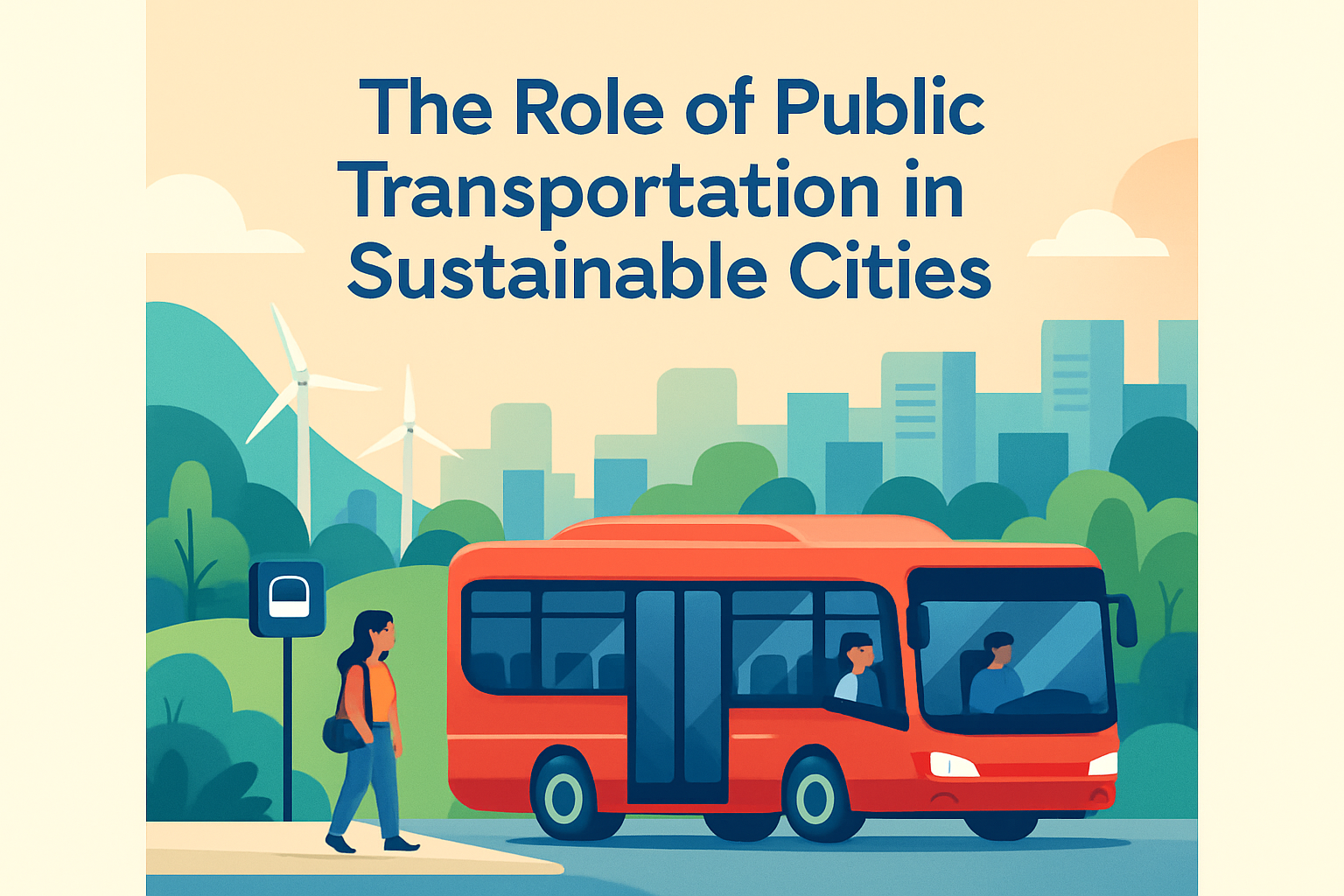
Another critical aspect to consider is the relation between ride-sharing services and public transportation systems. Whether ride-sharing complements or competes with traditional forms of public transportation has divided opinion. Some argue that ride-sharing displaces public transport users, while others see potential synergies that could revitalize underutilized routes.
In New York City, for example, a marked shift has been observed where people prefer ride-sharing over traditional taxis and buses, thereby affecting the revenue of public transit systems. Networks suffer, especially during late-night hours when ride-sharing remains a more attractive option to users seeking safety and convenience. Conversely, in Singapore, partnerships between ride-sharing firms and public transit authorities aim to fill service gaps rather than duplicate services, opening the door for underutilized bus services to find relevance during off-peak hours, providing new avenues for lowering public transit costs.
While the consequences vary by location, the potential for coordinated efforts between ride-sharing services and public transit could reduce operational costs and present more robust options for commuters.
Environmental Implications: Greener Cities?
The environmental impact of ride-sharing has also been a focus of recent studies. Its carbon footprint, as well as dependency on fossil fuels, is an ongoing concern. Advocates suggest that ride-sharing services can theoretically reduce emissions by cutting down the number of individual car trips. Conversely, critics argue that these services create more emissions per mile due to the cruising effect – when drivers operate without passengers in the car until they attain their next fare.
In an effort to mitigate these environmental issues, some ride-sharing companies have initiated programs to promote the use of electric vehicles within their fleets. For example, Uber’s Green Future Program subsidizes the shift to electric vehicles for drivers on their platform. However, despite these attempts, real-world implementation remains varied and dependent on regional policies or incentives.
| City | Impact |
|---|---|
| Los Angeles | Higher emissions due to cruising |
| Oslo | Electric fleet incentives reducing emissions |
Economic Impact: Employment and Pricing
Beyond environmental and logistical aspects, ride-sharing services exert a notable economic impact on both micro and macro levels. From job opportunities to fare structures, these services influence the economic fabric of urban environments.
Employment-wise, ride-sharing offers flexibility, empowering individuals who might struggle with traditional employment. In cities like New Delhi, ride-hailing has provided supplemental income for those in the gig economy, although it also raises concerns about job security and benefits. Additionally, the introduction of dynamic pricing models or surge pricing based on supply and demand is a hallmark of these services, occasionally pricing out lower-income individuals during peak times.
The balance often shifts when cities introduce regulatory frameworks, offering protection to drivers and consumers alike upon seeing negative social effects. In short, although ride-sharing has generated significant economic benefits, the nuances of driver treatment and labor laws continue to wrestle for resolution on national, regional, and local levels.
Beyond National Borders: Global Adoption and Adaptation
Finally, ride-sharing’s reach extends beyond domestic territories, growing across many global urban centers. The interaction between ride-sharing services and local transportation networks varies dramatically, influenced by local norms, policies, and socio-economic factors.
In Beijing, for example, regulatory requirements have mandated cooperative measures between ride-sharing companies and local authorities, ensuring alignment with local values and expectations. In comparison, areas such as Lagos showcase entrepreneurial adaptations, where unique and region-specific versions of ride-sharing services boost urban transportation without incurring excessive pretzel charges for users.
An understanding of ride-sharing’s impact must therefore involve an examination of these diverse implementations and their respective success stories.
Conclusion: Navigating the Urban Transportation Crossroad
As we have delved into the intricacies of ride-sharing’s impact on urban transportation, several clear takeaways emerge. While ride-sharing offers innovative solutions to transportation issues, its effects are multifold and often dependent on location-specific factors such as existing infrastructure, public transportation systems, and economic conditions. It is clear that a one-size-fits-all approach does not apply. The adaptability of ride-sharing services presents opportunities for urban growth, eco-friendly initiatives, and economic development. However, achieving these positive outcomes requires thoughtful, collaborative efforts among ride-sharing companies, local government, and public transportation services. For city stakeholders, the task ahead is to integrate these new models into existing systems thoughtfully and reinforce them with policy and regulation conducive to sustainable progress.
The benefits for urban residents are considerable if this integration achieves balance. Accessible and reliable transportation means freedom, economic progress, and an improved quality of life. Yet, a collaborative effort among all stakeholders remains crucial. As the urban transportation playing field evolves, staying informed and engaged is pivotal. Advocate for sustainable policies and seek out opportunities for input in urban planning discussions where possible. With balanced and informed participation, the future of urban transportation can be efficient, equitable, and truly transformative.
Frequently Asked Questions
1. How have ride-sharing services like Uber and Lyft changed urban transportation?
Ride-sharing services such as Uber and Lyft have brought about a significant transformation in urban transportation by introducing an accessible, flexible, and often more cost-effective alternative to traditional forms of transport, such as taxis and public transit. Unlike conventional taxis, ride-sharing services allow for seamless digital interaction through mobile apps, where users can easily book a ride, track their driver’s location in real-time, and even split fares with friends. These platforms have democratized transportation by making it easier for individuals, particularly in busy metropolitan areas, to secure rides promptly. Furthermore, these services have provided convenience by eliminating the need for cash transactions and reducing wait times, as drivers are available around the clock.
Moreover, ride-sharing services have encouraged a cultural shift towards the sharing economy. They’ve enabled individuals to make use of their personal vehicles as sources of income, contributing to a flexible economy that offers job opportunities on demand. These services help alleviate some urban transportation issues, such as insufficient parking spaces, as they potentially reduce the number of vehicles that need to be parked at any given time. However, the impacts are not universally positive, as they sometimes contribute to traffic congestion and compete with public transport systems.
2. What are the environmental impacts of ride-sharing services?
The environmental impact of ride-sharing services is a subject of ongoing debate. On one hand, these platforms could potentially reduce the number of vehicles on the road if they lead to increased carpooling, decreased demand for private vehicle ownership, and more efficient routes, which in turn lowers greenhouse gas emissions per capita. Some proponents argue that ride-sharing can complement public transit systems by serving as a last-mile solution, thereby encouraging fewer people to rely solely on personal cars.
On the other hand, some research suggests that ride-sharing services can increase environmental harm. This is primarily because increased car use by ride-sharing drivers might lead to higher levels of pollution. Drivers often spend a significant amount of time driving empty—waiting for or en route to pick up passengers. This phenomenon, known as “deadheading,” contributes to congestion and higher emissions. Additionally, the growth in ride-sharing can encourage vehicle trips that might otherwise be taken on public transit, bicycles, or on foot, leading to more cars on roadways.
As these impacts continue to be studied, many ride-sharing platforms are exploring green initiatives, like encouraging electric vehicle use and offering carbon offset programs, to mitigate negative environmental effects.
3. How have ride-sharing services affected the taxi industry?
The rise of ride-sharing services has had a profound and challenging impact on the traditional taxi industry. One of the most noticeable changes is the direct competition in providing rides, resulting in a significant loss of market share for conventional taxis. This competition has led to a decrease in taxi ridership and, subsequently, a reduction in revenue for taxi companies and drivers. Many consumers appreciate the convenience of ride-sharing apps—quick pickups, cashless transactions, and generally lower fares—compared to the traditional taxi service model.
Taxi drivers have often found themselves caught in a regulatory quagmire, as many jurisdictions impose strict regulations on taxi operations, like fare controls and medallion limits, which are not similarly applied to ride-sharing services. This regulatory imbalance has sparked numerous legal and public debates and protests within the taxi industry. Additionally, taxi companies and unions in many cities have been calling for a level playing field, which some cities have heeded by adjusting regulations to apply more rigorously to ride-sharing operations.
In response, some taxi companies have modernized their services by introducing proprietary apps that aim to combine the best of taxi service reliability with the technological ease of use that ride-sharing has popularized.
4. Are there any safety concerns associated with ride-sharing services?
Safety is a fundamental concern in the realm of ride-sharing services, drawing considerable attention to the operational practices of companies like Uber and Lyft. While these platforms have indeed taken substantial strides to implement safety features, such as in-app GPS tracking, two-way rating systems for drivers and passengers, and real-time sharing of trip status with others, concerns persist. In part, this is due to the less rigorous vetting process compared with traditional taxi services, which often involve government background checks, licensing, and specific driver training.
Incidents of inappropriate behavior by both drivers and passengers, along with rare but widely reported cases of violence or criminal conduct, have led to increased scrutiny regarding the accountability mechanisms in place for ride-sharing companies. In response to safety concerns, platforms have implemented more extensive background checks, introduced emergency support functions within apps, and invested in partnerships with safety advocacy groups.
It is important for users to remain aware, check driver information on the app, and share their ride details with trusted contacts. Additionally, establishing centralized reporting mechanisms for timely and effective responses to safety incidents is essential for maintaining trust and addressing passenger concerns.
5. How do ride-sharing services impact public transportation?
Ride-sharing services influence public transportation systems in complex ways, both potentially positive and negative. On a positive note, ride-sharing can operate as a complementary service to public transit, providing solutions for so-called “last mile” challenges. By efficiently connecting passengers to public transit hubs, ride-sharing can promote the use of buses, trains, and subways by addressing gaps in transport networks, especially in suburban and rural settings where public transit options may be limited or infrequent.
Simultaneously, there’s a concern that ride-sharing services may divert passengers away from public transportation. Particularly in urban centers with extensive transit networks, ride-sharing offers flexibility and often faster door-to-door service, potentially enticing riders who would normally opt for public transit. This can result in declining ridership numbers, which could subsequently lead to reduced funding and fewer services in some public transportation systems.
To harness the synergy between ride-sharing and public transit, cities and ride-sharing companies can explore partnerships aimed at integrating services through shared ticketing or integrated route planning apps that help coordinate ride-sharing with transit schedules. Such strategies may support a more sustainable urban transport model that leverages the strengths of both networks.