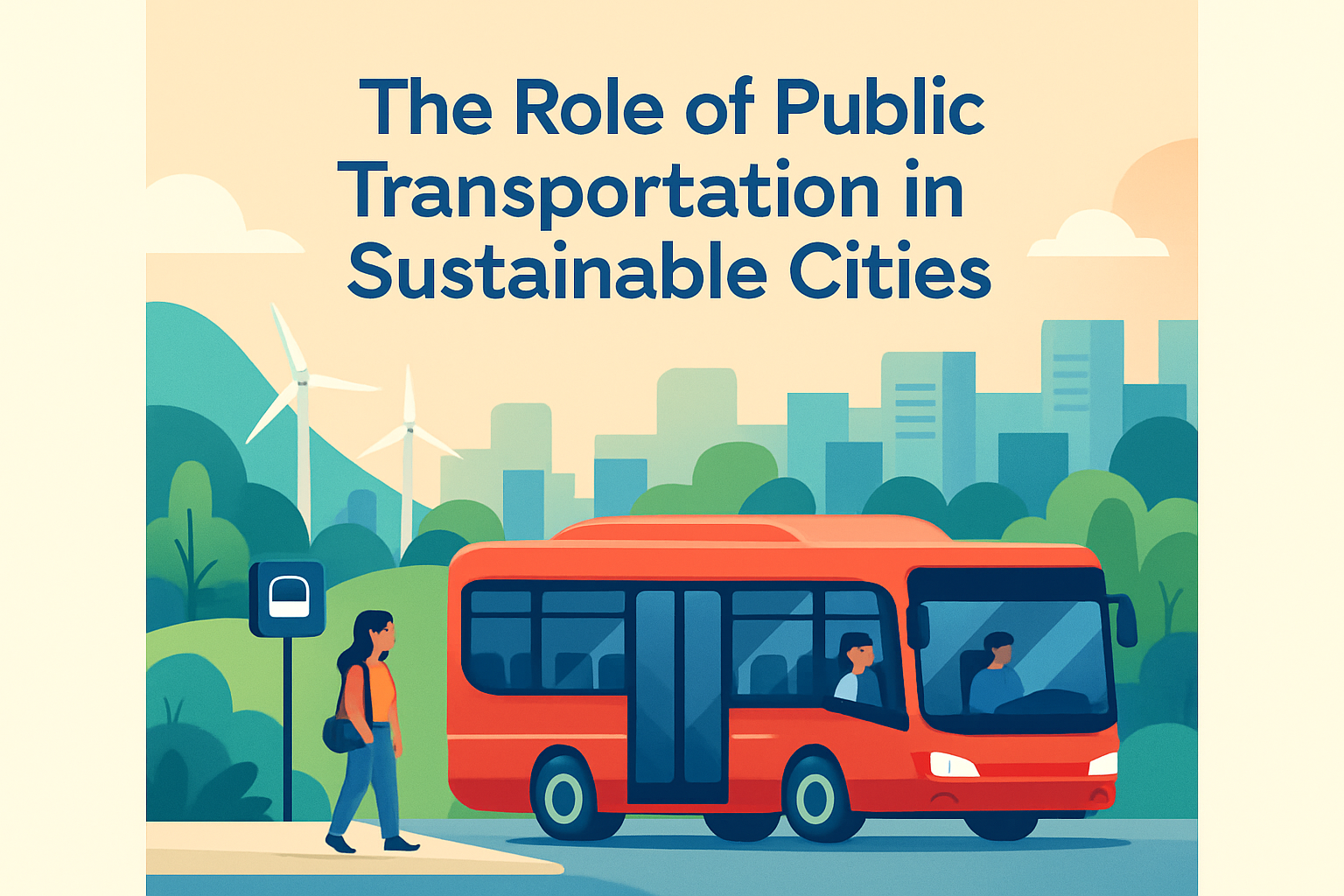
In our rapidly urbanizing world, sustainable cities have become more than just a goal—they are a necessity. A sustainable city prioritizes environmental impact, economic development, and quality of life for its residents. Central to achieving a sustainable urban environment is the development and optimization of public transportation systems. Public transportation, including buses, trains, subways, and trams, serves as the lifeblood of cities by reducing traffic congestion, lowering carbon emissions, and increasing accessibility for individuals across socio-economic groups. Understanding the role of public transportation in sustainable cities is crucial as we navigate toward a greener, more inclusive future.
Public transportation not only minimizes individual reliance on fossil-fueled vehicles, thus contributing to a decrease in overall greenhouse gas emissions, but also facilitates the efficient movement of people within urban areas. Efficient public transport systems are integral to reducing urban sprawl and encouraging compact city development. This article delves into the intricate ways public transportation supports sustainable urban environments and why it is foundational to designing cities capable of meeting both the needs of the present and the promises of the future.
Reducing Urban Carbon Footprints
The transportation sector is a significant contributor to urban carbon emissions, which exacerbate climate change. Public transportation offers a pivotal solution by enabling mass transit that significantly reduces the number of vehicles on the road. For example, buses and trains transport large numbers of passengers in comparison to private cars, thus cutting down the per-capita emissions. The city of Curitiba in Brazil serves as a prime example of a city that has adopted an efficient Bus Rapid Transit (BRT) system. This system has led Curitiba to become known as a model eco-city, with buses operating on dedicated lanes that alleviate traffic and pollution. The result is a dramatic reduction in emissions per person, making Curitiba an inspiration for cities globally aiming to slash their carbon footprints.
The introduction of electric buses and rail systems further enhances the eco-benefits of public transportation. Electric-powered transit significantly diminishes the reliance on gasoline and diesel, traditionally major pollutants. Implementing renewable energy sources to power public transit infrastructure can essentially lead urban transportation into a zero-emission model, aiding cities in meeting stringent climate goals.
Alleviating Traffic Congestion
Heavy traffic is a daily reality in many cities, leading to exacerbated pollution levels and frustrating delays. Public transportation is vital in reducing the number of vehicles clogging city streets by encouraging individuals to leave their cars at home. By providing a reliable and time-efficient alternative, public transportation can shift commuter preferences and reduce the number of single-occupancy vehicles. In Tokyo, Japan, an efficient railway network provides a pertinent example of how public transportation can alleviate congestion, making it one of the most connected public systems worldwide. The success of Tokyo’s rail system lies in its punctuality, extensive reach, and integration with other transport modes, encouraging more residents to utilize it over private options.
A comprehensive and coordinated transit system not only promotes the movement of people but also optimizes city infrastructure by reducing the need for expansive road networks and the ensuing maintenance costs. This, in turn, supports the allocation of resources toward walking and cycling infrastructure, further promoting sustainable commuting methods.
Ensuring Social Inclusivity and Accessibility
One of public transportation’s strengths is its ability to cater to various social and economic groups, ensuring broader access to jobs, education, and health services. This democratization of mobility contributes to economic resilience and social equality. Affordable public transportation systems provide low-income communities better commuting options, thereby enhancing their employment opportunities. An illustrative example is the Mass Transit Railway (MTR) in Hong Kong, which offers comprehensive service coverage and affordable fares, thus making it accessible to a wide demographic range.
Moreover, inclusive infrastructure accommodates individuals with disabilities or special mobility needs, reflecting a city’s commitment to inclusivity. Implementing universal design features in transportation systems, such as elevators, ramps, and audible guidance systems, ensures equitable access and comfort for all city dwellers.
Promoting Public Health and Safety
Public transportation systems significantly impact the health and safety of city inhabitants. By reducing the reliance on cars, public transit decreases air pollution, thus contributing to cleaner air and healthier urban populations. In addition, the integration of cycling and walking into public transportation journeys promotes physical activity, combating lifestyle-related health issues prevalent in urban settings today. Cities like Amsterdam promote a lively cycling culture integrated with their public transit systems, resulting in a healthier populace.
Public transportation also contributes to urban safety, as fewer cars on the road mean reduced occurrences of road traffic accidents. Moreover, a well-lit and surveilled transit environment can enhance passenger security, providing a safer commuting option, especially in regions where personal safety is a concern.
- Reduced carbon emissions with less reliance on private vehicles.
- Less congestion on city roads.
- Improved socio-economic inclusivity and urban accessibility.
- Healthier populations due to reduced pollution and increased physical activity.
- Enhanced road and personal safety with organized commuting networks.
Fostering Economic Growth
Public transportation plays a pivotal role in shaping economic landscapes by stimulating market activities and enhancing property values. Improved accessibility can increase foot traffic to commercial areas, boosting sales and profitability. Businesses benefit from a larger pool of potential employees who can readily commute. The ‘transit-oriented development’ movement, which promotes high-density residential and commercial spaces near transit hubs, creates vibrant economic zones. In places like Portland, Oregon, such development has driven significant economic growth and revitalization while reducing pressure on the environment.
Moreover, the construction and maintenance of transit networks create jobs, contributing to local economies. By investing in high-quality public transportation, cities can attract talent, investments, and tourism, fostering long-term economic prosperity. Public transit projects have repeatedly demonstrated substantial return on investments by unleashing wider economic benefits.
Summary and Call to Action
Public transportation undoubtedly serves as a cornerstone in creating sustainable cities by reducing environmental impact, easing congestion, enhancing social inclusivity, and promoting public health and economic growth. By prioritizing the development and optimization of public transport systems, cities can deliver on the promise of a sustainable future that accounts for the well-being of all its residents.
As residents, city planners, policymakers, and businesses, there is a collective responsibility to advocate for and invest in efficient, sustainable transport solutions. Each stakeholder has a role: whether it’s supporting public transport policies, integrating renewable energy sources, or simply choosing public transportation over private travel where possible. Let’s take these steps toward sustainable urban living collectively, transforming our cities into thriving, inclusive, and environmentally stewarded communities.
Frequently Asked Questions
1. How does public transportation contribute to the sustainability of a city?
Public transportation plays a pivotal role in creating sustainable cities by addressing multiple aspects of urban life. Firstly, it significantly reduces traffic congestion. When more people opt for buses, trains, and subways, fewer cars are on the road, leading to less congestion and quicker commutes. This is not just a boon for efficiency but also for the environment; fewer cars mean fewer emissions. Public transportation systems, particularly those powered by electricity or cleaner fuels, contribute to lowering a city’s overall carbon footprint. By reducing reliance on personal vehicles, cities can decrease their greenhouse gas emissions, which is essential for environmental sustainability.
Economic development is another area where public transportation makes a substantial impact. Efficient transit systems increase accessibility to different city regions, allowing people to access jobs, education, and other services without the need for a car. This accessibility can boost local businesses and attract investments, as companies see the benefit of being located in well-connected areas. Furthermore, public transportation creates jobs in construction, operation, and maintenance sectors, directly contributing to the economy.
Finally, public transportation enhances the quality of life. It offers a more equitable mode of transport, providing affordable options to those who cannot or choose not to drive. As cities develop comprehensive networks that are reliable and comfortable, they also improve public health by encouraging more walking and reducing air pollution associated with personal car use. Collectively, these benefits establish public transportation as a cornerstone of sustainable urban development.
2. What challenges do cities face when expanding public transportation services?
Expanding public transportation services comes with a set of unique challenges. One of the primary hurdles is funding. Developing new infrastructure, upgrading existing systems, and expanding services require significant financial investments. Cities often struggle to secure the necessary funding, be it from government budgets, public-private partnerships, or fare revenues, which may not cover all operational costs.
Another challenge is urban planning and land use. Introducing new routes or expanding existing ones necessitates careful coordination with city planning to ensure minimal disruption. Land acquisition and potential displacement of existing structures can complicate these expansions. Resistance from communities, especially if they feel that changes may not benefit them directly, can also pose significant barriers.
Technological integration is another aspect where cities encounter difficulties. As public transportation evolves, the integration of new technologies—like smart ticketing systems and real-time tracking—becomes essential. These technologies require upgrades to infrastructure and extensive maintenance systems, which can be complex and costly to implement.
Finally, managing environmental impacts during construction and minimizing any potential negative social impacts are critical. Public transit projects must aim to reduce ecological disturbances and ensure that any affected communities receive adequate support and alternatives.
3. Why is the integration of technology crucial for modernizing public transportation?
Technology has become an indispensable component of modernizing public transportation as it enhances both the efficiency and attractiveness of transit systems. At the heart of this integration are digital ticketing systems, which streamline operations and offer convenience. Contactless payment solutions, via cards or mobile phones, reduce the need for cash transactions and minimize delays associated with payment processes.
Real-time tracking and updates, enabled by GPS technology, represent another significant advancement. These systems inform passengers of arrival times, service changes, and delays, improving the overall reliability perceived by users. With this information readily available via smartphones or station displays, passengers can better plan their journeys, reducing wait times and missed connections.
Safety and security also benefit from technology integration. Surveillance systems and emergency communication channels are enhanced with technological solutions, fostering a safer environment for users. On the operational side, data analytics and AI are employed to optimize routes, schedules, and resource allocation, keeping services efficient and responsive to demand fluctuations.
Lastly, technology supports environmental sustainability. Electric buses and trains, along with vehicle health monitoring systems, contribute to reducing carbon emissions and energy waste. Therefore, integrating technology is not merely about keeping up with trends; it is about ensuring public transportation remains a viable, efficient, and sustainable option for urban populations.
4. How does public transportation influence social equity in cities?
Public transportation is a critical factor in promoting social equity in cities. By providing reliable and affordable transit options, it levels the playing field for individuals who may not have access to personal vehicles. This accessibility is vital for low-income residents, who can rely on public transit to reach jobs, education, healthcare, and other essential services without the prohibitive costs associated with owning and maintaining a car.
The equitable nature of public transportation also extends to its capacity to physically bridge communities and reduce geographical disparities in opportunity. Well-designed transit networks connect underserved neighborhoods with prosperous areas, opening up new employment and education prospects. Such connectivity can play a crucial role in breaking the cycle of poverty by providing underserved populations with greater access to economic opportunities.
Moreover, public transportation supports inclusivity by catering to seniors, individuals with disabilities, and those who might prefer or need to avoid driving for health reasons. Many systems offer features like low-floor vehicles, priority seating, and audio-visual aids to accommodate these passengers, ensuring they can travel independently and with dignity.
In essence, by providing a common platform for people from different socioeconomic backgrounds to interact and move freely across the city, public transportation not only fosters social inclusion but also builds community ties and a sense of shared experience, reinforcing its role in maintaining urban social cohesion.
5. What are the environmental benefits of investing in public transportation?
Investing in public transportation is one of the most effective means of reducing the environmental impact of urban mobility. At the forefront of its benefits is the substantial reduction in greenhouse gas emissions. When cities increase their public transportation capacities, they decrease the number of combustion-engine vehicles on the roads, which in turn lowers the emissions of carbon dioxide and other pollutants significantly. This shift is crucial in combatting climate change and improving air quality in densely populated areas.
Public transportation also promotes energy efficiency. Mass transit vehicles, like buses, trains, and trams, can carry far more passengers than private cars for equivalent energy consumption levels. Their energy use per passenger is significantly lower, especially when services utilize clean energy sources such as electricity from renewable resources or hydrogen fuel cells. By transitioning to cleaner fuel types and modernizing fleets, public transportation can cut down its environmental footprint further.
Additionally, the infrastructure for public transportation encourages compact, high-density urban development—often referred to as ‘transit-oriented development.’ This kind of city planning reduces urban sprawl, conserves land, and decreases the distances people travel for work and leisure. The results include less land consumption for developments and ecosystems preserved from the encroachment of expansive road networks.
Moreover, building awareness and promoting a culture where public transit is the norm can indirectly support environmental conservation, as people become more conscious of the impact of their daily transport choices. Overall, sustainable public transportation presents a multi-faceted approach to environmental protection that supports the broader objectives of sustainable urban living.