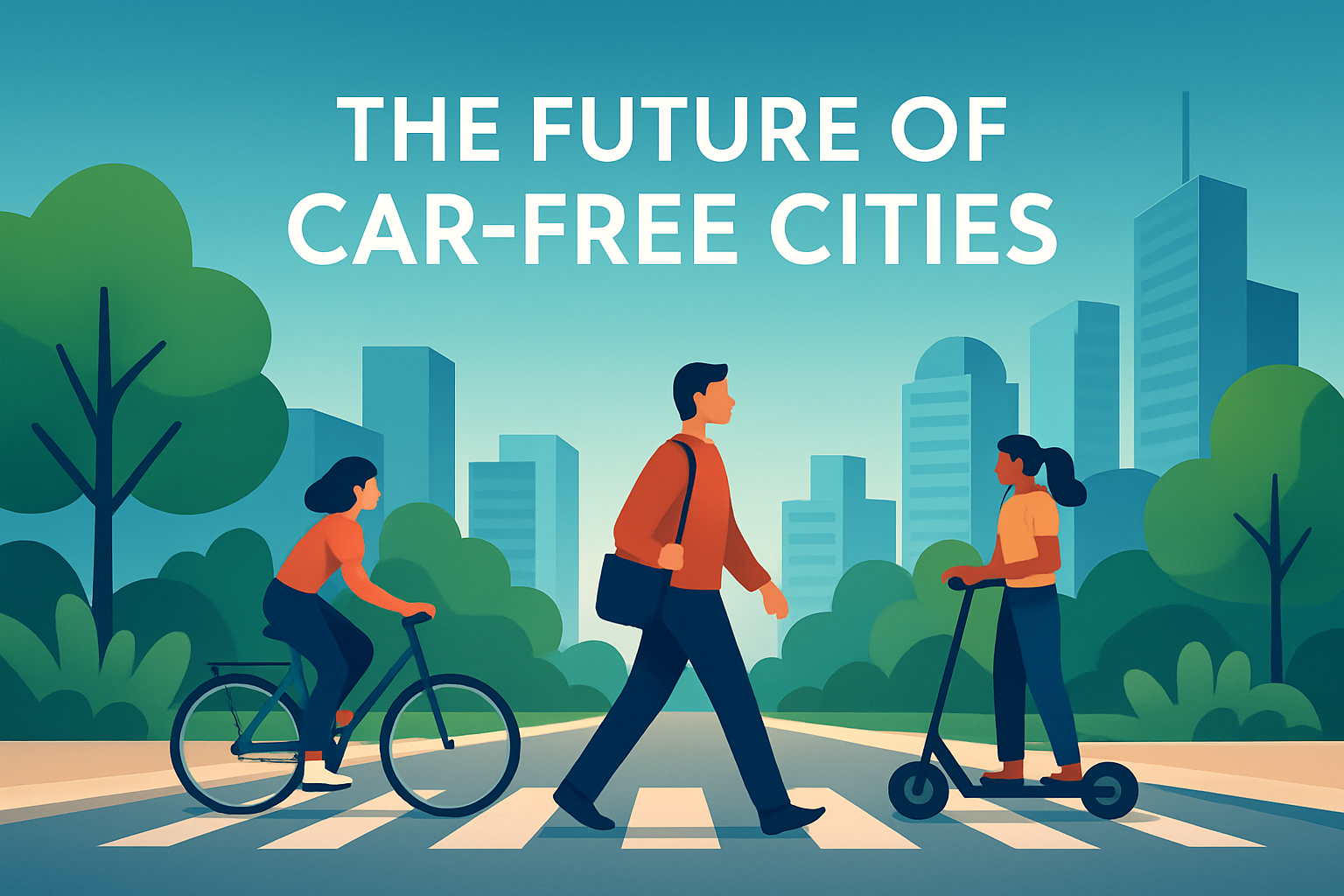
The concept of car-free cities is transforming the way we envision urban spaces and our daily lives within them. As the term suggests, car-free cities eliminate or significantly reduce the presence of privately-owned vehicles in favor of more sustainable modes of transportation. Instead of relying on cars, these cities enhance public transport systems, promote cycling and walking, and create pedestrian-friendly areas. But why is this shift crucial? The answer lies in addressing pressing global challenges like climate change, urban congestion, pollution, and the quest for healthier, more sustainable lifestyles.
Combating climate change is one of the foremost reasons for advocating car-free zones. Transportation emissions, primarily from vehicular exhaust, contribute significantly to greenhouse gas emissions. Reducing reliance on cars helps cut down these emissions, thus playing a pivotal role in environmental sustainability efforts. Additionally, cities have been facing growing issues of congestion, resulting in lost productivity, stress, and economic inefficiencies. Car-free cities offer a proactive response by leveraging space more effectively for people rather than vehicles.
Furthermore, the shift has immense potential to improve public health outcomes. Reduced air and noise pollution from fewer cars can lead to healthier urban environments. Encouraging walking and cycling not only boosts physical fitness but also enhances mental well-being by integrating more nature into everyday life. As city planners and policymakers explore these benefits, we need a comprehensive overview of the future of car-free cities, examining their implementation, technology integration, and citizen impact.
Implementing Car-Free Zones: Strategic Approaches
Successful implementation of car-free zones requires strategic planning and a multiphased approach. Urban areas considering this transition can learn from pioneering cities like Oslo, Norway. This city has begun to phase out cars from the city center to create a more people-centric environment. Oslo’s approach included banning cars from specific streets, increasing pedestrian pathways, and expanding bicycle-friendly infrastructure.
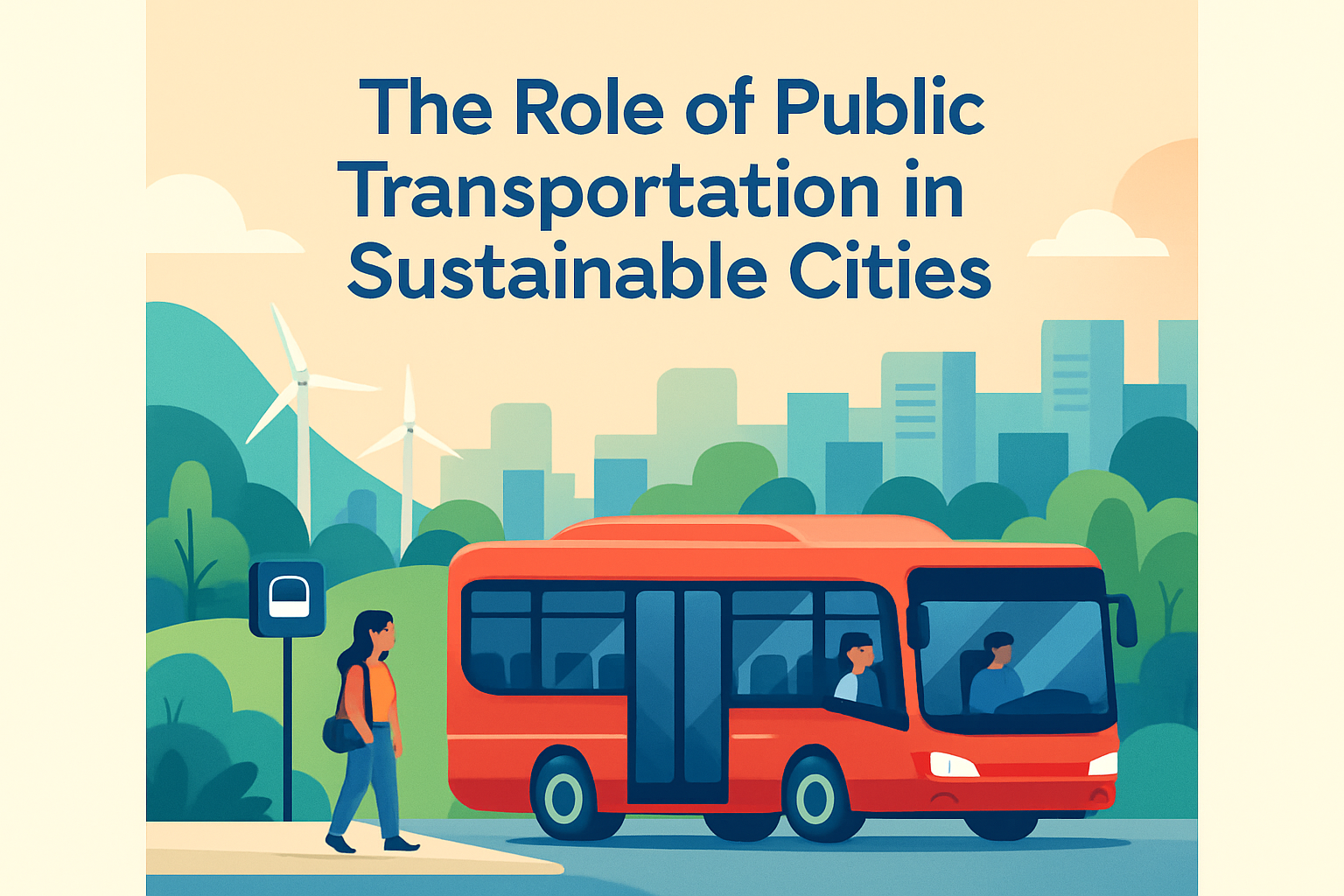
To ensure a seamless transition, it is essential to involve community stakeholders throughout the planning and implementation processes. Public consultation can garner support and minimize resistance while addressing potential economic impacts on businesses that rely on vehicular access. Additionally, cities need to provide alternative transportation means, ensuring that public transit is frequent, reliable, and accessible, alongside infrastructure developments for cyclists and pedestrians.
| Element | Car-Free Cities | Car-Dependent Cities |
|---|---|---|
| Air Quality | Improved | Poor |
| Infrastructure Use | For People | For Vehicles |
| Health Outcomes | Better Physical and Mental Health | More Health Issues |
Oslo’s experience reveals that supporting infrastructures like park and ride facilities at city edges can facilitate easy transition from car transit to public transport. This setup even encourages tourism as more appealing walkable areas emerge—transforming cities into attractive destinations.
Technology Integration: Smart Solutions for Car-Free Cities
Technology plays a crucial role in advancing the vision of car-free cities. Through smart solutions, cities can optimize transportation efficiency and ensure safety. Amsterdam, a leading example, integrates technology to manage its car-free zones seamlessly.
Amsterdam utilizes intelligent traffic management systems that allow for real-time monitoring and adjustments of public transportation schedules. This system ensures that public transit operates smoothly, even during peak hours. Additionally, the city employs bike-sharing systems with digital platforms that offer users ease of access and payment. Mobile apps providing route optimization for pedestrians and cyclists further enhance convenience.
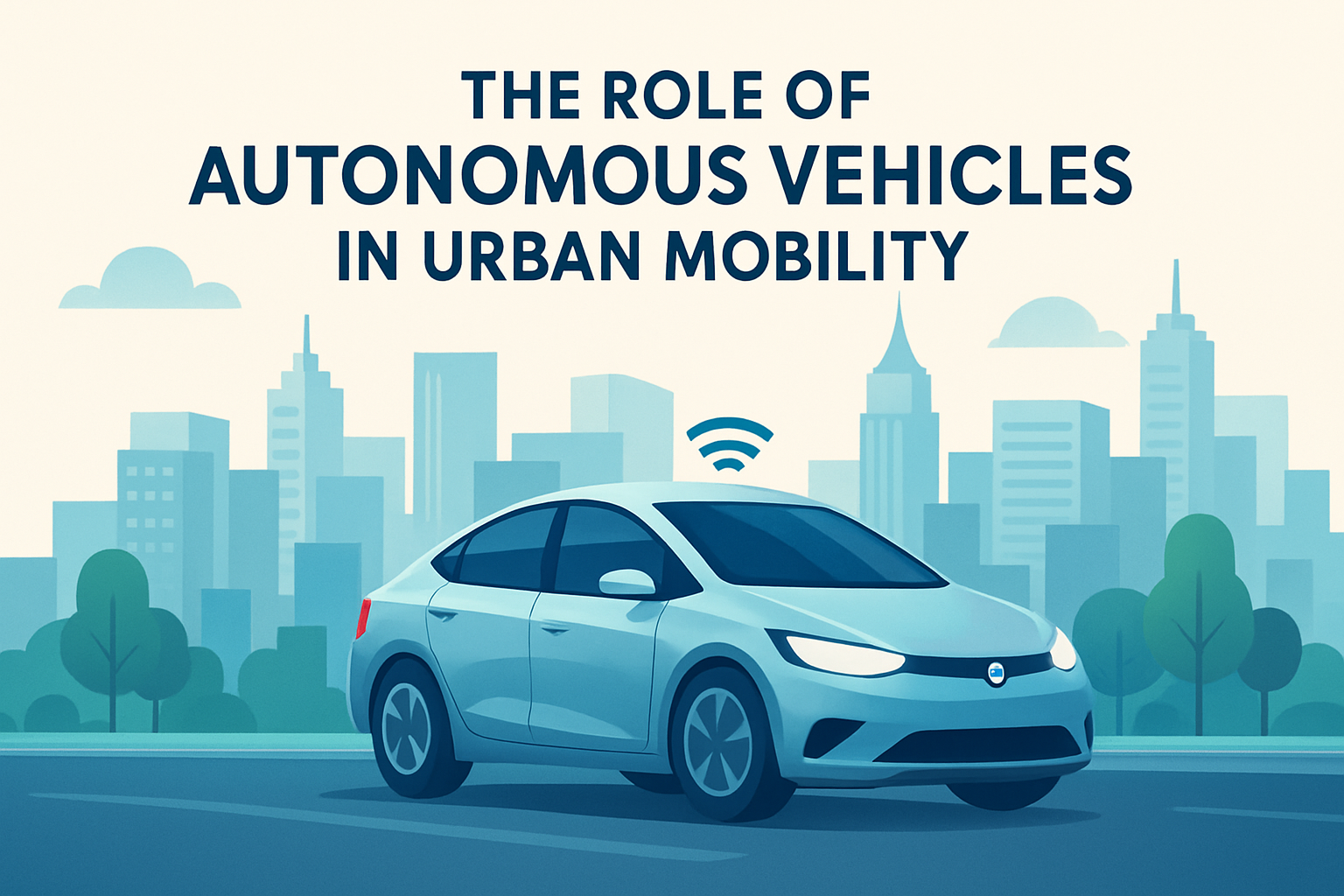
Technological advancements in electric and autonomous vehicles are also noteworthy as these innovations offer clean and efficient transport alternatives. Automated shuttles in certain urban areas provide last-mile connectivity without contributing to emissions, aligning with car-free initiatives.
However, cities must remain vigilant about data privacy and security protections to ensure residents’ trust in these smart technologies. Balancing innovation with ethical considerations fosters public confidence and increases adoption rates.
Social and Economic Impacts: Enhancing Urban Life
The social and economic implications of car-free cities extend beyond environmental and health benefits, shaping urban life profoundly. The city of Madrid in Spain exemplifies the positive impacts resulting from reduced car dependency.
Madrid has seen increased economic activity within its pedestrian-centric zones, as businesses attract more foot traffic. Local shops, cafes, and cultural centers thrive because of the retained and increasing human presence. This urban transformation has also motivated businesses to invest in outdoor dining spaces and other offerings that create vibrant street life.
On the social front, car-free areas can foster a sense of community by encouraging interactions among pedestrians. With safe, shared spaces, people can engage in casual encounters, community events, and enjoy more leisure time outdoors. This accessibility attracts diverse groups, facilitating inclusivity and cultural exchanges in a cooperative environment.
Yet, it’s vital to assess potential challenges like displacement or gentrification due to increased property values in desirable, car-free locales. Policymakers must implement safeguards that maintain affordability and protect the diverse fabric of communities.
Environmental Benefits: Sustainability Through Reduced Emissions
Transitioning to car-free cities brings environmental gains by significantly contributing to emission reductions. The city of Freiburg in Germany offers insights into becoming a model of sustainability powered by diminished vehicular dependence.
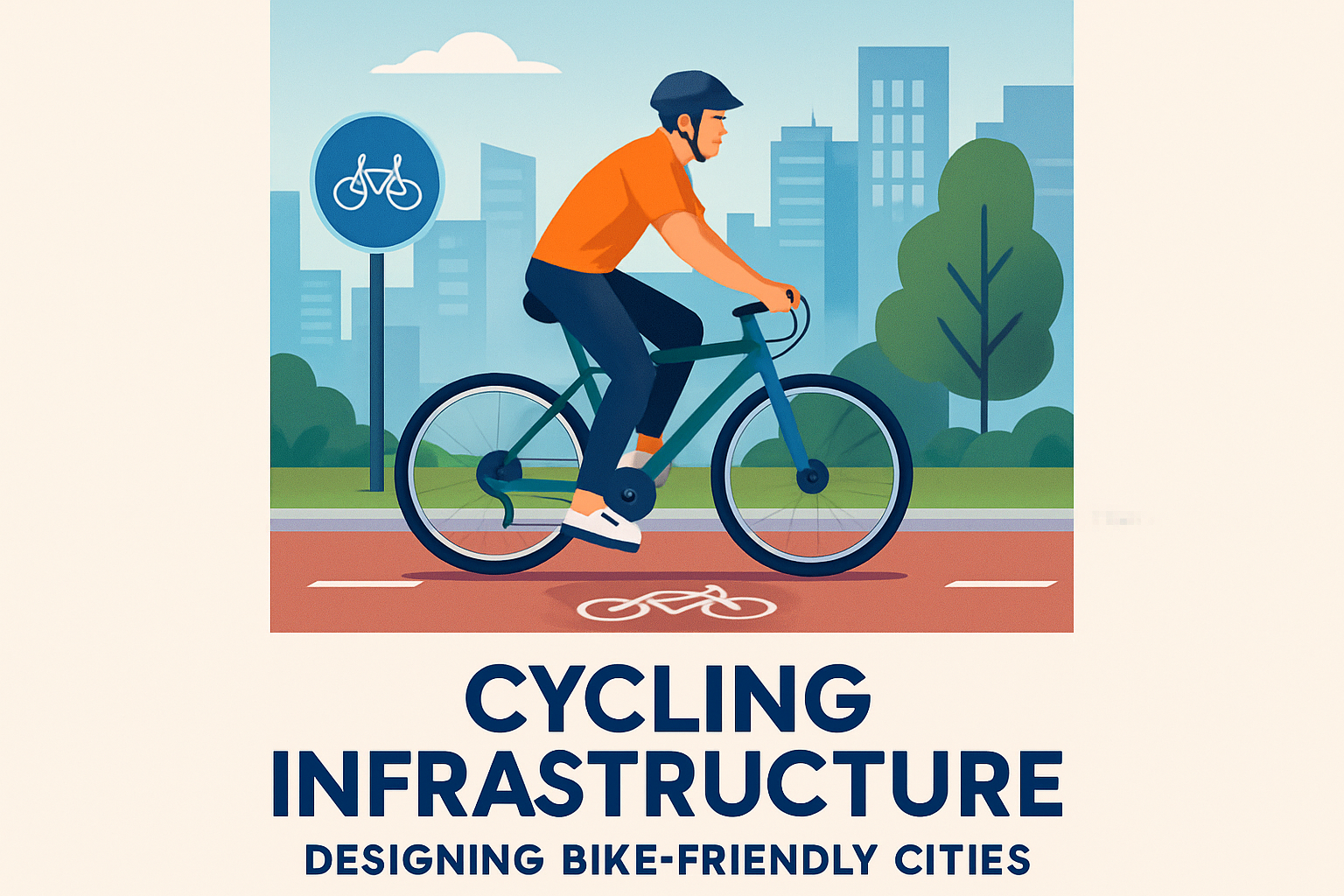
Freiburg’s strong emphasis on renewable energy integration and public transit accessibility reinforces its car-free ethos. Cycling infrastructure is highly prioritized with extensive networks, making cycling the primary mode of transportation for many residents. The city also maintains large parks and open spaces that enhance biodiversity and ecological resilience.
The emphasis on walkability and public transport showcases reduction in fossil fuel consumption and urban heat islands, resulting in reduced environmental footprints. Freiburg’s efforts in fostering community participation highlight how collective local action can drive substantial strides towards environmental sustainability.
By championing a greener future, Freiburg thrives as an eco-friendly city, paving the way for others to follow.”
Policy Considerations: Navigating Challenges and Opportunities
For effective implementation of car-free zones, robust policy frameworks and appropriate incentives are required. Cities such as Milan, Italy, demonstrate the significance of policy alignment in achieving car-free objectives.
Milan’s “caring and sharing” approach aims to transition from cars by empowering efficient alternatives and imposing controlled, limited access to car-centric zones. The Area C congestion charge scheme serves as an economic tool to reduce car entry, complemented by increased investment in alternative transport systems.
Incentives such as subsidies for electric vehicles or cycling gear aim to encourage usage of sustainable modes. Simultaneously, enforcing regulations around parking, emissions, and traffic policies ensures adherence, creating a city ecosystem conducive to car-free aspirations.
Yet, policies require consideration of the broader societal context. Provision for low-income residents and inclusive, equitable strategies facilitate holistic transitions. Engaging multiple stakeholders in policy creation ensures responsiveness to diverse needs and maximizes inclusive benefits.
Conclusion: Embracing the Car-Free Vision
The measurable benefits of car-free cities—from improved public health to vibrant social spaces—indicate a transformative vision that enhances urban quality of life. As cities like Oslo, Amsterdam, Madrid, and Milan showcase the potential of successful implementation, real-world solutions exemplify the facilities that individuals and communities could expect in the future.
Essentially, the transition requires strategic planning, technological integration, social and economic mindfulness, environmental stewardship, and comprehensive policy support. Stakeholders, including city planners, policymakers, local communities, and individuals, must collaborate closely to ensure balanced development.
The call to action for readers is to advocate for, support, and actively participate in initiatives towards car-free urban spaces. Whether choosing public transport, cycling, or walking options more frequently, each action contributes incrementally to realizing the collective vision of healthier, sustainable, car-free cities.
Ultimately, the future of urban living is within collective reach if we embrace innovation, inclusion, and audacity to transform cities into dynamic and sustainable ecosystems for generations to come.
Frequently Asked Questions
1. What are car-free cities, and how do they work?
Car-free cities are urban areas where the presence of privately-owned vehicles is either completely eliminated or significantly minimized. These cities focus on transforming the way inhabitants move around by enhancing public transportation systems, such as buses and trains, and encouraging alternatives like cycling and walking. Pedestrian-friendly zones are increased, making the urban environment more accommodating for foot traffic. The ultimate goal of car-free cities is to create a sustainable, eco-friendly urban area that reduces the reliance on traditional vehicles, thereby cutting down on air pollution and traffic congestion.
2. Why are car-free cities important for the environment?
The importance of car-free cities in environmental terms cannot be overstated. By reducing the number of cars on the road, these cities dramatically decrease greenhouse gas emissions, which are a major contributor to climate change. Fewer cars mean less air pollution, resulting in improved air quality and fostering better public health. Additionally, having fewer vehicles reduces noise pollution, making urban areas more peaceful and livable. With a shift towards public transport, cycling, and walking, car-free cities not only contribute to a smaller carbon footprint but also promote more green spaces and urban biodiversity.
3. How can car-free cities impact urban planning and infrastructure?
Car-free cities require innovative urban planning and infrastructure development. Streets and city layouts are designed to prioritize pedestrians and cyclists, often with expanded sidewalks, bike lanes, and open public spaces. City planners can reassign space traditionally used for roads and parking lots to parks, plazas, and community areas, enhancing the quality of life for residents. Public transportation must be efficient, reliable, and affordable to encourage widespread use. This often means expanding the reach of transit networks, investing in clean energy-powered vehicles, and ensuring connectivity across neighborhoods.
4. What challenges might cities face when transitioning to a car-free model?
Transitioning to a car-free city comes with its own set of challenges. One major hurdle is overcoming the public’s dependency on personal vehicles, which are deeply ingrained in modern lifestyle and culture. Effective communication and public engagement are crucial in changing perceptions and behaviors. Infrastructure changes, such as building new transit systems and redesigning streets, require substantial financial investment and political willpower. Another challenge is ensuring accessibility for all, including people with disabilities, the elderly, and those living in suburban or rural areas where public transport may not be readily available. Policymakers must address these issues with inclusive strategies that make car-free living feasible and attractive for everyone.
5. Can car-free cities contribute to economic growth?
Absolutely, car-free cities have the potential to drive significant economic growth. By reducing traffic congestion, they improve the efficiency of supply chains and business operations. The creation of pedestrian-friendly areas attracts tourists and boosts local commerce, benefiting small businesses and stimulating job creation. Additionally, investing in public transportation and sustainable infrastructure opens up new markets and opportunities for industries related to green technology and urban development. Healthier cities, due to reduced pollution, can also lower public healthcare costs and increase productivity. All these factors contribute to a more vibrant, resilient economy that is less dependent on fossil fuels and more aligned with sustainable growth.