Public transportation is a critical component of urban infrastructure, significantly influencing the quality of life, economic development, and environmental health of cities worldwide. As urban populations grow, the demand for efficient, accessible, and sustainable public transit systems becomes increasingly pressing. Cities across the globe have taken different approaches to innovate and optimize their transit systems, leading to a rich tapestry of solutions tailored to unique geographical, social, and economic circumstances.
In exploring public transit innovations, it is essential to understand key concepts such as “sustainability,” which refers to systems designed to minimize environmental impact while maximizing efficiency. The term “multimodal integration” describes a network where different modes of transport—buses, trains, bicycles—are seamlessly connected for a smoother user experience. The importance of public transit extends beyond merely moving people; it encompasses reducing congestion, lowering carbon emissions, enhancing urban mobility, and supporting economic activity.
In today’s era, where climate change and urban sprawl are pressing concerns, the evolution of public transportation systems represents a pivotal area for innovation. By analyzing successful implementations from cities around the world, city planners and decision-makers can glean valuable insights that could be adapted or replicated in similar environments. This piece delves into a selection of pioneering public transit systems, examines their unique strategies and technologies, and discusses what makes them exemplary.
Bus Rapid Transit (BRT) Systems: The Curitiba Model
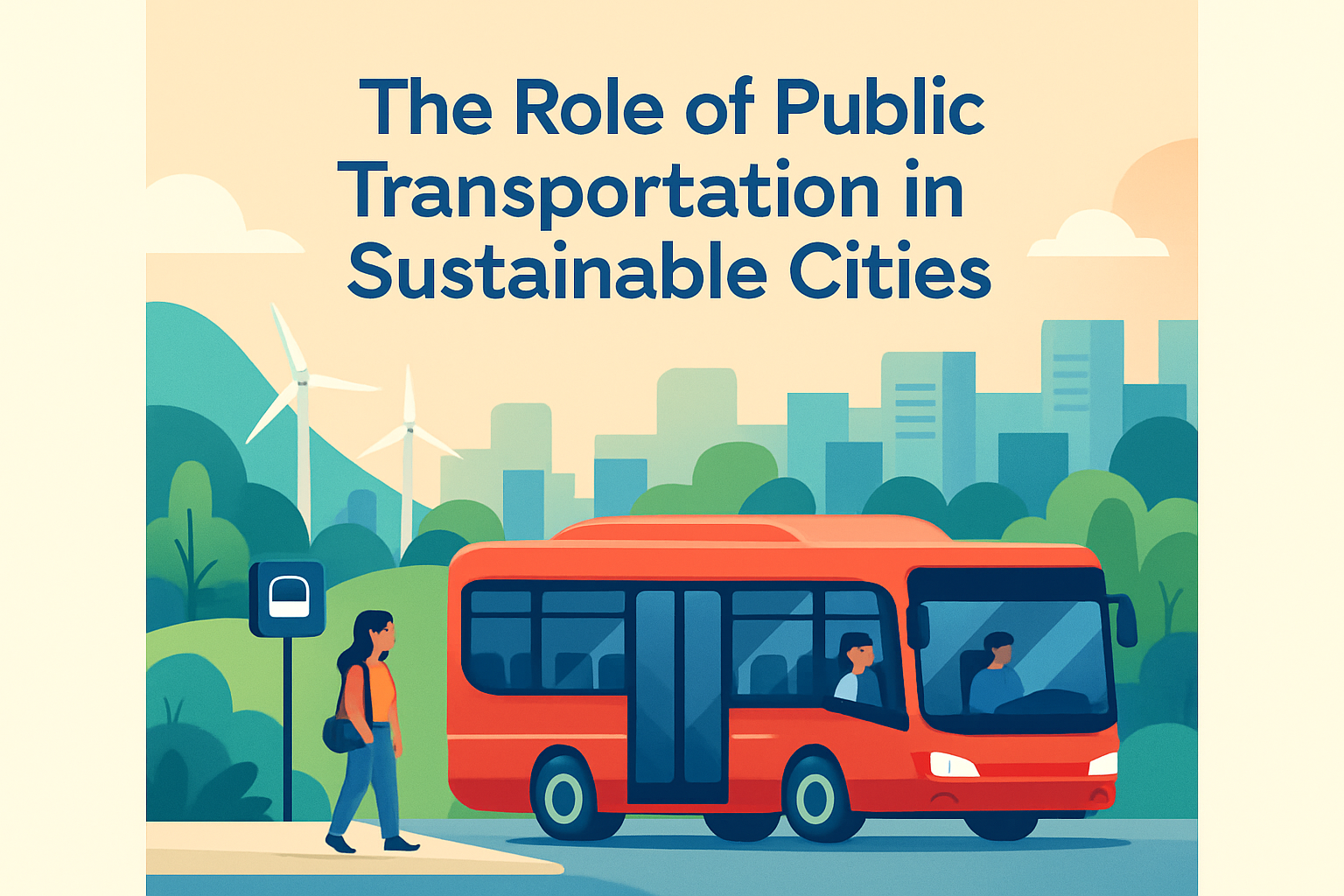
Bus Rapid Transit (BRT) is a public transport system offering higher capacity and speed than traditional buses through dedicated lanes and priority at intersections. One notable example of successful BRT implementation is Curitiba, Brazil. Introduced in the 1970s, Curitiba’s system was revolutionary in its simplicity and effectiveness, serving as a blueprint for other cities worldwide.
The Curitiba BRT features dedicated lanes, bi-articulated buses, and quick boarding platforms designed for efficiency. Importantly, Curitiba’s approach was integrative, aligning urban planning with public transport development. This synergy enabled the city to manage urban growth intelligently while minimizing traffic congestion and pollution.
The simplicity and cost-effectiveness of the Curitiba model have inspired similar systems in Bogotá (TransMilenio), Istanbul, and Jakarta. These cities also demonstrated innovative adaptations such as real-time passenger information systems and enhanced fare collection methods. The Curitiba model illustrates how strategic planning can yield a sustainable, scalable transit solution even in rapidly growing urban areas.
Subway Innovations: Tokyo’s Efficient Underground
Tokyo’s subway system is often hailed as the epitome of efficiency and reliability. As one of the busiest networks globally, it handles millions of commuters daily while maintaining punctuality and order—an incredible feat given Tokyo’s population density and geographic challenges.
A few key factors contribute to Tokyo’s success: the intricate design of stations allows seamless transfer between lines, electronic communication systems guide passengers effortlessly, and ubiquitous signage provides multilingual instructions. Additionally, the impeccable train scheduling system minimizes wait times.
Tokyo has been proactive in addressing environmental challenges. The subway cars are equipped with energy-efficient technologies, including regenerative braking systems that capture and reuse energy. Furthermore, the city’s robust disaster preparedness plans ensure smooth and safe operations even during emergencies such as earthquakes.
The Tokyo subway system serves as a model of how meticulous planning, consistent technological upgrades, and a focus on passenger convenience can create an exemplary urban transport network—one adaptable to diverse and challenging conditions.
Multimodal Transportation: Copenhagen’s City Bike Strategy
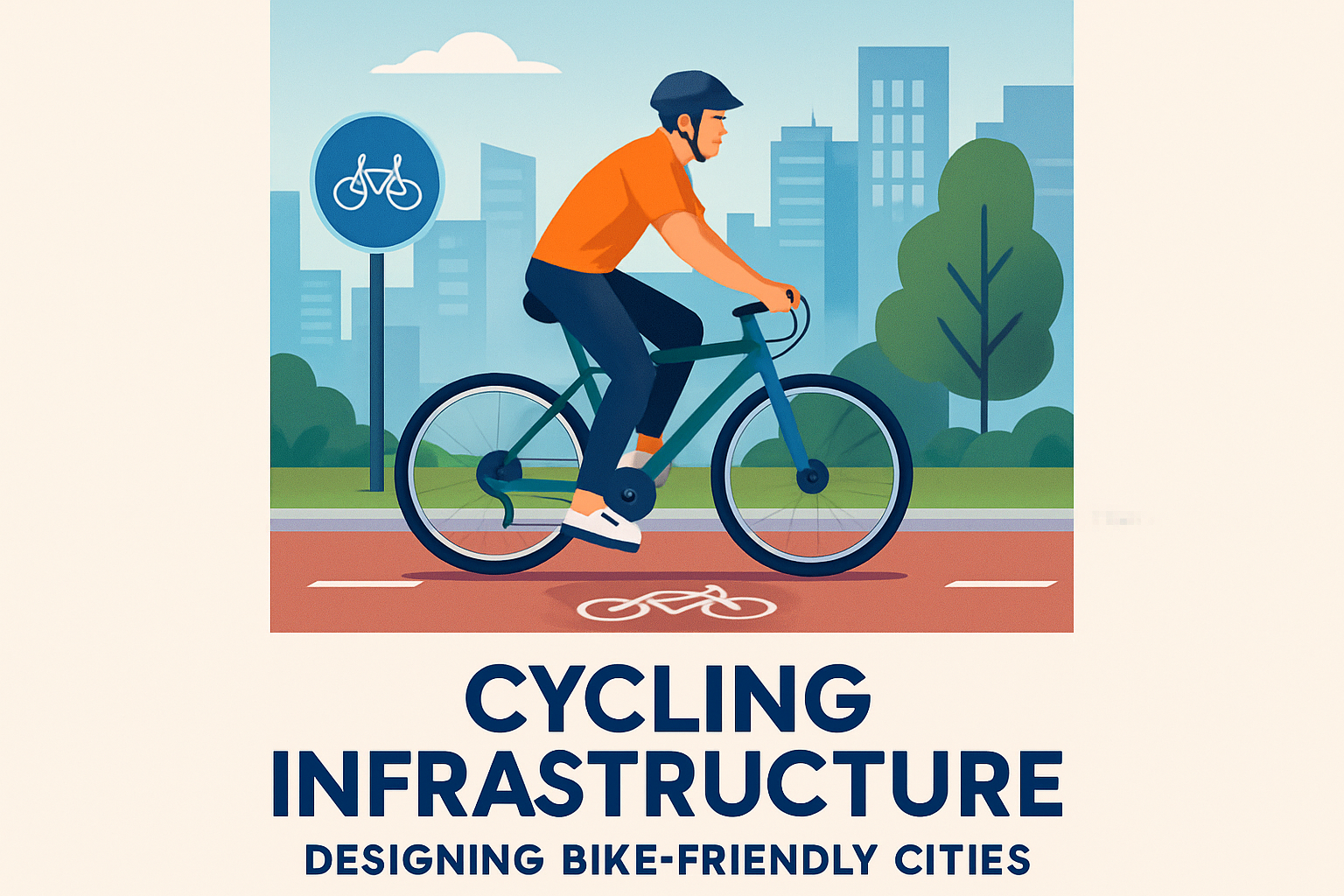
Copenhagen offers a superb example of integrating cycling into urban transit. The city has a well-deserved reputation as a cycling haven, where over a third of its citizens commute by bicycle daily. This approach encourages an active lifestyle and drastically reduces vehicular emissions.
Copenhagen’s strategy includes a comprehensive network of bike lanes, bicycle-friendly policies, and innovative programs like “Bycyklen,” a public bike-sharing system. The city offers smart bikes equipped with GPS and an integrated tablet, allowing users to navigate efficiently and choose cycle-friendly routes.
The success of Copenhagen’s multimodal approach can be attributed to its commitment to infrastructure investment and policy-making that prioritizes sustainable transportation. This integration not only improves accessibility and connectivity but also enhances overall city livability. Other cities like Amsterdam and Portland have also adopted similar cycling-inclusive strategies, illustrating the potential of bicycles as a viable means of public transport.
High-Speed Rail: Shanghai’s Maglev Train
Shanghai’s Maglev Train represents a technological leap in public transportation, epitomizing speed and modernity. Connecting Pudong International Airport with the outskirts of central Shanghai, this train covers 30 kilometers in approximately 8 minutes, reaching speeds up to 431 kilometers per hour.
Utilizing magnetic levitation technology, the Maglev minimizes friction, allowing higher speeds and greater energy efficiency than traditional rail systems. As the world’s first commercial high-speed Maglev, it serves as a testament to Shanghai’s commitment to forward-thinking transport solutions.
Moreover, the Maglev showcases the potential of integrating innovative technologies within existing transit paradigms, exemplifying how high-speed rail can effectively manage urban transport needs, cater to rapid commuter demands, and support city-to-airport connectivity.
| City | Innovation | Benefits |
|---|---|---|
| Curitiba | BRT System | Cost-effective, scalable, and reduces congestion |
| Tokyo | Subway System | Highly efficient and energy-saving |
| Copenhagen | City Bikes | Sustainable and promotes active lifestyle |
| Shanghai | Maglev Train | High-speed and energy-efficient |
Digital Innovations: London’s Contactless Payment System
London has revolutionized fare collection with the introduction of its contactless payment system, integrated into the existing Oyster card network. This advancement allows commuters to use debit, credit cards, or mobile payment apps to access the Underground, buses, and other services.
The contactless system simplifies transactions, reduces time spent queuing for tickets, and enhances user experience. Furthermore, it aids in reducing operational costs associated with traditional ticketing infrastructures.
Beyond convenience, such advancements in payment infrastructure offer insightful data analytics possibilities, allowing for enhanced capacity planning, real-time traffic management, and personalized advertising opportunities. London’s leap towards digital payment systems underscores the potential of technology in revolutionizing public transport networks to be more efficient and user-friendly.
Summary and Key Takeaways
The examination of innovative public transit systems globally reveals valuable insights into creating efficient, sustainable, and adaptable urban transport networks. Cities like Curitiba, Tokyo, Copenhagen, Shanghai, and London demonstrate that strategic planning, technological advancement, and policy innovation are crucial to successful public transit systems.
From optimizing existing solutions like the BRT and subway systems to embracing radical technologies such as high-speed maglev and cashless payments, these examples illustrate diverse pathways towards improving urban mobility. Such innovations not only accommodate population growth and urban expansion but also foster environmental sustainability and economic vitality.
Ultimately, the lessons learned from these global cities highlight the importance of tailoring solutions to local contexts, investing in infrastructure intelligently, and embracing cutting-edge technologies. As urbanization continues, other cities can draw inspiration from these examples to develop transit systems that are efficient, resilient, and meet the demands of modern city life.
The next step for policymakers and city planners is to engage in dialogue with experts, explore these innovative practices in detail, and commit to investing in public transport as a cornerstone of sustainable urban development.
Frequently Asked Questions
1. What makes an innovative public transit system?
Innovative public transit systems are those that integrate cutting-edge technologies and novel approaches to provide efficient, sustainable, and user-friendly transportation options. These systems often incorporate elements like real-time tracking apps, contactless payment solutions, autonomous vehicles, and even drones in some forward-thinking cities. In addition, they leverage data analytics to optimize routes and schedules, ensuring convenience and enhancing the passenger experience. They also focus on reducing emissions through electric or hybrid vehicles and maintaining strong connectivity between various modes of transport, such as buses, subways, bikes, and pedestrian pathways, to create a seamless urban mobility ecosystem. The end goal is to decrease congestion, improve air quality, and make commuting a more pleasant and efficient experience for residents and visitors alike.
2. How have global cities successfully transformed their public transit systems?
Global cities have successfully transformed their public transit systems by adopting a combination of technological advancements and policy innovations tailored to their unique challenges. For instance, Singapore has implemented a smart transportation system with an integrated approach using high-tech fare collection, GPS-enabled vehicles, and a well-planned expansion of rail networks to cover the city’s growing demands. In Amsterdam, the emphasis has been on promoting cycling alongside the transit system, reducing road congestion and enhancing connectivity. Meanwhile, Tokyo has been applauded for its punctual and highly efficient rail network, which handles millions of passengers with minimal delays daily. Other cities, like Curitiba in Brazil, have led the way with bus rapid transit (BRT) systems that replicate metro-style efficiency with their dedicated bus lanes and priority traffic signals. These approaches highlight the diversity in strategies cities use, whether it is through infrastructure upgrades, leveraging technology, or fostering a changed public mindset.
3. What role do sustainable practices play in modern public transit systems?
Sustainability is at the heart of modern public transit systems. As urban areas grow and strive to cut emissions, public transportation must evolve accordingly. One of the key objectives is reducing the carbon footprint of mass transit by upgrading fleets to electric or hybrid models which drastically cut down on harmful emissions. Additionally, cities are increasingly turning to renewable energy sources to power their public transit facilities and promote cycling and walking to reduce reliance on fossil-fuel-consuming vehicles. Sustainable practices also involve creating transit-oriented developments where living, shopping, and working spaces are designed around transit hubs to diminish the need for cars. Moreover, public transit systems contribute significantly to alleviating urban congestion and conserving land use by reducing the number of individual cars on the roads, making cities more livable and environmentally friendly.
4. Which cities have implemented unique public transit systems, and what lessons can be learned from them?
Several cities stand out for their inventive public transit systems, each offering valuable lessons. For instance, Copenhagen is renowned for its cycling infrastructure, integrated seamlessly with public transit, teaching the importance of multi-modal transportation options. Hong Kong showcases the efficiency of a well-planned, extensive metro system combined with its Octopus card for seamless travel and retail transactions, evidencing the benefits of cashless and convenient payment systems. Meanwhile, Portland, Oregon, emphasizes pedestrian-friendly environments and has introduced streetcars and light rail to decrease dependence on cars, highlighting the value of neighborhood-focused transit solutions. The lessons from these cities underscore the importance of integrating public transport with alternative modes and technology, creating convenient, comprehensive systems that enhance urban connectivity and address unique local needs.
5. How can emerging technologies improve public transit systems?
Emerging technologies are pivotal in transforming public transit systems into more efficient and passenger-centric services. Real-time data collection and analysis allow transit authorities to improve route planning, manage fleet operations, and predict vehicle maintenance needs, reducing downtime and delays. Smartphone apps have revolutionized how passengers interact with transit systems, offering live updates on transit schedules, seat availability, and even fare payment through mobile ticketing. Meanwhile, the development and inclusion of autonomous vehicles could soon offer on-demand, last-mile connectivity in complement to existing fixed-route services. Furthermore, technologies like AI and machine learning facilitate more precise modeling of passenger flows, allowing for better resource allocation. These advancements, coupled with innovative infrastructure like smart traffic lights, can significantly reduce wait times and improve overall service efficiency, making public transportation more attractive, reliable, and eco-friendly.