Aging populations represent a growing demographic trend globally, reshaping societies and pressing urban centers to reconsider the ways they plan and develop. Understanding urban planning specifically for aging populations matters greatly as it helps to shape sustainable, inclusive cities that accommodate the needs of older adults. Urban planning involves organizing city spaces to optimize land use, infrastructure, environment, and resources. With life expectancy rising, ensuring that cities cater effectively to the elderly becomes imperative not only for the well-being of older adults but also for the overall harmony of urban life. This topic matters because it affects millions of people: both the current aging population and future generations who will rely on well-thought-out urban environments to lead dignified, active lives in their later years. The essence of urban planning for aging populations lies in integrating age-friendly designs, promoting accessibility, ensuring connectivity, and encouraging social inclusion.
Designing Age-Friendly Public Spaces
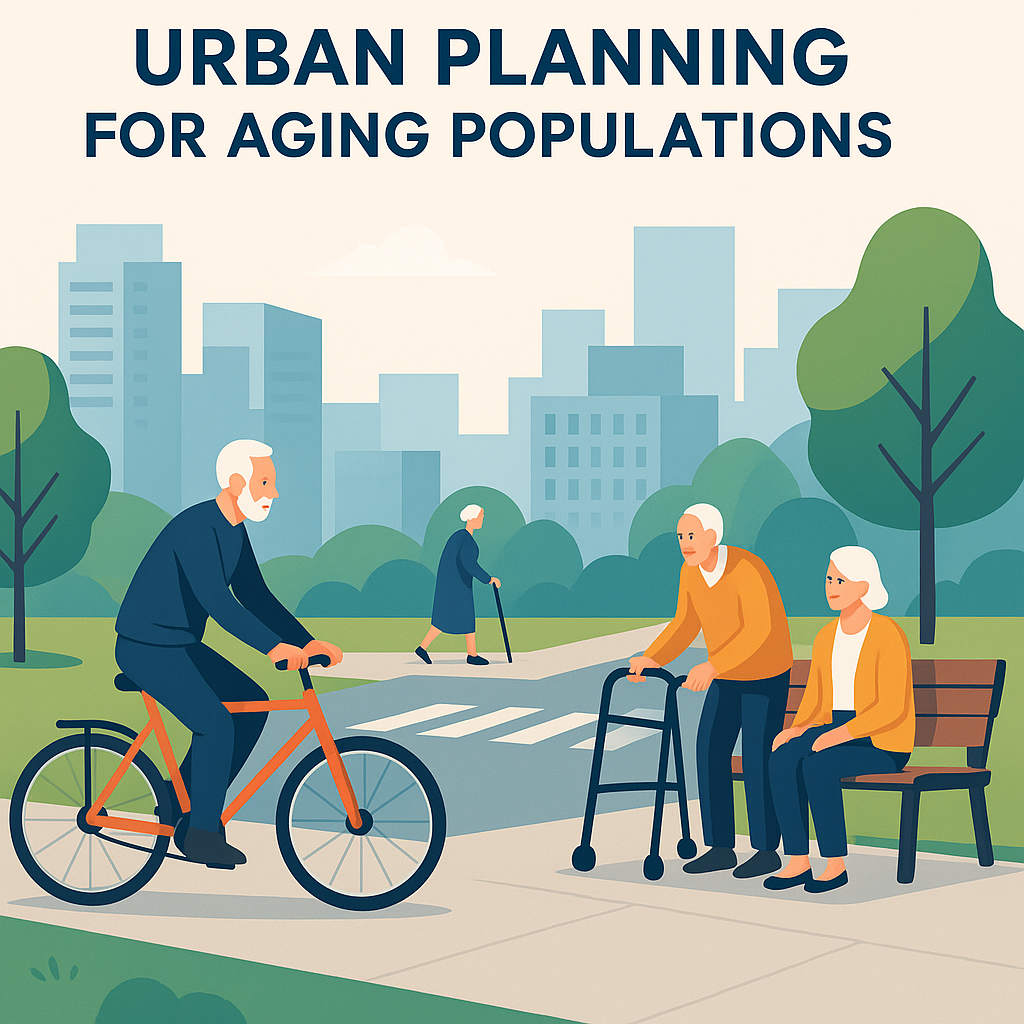
Urban spaces must evolve to meet the needs of older adults, who may have different physical capabilities than younger individuals. Age-friendly public spaces are essential for fostering an inclusive environment where older adults can remain active, engaged, and socially connected. In cities like New York, initiatives like the Age-Friendly NYC project have been implemented to create more inclusive public spaces. New York has installed more benches, ensuring resting spots for elderly citizens who need to pause during their routine errands. Wider sidewalks and curb cuts are also part of the city’s strategy to facilitate ease of movement. Such projects illustrate how thoughtful planning ensures that senior citizens continue to participate in community activities, reducing isolation and fostering a sense of belonging.
Accessible Housing Solutions
Accessibility is a cornerstone of urban planning for aging populations. As people age, mobility often becomes limited, and their housing needs may change significantly. Accessible housing solutions mean having homes that cater to these needs through features like single-level living, barrier-free designs, and adaptability for wheelchairs or walkers. Japan offers a compelling example of accessible housing solutions. The nation has integrated universal design principles into residential developments, emphasizing factors like reachable cabinets, adjustable counters, and walk-in showers specifically geared towards the aging population. These design features lead to safer living conditions, allowing seniors to maintain independence and reducing the necessity for premature institutional care. Accessible housing ultimately contributes to a better quality of life for older adults.
Integrated Health and Services
Effective urban planning for aging populations must include integrated health and service systems placed within proximity to residential areas. This integration ensures that seniors have easy access to the healthcare they require without extensive travel. Scandinavian countries exemplify this approach with their “senior apartments” that incorporate on-site medical facilities, social activities, and pharmacy access, all within a residential building. This design ensures residents receive regular check-ups, necessary treatments, and social interaction opportunities, greatly enhancing their quality of life. By placing essential services nearby, urban planning can help mitigate health risks and contribute to maintaining a senior population’s well-being.
Transportation and Mobility
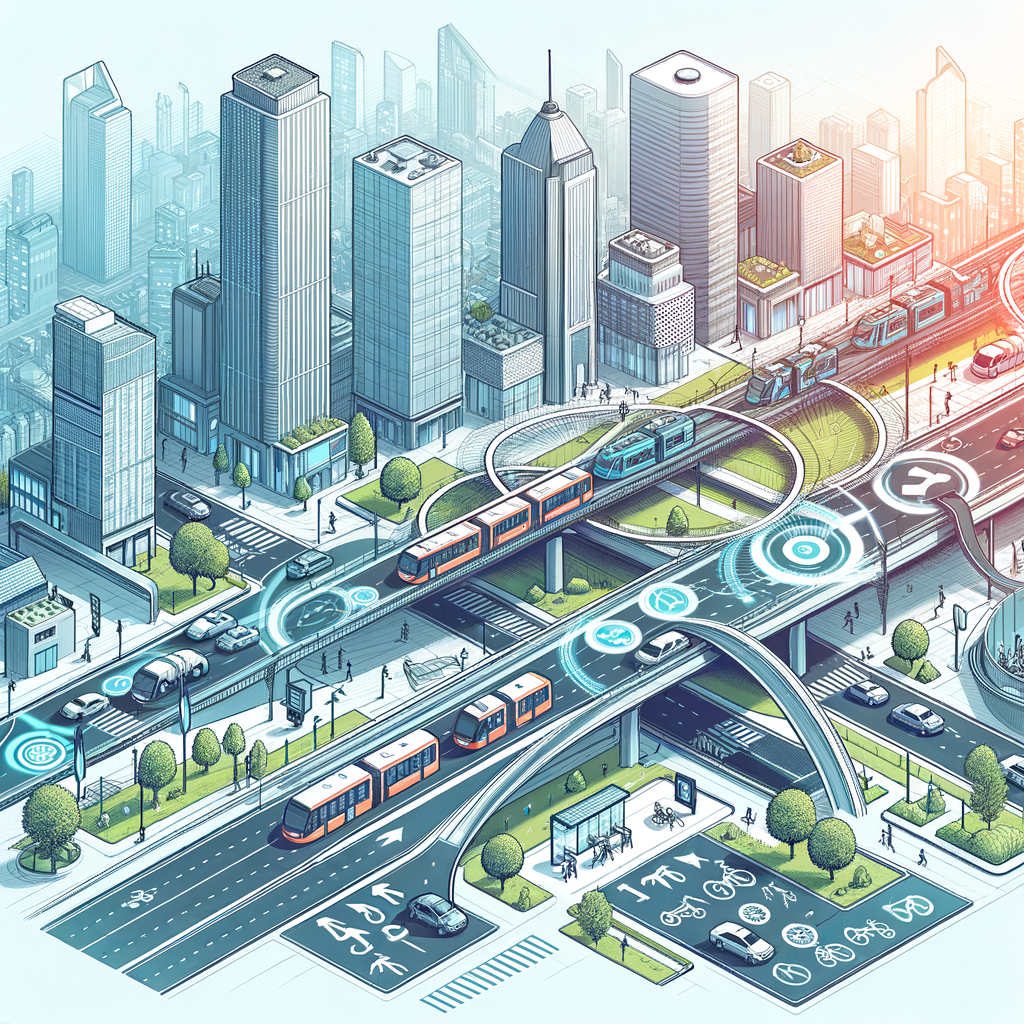
Accessible transportation systems are integral to urban planning for older adults. Effective public transportation, with considerations for the aging population, enables seniors to travel safely and sustain their independence. This aspect of infrastructure planning takes into account the necessity of low-floor buses and escalator-equipped subways, alongside accessible signage. Helsinki serves as a model for transportation-oriented urban planning with its dedicated effort to make public transit systems elderly-friendly. The city’s adoption of low-floor trams and buses, along with programs that train drivers on how to assist older passengers safely, highlights its commitment to inclusivity. Reliable transportation systems enhance mobility, allowing older adults to remain socially active and economically engaged.
Promoting Social Inclusion
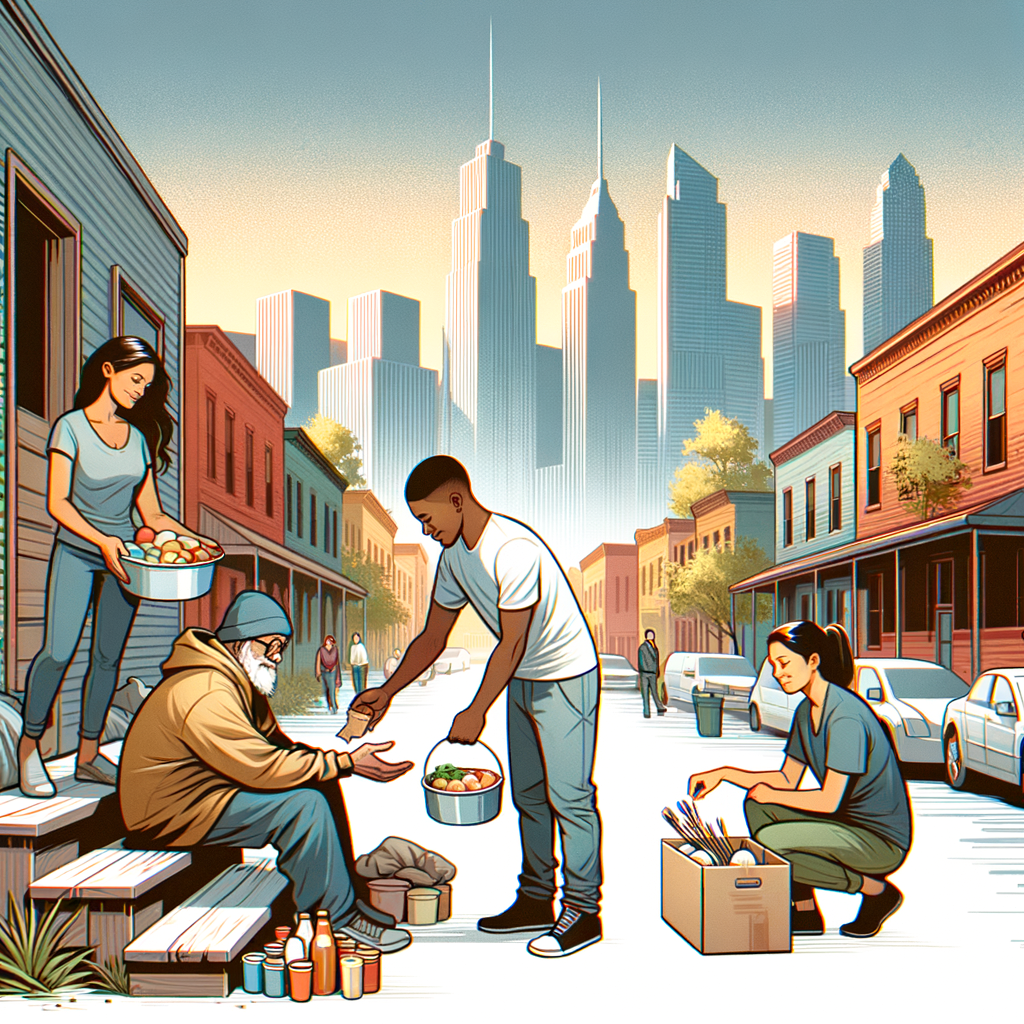
Social inclusion in urban settings revolves around fostering connections between community members, ensuring that no demographic is isolated, particularly aging adults. Initiatives that connect younger generations with the elderly are crucial in this regard. In Singapore, programs that promote intergenerational bonding involve school students engaging with seniors through community gardening projects. These interactions develop empathy, understanding, and cooperation across age groups, enriching community dynamics. When social inclusion strategies are part of urban planning, they reduce loneliness, enhance life satisfaction, and cultivate age-diverse community support networks.
Technology and Innovation
The role of technology in urban planning for aging populations cannot be overstated. Cities can leverage technological advancements to enhance living conditions for seniors. Technologies such as smart home systems and wearable health monitors offer aging residents greater autonomy and security. Amsterdam has introduced digital platforms that connect seniors directly with local services and information, easing access to community resources. Additionally, smart city technologies like adaptive traffic lights aid in addressing mobility challenges experienced by older adults. Technology, effectively integrated into urban planning, aligns city functions with the needs of its aging residents, offering tools for independence and enhanced safety.
- Age-friendly public spaces help seniors stay engaged and active.
- Accessible housing designs promote independent living.
- Integrated health services mitigate health risks.
- Transportation solutions foster mobility and inclusion.
- Social inclusion initiatives combat isolation.
- Technological integration facilitates autonomy.
Sustainable Community Design
Sustainable planning principles are pivotal for creating communities where older adults thrive. Sustainable communities prioritize environmental friendliness and resource efficiency, complemented by robust social frameworks. In Freiburg, Germany, the neighborhood of Vauban exemplifies sustainable community design with its eco-housing initiatives, pedestrian-friendly layout, and strong public transport connections. Such environments minimize environmental impact while enhancing accessibility and community engagement, aligning urban spaces with desires for greener living and longevity. When cities focus on sustainability alongside age-friendly features, they build resilient, vibrant environments where all generations flourish.
Challenges and Funding Strategies
While crucial, urban planning for aging populations involves significant challenges. Funding remains a critical concern, requiring strategic allocations to develop and maintain age-friendly infrastructure. Often, a mix of public and private funding is necessary to bridge gaps. Canada’s New Horizons for Seniors Program showcases how targeted government funding can bolster community-based projects benefiting the elderly. These initiatives include creating educational programs and enhancing physical infrastructures. By investing in older adults’ well-being, societies garner long-term economic benefits through improved health outcomes and reduced dependency costs.
Addressing these planning challenges involves comprehensive strategies that encompass policy commitments, community partnerships, and continuous stakeholder engagement. With transparent planning and coordinated approaches, urban environments can evolve proficiently to support aging populations without imposing unsustainable strains on public resources.
Summary and Call-to-Action
Urban planning for aging populations is paramount for developing inclusive, sustainable, and vibrant cities. By incorporating age-friendly designs into public spaces, crafting accessible housing solutions, integrating health and service systems efficiently, ensuring optimal transportation networks, fostering social inclusivity, leveraging technology, and emphasizing sustainability, planners can create urban environments where older adults thrive. Understanding these facets of urban planning not only ensures a higher quality of life for the elderly but also enriches the urban experience for all residents. As citizens, community members, or policymakers, we are tasked with advocating for and contributing to initiatives that make our cities age-friendly. It’s a proactive effort to recognize the importance of demographics and prepare for the future.
Your next step is to engage with your local community leaders or planners, inquire about existing age-friendly initiatives, and advocate for necessary changes that would benefit the aging population in your area. Consider participating in community planning sessions, supporting policies that prioritize inclusivity and accessibility. Every voice matters in shaping cities that care for and empower their aging members. Together, we can build cities that honor the contributions of older adults and ensure they continue to live their lives with dignity and fulfillment.
By acknowledging and addressing the specific needs of older adults, we set a precedent of care and inclusion that reflects true societal advancement. Let’s embrace this challenge and move forward with intent, ensuring no one is left behind as we design the urban landscapes of tomorrow.
Frequently Asked Questions
1. What are the primary considerations in urban planning for aging populations?
As urban planners focus on aging populations, several key considerations arise to ensure the creation of livable and accessible environments. Accessibility is foremost, with an emphasis on ensuring that all public spaces, transport systems, and buildings cater to individuals with mobility challenges. Sidewalks need to be wider and smoother for wheelchairs and walkers, and traffic lights equipped with longer intervals can allow older adults more time to cross safely. Housing is another major focus, with a push for more age-friendly housing options such as single-level homes, wheelchair-accessible apartments, and even cohousing communities that foster social interaction and mutual support among residents. Urban planners also consider proximity to essential services, ensuring older adults can reach medical facilities, markets, and recreational centers easily. The social connectivity of spaces is vital, too, meaning planners should design areas that encourage engagement and community participation, with ample green spaces, parks, and social centers that provide both rest and active socializing opportunities. All these considerations combine to foster environments where older adults not only survive but thrive, maintaining autonomy, health, and social connections.
2. How can public transportation systems be modified to better serve aging populations?
Public transportation systems play a crucial role in ensuring that city environments remain inclusive and accessible for older adults. Modifying current systems to suit the needs of aging populations involves multiple aspects. First, ensuring that vehicles, such as buses and trains, are equipped with low-step entries and clear signage is essential for ease of boarding and disembarking. Seats close to the entry-exit points labeled for priority use by older adults facilitate convenience and comfort during travel. Additionally, results from various studies underscore the importance of audible and visual announcements within transit systems, which help passengers, particularly those with sensory impairments, know when they have reached their destination or what the next stop will be. Planners should also consider the frequency of transport services to minimize wait times, with shelters and seating provided at bus and train stops to offer comfort while waiting. Furthermore, keeping transit routes connected with major residential and retail areas, healthcare, and recreation centers ensures that older adults can maintain an independent lifestyle, reducing their reliance on private vehicles.
3. Why are green and recreational spaces important in urban planning for aging populations?
Green spaces and recreational areas are more than just aesthetic additions to urban landscapes; they are pivotal for the health and well-being of aging populations. For seniors, access to parks and leisure spaces means more than just a place to exercise; it’s about maintaining physical health, mental well-being, and social interactions. These spaces offer opportunities for light physical activities like walking or tai chi, which can help with mobility and overall fitness. Moreover, spending time in nature has been linked to reduced stress levels and improved mental health, providing a serene environment that promotes relaxation and reflection. Beyond individual health, communal gatherings or hobbies like gardening can flourish in these settings, fostering social connections and combating feelings of loneliness and isolation that may affect older individuals. Therefore, urban planners prioritize the development and maintenance of accessible, safe, and inclusive green areas to ensure they meet the varied needs of an aging community, promoting a community culture that values inclusivity and quality of life at all ages.
4. What challenges do cities face when incorporating age-friendly infrastructure?
Incorporating age-friendly infrastructure into urban design comes with a set of challenges that cities must carefully navigate. Financial constraints are often the primary barrier, as modifying existing infrastructure or developing age-friendly features in urban settings can be costly. Retrofitting buildings for accessibility, updating traffic systems, and revamping neighborhoods to be more walkable require significant investments. There can also be resistance from stakeholders or community members who prioritize other issues or view such projects as disruptions. Moreover, urban planners must deal with the complex task of balancing the interests and needs of diverse community groups within a city where varying demographics require tailored accommodations. There’s also the necessity to stay ahead of demographic trends, predicting future needs rather than just addressing current ones. Understanding the nuances of accessibility and inclusivity involves continuous engagement with older populations to gather insights and feedback. Successfully overcoming these challenges relies on collaboration across sectors, innovative problem-solving, and ensuring policy-makers and citizens actively support and engage with age-oriented urban initiatives.
5. How can technology be leveraged to enhance urban environments for aging populations?
In our increasingly tech-driven world, technology offers immense potential to enhance urban environments, especially to benefit aging populations. Smart city technologies can revolutionize how older adults interact with their environment, ensuring spaces are responsive and adaptable to their needs. Wearable devices and health monitoring tools integrated with city health services can alert caregivers and healthcare providers to any issues quickly and efficiently. Information kiosks or smartphone applications tailored for seniors can provide easy access to city maps, transit schedules, and service locations, offering enhanced autonomy. In transportation, technologies such as real-time passenger information systems can improve the travel experience, while smart traffic lights can engage automatically with mobility aids to prioritize pedestrian movement for seniors. Home automation technology allows older adults to manage their living environments easily, helping maintain independence while remaining safe. Ensuring that technology remains accessible and user-friendly for the older demographic necessitates a conscious design process, focusing on inclusivity and ease of use. As urban centers invest in and implement these innovative technologies, they enhance accessibility and quality of life for their aging populations, paving the way for future generations.