Urban mobility is the system that moves people, goods, and services through a city, and its quality often determines how well a local economy withstands disruption. When streets, transit networks, sidewalks, bike lanes, freight routes, and digital mobility tools work together, workers reach jobs reliably, businesses receive supplies on time, and households can adapt when fuel prices spike, storms hit, or major employers shift locations. Economic resilience, in practical terms, means a city can absorb shocks, recover quickly, and continue creating opportunity rather than sliding into prolonged decline.
I have worked on transport and land use projects where a single rail delay, bridge closure, or bus driver shortage rippled through labor markets, retail performance, school attendance, and healthcare access within days. That experience makes one point clear: urban mobility is not a narrow transportation issue. It is a core economic system. The World Bank, OECD, International Transport Forum, and leading metropolitan planning organizations all treat mobility as infrastructure for productivity, inclusion, and risk management because the evidence repeatedly shows that accessibility drives growth more reliably than speed alone.
In this hub article, urban mobility includes public transit, walking, cycling, shared mobility, road networks, parking policy, freight delivery, curb management, traffic operations, and the digital platforms that help travelers and operators make decisions. Economic resilience includes job access, supply chain continuity, business survival, household affordability, fiscal stability, and the ability to respond to climate, health, and energy shocks. The connection matters because cities concentrate talent and commerce, but concentration also magnifies failure. If mobility breaks, urban economies lose working hours, sales, tax revenue, and investor confidence quickly.
This page serves as a comprehensive hub for the miscellaneous dimensions of urban mobility and transportation that often sit between traditional categories yet strongly shape economic outcomes. Some topics appear operational, such as fare payment, signal timing, loading zones, or first mile connections, but they influence labor participation and business costs in measurable ways. Others, including safety, accessibility, data governance, and maintenance backlogs, determine whether mobility systems remain dependable under pressure. Understanding these links helps city leaders, employers, planners, and residents make better decisions about where to invest and what to reform.
Why reliable mobility strengthens urban economies
Reliable mobility supports economic resilience because it protects access. Economists and transport planners increasingly focus on accessibility, meaning how many jobs, customers, schools, and services people can reach within a reasonable time and cost. A city with high accessibility gives firms a deeper labor pool and gives workers more employment options. That flexibility matters during downturns or localized shocks. If one district loses jobs, residents can still reach opportunities elsewhere. If one corridor is disrupted, travelers can shift modes or routes without losing an entire workday.
Reliability usually matters more than peak speed. A bus route that arrives every ten minutes and actually keeps that headway can be more economically valuable than a theoretically faster route with chronic bunching and long gaps. The same principle applies to freight. Retailers and restaurants can manage inventory and staffing around consistent delivery windows; they struggle when congestion or curb chaos turns every shipment into a guess. In resilience planning, predictability reduces buffer costs. Businesses need less excess inventory, households need less emergency spending on taxis or car ownership, and employers see fewer late arrivals and missed shifts.
Urban mobility also shapes agglomeration benefits, the productivity gains that come from firms and workers clustering together. Dense cities create innovation because people, suppliers, investors, and institutions connect frequently. But density pays off only when people can move through it efficiently. If congestion, unsafe streets, poor transit coverage, or fragmented fare systems make short urban trips difficult, the city loses many of the advantages that justify density in the first place. In my project work, central business districts with strong multimodal access consistently outperformed car dependent employment zones in talent retention during volatile labor markets.
Another resilience benefit is household financial stability. Transportation is one of the largest costs after housing. When cities offer dependable alternatives to private car ownership, families have more flexibility in a recession, after a layoff, or during fuel price spikes. A household that can commute by bus, train, bike, or walking has options; a household forced into multiple vehicle ownership is more exposed to insurance increases, repair bills, and gasoline volatility. That financial breathing room supports local consumption, which in turn helps neighborhood businesses survive economic stress.
Public transit, active travel, and shared mobility as a resilience portfolio
No single mode delivers economic resilience on its own. The strongest cities treat transit, walking, cycling, and shared mobility as a portfolio. Rail and bus networks move high volumes efficiently along major corridors. Walking is essential for short trips and for reaching every transit stop. Cycling expands the practical catchment of stations and employment centers at low cost. Shared mobility, including carshare, bikeshare, demand responsive shuttles, and ridehail, can fill gaps when deployed carefully. The goal is not mode competition. The goal is redundant access that keeps the city functioning when one part of the network is stressed.
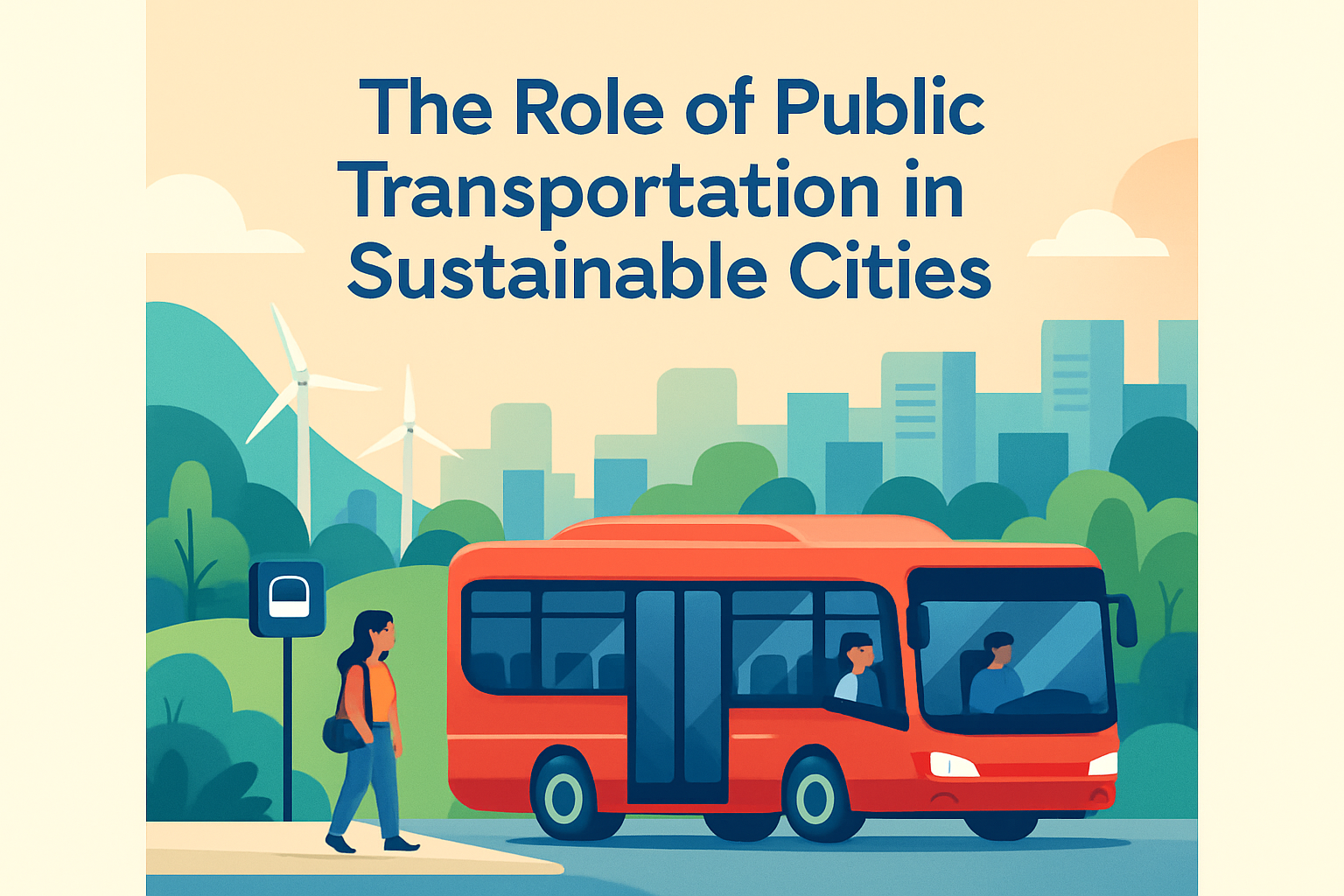
Transit remains the backbone because it scales. In large metropolitan areas, a single subway line or bus rapid transit corridor can move far more people per hour than general traffic lanes. During major events, fuel shocks, or downtown recovery periods, this capacity stabilizes labor access. Cities such as London, Seoul, Singapore, and New York maintain high central area productivity partly because dense transit networks allow firms to recruit from wide catchment areas without requiring vast parking footprints. Even in smaller cities, frequent bus networks can protect access to hospitals, universities, logistics hubs, and service jobs.
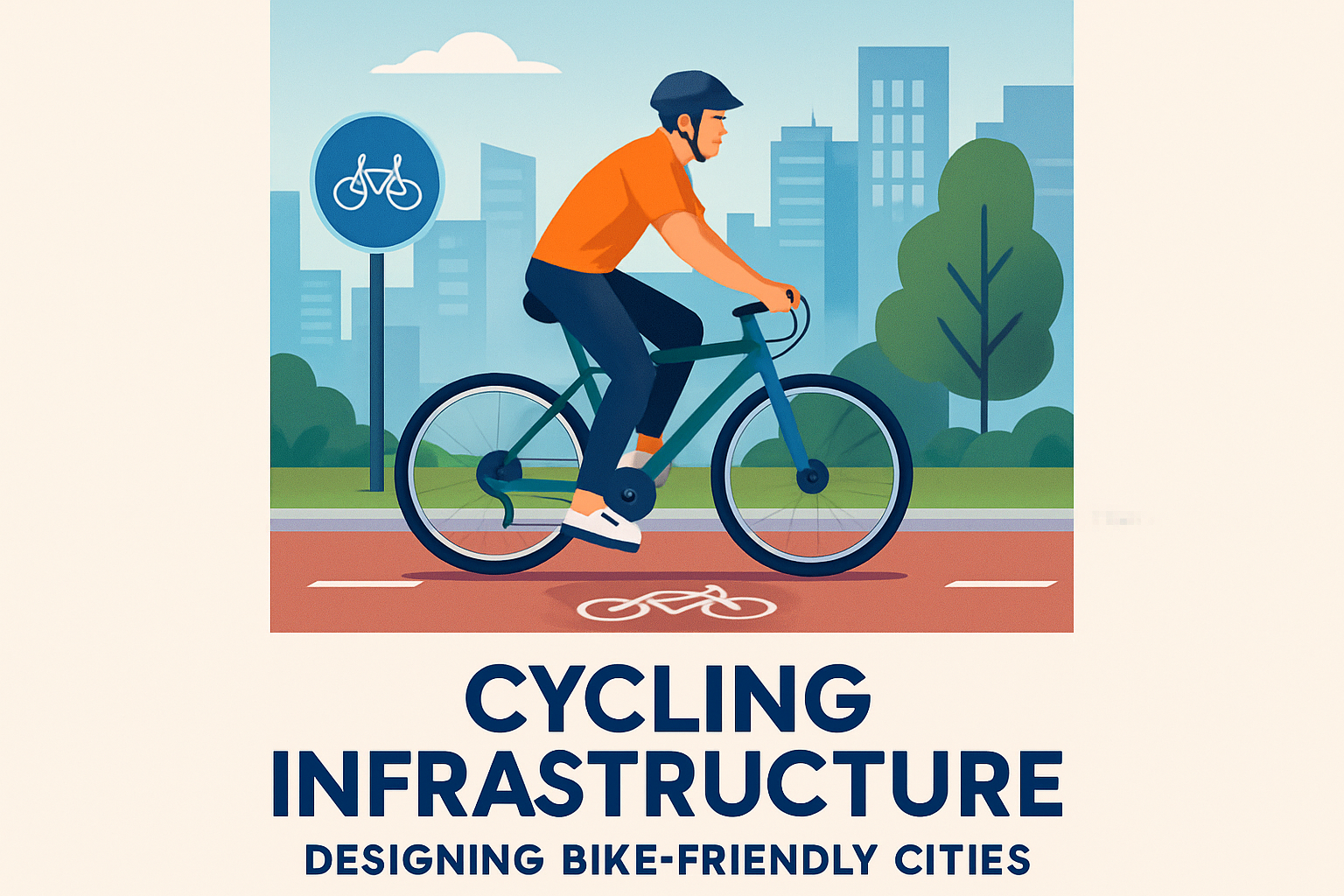
Active travel infrastructure contributes economic resilience in ways that are often underestimated. Protected bike lanes, safe crossings, wider sidewalks, and traffic calming are comparatively inexpensive, quick to implement, and useful during emergencies when transit service is reduced or roads are blocked. During the pandemic, many cities saw cycling volumes rise sharply where temporary lanes were installed, preserving access for essential workers and customers. Walkable business districts also tend to show stronger local spending because foot traffic supports small retailers, cafes, and personal services that depend on repeat visits and street visibility.
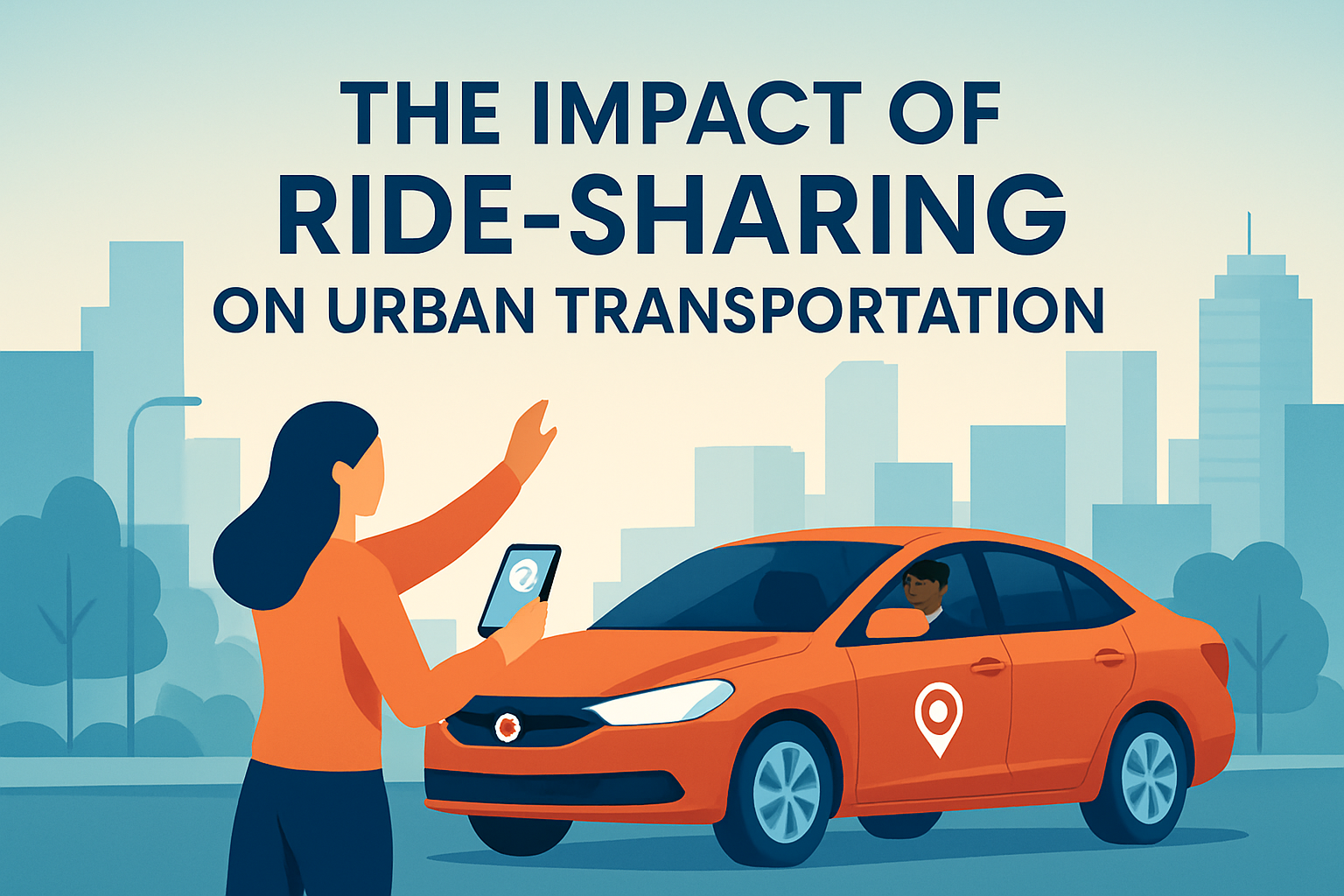
Shared mobility can either strengthen or weaken resilience depending on policy design. Carshare reduces the need for full time vehicle ownership, which helps households and supports compact development. Bikeshare improves first and last mile access, especially around rail stations and university districts. Ridehail can provide valuable late night or low density service but can also add congestion if unmanaged. Cities that integrate shared mobility into curb policy, payment systems, and data reporting get better results than cities that treat these services as detached private products. Coordination matters more than novelty.
| Mobility component | Primary economic value | Resilience benefit during disruption | Typical policy priority |
|---|---|---|---|
| Frequent public transit | High job access and labor market reach | Moves large volumes when roads are congested | Service reliability and dedicated lanes |
| Walking networks | Supports retail and universal local access | Works during fuel shortages and short closures | Safe crossings and complete sidewalks |
| Cycling infrastructure | Low cost medium distance travel | Provides flexible backup when transit is disrupted | Protected lanes and secure parking |
| Shared mobility | Fills service gaps and reduces car ownership pressure | Offers targeted options during off peak or special events | Integration with fares, data, and curb rules |
Freight, curb management, and the hidden infrastructure of commerce
Urban mobility discussions often focus on commuters, yet city economies also depend on reliable goods movement. Freight resilience includes regional trucking access, urban consolidation, loading zones, delivery scheduling, warehouse siting, and the everyday management of curbs. If a shop cannot receive stock, a restaurant cannot get food, or a hospital cannot receive supplies, economic resilience weakens immediately. The growth of e commerce has made this issue more urgent because many streets designed for passenger traffic now host large volumes of delivery vans, parcel drop offs, and app based pickup activity.
Curb management is one of the most practical levers available to cities. I have seen blocks where double parking by delivery vehicles reduced bus speeds, increased crash risk, and discouraged customer turnover, all because loading demand was ignored. Simple measures such as time limited commercial loading bays, digital permits, dynamic pricing, and clearly enforced pickup zones can restore flow quickly. Better curb policy helps freight operators reduce failed deliveries, helps transit maintain schedule adherence, and helps local retailers keep storefront access visible. It is unglamorous work, but the economic payoff is real.
Last mile logistics also connect directly to resilience. Urban consolidation centers, microhubs, cargo bike delivery, and off peak freight programs can reduce congestion while protecting access to dense districts. European cities have demonstrated that cargo bikes are effective for parcels and light commercial loads in crowded centers, especially where road space is constrained. In North American contexts, designated delivery windows and shared loading facilities can improve reliability for small businesses that cannot control receiving space. The broader lesson is that freight should be planned as part of urban mobility, not treated as an afterthought.
Critical sectors depend especially on resilient goods movement. Hospitals need dependable medical supply chains. Construction requires predictable material deliveries to avoid costly site delays. Grocery and food distribution must function during storms and heat events. Manufacturing districts need truck access that does not expose neighborhoods to excessive danger or noise. A resilient city maps these dependencies, identifies chokepoints such as bridges and rail crossings, and develops alternate routing and staging plans before a crisis occurs. Commerce depends on these operational details far more than many strategy documents acknowledge.
Equity, accessibility, and workforce participation
Economic resilience is incomplete if it only protects aggregate output while leaving large groups disconnected from opportunity. Urban mobility influences who can participate in the labor market, how long they can remain employed, and whether businesses can fill vacancies. Low income workers, disabled residents, older adults, shift workers, caregivers, and people living in peripheral neighborhoods often face the greatest transportation barriers. Those barriers are not only social concerns; they are labor supply constraints that weaken local economies and reduce business adaptability during recovery periods.
Accessibility for disabled travelers is especially important. Step free stations, audible signals, low floor buses, paratransit coordination, tactile paving, and clear wayfinding are not optional extras. They are economic enablers. When systems are designed around universal access, more people can work, study, shop, and use services independently. The Americans with Disabilities Act in the United States and comparable standards elsewhere established essential legal baselines, but practical quality still varies widely. Agencies that maintain elevators, improve stop spacing logic, and provide accurate real time accessibility information create measurable gains in usable access.
Schedule design matters as much as infrastructure. Many service workers start before traditional rush hour or finish late at night, when transit frequencies often collapse. That mismatch pushes workers toward expensive ridehail trips, unreliable informal options, or declining jobs altogether. Frequent all day service is therefore an economic policy, not just a transit policy. When I have reviewed employment clusters near airports, hospitals, distribution centers, and hospitality districts, the strongest correlation with worker retention was often not travel speed but whether service remained dependable outside nine to five commuting patterns.
Affordable fares also affect resilience. Fare capping, income based discounts, integrated transfers, and employer supported passes can reduce the penalty of complex or multimodal trips. By contrast, fragmented fare structures discourage job search across jurisdictional boundaries and make irregular work patterns more expensive. Cities that align fares with regional labor markets strengthen matching between workers and employers. They also reduce the likelihood that households cut back on essential travel during financial stress, which protects both employment and access to healthcare, childcare, and education.
Data, governance, and investment choices that determine long term resilience
Urban mobility becomes economically resilient when governance and investment discipline support it over decades, not just during headline projects. Good decision making starts with measuring the right things: access to jobs, travel time reliability, safety outcomes, freight performance, maintenance condition, and customer affordability. Too many cities still prioritize vehicle throughput alone, which can mask weakening economic fundamentals. A corridor may move cars quickly while failing to connect residents to jobs or while undermining street level commerce. Better metrics lead to better budgets and stronger recovery capacity.
Asset management is one of the most overlooked resilience issues. Deferred maintenance creates hidden economic risk because failures compound under stress. Track defects, aging signals, bridge deterioration, drainage problems, and bus fleet shortages rarely make news until they trigger major service losses. Agencies that follow structured asset management practices, including state of good repair programs and lifecycle costing, protect both safety and fiscal stability. The Federal Transit Administration, ISO 55000 asset management principles, and established capital planning methods all point to the same conclusion: maintenance is not a secondary expense. It is resilience infrastructure.
Data governance is equally important as cities adopt intelligent transportation systems, mobility apps, open payment, and real time operations platforms. The value of digital tools lies in operational clarity. Agencies can identify delay patterns, optimize bus headways, manage signals, and coordinate emergency response faster when data is accurate and shared appropriately. But cities also need standards for privacy, procurement, cybersecurity, and interoperability. Poorly governed technology adds fragility. Well governed technology improves incident response, customer communication, and investment targeting across public and private operators.
Funding choices ultimately reveal priorities. Resilient cities balance expansion with operations, maintenance, and safety. They use capital projects to improve access, not simply to maximize ribbon cuttings. They align transportation with land use so housing, jobs, schools, and logistics space are not placed where mobility costs become structurally high. They also evaluate climate exposure, recognizing that heat, flooding, and extreme weather can damage roads, rails, and power systems at the same time demand patterns change. The practical path forward is clear: audit your city’s access gaps, reliability bottlenecks, freight chokepoints, and maintenance risks, then invest where mobility most directly strengthens economic resilience.
Urban mobility is one of the clearest predictors of whether a city can endure shocks without losing opportunity. Reliable transit, safe walking and cycling, efficient freight movement, accessible design, smart curb policy, and disciplined maintenance all protect the daily connections that keep urban economies functioning. When those connections are broad, affordable, and redundant, workers can reach jobs, firms can reach customers, and neighborhoods can recover faster from disruption. That is the central lesson across this hub: mobility is not just movement. It is economic insurance built into the city itself.
The strongest urban mobility strategies focus on access, reliability, and inclusion rather than chasing speed in isolation. They treat passenger travel and goods movement as linked systems. They plan for ordinary days and crisis conditions at the same time. They understand that every missed bus, broken elevator, blocked loading zone, or unmaintained bridge carries an economic cost that eventually appears in productivity, household budgets, and business confidence. Cities that act on these details gain a durable advantage because resilience is created through operational competence long before a shock arrives.
If you are building out an urban mobility and transportation strategy, use this page as your hub for the miscellaneous issues that connect every other subtopic. Review your networks through the lens of labor access, freight continuity, equity, safety, and asset condition. Then prioritize the fixes that make trips dependable for the most people and the most essential activities. Better urban mobility creates stronger local economies. Start with the gaps you can measure, and improve them systematically.
Frequently Asked Questions
1. What does urban mobility have to do with economic resilience?
Urban mobility plays a direct role in economic resilience because it determines how consistently people, goods, and services can move across a city during both normal conditions and periods of disruption. A resilient local economy depends on workers being able to reach jobs, employers being able to attract labor from multiple neighborhoods, businesses receiving inventory and supplies on time, and customers accessing commercial districts without excessive delay or cost. When mobility systems are reliable and flexible, cities are better able to absorb shocks such as severe weather, fuel price increases, infrastructure failures, labor market shifts, or the relocation of major employers. In practical terms, strong urban mobility reduces downtime, lowers transportation-related uncertainty, and helps economic activity continue even when one part of the system is under stress. That is why economic resilience is not only about financial reserves or business diversification; it is also about whether the transportation network gives households and firms enough options to adapt quickly.
2. Why is it important for cities to offer multiple transportation options instead of relying on just one?
Cities become more economically resilient when they provide a connected mix of transportation choices, including public transit, walking infrastructure, bike networks, roadways, freight corridors, ride-hailing access, and digital trip-planning tools. Relying too heavily on a single mode, such as private automobiles or one rail line, creates vulnerability because disruptions can quickly ripple through the local economy. If a storm floods key roads, if transit service is interrupted, or if fuel prices surge, workers and businesses need alternative ways to keep moving. A multimodal system gives residents flexibility in how they travel to work, school, health care, and shopping, while also allowing employers to maintain operations under changing conditions. For businesses, this means broader access to employees and customers. For households, it means lower dependence on one expensive or fragile travel option. For the city as a whole, it means stronger continuity during crises and faster recovery afterward. In resilience planning, redundancy is a strength, and transportation choice is one of the clearest forms of redundancy a city can build.
3. How does urban mobility affect workers, businesses, and neighborhood economies?
Urban mobility shapes economic resilience at every level of city life. For workers, dependable transportation expands access to jobs, training opportunities, childcare, and essential services, making it easier to stay employed and adapt when labor markets change. If a major employer closes or relocates, workers in a well-connected city are more likely to reach new job centers without needing to move. For businesses, effective mobility supports dependable deliveries, customer access, employee attendance, and coordination across suppliers and service providers. Retail districts benefit from sidewalks, bike access, and transit stops that increase foot traffic, while industrial and logistics businesses depend on efficient freight routes and predictable travel times. At the neighborhood level, mobility links communities to economic opportunity and can reduce the isolation that often makes low-income areas more vulnerable during downturns. When transportation barriers are high, local economies become fragmented, labor pools shrink, and household budgets are strained by long or costly commutes. When mobility is strong, neighborhoods are better positioned to retain spending, attract investment, and withstand economic shocks with less disruption.
4. What kinds of investments in urban mobility make a city more resilient over time?
The most effective mobility investments are those that improve reliability, connectivity, safety, and adaptability across the transportation system rather than focusing only on speed for one user group. This includes maintaining roads and bridges, modernizing public transit, expanding sidewalks and protected bike lanes, improving traffic management, strengthening freight infrastructure, and integrating real-time digital information tools that help people adjust routes when disruptions occur. Resilience also improves when cities invest in infrastructure that can withstand flooding, heat, and other climate-related stressors, because transportation assets that fail repeatedly can cause major economic losses. Equally important are smaller operational improvements, such as better bus frequency, coordinated transfers, curb management for deliveries, and accessible street design for older adults and people with disabilities. These investments make the system more inclusive and more dependable, which supports a broader labor force and a wider customer base. Over time, a city that prioritizes maintenance, multimodal access, and flexible system management is far better equipped to sustain economic activity than one that only reacts after breakdowns occur.
5. How can city leaders measure whether urban mobility is actually improving economic resilience?
City leaders can assess the relationship between mobility and economic resilience by looking beyond traffic volume and measuring how well the transportation system supports continuity, access, and recovery. Useful indicators include commute reliability, job accessibility across neighborhoods, transit on-time performance, freight delivery consistency, transportation cost burden for households, and the number of viable travel options available when a primary route or mode is disrupted. Leaders should also examine whether businesses can maintain operations during storms, construction, fuel price spikes, or service outages, and whether workers in different income groups can still reach major employment centers under those conditions. Data on business retention, vacancy rates, labor force participation, supply chain interruptions, and post-disruption recovery times can reveal whether mobility improvements are strengthening the local economy. Equity matters as well: a transportation system is not fully resilient if only certain districts or income groups have dependable access. The strongest measurement approach combines transportation performance data with economic indicators and community feedback, giving policymakers a clearer picture of whether mobility investments are helping the city absorb shocks, adapt quickly, and continue growing over the long term.