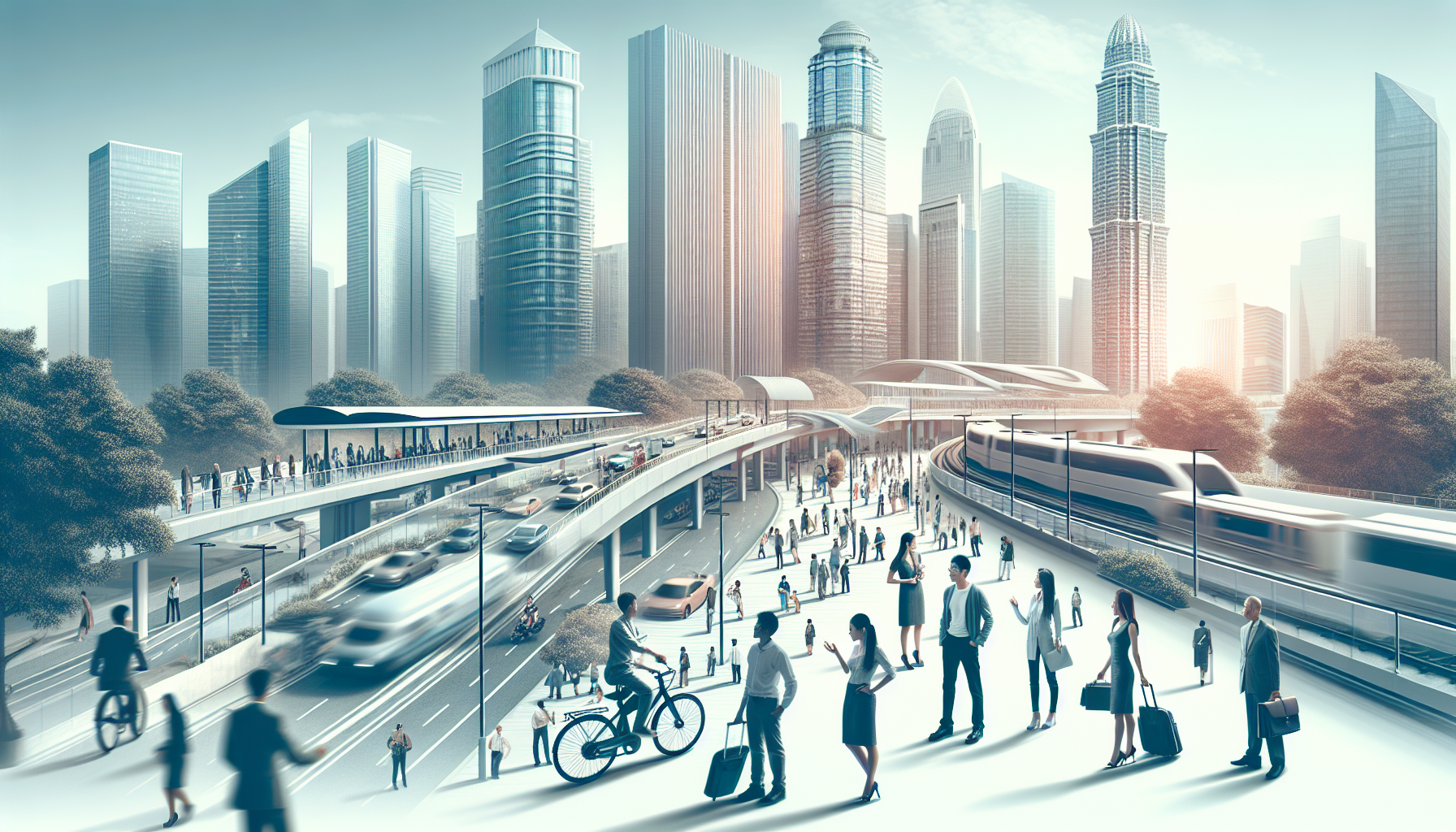
Urban mobility shapes daily life more directly than almost any other city system because it determines how people reach work, school, health care, shops, parks, and one another. In practical terms, urban mobility means the movement of people through metropolitan areas using walking, cycling, buses, trains, cars, rideshare, scooters, and every link between them. Quality of life refers to the lived experience of safety, health, time, affordability, access, comfort, and social participation. When I have worked with city transport plans, the clearest pattern has always been this: residents judge a city less by its skyline than by whether everyday trips feel predictable, safe, and reasonably priced.
This topic matters because transportation is not only about infrastructure; it is about opportunity. A reliable bus route can widen a job search. A protected bike lane can make exercise part of a routine instead of another item on a to-do list. A station with step-free access can determine whether an older adult remains independent. Poor mobility does the opposite. It can trap low-income households in transport poverty, increase stress through long commutes, worsen air pollution, raise crash risk, and reduce time for family and rest. The quality of streets, sidewalks, and transit service therefore affects public health, local commerce, equity, and even civic trust.
Urban mobility also sits at the center of fast-moving change. Cities are dealing with population growth, e-commerce deliveries, climate targets, electrification, remote and hybrid work, micromobility, and rising expectations for real-time information. Because this page serves as a hub for the broader miscellaneous branch of urban mobility and transportation, it covers the full landscape: accessibility, travel time, safety, environmental effects, economic costs, technology, and governance. The key idea is simple but important. Better mobility does not mean moving more vehicles faster. It means enabling more people to reach essential destinations safely, affordably, and with less environmental harm. Cities that understand that distinction tend to deliver a much higher quality of life.
Access, Equity, and Everyday Opportunity
The first impact of urban mobility on quality of life is access. People do not travel for the sake of travel; they travel to reach jobs, education, services, recreation, and relationships. Transport planners often describe this as accessibility rather than mere movement. Accessibility asks how easily a person can reach meaningful destinations within a reasonable time and cost. That distinction matters. A city can have wide roads and still offer poor quality of life if essential destinations are far apart, transit is infrequent, or walking is unsafe. By contrast, a compact city with good buses, connected sidewalks, and mixed land use often supports better daily living even at lower travel speeds.
Equity is central here. Low-income households typically spend a higher share of income on transport, especially where car ownership becomes a necessity. According to the International Transport Forum and OECD research, transport disadvantage often overlaps with income inequality, disability, age, and peripheral housing location. In practice, I have seen outer-neighborhood residents face ninety-minute commutes each way because affordable housing sits far from frequent transit. That time burden reduces sleep, family care, and ability to take better jobs. Reliable mobility expands opportunity by shrinking those practical barriers. It is one reason transit-oriented development, fare integration, and service frequency matter so much to quality of life.
Accessibility also includes physical inclusion. Universal design principles, step-free stations, tactile paving, audible signals, sheltered stops, level boarding, and clear wayfinding are not extras. They determine whether seniors, parents with strollers, and people with disabilities can participate fully in city life. When mobility systems are designed around the broadest range of users, overall comfort improves for everyone.
Health, Safety, and Environmental Conditions
Urban mobility affects health through crash exposure, air quality, noise, physical activity, and stress. Road traffic injuries remain a major public health issue worldwide. The World Health Organization has consistently identified road crashes as a leading cause of death, especially among younger people. In cities, safety outcomes are shaped by street design as much as by individual behavior. Lower vehicle speeds, raised crossings, protected intersections, daylighting at corners, traffic calming, and separated cycling facilities reduce conflict points and injury severity. The practical lesson is direct: a city that designs for human vulnerability improves quality of life immediately, not abstractly.
Air pollution is another major channel. Vehicle emissions contribute to nitrogen dioxide, particulate matter, and ozone formation, all linked to respiratory and cardiovascular illness. Even where fleets are becoming electric, non-exhaust emissions from tires and brakes remain relevant, and congestion still creates exposure near roads. Public transport, walking, and cycling usually reduce per-capita emissions and can lower neighborhood pollution when supported at scale. The health benefits go beyond cleaner air. Active travel integrates routine movement into daily life. A ten-minute walk to transit twice a day can add meaningful physical activity without requiring a separate workout. That is why public health professionals increasingly view transport policy as preventive health policy.
Noise deserves equal attention. Chronic exposure to traffic noise is associated with sleep disruption, reduced concentration, and stress-related impacts. Residents often describe high-quality mobility not in engineering terms but in sensory terms: quieter streets, safer crossings, cleaner air, and calmer public space. Those outcomes influence whether children can walk to school, whether older adults feel comfortable outdoors, and whether small businesses benefit from foot traffic instead of being overshadowed by hostile roads.
Time, Reliability, and the Hidden Cost of Commuting
Time is one of the clearest ways mobility shapes quality of life. Commute length matters, but reliability often matters more. People can adapt to a forty-minute trip if it is consistent. They struggle far more with a thirty-minute trip that unpredictably becomes sixty. Unreliable buses, missed transfers, traffic incidents, and inconsistent headways create mental load because every trip requires contingency planning. In transport operations, reliability metrics such as on-time performance, excess wait time, and headway adherence often reveal more about lived experience than average speed alone.
Long and uncertain travel times have measurable social effects. They reduce time for sleep, caregiving, learning, exercise, and community participation. They can also narrow labor markets because people decline jobs that are too difficult to reach. In large metropolitan regions, this becomes a structural issue. Two neighborhoods may be only fifteen kilometers apart yet function like separate worlds if transit connections are slow or indirect. Quality of life rises when people can predict arrival times accurately and complete daily chains of trips—dropping off a child, getting to work, picking up groceries, reaching a clinic—without heroic planning.
Digital tools help, but only when the underlying service is sound. Real-time passenger information, integrated trip planners, contactless payment, and demand-responsive shuttles can improve confidence and convenience. However, no app can compensate for poor frequency. Frequent service is freedom because it reduces dependence on timetables and missed-connection anxiety. That is why many leading agencies prioritize all-day frequent networks over thin coverage everywhere. When cities improve reliability, they give residents back time, and time is one of the strongest components of perceived quality of life.
Affordability, Household Budgets, and Local Economies
Mobility choices directly affect household finances. Car ownership brings fixed costs including purchase, depreciation, insurance, fuel, maintenance, parking, and registration. In many cities, these costs crowd out spending on housing, food, health care, and savings. The burden is especially severe when urban form forces households to own multiple cars simply to manage basic routines. By contrast, high-quality public transport and safe active travel can reduce mandatory transport spending. That creates a real quality-of-life gain because residents keep more disposable income and face fewer financial shocks from repairs or fuel price spikes.
At the city scale, mobility also shapes economic productivity. Congestion increases delivery times, reduces workforce reliability, and raises logistics costs. Yet adding road capacity alone rarely solves the problem for long because induced demand often fills new space. More durable gains come from balancing the system: strong transit corridors, efficient freight management, curb regulation, walkable commercial areas, and pricing that reflects scarce road and parking space. I have seen neighborhood retail improve after street redesigns that widened sidewalks and calmed traffic because footfall rose and dwell time increased, even though some drivers initially feared the opposite.
Affordability policy works best when it is targeted and integrated. Fare capping, reduced fares for low-income riders, free transfers, bike-share membership subsidies, and employer transit benefits can all improve access. The objective is not simply cheap movement. It is affordable access to opportunity. A mobility system that appears inexpensive but requires long travel times or unsafe routes is still costly in the broader quality-of-life sense.
How Different Mobility Options Influence Quality of Life
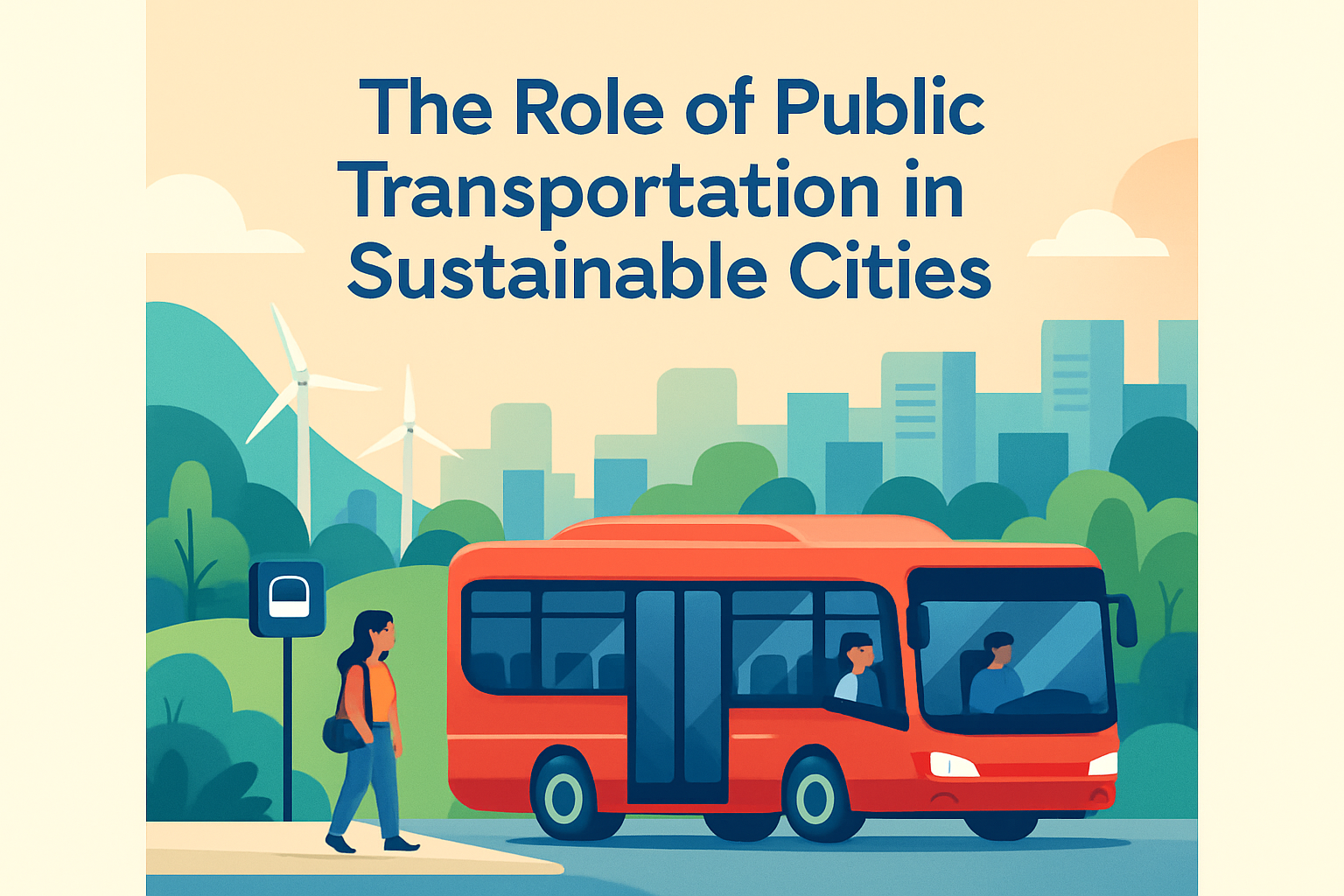
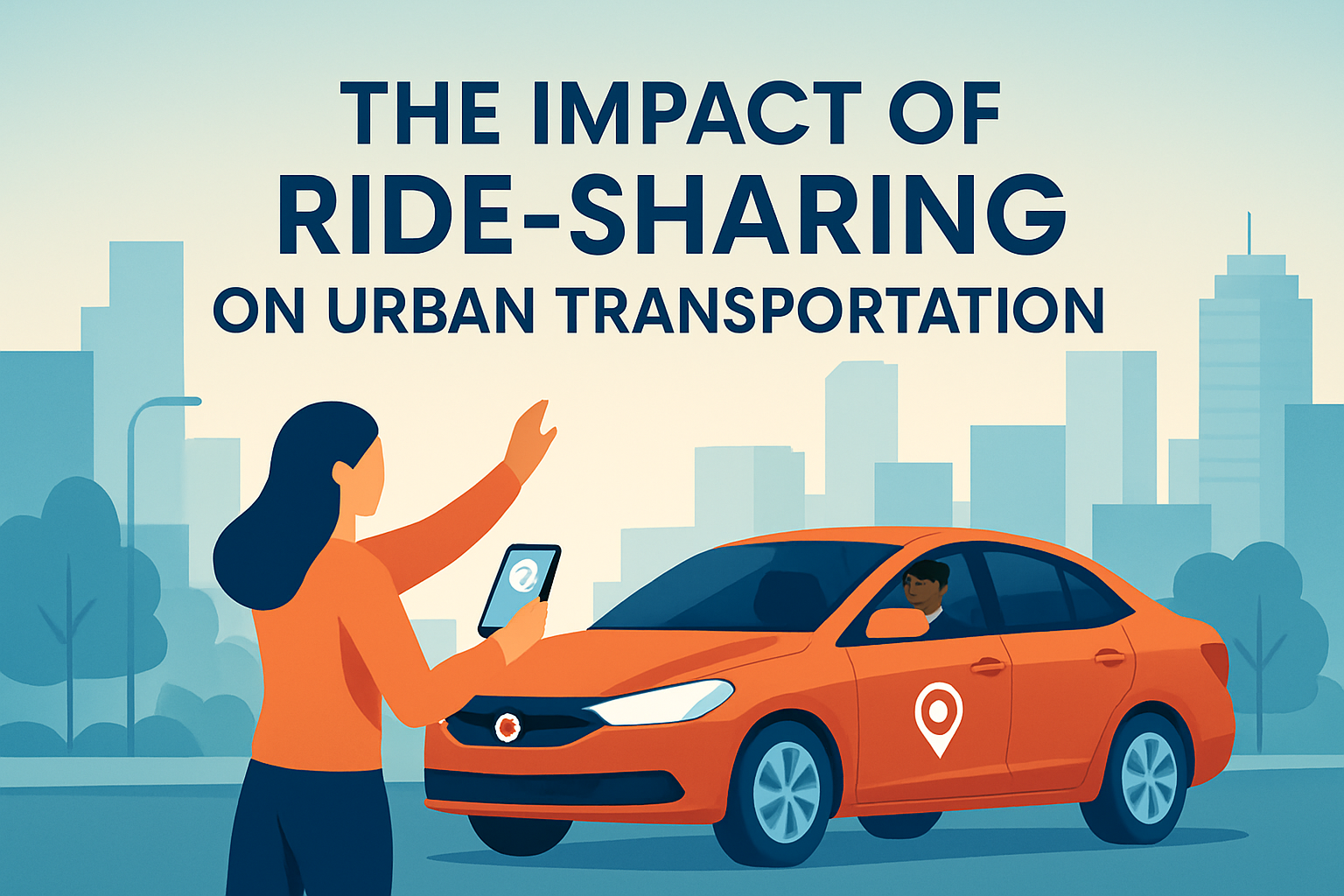
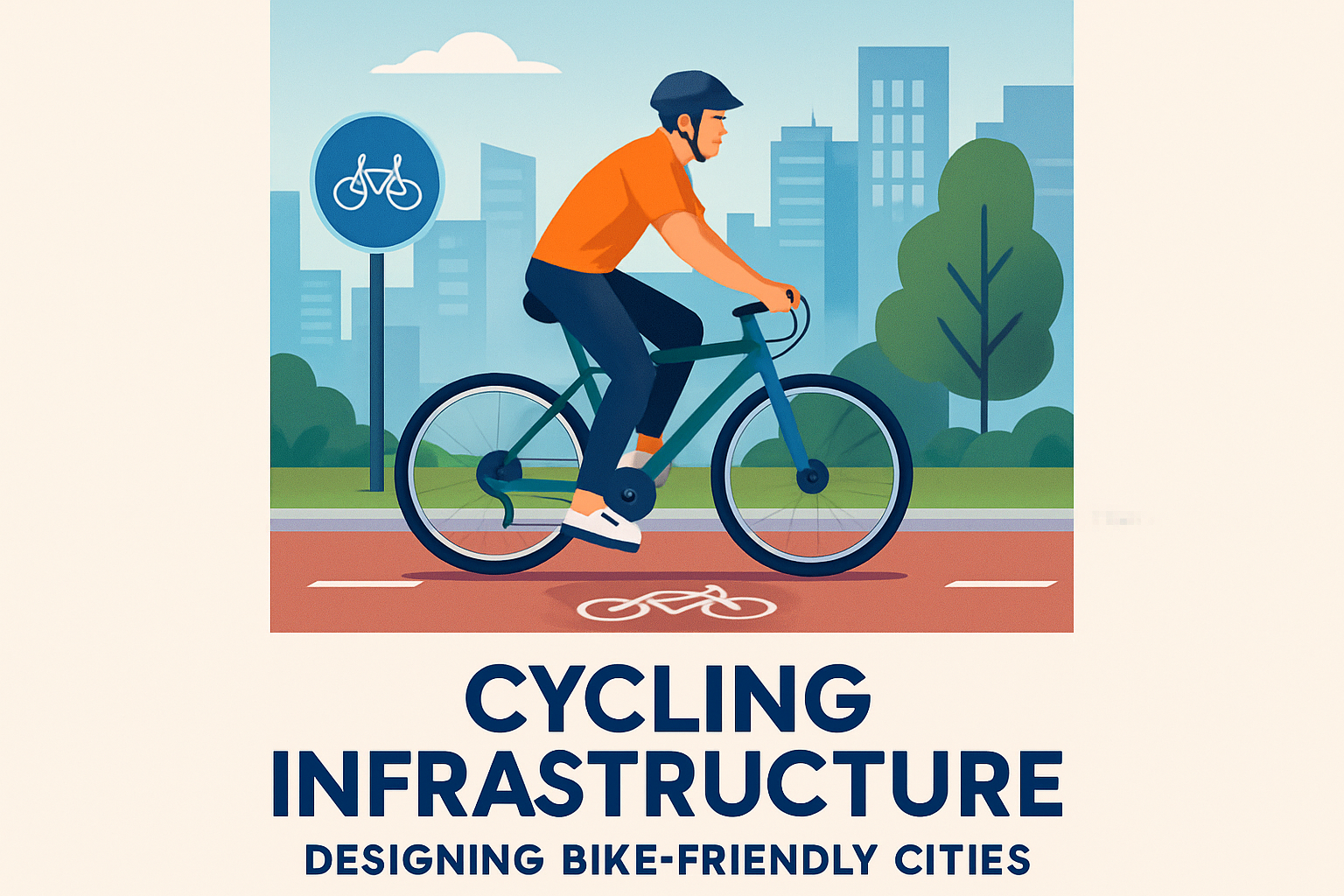
No single mode solves every urban transport problem. The best systems combine modes so people can choose what fits each trip. Walking supports short distances and creates street life. Cycling extends range with low cost and low emissions. Buses provide flexible corridor service. Rail moves large volumes efficiently on strong demand axes. Cars remain useful for certain trips, especially where transit is weak, but they consume large amounts of space and can degrade the public realm when overdominant. Shared mobility, including car-share, bike-share, and scooters, can fill first-and-last-mile gaps when governed carefully.
| Mode | Main quality-of-life benefit | Common limitation | Best urban use case |
|---|---|---|---|
| Walking | Health, low cost, social interaction | Distance and unsafe streets | Short local trips, station access |
| Cycling | Fast door-to-door travel at low cost | Safety concerns without protected lanes | Trips up to several kilometers |
| Bus | Broad coverage and affordability | Delay from mixed traffic | Frequent citywide networks |
| Rail | High capacity and reliable travel times | High capital cost | Dense corridors and regional links |
| Private car | Flexibility for complex trips | Cost, congestion, parking demand | Selective use, not universal dependence |
The quality-of-life question is therefore not whether one mode is good and another is bad. It is whether the city offers a balanced network in which the most space-efficient and inclusive modes are safe, attractive, and easy to combine. Integration is what makes the system work.
Technology, Data, and Smarter Urban Mobility Management
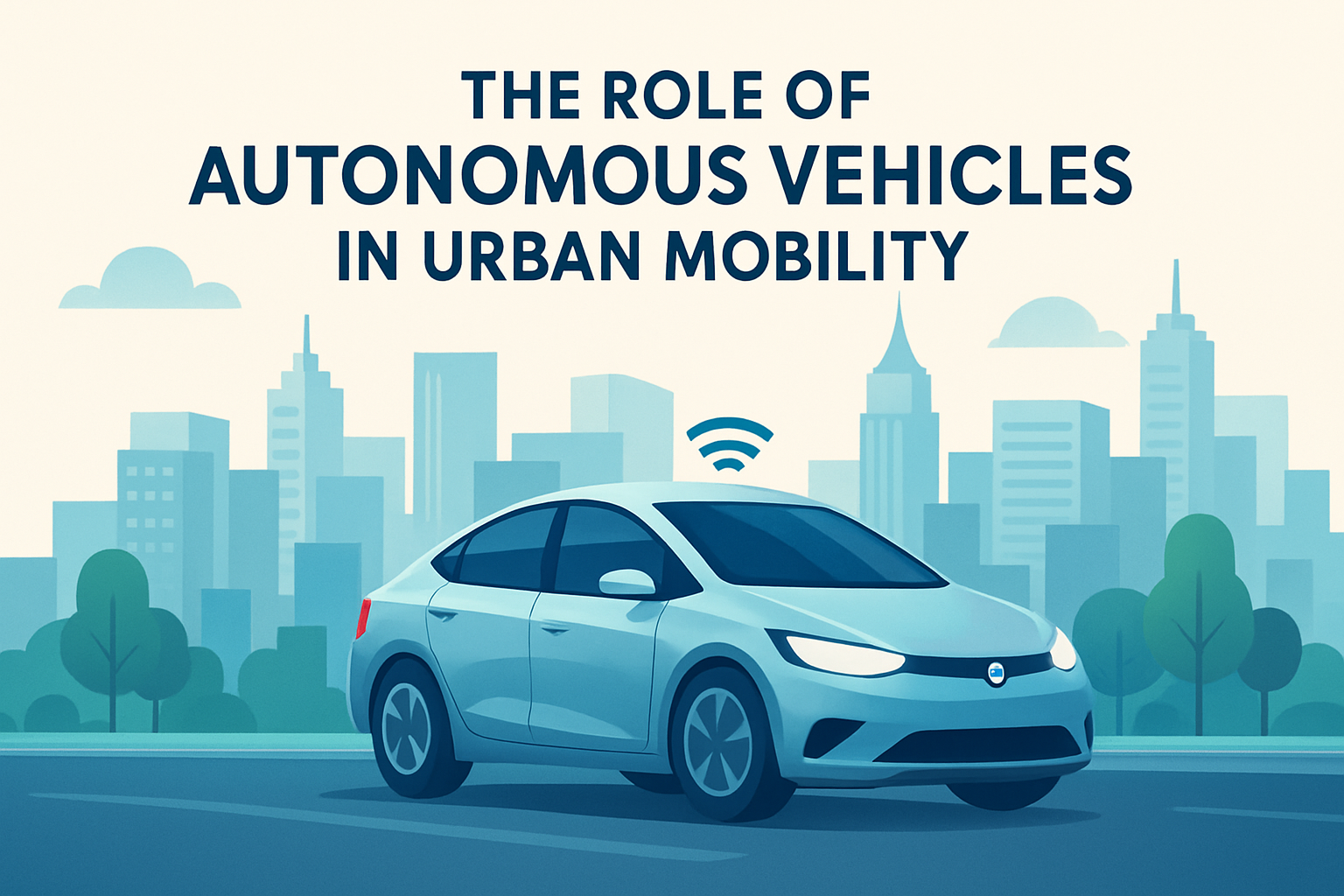
Technology can materially improve quality of life when it removes friction from travel. Open data feeds using standards such as GTFS and GTFS Realtime allow trip planners to show schedules, delays, and transfer options across agencies. Mobile ticketing and contactless bank card payments reduce queueing and simplify boarding. Adaptive traffic signal control can improve bus progression and reduce needless vehicle idling. Curb management platforms help cities allocate space for deliveries, pickups, and accessibility needs rather than letting curbside chaos undermine safety and reliability.
Still, technology is only as good as policy and maintenance. Predictive analytics can identify bus bunching, but agencies must have dispatch capacity to respond. Shared scooters can support first-and-last-mile trips, but without parking management they may obstruct sidewalks. Electric buses cut tailpipe emissions, but depot charging, grid capacity, route assignment, and workforce training determine whether service improves or suffers. The strongest urban mobility programs use data to solve practical problems, not to chase novelty.
Good metrics also change decision-making. Instead of asking only how many cars move through an intersection, better agencies track person throughput, injury rates, access to jobs within thirty or forty-five minutes, customer satisfaction, and emissions reduction. Those indicators align more closely with quality of life. They help planners see whether investments are improving lived outcomes rather than simply increasing vehicle speed. Cities that manage mobility this way tend to produce streets that work better for residents, businesses, and visitors alike.
Governance, Land Use, and What Great Cities Get Right
Urban mobility outcomes depend on governance as much as engineering. Fragmented institutions often produce fragmented journeys. One agency runs buses, another manages roads, another controls land use, and a separate authority sets parking policy. Riders experience the result as inconvenience: disconnected fares, poorly timed transfers, and development patterns that undermine transit. Stronger results usually come from coordinated planning across transport, housing, public works, and public health. Land use is especially important because density, mixed uses, and street connectivity determine whether sustainable modes are practical in the first place.
Many high-performing cities follow a few consistent principles. They prioritize safety over speed in local streets. They give frequent transit dedicated lanes where congestion would otherwise cripple reliability. They manage parking rather than treating it as an unlimited entitlement. They connect cycling networks instead of building isolated segments. They also engage communities early, because residents often know exactly where crossings feel unsafe, where bus stops lack shelter, and where curb use creates conflict. In my experience, the best projects pair technical modeling with grounded local knowledge.
Urban mobility improves quality of life when it is planned as an access system, not a vehicle system. That means measuring success by how well people can reach what they need, how safely they can do it, and how much public space remains pleasant to inhabit. For readers exploring the wider urban mobility and transportation topic, this miscellaneous hub should serve as the foundation: every subtopic—transit, micromobility, road safety, accessibility, freight, electrification, parking, and street design—ultimately comes back to one question. Does the system help people live better daily lives? Cities that answer yes are the ones worth studying and emulating. Start by assessing your own streets, commutes, and local policies, then support changes that improve access for everyone.
Frequently Asked Questions
How does urban mobility directly affect quality of life?
Urban mobility affects quality of life because it shapes how easily, safely, and affordably people move through their city every day. A well-functioning mobility system helps residents reach jobs, schools, medical care, grocery stores, parks, and social activities without excessive stress or delay. When transportation options are reliable and connected, people spend less time stuck in traffic or waiting for late buses and more time with family, work, rest, and community life. That time savings alone can significantly improve daily well-being.
Mobility also influences physical and mental health. Cities that support walking, cycling, and dependable public transit often encourage more active lifestyles, reduce pollution exposure, and lower transportation-related stress. By contrast, systems that force people to rely on long car commutes can increase sedentary behavior, frustration, and financial pressure. In this way, urban mobility is not just about transportation efficiency. It is closely tied to comfort, opportunity, safety, independence, and the overall lived experience of city life.
Why is access to multiple transportation options important in a city?
Access to multiple transportation options is important because no single mode works equally well for every person, trip, or neighborhood. A strong urban mobility network gives residents choices such as walking, biking, buses, trains, rideshare, scooters, and cars, allowing them to select the most practical option based on distance, cost, time, age, ability, and purpose. Someone commuting to work may prefer rail, while a parent taking a child to school may combine walking with a bus trip. This flexibility makes cities more functional and more inclusive.
Having several options also increases resilience. If one part of the system is delayed, overcrowded, or unavailable, people can still complete their trips using another connection. That matters for workers, students, older adults, and people with disabilities who depend on consistent access to daily destinations. Multiple options can also reduce car dependency, lower congestion, improve air quality, and make city streets safer and more human-centered. In practical terms, transportation choice gives people more control over their routines, budgets, and personal freedom, all of which contribute to a better quality of life.
What role do affordability and commute times play in urban mobility?
Affordability and commute times are two of the most important ways urban mobility influences daily well-being. Transportation can be one of the largest household expenses after housing, especially in places where residents must own and maintain a car to participate fully in city life. Fuel, insurance, parking, repairs, and vehicle payments can place a heavy burden on families. When public transit, walking, and cycling infrastructure provide practical lower-cost alternatives, residents can save money and direct more of their income toward housing, food, education, health care, and other essentials.
Commute times matter just as much because time is a core part of quality of life. Long, unpredictable trips can reduce sleep, family time, productivity, and opportunities for exercise or recreation. They can also increase stress and make it harder for people to maintain stable employment or manage caregiving responsibilities. Shorter and more reliable commutes improve daily routines, support work-life balance, and expand access to jobs and services across the city. In many cases, the true success of an urban mobility system is not simply how fast vehicles move, but how efficiently and fairly it helps people reclaim time and reduce financial strain.
Can better urban mobility improve public health and safety?
Yes, better urban mobility can have a major positive impact on both public health and safety. Cities that invest in safe sidewalks, protected bike lanes, traffic calming, well-designed intersections, and reliable transit often create environments where people can move around with less risk of injury. Safer street design helps reduce crashes involving pedestrians, cyclists, and drivers, while better lighting, visibility, and station design can improve personal security and comfort. When people feel safe using the transportation system, they are more likely to participate in work, education, exercise, and community activities.
Public health benefits are equally important. Walkable and bike-friendly neighborhoods support everyday physical activity, which can help reduce rates of chronic disease. Effective transit systems and reduced traffic congestion can also lower air pollution and noise, both of which affect respiratory health, stress levels, and overall well-being. In addition, when health care facilities are easy to reach by multiple modes, residents are more likely to attend appointments and receive preventive care. Better mobility therefore supports healthier lifestyles not only by moving people efficiently, but by shaping cleaner, safer, and more accessible urban environments.
How can cities improve urban mobility to raise overall quality of life?
Cities can improve urban mobility by focusing on connectivity, reliability, equity, and user experience rather than treating transportation as only a traffic problem. One of the most effective strategies is to build integrated networks where walking, cycling, buses, trains, and shared mobility options connect smoothly. That means safe sidewalks to transit stops, secure bike parking, coordinated schedules, simple payment systems, and stations designed for comfort and accessibility. When trips are easy to combine across different modes, people gain a practical alternative to car dependence.
City leaders also need to prioritize underserved neighborhoods, where weak transportation access can limit employment, education, and health outcomes. Investments should consider affordability, accessibility for people with disabilities, safety for all road users, and the daily realities of families, shift workers, students, and older adults. Improvements such as more frequent transit service, dedicated bus lanes, protected bike routes, traffic calming, universal design, and better maintenance can make a measurable difference. Over time, these changes support cleaner air, shorter travel times, stronger local economies, and more equal access to opportunity. Ultimately, cities raise quality of life when they design mobility systems around people’s real needs, not just the movement of vehicles.