Designing urban mobility for aging populations is no longer a niche planning issue; it is a central test of whether cities can remain livable, productive, and fair as demographics shift. In practice, this topic covers how older adults move through streets, transit systems, public spaces, and digital transport services with safety, dignity, affordability, and independence. Urban mobility includes walking, wheeling, buses, rail, paratransit, taxis, ride-hailing, micromobility, and the interfaces that connect them, from sidewalks and curb ramps to payment apps and station signage. Aging populations refers not only to people over sixty-five, but to a wide range of users experiencing reduced vision, hearing loss, slower reaction time, lower stamina, balance limitations, cognitive changes, or the need for mobility aids. I have worked on street redesign and transit access reviews where a route looked compliant on paper yet failed in real life because one broken bench, one fast signal phase, or one confusing transfer made the entire trip impossible.
The stakes are high because aging is urban, and mobility determines access to healthcare, groceries, employment, caregiving, and social life. The World Health Organization’s age-friendly cities framework and the United Nations’ healthy aging agenda both treat transportation as foundational, not secondary. In many countries, the share of residents over sixty-five is rising faster than infrastructure is adapting. At the same time, older adults are not a uniform group. A healthy seventy-year-old cyclist, an eighty-two-year-old bus rider using a cane, and a person with early dementia all need different design responses. Good urban mobility planning therefore starts with universal design, then layers targeted services where mainstream systems still leave gaps. The result benefits everyone: parents pushing strollers, travelers carrying luggage, people recovering from injury, and workers commuting during off-peak hours.
For a hub page under urban mobility and transportation, the most useful approach is broad and practical. Readers usually want answers to a few core questions: What barriers do older adults face in cities? Which design standards matter most? How should transit agencies, planners, and operators prioritize investments? What technologies help, and which ones create new exclusion? This article addresses those questions directly and connects the major themes that sit under this miscellaneous subtopic. It explains the built environment, transit operations, digital access, safety, governance, and performance measurement in plain terms, while keeping the level of detail that practitioners need when turning policy into projects.
Built Environment: Streets, Sidewalks, Crossings, and Resting Places
The first rule of mobility for aging populations is simple: if the pedestrian environment fails, the transport network fails. Most older adults begin and end every trip on foot, even when they use buses, trains, or demand-responsive services. That is why sidewalk continuity, smooth surfaces, curb ramps, shade, lighting, and seating are not beautification items; they are core mobility infrastructure. In audits I have led, the most common barrier was not the absence of a bus stop but the inaccessible path to reach it. Common defects include uneven paving, utility covers set below grade, poles placed in clear walking space, missing tactile warning strips, and crossings timed for younger walking speeds. Research and design guidance in countries including the United States, United Kingdom, Japan, and the Netherlands consistently show that slower walking speeds, reduced peripheral vision, and fear of falling shape route choice more than theoretical trip distance.
Crossings deserve special attention because they combine physical, perceptual, and operational challenges. A safer crossing for older adults usually has shorter crossing distances, median refuges, high-visibility markings, audible and vibrotactile signals, longer pedestrian clearance intervals, and turning-vehicle management. Leading pedestrian intervals can reduce conflicts with turning cars, while raised crossings and tighter corner radii slow traffic. Benches matter more than many transport models assume. A quarter-mile walk may be manageable if there are shaded resting places every one hundred to two hundred meters; without them, the same trip becomes inaccessible. Public toilets, weather protection, and readable wayfinding are equally important. These details often sit outside transit capital budgets, yet they determine whether transit is usable at all.
Public Transport That Works for Older Riders
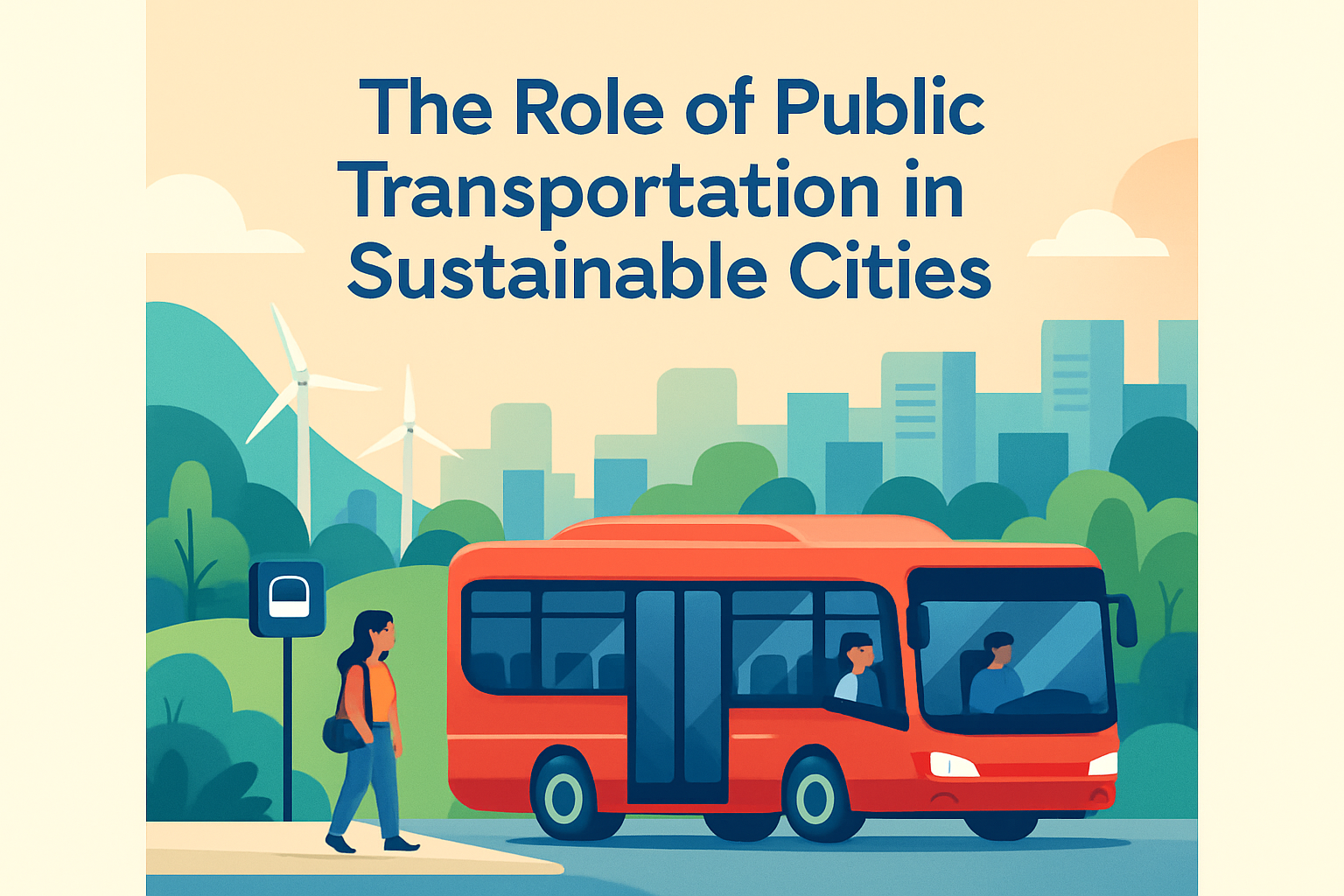
Accessible transit for aging populations requires more than low-floor vehicles. It depends on the entire journey: trip planning, stop access, boarding, fare payment, transfer quality, reliability, and the rider’s confidence that help will be available when something goes wrong. Buses remain essential because they serve dispersed destinations, but bus systems often fail older riders through stop spacing that is too wide, shelters that are too sparse, and drivers pressured to minimize dwell time. Rail can offer smoother rides and clearer permanence, yet elevators, escalators, and long transfer corridors introduce failure points. A single out-of-service elevator can effectively remove a station from the network for a person using a walker.
Service design should reflect how older adults actually travel. Their trips are often off-peak, shorter, more local, and more linked to healthcare, shopping, volunteering, and caregiving than standard commuter models assume. That means frequency all day matters as much as peak capacity. Timetables should allow realistic transfer times. Priority seating must be visible and respected. Stop announcements need both audio and visual formats. Driver training is critical: operators should wait until passengers are seated or stabilized, align close to curbs, deploy ramps without hesitation, and communicate clearly with riders who have hearing or cognitive impairments. Agencies that perform best usually combine infrastructure upgrades with operational discipline and staff training rather than relying on hardware alone.
| Mobility element | Common barrier for older adults | Effective design response | Example outcome |
|---|---|---|---|
| Sidewalks | Trips and falls from uneven surfaces | Continuous, level paths with maintenance standards | Higher walking confidence and safer access to stops |
| Intersections | Insufficient crossing time | Longer signal timing, refuge islands, audible signals | Lower pedestrian delay and fewer conflict points |
| Buses | Difficult boarding and abrupt driving | Low-floor vehicles, ramps, driver training | More independent trips and fewer boarding injuries |
| Rail stations | Elevator outages and confusing transfers | Redundant vertical access and clear wayfinding | More reliable network access |
| Digital services | App-only booking or payment | Phone, cash, smartcard, and staffed alternatives | Broader inclusion across income and ability levels |
Paratransit, Demand-Responsive Transport, and the First-Last Mile
Mainstream public transport should remain the backbone of age-friendly mobility, but it will never meet every need on its own. Some users require door-to-door or corner-to-corner service because of frailty, disability, medical equipment, or severe topographic barriers. That is where complementary paratransit and demand-responsive transport matter. The challenge is cost and reliability. Traditional paratransit can deliver essential access, yet it is expensive per trip, difficult to scale, and often constrained by advance-booking rules that reduce spontaneity. Demand-responsive pilots frequently promise flexibility, but many fail because they are launched as isolated technology projects instead of being integrated with the wider transport network.
The best approach is coordinated mobility management. Eligibility rules should be fair and simple. Booking should work by phone as well as app. Pick-up windows must be narrow enough to be humane, especially for medical trips. Vehicles need securement systems, low entry heights, and trained drivers who understand assistance boundaries. Partnerships with health providers, senior centers, and community transport organizations can reduce missed appointments and social isolation. Some cities are testing travel training programs that help older adults shift from expensive specialized transport to fixed-route services when appropriate. That transition only succeeds when the fixed-route system is genuinely accessible. Otherwise, travel training becomes a budget exercise rather than a mobility strategy.
Digital Inclusion, Ticketing, and Information Design
Digital tools can improve urban mobility for older adults, but only when analog alternatives remain available. Across cities, transport providers increasingly push journey planning, service alerts, fare payment, and customer service into smartphones. That creates efficiency for agencies, yet it also creates exclusion for riders without devices, data plans, digital confidence, or accessible interfaces. The solution is not to reject technology. It is to design digital systems around inclusive access. Every essential function should have multiple channels: app, website, telephone, vending machine, retail outlet, and staffed support. Contactless payment is convenient, but cash and reloadable smartcards still matter. Real-time information helps older riders manage uncertainty, especially at night or in bad weather, but display screens need large text, strong contrast, and plain language.
Information architecture is often overlooked. When signs use jargon, maps are overly abstract, or announcements are inconsistent, older riders pay a cognitive tax at every step. Good wayfinding follows a hierarchy. First, tell people where they are. Second, show them where to go next. Third, confirm that they are still on the correct path. Consistent iconography, color coding, landmark references, and repeated reassurance signs reduce anxiety. For riders with dementia or mild cognitive impairment, predictable layouts and fewer decision points are especially helpful. Accessibility standards such as WCAG for digital content and established transit wayfinding guidelines provide a solid baseline, but local user testing is indispensable because what appears clear in a design studio may fail in a crowded station.
Safety, Security, and the Difference Between Risk and Fear
Older adults often cite safety as the main reason they avoid certain routes or services, but planners need to distinguish between crash risk, crime risk, and fear of both. A route can have low recorded crime yet still feel unsafe because lighting is poor, sightlines are blocked, or waiting times are long. Conversely, a station can be statistically safe but inaccessible because platform gaps or slippery surfaces raise injury risk. Effective design addresses both objective and perceived safety. Traffic calming, protected crossings, lower speed limits, and maintenance reduce crash exposure. Good lighting, passive surveillance, staffed presence, and predictable service reduce fear. The point is not cosmetic reassurance; it is reducing avoidable hazards and uncertainty throughout the trip.
Emergency planning is another overlooked issue. Evacuation routes, backup power for elevators, clear announcements, and trained staff are vital for older passengers during disruptions. Heat is increasingly relevant. Older adults face higher risk during heat waves, especially on long walks to transit or at unshaded stops. Shade trees, cool shelters, drinking water access, and resilient operations are therefore mobility interventions as much as public health measures. Winter maintenance matters too. Snow or ice on sidewalks and curb ramps can erase accessibility overnight, even in cities with otherwise strong design standards. Agencies should treat maintenance as part of service quality, not a separate municipal problem.
Planning, Governance, and Measuring What Actually Improves Access
Designing urban mobility for aging populations succeeds when governance aligns street departments, transit agencies, health systems, housing providers, and community organizations around measurable outcomes. Too many plans stop at broad commitments like accessibility or inclusion without defining what better mobility looks like. Stronger metrics include the share of older residents within a safe walk of frequent transit, elevator uptime, seating availability at stops, pedestrian crossing delay, on-time performance for medical-trip windows, and customer complaints resolved within set timeframes. Accessibility mapping tools, GIS network analysis, and rider surveys can identify gaps, but field observation remains essential. I have seen corridors score well in desktop analysis while remaining unusable because curb ramps were blocked by parked scooters or because crossing buttons were mounted too far from level landings.
Meaningful engagement is also nonnegotiable. Older adults should be involved early through walk audits, intercept interviews, advisory panels, and co-design workshops held at accessible times and locations. Compensation for participation improves representation, especially for lower-income seniors and caregivers. Equity matters within the older population as much as across age groups. Women, immigrants, renters, and people aging with disabilities often face compounded barriers. Rural edge districts and outer suburbs require different strategies from dense urban cores. The common principle is this: measure accessibility as lived experience, not just engineering compliance. When cities do that consistently, investments become easier to prioritize and far more likely to deliver independence.
Urban mobility systems designed for aging populations are better systems for everyone because they remove friction from everyday travel. The essentials are clear: safe and continuous walking routes, crossings timed for real people, reliable and legible transit, inclusive digital and nondigital service channels, and complementary transport for users whose needs go beyond fixed routes. Just as important, cities must maintain what they build. A low-floor bus is not accessible if the stop lacks a curb, and an elevator does not improve rail access when outage management is weak. The most successful programs combine universal design with targeted support, then measure results through rider experience rather than assumptions.
For a miscellaneous hub within urban mobility and transportation, the main value is seeing how these pieces fit together. Streets, stations, service planning, payment systems, safety, maintenance, and governance are not separate topics in the life of an older traveler. They are one trip. If your city, agency, or organization is reviewing transport priorities, start with an older rider journey audit from front door to destination and back. That simple exercise reveals where policy language meets daily reality, and it provides the clearest roadmap for creating age-friendly mobility that lasts.
Frequently Asked Questions
Why is designing urban mobility for aging populations becoming such an important priority for cities?
Designing urban mobility for aging populations matters because demographic change is reshaping how cities function. In many places, the share of older residents is rising quickly, which means transportation systems built primarily around the needs of younger commuters are no longer sufficient. Mobility is not just about getting from one place to another; for older adults, it is closely tied to health, social connection, access to groceries and medical care, participation in civic life, and the ability to remain independent. When mobility systems are difficult to use, unsafe, or unaffordable, the consequences can include isolation, missed appointments, reduced physical activity, and earlier dependence on caregivers or institutional support.
From a planning perspective, this is also a test of whether cities can be inclusive and resilient. Older adults are not a small or uniform user group. They include people with different incomes, physical abilities, cognitive conditions, language needs, and levels of digital literacy. A city that works well for them usually works better for many others too, including children, people with disabilities, caregivers, and residents carrying bags, strollers, or medical equipment. Features such as safer crossings, better lighting, more seating, clearer signage, and reliable transit benefit broad segments of the population.
There is also a strong economic case. Cities with accessible, dependable mobility can help older adults continue contributing as workers, volunteers, consumers, and community members. Reduced crash risk, fewer falls, and better access to preventive healthcare can lower public costs over time. In short, age-friendly mobility is not a niche social service. It is core urban infrastructure that supports livability, fairness, and long-term city performance.
What are the biggest barriers older adults face when using urban transportation systems?
Older adults often encounter a combination of physical, operational, financial, and digital barriers rather than one single obstacle. Physical barriers are among the most visible. Uneven sidewalks, missing curb ramps, short crossing times, poor pavement maintenance, lack of shade, inadequate benches, and confusing station layouts can turn even short trips into stressful or unsafe experiences. For someone with reduced balance, lower vision, arthritis, or slower walking speed, a route that seems manageable on paper may be effectively unusable in practice.
Public transit can present additional challenges. High steps, crowded vehicles, sudden braking, limited priority seating enforcement, long distances between stops and destinations, and inconsistent service all affect usability. Reliability is especially important for older riders because uncertainty can discourage travel altogether. If buses are frequently late, if elevators at rail stations are out of service, or if wayfinding is unclear, many people simply avoid the system, even when it is technically available.
Affordability is another major issue. Fixed incomes can make fares, taxi trips, ride-hailing costs, and subscription-based digital services difficult to sustain. This becomes more serious when older adults reduce or stop driving and need to replace the flexibility of a private car with multiple paid services. At the same time, digitalization has introduced new barriers. Trip planning apps, QR-code ticketing, cashless payment systems, and app-based ride booking can exclude users who lack smartphones, data plans, confidence with technology, or accessible interface options.
Fear and confidence also matter. Even where infrastructure exists, concerns about falling, crime, harassment, getting lost, or being unable to get help can reduce mobility. These are real design issues, not just personal preferences. Cities that want to improve mobility for aging populations need to address the full journey experience, including comfort, predictability, legibility, and trust.
What does age-friendly urban mobility look like in practice?
In practice, age-friendly urban mobility is a system in which older adults can move safely, comfortably, affordably, and independently across the city using a range of modes. It begins with walkable public space because nearly every trip starts and ends on foot or with a mobility aid. That means continuous, level sidewalks; curb ramps aligned with crossings; longer pedestrian signal times; median refuges on wide roads; frequent benches; public toilets; good lighting; weather protection; and clear, high-contrast signage. These are not minor amenities. They are the foundation of a usable transport network.
For transit, age-friendly design includes low-floor buses, level boarding where possible, reliable elevators and escalators, clearly announced stops, readable maps, shelter at stops, and schedules that are dependable enough to support real planning. The spacing of stops and the quality of first- and last-mile connections are especially important. A rail line may be fast, but if reaching the station requires navigating unsafe intersections or long uphill walks, accessibility breaks down before the trip really begins.
An age-friendly system also offers multiple service options. Conventional buses and trains, demand-responsive transport, accessible taxis, paratransit, and community shuttles can all play a role. The key is integration. Users should be able to understand how services connect, what they cost, and how to use them without navigating a maze of separate rules and platforms. Payment systems should accommodate both digital and non-digital users, and customer support should be available in forms that do not depend entirely on apps.
Perhaps most importantly, age-friendly mobility respects dignity. It does not assume older adults are passive recipients of special assistance. Instead, it creates environments where people can travel confidently, make choices, and maintain agency. Good design reduces friction, lowers risk, and makes independence more realistic over a longer span of life.
How can cities improve transportation access for older adults without relying only on expensive megaprojects?
Cities can make major progress through targeted, incremental improvements that address everyday obstacles. Some of the most effective interventions are relatively modest in cost but high in impact. Repairing sidewalks, adding curb ramps, repainting crosswalks, extending pedestrian crossing times, improving lighting, installing benches at regular intervals, and placing shelters at bus stops can dramatically improve comfort and safety. These upgrades help older adults immediately and can often be delivered faster than large capital projects.
Operations matter just as much as infrastructure. Agencies can train drivers and frontline staff in assisting older passengers respectfully, enforce smoother driving practices, improve stop announcements, and make service information easier to read and understand. Keeping elevators, escalators, and real-time information systems in working order is often more valuable to daily users than launching entirely new technologies. Reliability, maintenance, and clear communication are essential components of accessibility.
Cities can also redesign services to fill gaps. Flexible neighborhood shuttles, feeder routes to major transit hubs, volunteer driver programs, subsidized taxi vouchers, and better coordination between healthcare providers and transport services can help older adults complete trips that traditional fixed-route transit does not serve well. Fare policies also deserve attention. Reduced fares, fare capping, off-peak discounts, and simple eligibility processes can make mobility more affordable without requiring entirely new networks.
Another practical strategy is involving older residents directly in planning and testing. Walking audits, user interviews, co-design workshops, and pilot programs can reveal specific pain points that broad planning models miss. When cities listen to how older adults actually experience streets, stations, and digital platforms, they can prioritize interventions that produce visible improvements quickly. In many cases, the barrier is not a lack of grand vision. It is a failure to fix the small but critical details that shape whether a trip feels possible.
How do digital transport services and new mobility options fit into planning for aging populations?
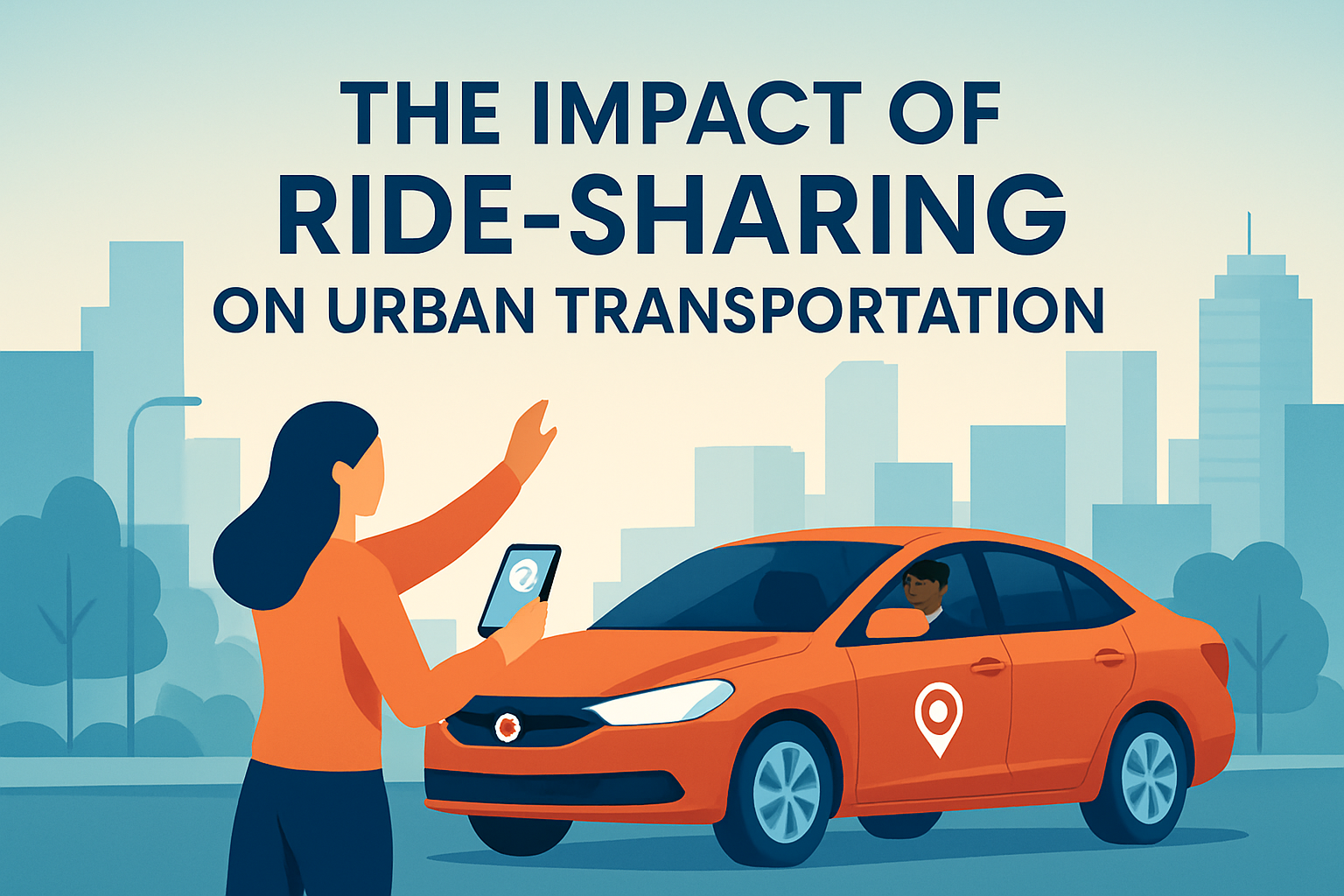
Digital transport services and emerging mobility options can be valuable, but only if they are designed and governed inclusively. Ride-hailing, on-demand shuttles, real-time trip planners, digital fare systems, and some forms of micromobility can expand travel choices, especially in areas where fixed-route transit is limited. For older adults, these services may improve flexibility, shorten wait times, or provide alternatives when walking long distances or driving is no longer practical.
However, digital convenience for some can become exclusion for others. Many systems assume users have smartphones, banking access, strong data connectivity, and confidence navigating app interfaces. Older adults may face barriers related to vision, dexterity, memory, language, or simple lack of familiarity with rapidly changing platforms. If booking, payment, customer support, and service updates exist only online, cities risk deepening inequality rather than improving access.
The solution is not to reject digital tools but to build parallel pathways and stronger standards. Services should offer phone-based booking, accessible interface design, transparent pricing, live customer support, and payment options beyond app-linked credit cards. Pickup and drop-off locations must be safe and easy to reach, with attention to curb management, lighting, weather protection, and minimal walking distances. If micromobility is part of the system, cities need to manage parking and street clutter carefully so devices do not obstruct sidewalks and create tripping hazards.
Planning should also evaluate whether new mobility services complement or compete with public transit. For aging populations, the goal is not novelty. It is dependable access. Digital services are most useful when they are integrated into a broader age-friendly mobility ecosystem that includes walkable streets, accessible transit, non-digital options, and strong public oversight. Technology should reduce complexity, not add to it, and it should expand independence without making essential travel contingent on digital fluency.