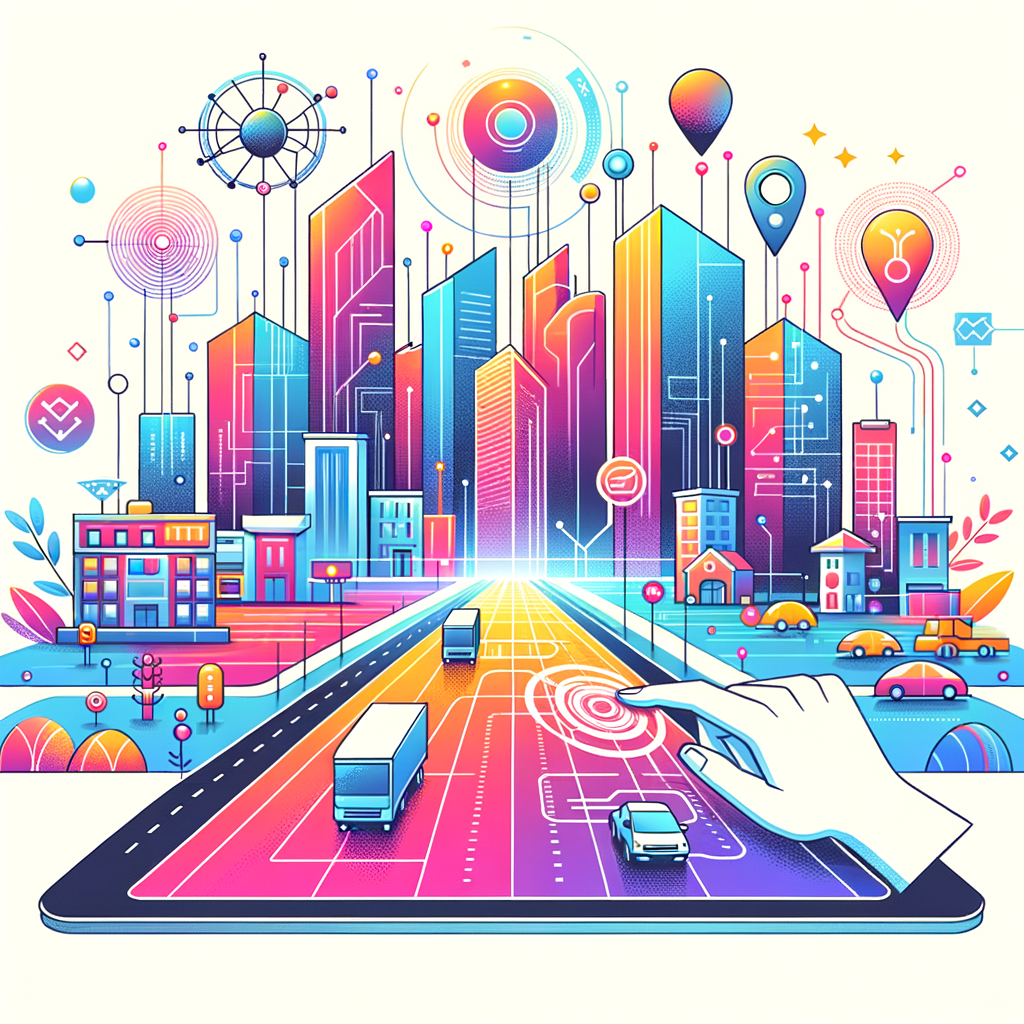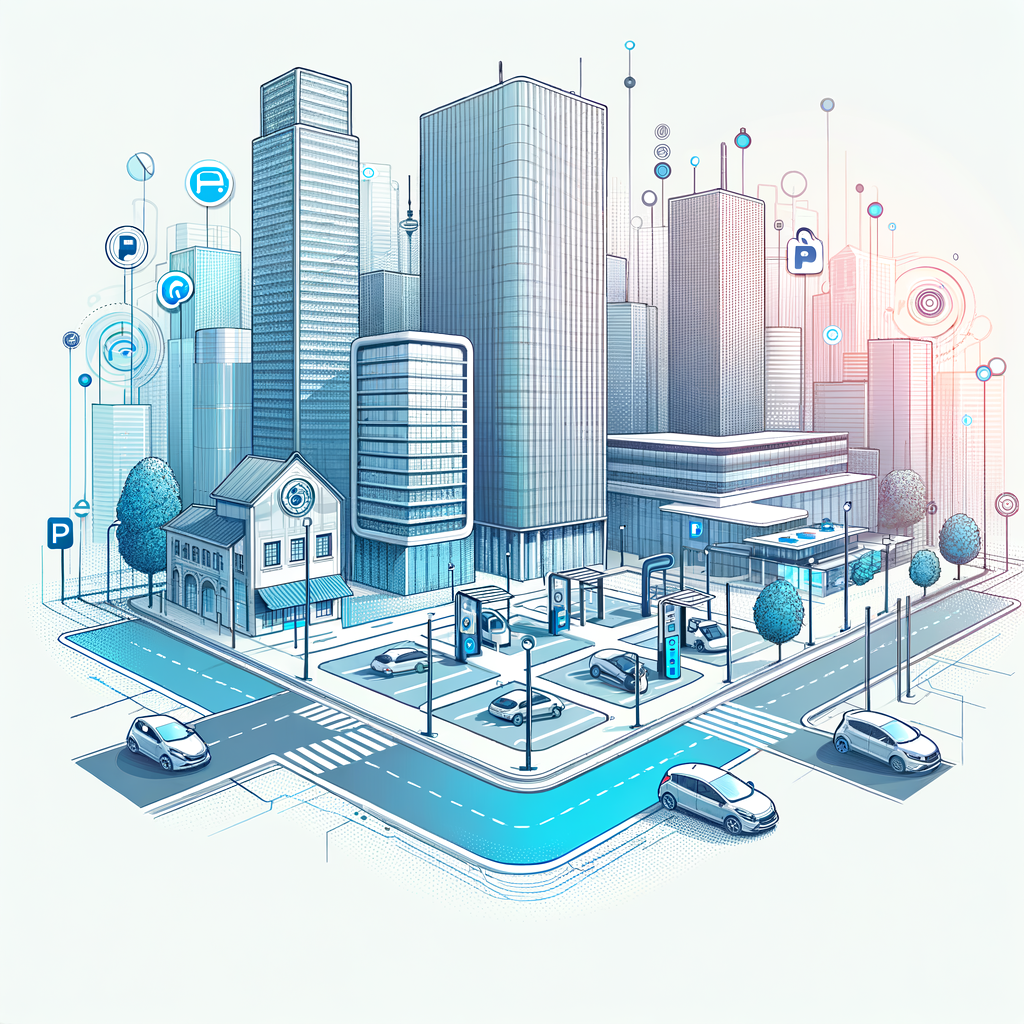
Urbanization continues to rise globally, presenting new challenges and opportunities for urban planners and city administrators. Among these challenges, efficient transportation management stands as a critical issue requiring innovative solutions. One such innovation is the development and implementation of smart parking systems. These systems integrate technology to streamline parking in urban areas, aiming to alleviate traffic congestion, reduce carbon emissions, and improve overall urban living standards. As cities grow denser, finding a parking spot becomes an increasingly daunting task for drivers, thus accentuating the need for smart solutions. The adoption of smart parking systems employs technologies like sensors, mobile applications, and data analytics to efficiently manage parking spaces. These systems help optimize parking space utilization and offer real-time information to drivers. This not only enhances user experience but also contributes to smoother traffic flow and decreases the environmental impact associated with endless searching for parking spots. With the urban population projected to grow, the role of smart parking technologies in evolving urban landscapes is more critical today than ever.
Traditionally, parking management has relied on manual processes and physical infrastructure, often inadequate to meet the demands of modern cities. These conventional methods are resource-intensive and frequently inefficient, leading to congestion, pollution, and frustrated drivers. In contrast, smart parking systems promise a more sophisticated approach by leveraging technological advancements to improve urban parking dynamics. The integration of sensors, real-time data processing, mobile technology, and internet-based solutions allows cities to manage their parking resources more effectively. Beyond this, smart parking systems can generate valuable data, offering insights into parking patterns, peak usage times, and consumer behavior, facilitating better city planning and infrastructure development. As cities grapple with the myriad challenges associated with rapid urbanization, smart parking solutions emerge as a pivotal element of the intelligent city model, offering both immediate benefits and long-term improvements to urban life.
Advancements in Smart Parking Technologies
The foundation of smart parking systems rests on advanced technologies tailored to address parking inefficiencies. One of the key technologies is the Internet of Things (IoT), which plays a vital role in transforming traditional parking systems into intelligent ones. IoT enables the connection of various components of the parking ecosystem such as sensors, parking meters, and lights, facilitating seamless communication and data transfer between these entities. This interconnected network provides accurate, real-time information about parking availability to both drivers and city authorities. Additionally, IoT devices help in reducing overhead costs by automating several aspects of parking operations, thereby enabling smarter urban planning and resource management.
Similarly, sensors are integral to smart parking systems as they are responsible for collecting data on the occupancy status of parking spots. By deploying sensors in parking lots or on individual parking spaces, cities can acquire accurate data regarding space availability, reducing the time motorists spend searching for parking. These sensors can detect when a vehicle enters or exits a parking spot and relay this information to a centralized system, which analyzes the data and updates availability in real-time. This integration not only aids in reducing traffic congestion but also assists in optimizing space usage, directing drivers to the nearest available spots. Thus, user experience improves substantially while decreasing vehicle emissions due to reduced idling and cruising for parking.
Another component of smart parking systems is the use of mobile applications. These applications connect the collected data to end-users, typically motorists, in an intuitive and user-friendly format. Through an app, drivers can receive real-time updates about parking spot availability, reserve spaces in advance, and even pay parking fees through their smartphones. This technology minimizes human errors, streamlines the parking process, and enhances convenience for users by significantly curbing the time spent on locating and paying for parking spaces. The incorporation of mobile payment options eliminates the need for cash transactions and manual barriers, thus reducing queues and expediting the parking process.
Moreover, data analytics provides an undercurrent for smart parking functionalities. By accumulating data on parking habits, peak usage times, and popular locations, city planners and administrators can gain valuable insights into urban mobility patterns. These insights are crucial for developing long-term strategies to accommodate growing populations and enhanced traffic systems. Machine learning algorithms can also be applied to parking data to predict future demand and optimize resource allocation, reducing operational costs and enhancing the efficiency of urban transport systems further.
Lastly, several cities are incorporating honed artificial intelligence techniques within their smart parking architectures. AI enables the systems to not only offer prescriptive analytics but also propose actionable insights for future parking enhancements. Moreover, AI-driven imaging systems can recognize number plates automatically, further streamlining both entry and exit processes in parking facilities. As such, recognizing AI’s potential in augmenting smart parking solutions is crucial for future urban mobility solutions.
Benefits of Smart Parking Systems
Implementing smart parking systems in urban areas offers several distinct advantages that improve both individual user experiences and broader logistical efficiency. For drivers, these systems provide accurate information regarding available parking spaces, significantly reducing the frustration and time associated with searching for parking. This decrease in idling and cruising directly contributes to lower fuel consumption and operational costs for vehicle owners, thus offering an economical advantage.
Environmental benefits also arise from the reduced emissions attributed to more efficient parking. As drivers spend less time on roads hunting for spaces, there is a direct reduction in vehicular emissions, contributing positively to urban air quality. Furthermore, smart parking systems often integrate with electric vehicle (EV) charging stations, promoting the use of EVs and supporting sustainable urban mobility initiatives. With parking spaces equipped with charging capabilities, the adoption of electric vehicles can accelerate, further decreasing urban carbon footprints.
On a city-level perspective, smart parking solutions ease traffic congestion by guiding vehicles to available spaces, thus improving road utilisation and commuter flow, especially during peak hours. These benefits extend to improved safety, as less congested roads lead to a diminished likelihood of accidents and vehicular disputes over parking spaces. Consequently, urban planners can focus on enhancing other aspects of city infrastructure, leading to more comprehensive urban development.
From an economic standpoint, smart parking systems provide cities with substantial revenue-generation opportunities. By effectively managing parking spaces and usage through dynamic pricing models, cities can maximize financial returns without expanding physical infrastructure. These systems also reduce administrative costs by streamlining parking operations, leading to budget optimizations in municipal expenses. With advanced data analytics, cities can forecast revenue streams better and make informed decisions regarding parking policy formulation.
Additionally, smart parking systems are crucial in creating a transparent and effective enforcement mechanism. Through automation, the likelihood of parking violations decreases significantly, while cities can enhance compliance through real-time monitoring and data collection. Automated enforcement reduces labor costs associated with manual patrolling and ticket issuance, allowing municipalities to maintain parking order more efficiently.
Challenges in Implementing Smart Parking Systems
Despite the array of advantages, several challenges impact the wide-scale implementation of smart parking systems in urban areas. One primary challenge is the significant initial cost of installing the infrastructure needed for intelligent systems. Investments in IoT devices, sensors, cameras, and robust data processing systems can deter budget-constrained municipalities from adopting these technologies. However, these initial expenditures must be seen in conjunction with long-term benefits and cost savings achieved through reduced congestion and lower emissions.
Privacy and data security also pose considerable challenges. As smart parking systems rely heavily on data collection and analysis, there arises a concern over user privacy and the potential misuse of personal information. Safeguarding against data breaches and ensuring strict compliance with data protection regulations is imperative. Cities must build trust with their residents by maintaining transparency around data usage and implementing comprehensive security measures to mitigate potential concerns.
Interoperability is another issue, as urban spaces feature diverse networks of hardware and software systems that need to communicate effectively. Cities often struggle with integrating smart parking technologies with existing systems such as transportation, traffic management, and public safety protocols. Interconnectivity requires open standards and collaboration among technology providers, municipalities, and stakeholders, promoting seamless integration and functionality on a city-wide level.
Moreover, residents’ acceptance and adaptability to new parking infrastructures play a significant role in their success. Urban populations may resist changing existing habits and adapting to new technologies, hindering adoption rates. Cities must invest in effective communication and education programs to foster understanding, emphasizing the long-term benefits of smart parking systems for communities. Ensuring these technologies are user-friendly and tested with real-world scenarios before roll-out can also drive adoption.
Conclusion
As urban areas continue to grow, smart parking systems will play an increasingly pivotal role in shaping the future of urban mobility. They offer substantial benefits ranging from reducing traffic congestion and supporting environmental sustainability to providing economic advantages for cities and individuals alike. The transition toward intelligent parking solutions aligns with the broader movement toward smart cities, leveraging technology to enhance quality of life and promote sustainable urban development.
However, effectively implementing these systems necessitates overcoming challenges such as initial costs, ensuring interoperability, safeguarding privacy, and achieving public acceptance. Cities must strategize to fund these innovative systems while ensuring compliance with data standards and building user trust. Collaboration between technology providers, government bodies, and local communities is essential to scale these systems successfully and adapt to evolving urban needs.
Looking ahead, integrating smart parking systems into a holistic urban planning framework promises transformative impacts. By embracing intelligent parking technologies, cities can navigate the complexities of urban expansion and traffic management, enhancing not just urban mobility but catalyzing broader sustainable development initiatives. These systems illustrate how targeted technological upgrades can significantly impact urban life, underscoring the vital importance of continued innovation in city planning and operations.
Ultimately, the role of smart parking systems extends beyond managing parking spaces; they are integral components of the modern urban landscape, defining tomorrow’s smart cities. By recognizing the potential of these systems and investing accordingly, urban areas can unlock unprecedented efficiency, sustainability, and quality of life improvements for residents today and into the future.