In the last decade, the concept of smart buildings has gained significant momentum and has increasingly become a central topic in discussions about sustainable urban development and technological innovation in infrastructure. As urban centers continue to grow, the demand for more sustainable and efficient living and working spaces rises sharply, driving the evolution of smart buildings. But what exactly constitutes a smart building, and what factors are poised to influence their future? Essentially, a smart building utilizes automated processes to control its operations, including heating, ventilation, air conditioning, lighting, security, and other crucial systems. The primary aim is to enhance the building’s efficiency and to ensure resource conservation, which ultimately leads to a healthier and more comfortable environment for its occupants.
The notion of smart buildings is not all that new; in fact, early versions have been around since the latter half of the 20th century. However, what sets current smart building technologies apart is their advanced use of data analytics, machine learning, and the Internet of Things (IoT). These technologies work together to create self-regulating systems capable of fine-tuning their own settings for optimal performance. As such, smart buildings are fast becoming an integral part of modern cities, significantly affecting their design, construction, and operation. Moreover, given the growing concerns related to climate change and urban sustainability, the potential and importance of smart buildings have never been more significant. This article will delve into the key trends and technologies shaping the future of smart buildings, focusing on aspects such as energy efficiency, AI, and IoT integration, all while considering current real-world applications and future prospects.
Body Sections
The Role of Artificial Intelligence in Smart Buildings
Artificial Intelligence (AI) is a pivotal component in the development of smart buildings, offering enhancements in energy management, security, and overall operational efficiency. Machine learning algorithms are capable of analyzing data trends to optimize resource use. For instance, AI can predict energy consumption patterns and adjust lighting and HVAC systems accordingly, thereby saving energy and minimizing operational costs. In terms of security, AI-driven systems can offer real-time monitoring and response capabilities far superior to traditional systems. These systems can analyze video feeds to detect unusual activities or potential security threats, notifying authorities instantly. Furthermore, AI is expected to advance in personalization: by learning the preferences of building occupants, these systems can adjust environments to suit individual needs, therefore enhancing comfort and productivity.
Internet of Things (IoT) Integration
The integration of IoT devices is another transformative trend driving the evolution of smart buildings. IoT allows various systems and devices within a building to communicate with each other, providing a comprehensive data network that enhances operational efficiency. Through IoT, buildings can automate operations such as lighting, heating, and security by connecting numerous devices to a centralized system. Subsequently, building managers can monitor, control, and optimize building settings with unprecedented ease. IoT also feeds into predictive maintenance practices, where data from hundreds of sensors help to predict equipment failures before they happen. This not only prevents costly downtime but also extends the lifespan of essential building systems.
Energy Efficiency and Sustainability
Energy efficiency remains one of the critical drivers in the development of smart buildings. With global energy consumption concerns continually on the rise, smart buildings offer innovative solutions to reduce carbon footprints significantly. These buildings harness renewable energy sources, such as solar or wind power, while employing technologies like AI and IoT to optimize energy usage continually. Smart grids and meters enable real-time energy monitoring, allowing adjustments that prevent wastage. Moreover, building materials technology continues to advance, with new materials offering superior insulation and sustainability. Green roofs, advanced HVAC systems, and high-performance windows are just a few examples of how smart buildings are designed to minimize energy needs and promote conservation, aligning with global sustainability goals.
Digital Twin Technology
Digital twin technology, which creates a virtual replica of a physical asset, is reshaping how smart buildings are designed, built, and maintained. This technology enables real-time monitoring and tracking of building performance, providing an invaluable resource for facilities management. By simulating various scenarios and their outcomes, digital twins can help in enhancing design, testing management strategies, and planning preventative maintenance. This level of foresight optimizes building operations and reduces resource expenditure. Notably, digital twins contribute to enhanced safety by allowing risk assessments and scenario planning, significantly improving emergency preparedness and response. In essence, the application of digital twin technology in smart buildings is poised to enhance efficiencies across several operational aspects considerably.
Integration of Renewable Energy Solutions
The integration of renewable energy solutions is crucial for the development of sustainable smart buildings. Technologies such as photovoltaic panels, wind turbines, and geothermal systems are becoming increasingly integrated into the architecture of these buildings. These solutions not only provide a more stable and lower-cost energy supply but also align with eco-friendly initiatives, crucial for meeting regulatory compliance and community expectations. Furthermore, advancements in energy storage technologies such as high-capacity batteries facilitate the efficient capture and use of this renewable energy, underscoring a shift towards more self-sufficient building environments.
Personalization and User Experience
Another trend shaping the future of smart buildings is the emphasis on personalization, aimed at enhancing the user experience. Advanced sensors and AI technologies enable smart buildings to learn from the behavior and preferences of their occupants, allowing them to offer tailored solutions. Personalized climate control, lighting, and even automated services based on individual needs can lead to superior comfort and exceed conventional experiences. As more businesses emphasize employee well-being as a core strategy for productivity, these tailored environments will be highly sought after. Beyond mere convenience, this improved user experience also plays a substantial role in increasing property value and desirability.
Data Privacy and Security Issues
Although the shift towards smart buildings comes with numerous benefits, it also brings to light significant data privacy and security concerns. With countless devices relying on internet connectivity and data exchange, the potential for cybersecurity threats increases exponentially. In the years ahead, investments in advanced security protocols and the development of robust cybersecurity frameworks will be critical to protecting sensitive data. Encrypting data transmissions, employing blockchain technologies, and regularly updating systems will become standard practices to mitigate cybersecurity risks. Also crucial is enhancing awareness among users and encouraging them to adopt best security practices to protect both personal and corporate information.
The Rise of Smart Cities
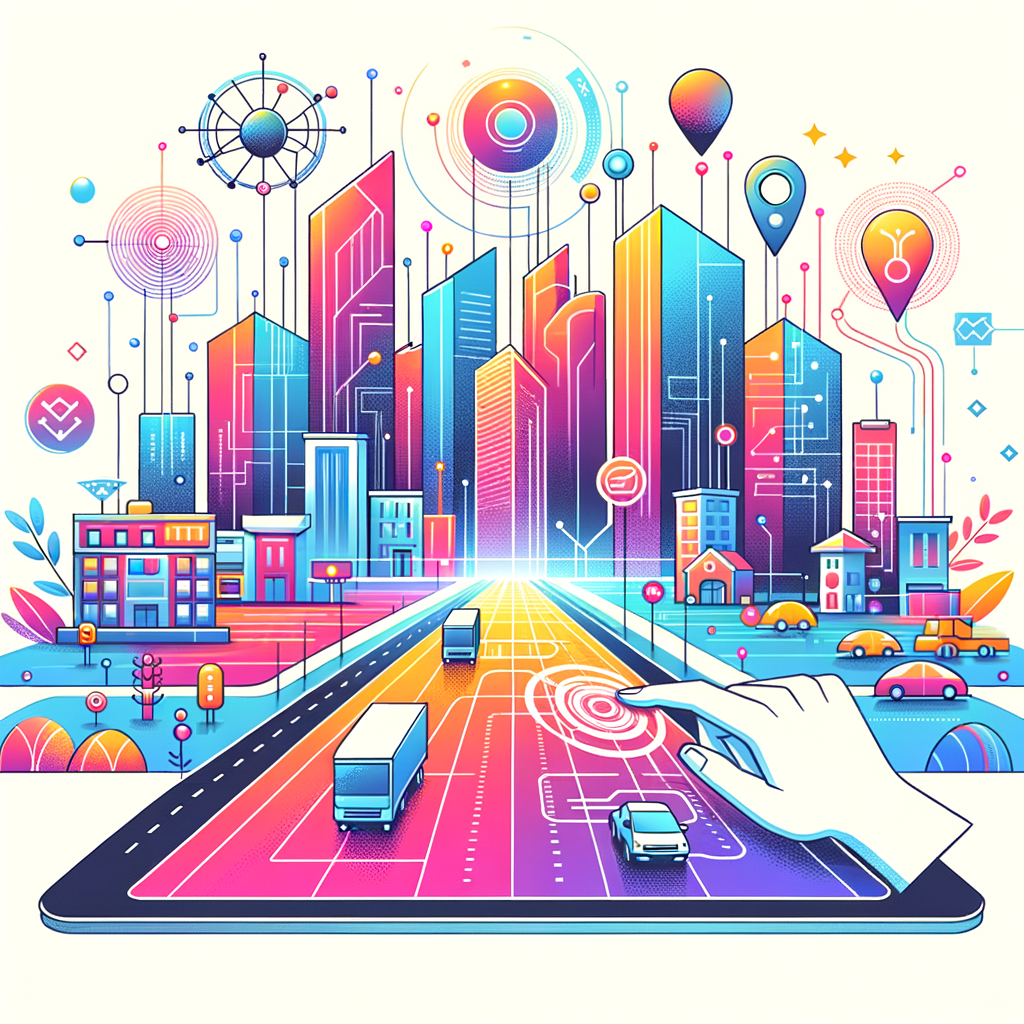
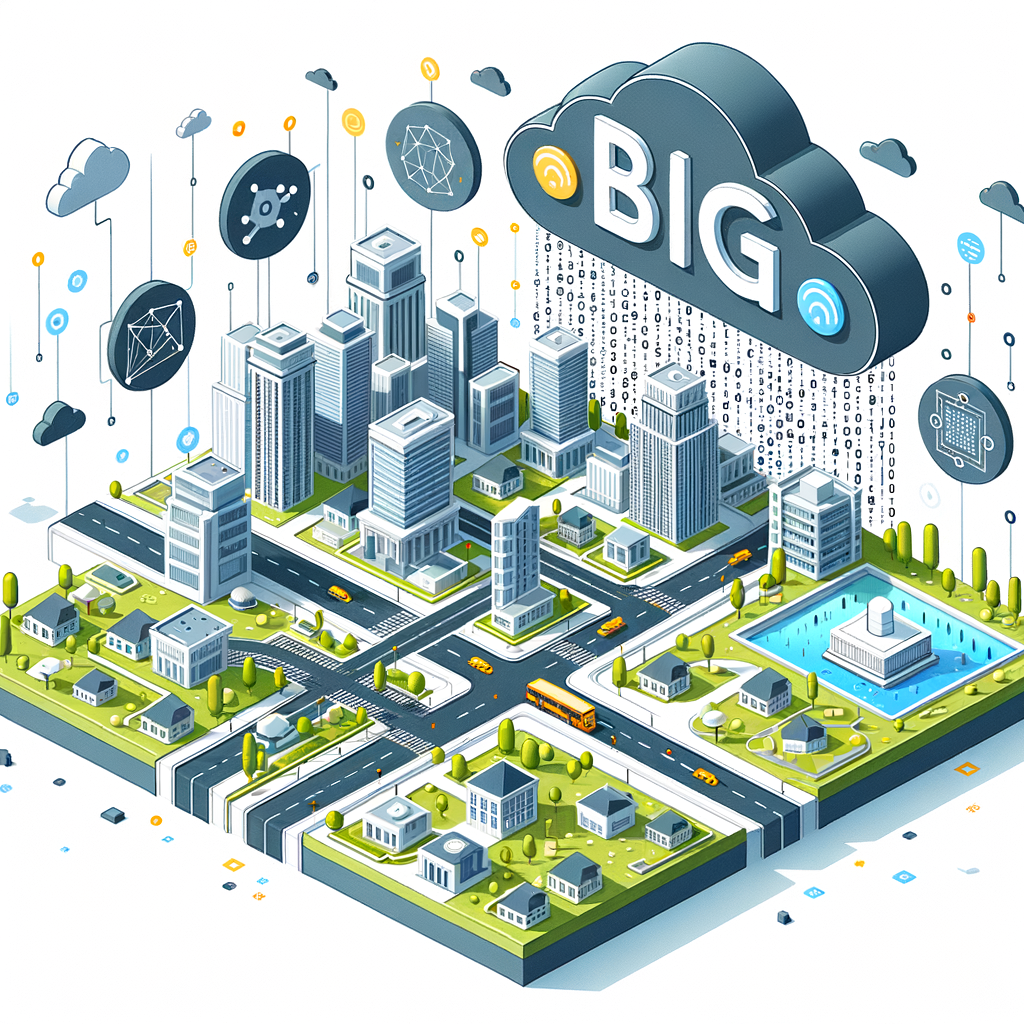
The notion of smart buildings is intricately linked to that of smart cities—urban areas that use various electronic methods and sensors to collect data, which is then leveraged to manage resources and services efficiently. Smart buildings act as integral components of smart cities by promoting sustainability, efficiency, and quality of life. Infrastructure across the globe is evolving to accommodate the growing number of smart buildings, creating seamless networks that facilitate shared energy resources, emergency response initiatives, and urban planning efforts. As technology progresses, the synergy between smart buildings and smart cities is likely to amplify the reach and impact of sustainable urban transformation.
Conclusion
The journey of smart buildings from conceptual frameworks to practical, tangible solutions reflects a significant trend in how we approach urban living and working environments. As urban populations expand, the need for smarter, more resource-efficient buildings becomes critical. The increasing integration of AI, IoT, and renewable energy sources is fundamentally changing the architecture and operational strategies of modern buildings, leading to spaces that are more adaptable, responsive, and environmentally friendly. Furthermore, the impending fusion of cutting-edge technologies like digital twins presents an exciting opportunity for continued improvements in building management and user experience.
As more cities begin to embrace smart technologies, the synergy between smart buildings and smart cities paves the way for a sustainable, efficient, and comfortable urban future. However, addressing challenges such as data privacy and security remains paramount to these advances, ensuring that the progression towards more intelligent environments does not compromise personal information. As technology evolves, and pressure mounts to meet climate and sustainability targets, the trajectory of smart buildings is set for robust growth. Real-world applications continue to demonstrate the value of investing in these technologies, underscoring their role in crafting a future that aligns with our modern expectations and ecological responsibilities.