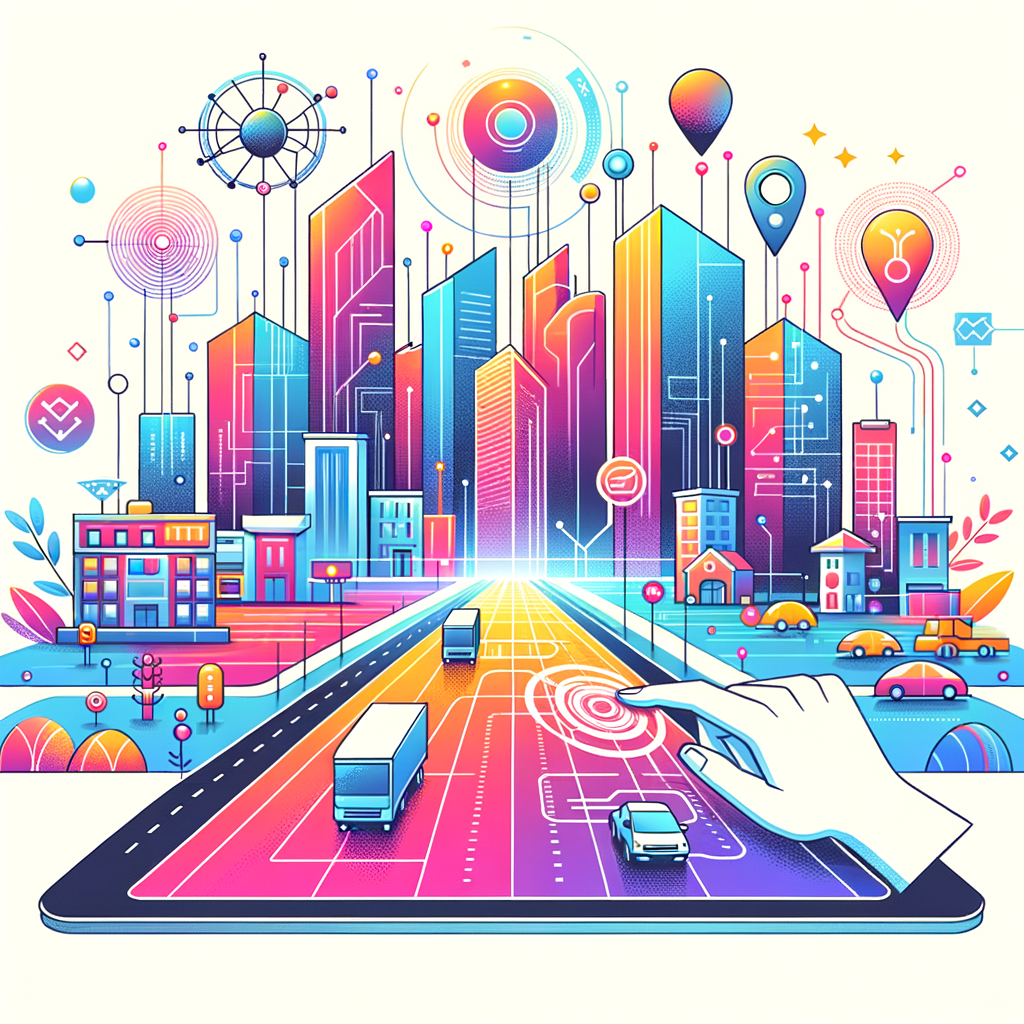
Smart cities have emerged as a revolutionary concept in urban planning and development, integrating advanced technologies to create a more efficient, sustainable, and connected environment. In the era of digital transformation, these cities focus on leveraging the Internet of Things (IoT), big data, and artificial intelligence (AI) to optimize urban services, infrastructure, and utilities. However, one of the most significant aspects of smart cities is their emphasis on enhancing citizen engagement. By employing interactive platforms, real-time data sharing, and participatory governance models, smart cities aim to foster an inclusive and responsive community culture. This approach empowers citizens, allowing them to participate actively in decision-making processes, ultimately leading to improved public trust and satisfaction. In this article, we will explore how smart cities are transforming the landscape of citizen engagement, discussing various strategies and technologies utilized to promote active participation. Additionally, we will examine the challenges and opportunities that arise as urban centers evolve into smart cities.
Digital Platforms and Applications
The digital backbone of smart cities comprises a range of platforms and applications designed to facilitate direct communication between citizens and city officials. Government websites, mobile apps, and social media channels are pivotal tools that enable citizens to access information, report issues, and provide feedback on municipal services. For instance, many cities offer mobile applications where residents can submit service requests, such as reporting potholes, broken streetlights, or sanitation concerns. By streamlining these processes, smart cities ensure that citizens’ voices are heard and addressed promptly, thus boosting civic engagement and accountability.
Beyond service requests, digital platforms also include participatory budgeting tools, allowing residents to engage in financial decision-making processes. By prioritizing projects that reflect the community’s needs and preferences, these tools support a democratic approach to urban planning, encouraging citizens to take an active role in shaping their city’s future. Such platforms are instrumental in building a more transparent government, fostering trust, and encouraging continuous dialogue between stakeholders.
Real-Time Data Sharing
Real-time data sharing is a cornerstone of smart city initiatives, as it promotes transparency and enhances citizen engagement. Through IoT devices, sensors, and data analytics, cities gather extensive information on various urban aspects, such as traffic patterns, air quality, and energy consumption. This data is made accessible to the public via open data portals, enabling citizens to stay informed about the conditions of their environment and make conscious decisions accordingly.
For example, real-time traffic and public transportation data allow residents to plan their commutes more efficiently, while environmental data can guide them in adopting sustainable practices. Moreover, businesses and researchers utilize this data to develop innovative solutions that address urban challenges, fostering a collaborative ecosystem among citizens, government, and private sectors. By equipping individuals with information, smart cities empower them to contribute proactively to their communities, aligning personal actions with collective goals.
Participatory Governance Models
Participatory governance models represent a paradigm shift in traditional city management, prioritizing citizen input and collaboration. Through digital platforms, public forums, and workshops, smart cities engage residents in policy discussions and long-term urban planning initiatives. This approach facilitates a multi-stakeholder dialogue where diverse perspectives are considered, leading to more comprehensive and representative decision-making processes.
One common method of participatory governance is the establishment of citizen advisory boards, where representatives from various neighborhoods and interest groups convene to provide feedback and recommendations on city policies. These boards serve as a bridge between the government and its constituents, ensuring that local interests are considered in urban development strategies.
Additionally, town hall meetings and online surveys are utilized to gather citizen insights on specific issues or projects. These forums allow city officials to directly address resident concerns and foster a sense of community ownership over municipal initiatives. By incorporating citizen viewpoints in policy formulation, smart cities create a more inclusive and adaptive urban environment that resonates with the populace’s needs.
Public Wi-Fi and Digital Inclusion
The provision of public Wi-Fi is a crucial component in fostering digital inclusion within smart cities. Access to free and reliable internet connectivity enables all citizens, regardless of socioeconomic status, to participate in the digital economy and engage with digital governance platforms. By bridging the digital divide, smart cities ensure that no resident is left behind in the transition to a technologically advanced urban landscape.
Public Wi-Fi networks enhance citizen engagement by facilitating access to educational resources, job opportunities, and e-governance services. In addition, they enable residents to connect with community networks and participate in online discussions about local issues. Cities can harness the power of connectivity to promote civic education and digital literacy, equipping individuals with the skills needed to navigate and contribute to digital platforms effectively. The expansion of public Wi-Fi services underscores a commitment to equitable access and participation within smart cities, strengthening community bonds and fostering an informed citizenry.
Community Engagement and Social Cohesion
Smart cities prioritize community engagement and social cohesion as fundamental elements of their development strategies. By fostering collaborative initiatives and strengthening neighborhood networks, cities enhance social resilience and create vibrant public spaces. Community engagement practices such as urban gardening projects, park revitalizations, and cultural events encourage residents to connect and collaborate on improving their urban environment.
Technology plays a pivotal role in amplifying community-based initiatives, with digital platforms serving as organizational tools for community groups and local organizations. By providing a space for discussions, event planning, and resource sharing, these platforms support grassroots efforts and foster a sense of belonging among residents. Moreover, apps that facilitate localized social networks enable neighbors to share resources, communicate about community safety, and organize social gatherings, further enhancing community ties.
As smart cities continue to evolve, they must cultivate social cohesion through inclusive policies and practices. By addressing social challenges and promoting diversity, innovation, and collaboration, these cities create environments where every citizen feels valued and connected, contributing to the overall success of the urban ecosystem.
Conclusion
Smart cities represent a transformative approach to urban living, focusing on the integration of technology to enhance citizen engagement and create more responsive, sustainable communities. Through digital platforms, real-time data sharing, participatory governance, public Wi-Fi, and community engagement initiatives, smart cities empower citizens to influence municipal decision-making, ultimately leading to more effective and inclusive urban management. These initiatives not only improve the quality of life for residents but also foster trust, transparency, and collaboration among stakeholders.
As we navigate the complexities of modern urbanization, smart cities offer a pathway to sustainable development and social inclusion, underscoring the importance of citizen engagement in shaping the future of our urban landscapes. By prioritizing the voices and needs of their residents, smart cities embody a vision of progress that is both technologically advanced and socially conscious. In this new era of urban innovation, the active participation of citizens emerges as a cornerstone of thriving, adaptable cities where every individual plays a role in steering the course of their community’s growth and development.