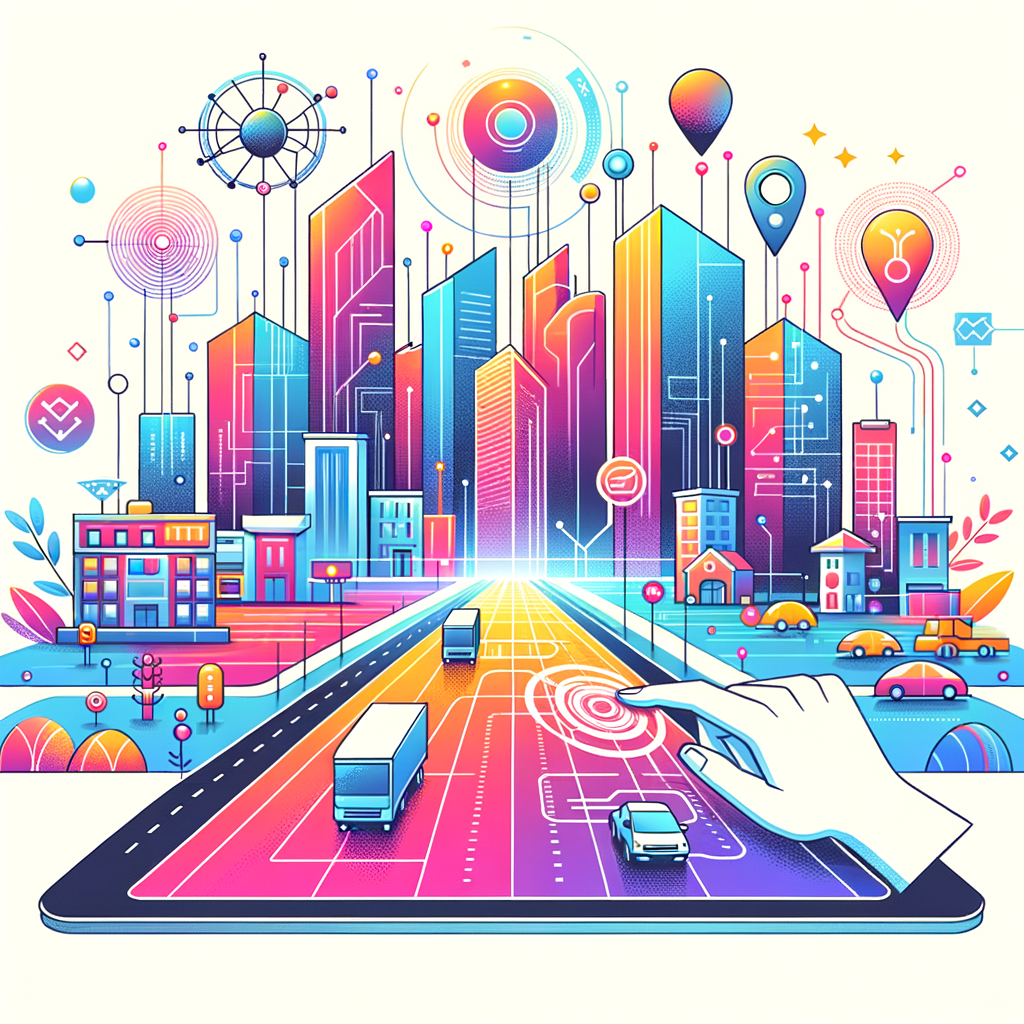
The advent of autonomous vehicles (AVs) heralds a transformative era in urban mobility. As technology accelerates towards a future where self-driving cars, trucks, and public transportation systems dominate the roads, the implications for cities and their inhabitants are profound. The introduction of AVs promises enhanced safety, reduced traffic congestion, and a decreased environmental footprint. However, these changes also present significant challenges, including shifts in the job market and the need for new policies and infrastructure. In this article, we delve into the multifaceted impact of autonomous vehicles on urban mobility, considering the potential benefits and hurdles associated with this technological revolution.
Autonomous vehicles operate by utilizing advanced systems like radar, cameras, and artificial intelligence to navigate without human intervention. While these technologies are still under rigorous development, they are expected to reshape how individuals and goods move within urban settings. Their ability to reduce human error, which accounts for a majority of accidents on roads today, suggests a substantial potential for improved safety. Furthermore, the rise of AVs is poised to transform urban landscapes, necessitating adaptations in city planning and infrastructure. In this analysis, we explore the diverse consequences AVs may have on city dynamics, urban planning, and the environment, thereby shedding light on the essential preparations needed for their integration into everyday life.
Safety and Efficiency Improvements
Autonomous vehicles promise significant improvements in road safety, standing out as one of their most compelling benefits. Human error is responsible for approximately 94% of road accidents, according to the National Highway Traffic Safety Administration. By eliminating the influence of human error, AVs could drastically reduce accident rates. Their ability to monitor surroundings with greater precision than human drivers allows for faster reaction times and more informed decision-making, potentially saving thousands of lives annually.
Furthermore, AVs are expected to enhance road efficiency and reduce congestion. By communicating with each other and traffic systems, autonomous vehicles can optimize their routes, resulting in smoother traffic flow. This improved efficiency could lead to decreased travel times and increased productivity. With less stop-and-go traffic, fuel consumption is also likely to decline, benefiting both commuters and the environment.
Environmental Impact
Another critical area where autonomous vehicles could make an impact is the environment. AVs offer the potential to mitigate urban air pollution by operating more efficiently than traditional vehicles. Through optimized driving patterns and traffic management, they can reduce unnecessary idling and fuel consumption. Additionally, many AVs are anticipated to be electric, contributing further to emission reductions.
The mass adoption of electric AVs could accelerate the phasing out of fossil-fuel-powered vehicles. This shift would play a significant role in cities’ efforts to meet climate goals and promote sustainable practices. As autonomous technology evolves, integrating renewable energy sources into transportation networks becomes more feasible, mitigating the broader environmental impacts of urban mobility.
Redefining Urban Infrastructure
The integration of autonomous vehicles into urban environments necessitates substantial changes to current infrastructure. Roads, traffic signals, and parking facilities must evolve to accommodate AVs effectively. Smart infrastructure equipped with sensors and V2I (vehicle-to-infrastructure) communication capabilities will be crucial to ensure seamless AV operation. This transition represents a substantial investment for cities but is essential for maximizing AV benefits.
With AVs potentially reducing the need for extensive parking areas, cities may reclaim space currently dedicated to parking lots and structures. This reclaimed space could be repurposed for green spaces, pedestrian zones, or new developments, contributing to more livable urban environments. Urban planning will need to adapt to these changes, focusing on creating environments that accommodate AVs while enhancing the quality of life for residents.
Economic Implications and Job Market
The introduction of autonomous vehicles will undoubtedly impact the job market, particularly in roles related to driving and vehicle maintenance. While AVs are expected to create new opportunities in technology development, data analysis, and cybersecurity, there is a potential for displacement in industries reliant on human drivers, such as trucking and taxi services. The challenge for policymakers and society will be to manage this transition, ensuring that workers have access to retraining programs and new employment opportunities.
Beyond employment, AVs may significantly influence urban economies by reducing costs associated with traffic congestion and accidents. Improved traffic efficiency can decrease the economic impact of lost productivity due to time spent in traffic. Additionally, lower accident rates result in reduced healthcare costs and insurance premiums, providing financial relief to both individuals and public systems.
Social and Behavioral Changes
The adoption of autonomous vehicles is poised to alter societal behaviors and how individuals interact with transportation systems. As AVs provide convenient and potentially cheaper alternatives to private car ownership, a shift towards shared transportation models and ridesharing services could occur. This trend could help reduce the number of vehicles on the road and foster a culture of shared mobility, aligning with sustainable urban development goals.
Moreover, AVs could enhance accessibility for populations currently underserved by traditional transportation systems, such as the elderly and disabled. By providing safe, reliable, and flexible transportation options, autonomous vehicles can facilitate greater independence and community engagement for these groups. However, ensuring equitable access to AV services will be crucial, requiring attention to pricing structures and service availability.
Challenges and Regulatory Frameworks
Despite the many anticipated benefits of autonomous vehicles, several challenges must be addressed to ensure their successful integration into urban environments. Legal and regulatory frameworks must evolve to accommodate AV technology while protecting public safety. This process involves updating traffic laws, setting new standards for vehicle testing, and developing liability regulations to address accidents involving AVs.
Privacy and cybersecurity are also significant concerns. As AVs rely on extensive data collection and communication, protecting this data from breaches is critical. Developing robust cybersecurity measures and ensuring privacy protection will be key to gaining public trust and fostering widespread AV adoption.
Conclusion
Autonomous vehicles have the potential to revolutionize urban mobility by enhancing safety, reducing congestion, and decreasing environmental impact. As cities prepare for the integration of AVs, they must navigate a complex web of implications, from infrastructure changes and economic shifts to social modifications and regulatory challenges. This transformative change presents a unique opportunity to redefine urban environments, promoting more sustainable, efficient, and accessible transportation systems.
The road to AV integration will require collaborative efforts from governments, industry leaders, and communities to address the diverse challenges and opportunities presented by this technology. As these stakeholders work together, the promise of autonomous vehicles can be realized, reshaping urban landscapes and improving the quality of life for urban residents.
As we stand on the brink of this automotive revolution, the journey toward integration will be as significant as the destination. By proactively planning and adapting to the changes autonomous vehicles bring, cities can take the lead in creating smarter, more connected urban ecosystems where technology enhances mobility and improves the human experience.