In urban landscapes around the world, cities are continually evolving. The extent and manner of this evolution often hinge on political power. By political power, we refer to the influence exerted by government entities, political leaders, and institutions to implement policies and decisions affecting urban environments. Understanding how political power shapes cities is crucial as it directly impacts their economic growth, cultural development, social equity, and ecological sustainability. As we delve into this article, we will uncover how the distribution and execution of power influence the physical and social fabrics of urban spaces, fostering some areas’ growth while stalling others. This exploration is pivotal for stakeholders, including urban planners, policymakers, and citizens, to navigate and influence the trajectory of our living environments.
Urban Planning and Political Power
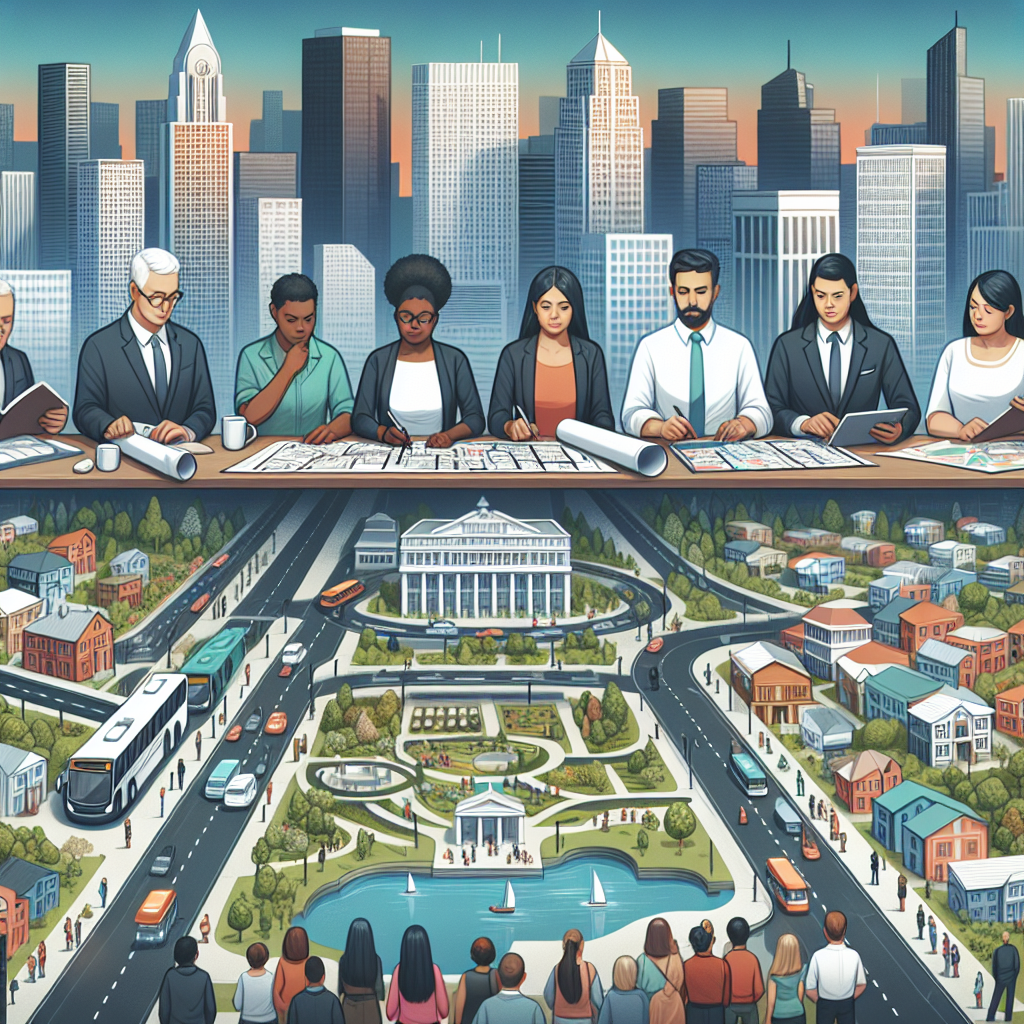
The blueprint of a city is often defined by urban planning, a field deeply intertwined with political power. Urban planning determines how space within cities is used, including residential areas, commercial zones, green spaces, and infrastructure. The allocation and zoning decisions are profoundly influenced by political agendas and decisions. For instance, in Beijing, China’s political decisions prioritize the development of infrastructure to support its growing population and economic ambitions. The central government’s influence in urban planning is unmistakable, from massive road networks to widespread public transportation systems. The focus on infrastructure development has driven growth and elevated Beijing to a global city status.
Infrastructure Development and Investment
Political power plays an instrumental role in determining the scale and direction of infrastructure development within cities. Infrastructure comprises various components such as transportation systems, utilities, and communication networks that are pivotal for city functioning. Governments allocate funding and prioritize projects based on political considerations, which impacts how cities evolve over time.
A clear example of this is found in São Paulo, Brazil, where political decisions have heavily influenced the transport infrastructure. Due to political initiatives, São Paulo has developed an extensive subway system, addressing transportation challenges inherent in such a densely populated urban area. The political prioritization of such projects allows for enhanced connectivity within the city, combating congestion issues and promoting more efficient movement of people and goods.
Social Equity and Housing Policies
Political power significantly affects social equity, particularly through housing policies. These policies determine the availability, quality, and affordability of housing options, directly influencing residents’ quality of life. Politically induced housing policies can either bridge or widen the gap between different socio-economic groups.
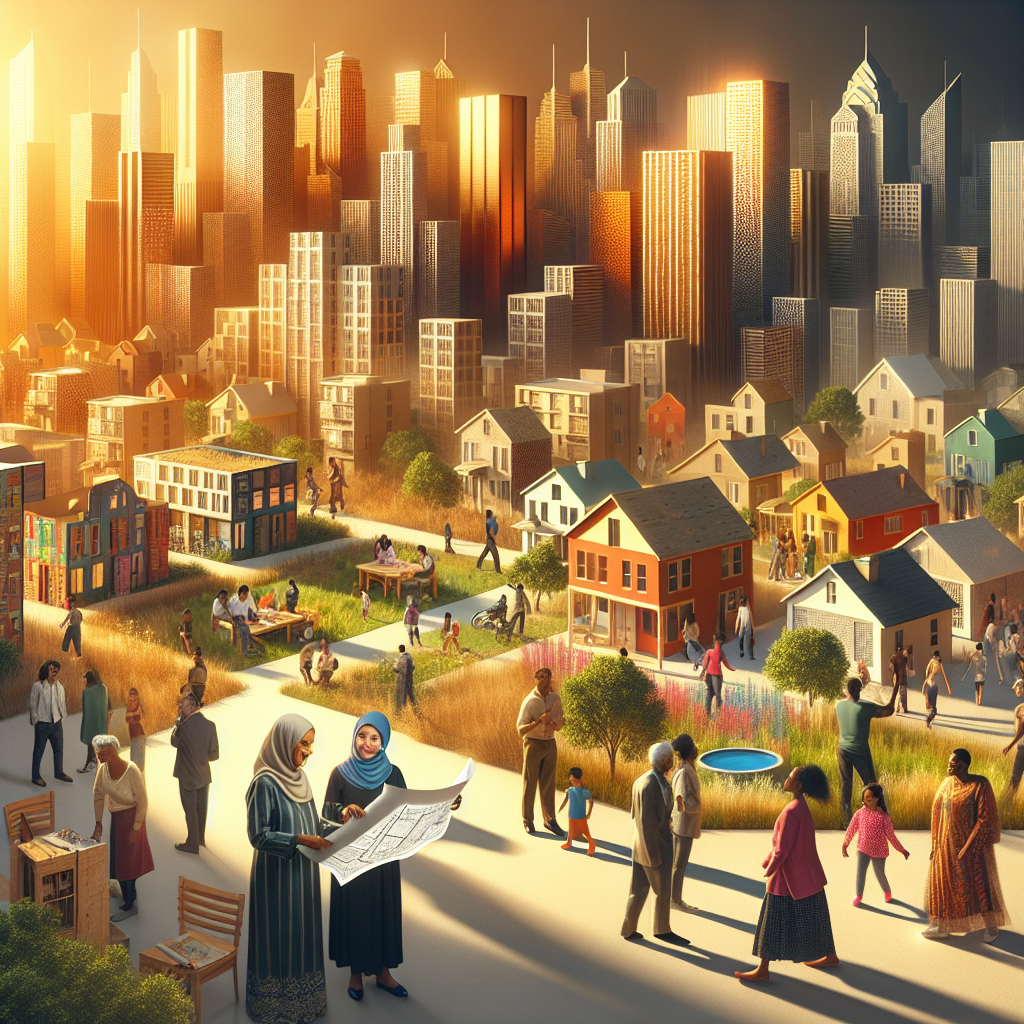
In Berlin, Germany, the political influence is evident in its rent control policies aimed at maintaining affordable housing. The political leadership has historically supported rent regulation to ensure that housing remains accessible to diverse income groups. This political decision has made Berlin a model of inclusive urban living, countering gentrification and its associated social inequalities.
Economic Growth and Political Strategy
The economic vitality of a city often reflects its political strategy. Political power can steer economic growth by fostering business environments that attract investment and talent. Strategic political initiatives can significantly bolster economic development by incentivizing specific industries.
| City | Political Strategy | Economic Outcome |
|---|---|---|
| San Francisco | Tech Industry Incentives | Silicon Valley Hub |
| London | Financial Deregulation | Global Financial Center |
| Dubai | Free Trade Zones | Global Business Hub |
San Francisco exemplifies how political power can optimize economic growth by providing incentives for the tech industry. Political decisions to create a favorable environment for technology businesses have positioned the city as a global leader in innovation and technology, culminating in the renowned Silicon Valley. This strategic political foresight has solidified San Francisco’s status as a crucial node in the global economy.
Cultural Development and Political Influence
The cultural landscape of a city is another area where political power wields considerable influence. Political leaders often shape cultural development through policies that promote or regulate cultural initiatives, events, and investments. These political actions can either foster cultural diversity or lead to a homogenized urban cultural experience.
In Paris, France, the city’s government has consistently supported cultural institutions such as museums, theaters, and public art installations. Political investment in culture has allowed Paris to maintain its reputation as a global cultural capital. The emphasis on preserving historical architecture and investing in contemporary art spaces exemplifies how political decisions contribute to enriching the city’s cultural fabric.
Environmental Sustainability and Regulatory Influence
Political power is a critical player in advancing environmental sustainability within cities. Governments formulate environmental regulations, aiming to create sustainable urban environments that reduce ecological footprints. The political will to enforce and evolve environmental policies can drastically shape a city’s sustainability profile.
For example, in Copenhagen, Denmark, political mandates have focused on achieving carbon neutrality through innovative policies. Copenhagen’s government has prioritized bicycle infrastructure, green building codes, and renewable energy use, transforming the city into a leader in sustainability. Political commitment to these policies ensures that Copenhagen continues to advance toward exemplary environmental goals.
Conclusion: The Influence of Political Power on Urban Futures
Political power undeniably plays a pivotal role in shaping cities in multifaceted ways. From urban planning and infrastructure development to economic growth, cultural evolution, and environmental sustainability, political influence permeates every aspect of urban living. The examples of Beijing’s transport networks, Berlin’s housing policies, San Francisco’s tech-driven economy, Paris’s cultural investments, and Copenhagen’s environmental strides clearly demonstrate political power’s impact on cities. Recognizing and understanding this influence empowers urban stakeholders to advocate for policies that promote balanced, equitable, and sustainable urban development.
For individuals and communities aiming to impact their cities positively, engaging with political processes and decisions is a crucial next step. Whether through activism, dialogue, or participation in local governance, the public has the power to influence urban policies that reflect broader communal needs and aspirations. Let’s use this awareness to shape cities that resonate with the values of equity, sustainability, and inclusivity, ensuring urban environments that thrive for generations to come.
Frequently Asked Questions
1. How do politics influence the economic growth of cities?
Political power plays a pivotal role in shaping the economic landscape of cities. Essentially, government policies, decisions, and actions directly affect local economies. For instance, policies that promote business-friendly environments, such as tax incentives or subsidies for certain industries, can attract businesses and increase employment opportunities. Political leaders also influence urban development through infrastructure investments, which can boost economic activity by improving transportation networks and public services. Additionally, governments may implement regulatory frameworks that either encourage entrepreneurship and innovation or, conversely, impose burdensome restrictions that stymie economic growth. Therefore, political decisions critically shape the economic vibrancy and opportunities within a city, determining how public resources are allocated and which sectors are prioritized for development. In sum, political power serves as a driver that can either propel or hinder the economic prosperity of urban areas.
2. In what ways does political power affect cultural development in cities?
The cultural fabric of a city is often woven with threads of political influence. Political leaders and institutions make decisions that can foster or limit cultural expression and development. For example, funding for cultural events, museums, and arts programs often comes from government budgets. When policies prioritize cultural investments, cities may see a rich tapestry of diverse artistic expressions and cultural celebrations that enhance residents’ quality of life and attract tourists. Conversely, political agendas can also suppress certain cultural practices or prioritize one cultural narrative over others, leading to a lack of diversity and cultural homogenization. Political power also shapes cultural development through zoning laws and urban planning, which can create spaces where cultural activities are encouraged, such as performance venues and public art installations. In essence, the political landscape of a city can significantly influence the cultural opportunities available to its inhabitants and shape the cultural identity of the city itself.
3. How do political decisions impact social equity within urban areas?
Social equity in cities is deeply affected by political decisions. Political power can exacerbate or mitigate social inequalities through policy choices and resource allocation. For example, decisions regarding affordable housing policies, minimum wage laws, and access to healthcare and education are all products of political will. Policies aimed at reducing inequality can lead to more inclusive cities where residents, regardless of their socio-economic background, have equal opportunities to thrive. Conversely, political decisions may favor certain groups over others, perpetuating existing disparities. Additionally, urban planning and zoning laws can either integrate diverse communities or lead to segregation, affecting residents’ access to amenities and quality services. Political leaders have the capacity to address these issues by enacting policies that promote inclusivity and ensure that all residents benefit from a city’s growth and development. Ultimately, the pursuit of social equity in cities requires conscious political action to ensure that everyone, particularly marginalized communities, can participate fully in urban life.
4. What is the role of political power in addressing ecological sustainability in cities?
Political power is crucial in leading cities towards ecological sustainability. Urban areas consume significant resources and produce substantial amounts of waste and emissions, so political decisions are vital in steering cities towards more sustainable practices. Policies crafted by political leaders can promote the use of renewable energy, implement stringent waste management protocols, and support green infrastructure projects. For example, political initiatives that incentivize the use of public transportation or electric vehicles can reduce a city’s carbon footprint. Political entities can also enforce regulations to protect natural habitats within urban boundaries and enhance green spaces. Political decisions on urban planning directly affect how sustainable a city can become – considering factors such as building regulations, public transport systems, and pedestrian-friendly zones. Through targeted legislation and proactive policies, political leaders hold the power to align urban development with ecological sustainability goals, striving for urban environments that not only meet today’s needs but also safeguard future well-being.
5. How does political instability affect urban development and planning?
Political instability can have profound impacts on urban development and planning. Stability provides a predictable and secure environment for investment, growth, and long-term planning, while instability often leads to disruption and uncertainty. In politically unstable regions, urban projects may experience delays or cancellations due to shifts in power or policy focus. Infrastructure and development projects may lack consistent funding or governance, leading to inadequate service provision for residents. Additionally, political instability can deter private investment, essential for urban development and the economic growth of cities. Uncertainty might also prevent the effective implementation of urban policies, as frequent changes in leadership can result in a lack of continuity in decision-making and planning. Political stability, therefore, serves as a foundation for sustained urban growth and is vital for creating resilient urban environments that can effectively respond to and manage the challenges of rapid urbanization. In contrast, political instability can significantly hinder the progress and quality of life in urban areas.