Urban growth and immigration have been intertwined throughout history, shaping the landscapes of cities and societies in profound ways. Understanding the impact of immigration on urban development is crucial, as it reveals the complexities of planning, economic growth, and cultural diversity. When we talk about immigration, we refer to the process by which individuals move to a country to reside there permanently or temporarily. Urban growth, on the other hand, encompasses the expansion and development of cities in terms of both population and infrastructure. The interplay between these two phenomena has significantly influenced the evolution of urban centers across the globe. Recognizing the role of immigration in urban growth enhances our understanding of current urban challenges and potential future scenarios.
The Role of Immigration in Initial Urban Development
In the early stages of urban development, immigration often played a critical role in populating and expanding settlements into thriving cities. The Industrial Revolution is one of the most notable periods when immigration profoundly affected urban growth. During this era, cities such as New York, London, and Manchester experienced significant population booms due to the influx of immigrants seeking employment and better living conditions. These cities became melting pots where diverse cultures mingled, leading to a dynamic socio-economic environment.
Consider the example of New York City in the late 19th and early 20th centuries. As waves of immigrants arrived from different parts of Europe, Asia, and elsewhere, the city’s population soared. These immigrants provided the labor force necessary for industrial expansion while simultaneously contributing to cultural diversification. Neighborhoods such as Little Italy, Chinatown, and others emerged, each retaining distinct cultural attributes. This diversity spurred growth in various sectors, including retail, housing, and public services, illustrating how immigration fueled the initial stages of urban development.
Immigration’s Contribution to Economic Expansion
The economic dimension of urban growth cannot be overlooked, and immigration has consistently been a driver of economic expansion within cities. Immigrants often occupy various roles across job markets, from low-skilled labor to highly specialized professions, thus contributing to economic vitality. They expand the labor pool, increase demand for goods and services, and stimulate entrepreneurship.
In Silicon Valley, for instance, the contribution of immigrant entrepreneurs has been substantial. Known as a global technology hub, Silicon Valley’s success is partly attributed to the influx of highly skilled immigrants who have founded or co-founded many tech companies. These immigrant entrepreneurs bring diverse perspectives, introduce new innovations, and create job opportunities, contributing to the region’s robust economy.
- Google – Co-founded by Sergey Brin, an immigrant from Russia.
- Yahoo – Co-founded by Jerry Yang, an immigrant from Taiwan.
- eBay – Founded by Pierre Omidyar, born in France to Iranian parents.
These examples highlight how immigration, by contributing diverse ideas and skills, directly impacts economic growth and urban development through innovation and entrepreneurship.
Cultural Diversity and Social Evolution
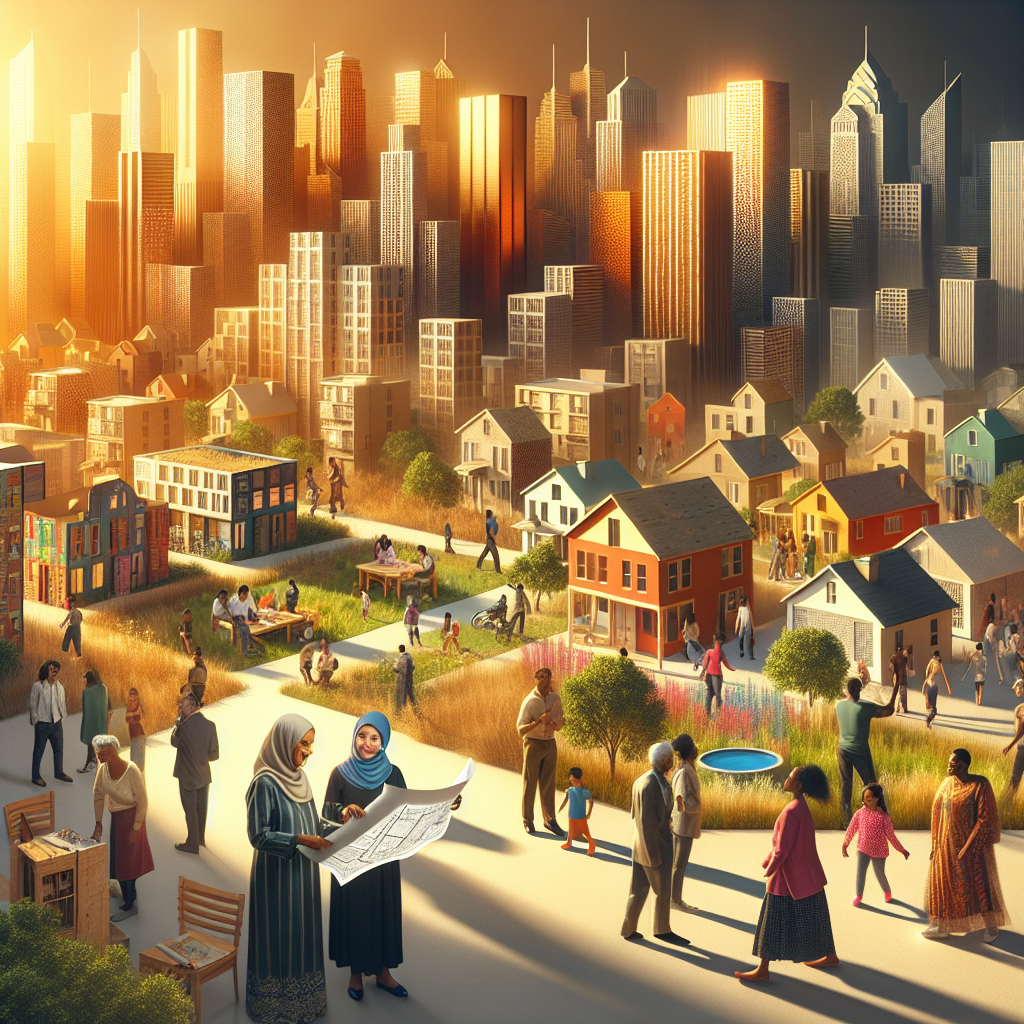
Another significant impact of immigration on urban growth is the enhancement of cultural diversity and its influence on social evolution. Immigrant populations bring with them a rich tapestry of traditions, languages, cuisines, and art, all of which contribute to the cultural fabric of urban environments. This cultural infusion often leads to the development of unique communities and multicultural interactions that enrich urban life.
The city of Toronto, Canada, exemplifies this phenomenon. As one of the most multicultural cities in the world, Toronto’s diverse immigrant communities have fostered a vibrant cultural scene. Festivals, culinary diversity, and multilingualism are prominent features of the city’s urban life. Such diversity not only enriches the social experience but also fosters greater tolerance and understanding among different cultural groups.
Moreover, educational institutions and cultural organizations often emerge or evolve in response to diverse immigrant populations, further fostering urban growth and cohesiveness. This dynamic cultural environment can attract more people to a city, both immigrants and locals, fostering further urban expansion.
Challenges and Opportunities in Urban Planning
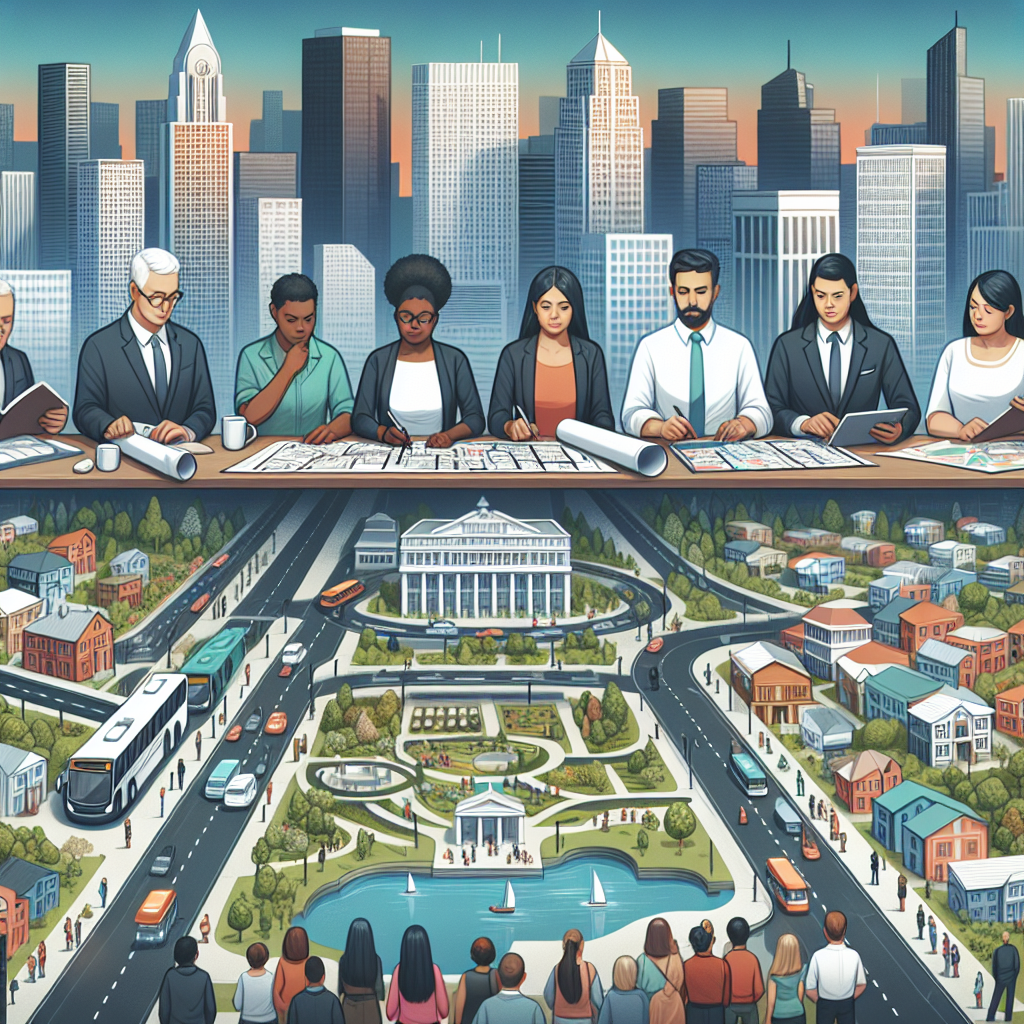
While the positive impacts of immigration on urban growth are evident, they also pose certain challenges for urban planning. Rapid population increases can strain existing infrastructure and services, leading to issues such as housing shortages, traffic congestion, and overstretched public services. To address these challenges, urban planners and policymakers must adopt strategies that manage growth in sustainable ways.
In cities like Berlin, Germany, the inflow of immigrants in recent years has necessitated innovative urban planning solutions. Berlin’s response has included the development of affordable housing projects, enhancement of public transportation systems, and increased investments in social services to accommodate its growing population. These measures illustrate how cities can not only cope with the challenges presented by immigration but also harness the potential opportunities it offers for revitalizing urban areas.
| Urban Challenge | Strategy Implemented |
|---|---|
| Housing Shortages | Development of affordable housing units |
| Traffic Congestion | Expansion of public transportation networks |
| Pressure on Social Services | Increased investment in public health and education |
This adaptive approach underscores the importance of viewing immigration not as a burden, but as a catalyst for positive urban transformation and growth.
Immigration’s Role in Shaping the Future of Cities
Looking toward the future, the impact of immigration on urban growth continues to be significant. As global mobility increases, cities are likely to remain focal points for immigrant populations, each bringing a fresh wave of ideas, cultures, and economic contributions. This will require cities to not only manage this growth effectively but also leverage it for their development goals.
Cities like Dubai and Singapore have positioned themselves as global cities, attracting talent from across the globe. Their success illustrates the potential for cities to harness immigration for competitive advantage on the global stage. By facilitating integration and fostering an inclusive environment, cities can benefit from the talents and contributions of a diverse populace.
In conclusion, immigration has been and will continue to be a potent force in shaping urban growth. While challenges exist, the opportunities for cultural, economic, and social enrichment make immigration an essential component of urban development strategies. As cities evolve, embracing the dynamics of immigration can lead to more sustainable and vibrant urban futures.
Conclusion: The Power of Embracing Immigration in Urban Strategies
Immigration’s impact on historical urban growth is undeniable, transforming cities into centers of economic prosperity, cultural diversity, and social innovation. By providing the labor force needed for industrial expansion, stimulating economies through entrepreneurship, enriching cultural tapestries, and challenging urban planners to think creatively, immigration has consistently fueled urban growth.
For the modern reader, understanding these impacts emphasizes the importance of crafting urban policies that recognize the benefits of immigration while addressing its challenges. Engaging with immigration as a dynamic element of urban strategy allows cities to grow sustainably and inclusively. Therefore, it becomes imperative for city planners, policymakers, and citizens to work collaboratively to embrace immigration’s potential, ensuring that urban environments remain vibrant, resilient, and open to the opportunities that diverse populations can bring.
For those interested in the future of urban planning, a significant next step would be to advocate for policies that prioritize inclusive growth and culturally responsive urban development strategies. By doing so, cities can continue to harness the power of immigration, creating environments where all residents, regardless of their origins, can thrive and contribute to the collective well-being of the urban fabric.
Frequently Asked Questions
1. How has immigration historically influenced urban growth and development?
The impact of immigration on urban growth and development can be observed throughout various periods in history. Immigrants have historically flocked to urban areas for opportunities such as employment, education, and community. This influx of people often leads to the expansion of cities, particularly in terms of infrastructure and housing developments. As immigrants settle in cities, they contribute to the labor force, filling gaps in the workforce and sometimes sparking entire economic sectors. For example, during the Industrial Revolution in the 19th century, European immigrants powered many American cities’ growth by providing labor essential to booming industries like steel and textiles.
Moreover, immigrants introduce diverse cultures, ideas, and innovations that can lead to vibrant multicultural cities. This cultural diversity often translates into dynamic urban centers where food, art, and traditions from around the world blend, significantly enriching the socio-economic fabric of the city. However, this growth is not without challenges, such as the need for adequate housing, public services, and integration policies, which urban planners must address to accommodate both the needs of new arrivals and the existing population.
2. What are some economic effects of immigration on urban areas?
Economically, immigration positively impacts urban areas in numerous ways. Immigrants contribute greatly to the labor market by filling essential positions and occupations, often revitalizing sectors facing a shortage of workers. They are known to be entrepreneurial, starting businesses that create further employment opportunities and stimulate local economies. Immigrant entrepreneurs frequently open diverse businesses, from restaurants to tech startups, enriching the commercial landscape. For instance, cities like New York and Los Angeles have benefitted tremendously from immigrant-run small businesses that offer unique services and products.
Immigrants also contribute to the tax base in urban areas, supporting public services such as education, healthcare, and transportation. On the construction front, they aid in developing new residential and commercial buildings, which can boost real estate markets. A notable dynamic is that immigrant communities may revive declining neighborhoods, boosting property values by improving living and business conditions. Yet, urban planners must manage these economic impacts to ensure balanced growth and mitigate issues such as income disparity and competition for low-wage jobs.
3. How does immigration impact the cultural landscape of urban areas?
The cultural landscape of urban areas is profoundly enriched and diversified by immigration. When people from different countries bring their cultural traditions, languages, and religions to a new city, they often create lively enclaves or neighborhoods, offering unique cultural contributions. These areas become hubs of culture and tradition, often celebrated through festivals, ethnic markets, and cultural institutions like museums and theaters.
For example, cities such as Toronto and London are renowned for their multicultural neighborhoods that offer a potpourri of cultural experiences. Such neighborhoods not only provide immigrants with a sense of community and belonging but also offer long-time residents a chance to engage with new cultures. Food, music, art, festivals, and languages all represent ways cultures blend within the urban context, contributing to a more cosmopolitan vibe that attracts tourists and new residents alike. Moreover, this blend of cultures can foster innovation, particularly in creative industries, and enhance cultural competency among residents.
4. What challenges do cities face due to immigration, and how can they be addressed?
Cities face several challenges with immigration, including managing population densities, ensuring adequate housing, providing access to public services, and fostering social integration. The rapid influx of immigrants can strain urban infrastructure, leading to issues with public transportation, waste management, and water supply. Homogeneous communities may also face social tension due to perceived ethnic or cultural differences.
Addressing these challenges requires comprehensive urban planning and policy measures aimed at inclusivity and sustainability. Cities can focus on improving and expanding infrastructure to meet the needs of a growing population. Investing in affordable housing development is crucial to prevent overcrowded living conditions. Services such as education, healthcare, and language learning programs are essential to integrate new arrivals and empower them to participate fully in society.
Community engagement initiatives that promote dialogue and mutual understanding among diverse groups are vital. Cities can also create policies that encourage economic integration, such as initiatives that support immigrant entrepreneurship and reduce barriers to employment. By fostering an environment of acceptance and collaboration, cities can turn potential challenges into opportunities for growth and innovation.
5. How can urban planners account for the positive impacts of immigration when planning for future urban growth?
Urban planners can leverage the positive impacts of immigration by incorporating diversity and adaptability into their strategies for future urban growth. To do this, they need to anticipate demographic changes and prepare accordingly, ensuring the infrastructure can accommodate diverse needs. Urban designs should integrate mixed-use developments that encourage vibrant neighborhoods with residential, commercial, and cultural spaces.
Recognizing the economic contribution of immigrants, planners can prioritize the creation of business hubs and innovation centers that attract entrepreneurial endeavors. Supporting startup companies and local businesses through appropriate zoning and financial incentives can considerably enhance economic development. Investing in public transportation networks that connect various parts of the city ensures accessibility for all residents, enhancing mobility and economic participation.
Additionally, fostering inclusive communities where the social and cultural contributions of immigrants are valued encourages harmony and cooperation. Planners can work closely with community leaders from diverse backgrounds to shape policies that embrace multiculturalism. By adopting these practices, urban planners can design cities that not only grow sustainably but also thrive due to their cultural and economic dynamism.