Urban renewal is a transformative and often controversial approach to revitalizing cities, typically involving the redevelopment or demolition of existing structures to pave the way for new housing, commercial developments, and public spaces. This process can drive economic growth, enhance livability, and address societal challenges by eliminating blight and boosting property values. However, urban renewal can also displace communities, stir public opposition, and raise ethical questions about gentrification. In a world where over half the population resides in urban areas and urbanization continues to increase, understanding urban renewal’s complexities is essential for policymakers, developers, urban planners, and residents alike. This article explores urban renewal through a comparative lens, aiming to shed light on its impacts, methodologies, and real-world applications to inform future decision-making.
The Genesis of Urban Renewal
Urban renewal’s roots can be traced back to the early 20th century, when cities like New York and Paris embarked on monumental transformations to combat overcrowding, improve sanitation, and modernize infrastructures. In the United States, the Federal Housing Act of 1949 provided substantial funding for slum clearance and urban redevelopment, which set the stage for subsequent urban renewal projects nationwide. Learning from early examples helps ascertain effective practices and potential pitfalls inherent in urban renewal today.
One quintessential example is the transformation of Haussmann’s renovation in Paris, conducted under Emperor Napoleon III. Haussmann’s renovations significantly altered Paris’s landscape, introducing broad boulevards, parks, and improved sanitation whilst also displacing thousands and erasing entire neighborhoods. This historical approach to urban renewal highlights both the potential for modernization and the risk of significant social upheaval.
Urban Renewal Approaches
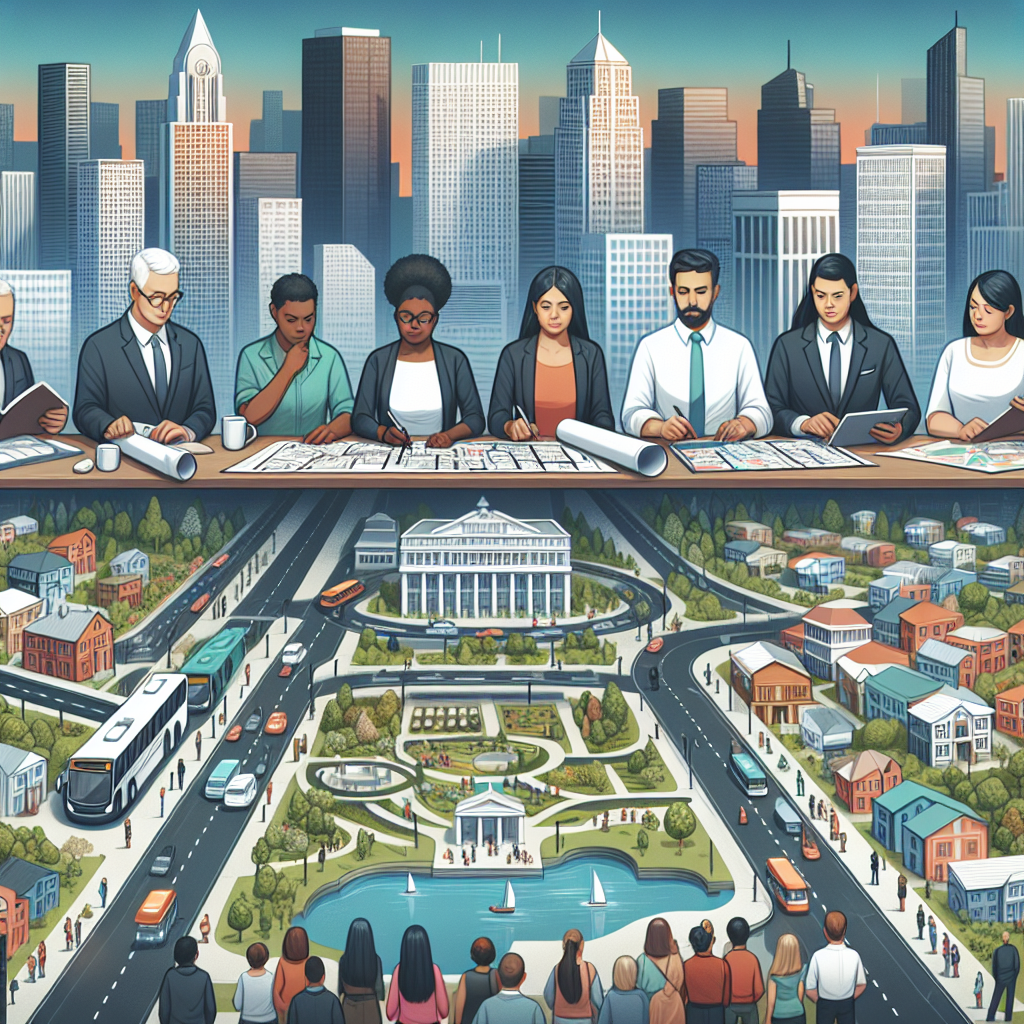
Various strategies underpin urban renewal, generally categorized as top-down or bottom-up approaches. Top-down approaches often involve government-led initiatives where decision-making is centralized, aiming for sweeping changes to infrastructure and development policies. Conversely, bottom-up approaches prioritize community involvement, aiming to incorporate local insights and desires into redevelopment plans.
The New York City project in Times Square during the 1990s exemplifies a top-down approach. At the time, Times Square was overrun with crime and blight. Through aggressive municipal policies and private-public partnerships, urban renewal turned Times Square into one of the most visited tourist destinations worldwide. However, despite economic success, critics argue that this approach sidelined local communities and prioritized economic benefits over residents’ needs.
Community-Centric Urban Renewal
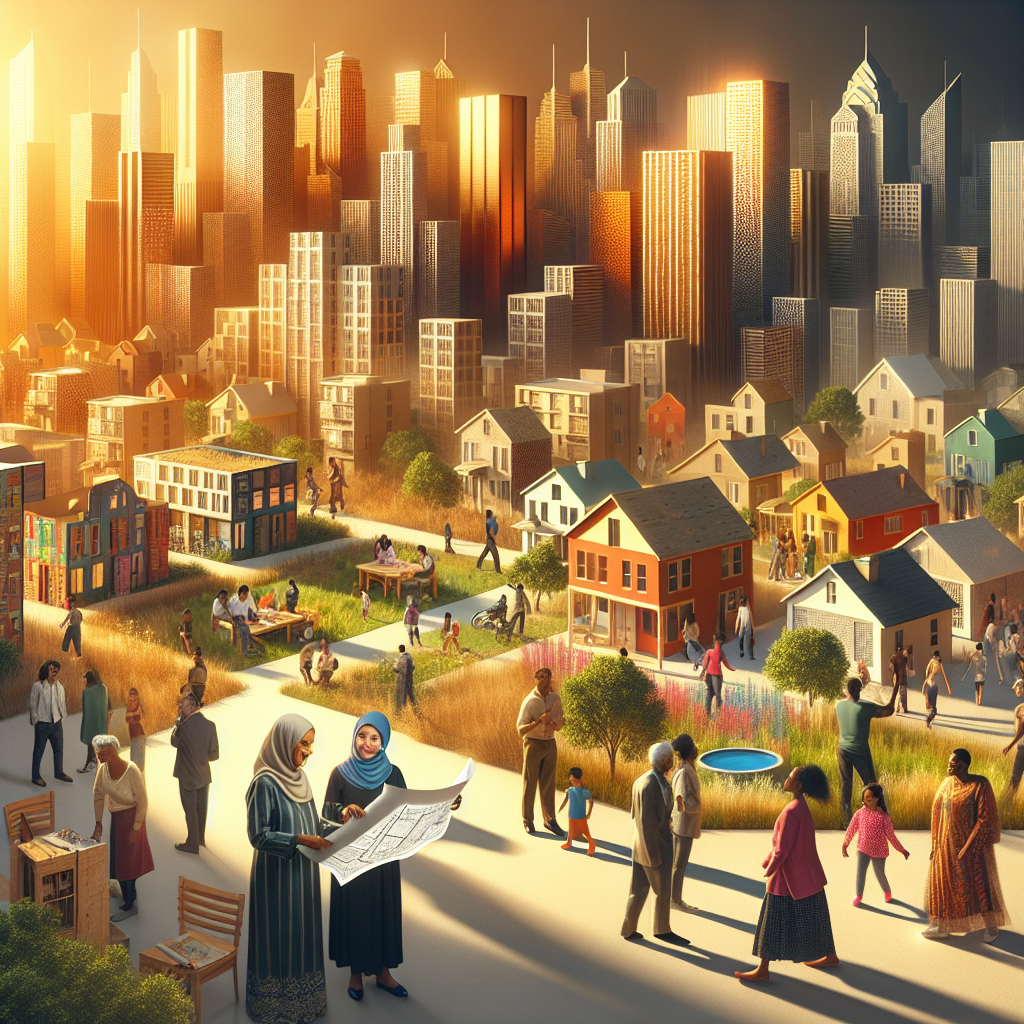
The importance of community participation in urban renewal has gained increased recognition in recent decades. Integrating community voices can foster inclusivity, promote sustainability, and mitigate gentrification impacts. This form of urban renewal is often characterized by grassroots efforts, community land trusts, and participatory planning meetings.
The Dudley Street Neighborhood Initiative (DSNI) in Boston offers a powerful example of community-centric urban renewal. The organization succeeded in gaining eminent domain authority to reclaim vacant lots, which were then developed according to the community’s vision. This approach reduced displacement, created affordable housing, and revitalized the neighborhood, thereby demonstrating the power of a community-driven process.
Gentrification: A Double-Edged Sword
Gentrification often surfaces as a significant issue within urban renewal contexts, defined by the influx of more affluent residents into historically lower-income neighborhoods. While gentrification can lead to increased investments, improved services, and economic diversity, it often displaces long-standing residents, fueling tensions and eroding cultural heritage.
A prominent example is London’s Shoreditch district. Renewed interest and investments revitalized the area, transforming it into a hub of cultural activity and innovation. However, the resulting skyrocketing property prices have priced out lower-income residents, highlighting the complexities and consequences of urban renewal when gentrification is unchecked.
- Pros of Gentrification:
- Increased economic activity
- Better services and infrastructure
- Improved public safety
- Cons of Gentrification:
- Displacement of existing residents
- Erosion of community identity
- Social exclusion and inequality
Environmental Considerations in Renewal Projects
Increasingly, urban renewal projects must navigate ecological concerns and prioritize sustainability. Redeveloping urban areas to include green spaces, promote public transportation, and reduce carbon footprints is crucial in modern urban planning. Sustainable urban renewal can help cities meet environmental goals, enhance resiliency, and improve quality of life.
The High Line in New York City exemplifies environmentally conscious urban renewal. Originally an elevated railway, this structure was transformed into a public park, showcasing the potential to repurpose city infrastructure for recreational and community purposes. This innovative project has not only served as a green lung for the city but has also rekindled interest in the surrounding neighborhoods and attracted sustainable development initiatives.
Urban Renewal Policy and Governance
Ultimately, policy and governance structures shape the efficacy of urban renewal projects. Effective urban renewal policies provide clear, transparent guidelines that balance economic growth with social justice and community involvement. Governance structures that embrace collaboration between government bodies, private sector entities, and local communities enhance policy outcomes and execution.
Singapore’s Housing and Development Board (HDB) exemplifies how comprehensive policy frameworks can stimulate successful urban renewal. HDB’s public housing initiatives have revolutionized Singapore’s cityscape, offering affordable, high-quality housing options while fostering socioeconomic diversity. HDB’s well-regulated policies and structured planning approach showcase how governance can drive effective urban renewal while managing potential pitfalls such as displacement and inequality.
| City | Renewal Approach | Key Outcomes |
|---|---|---|
| New York City (Times Square) | Top-down | Economic growth, boosted tourism, but criticized for lack of community integration |
| Boston (DSNI) | Bottom-up | Enhanced community engagement and affordable housing |
| London (Shoreditch) | Mixed | Cultural hub development with notable gentrification impacts |
| Singapore (HDB) | Policy-driven | High-quality public housing with integrated urban development |
Learning from Global Urban Renewal Experiences
Examining global urban renewal initiatives provides inspiring lessons and cautionary tales for future pursuits. Cities around the world have harnessed urban renewal to address infrastructure challenges, enhance livability, and create vibrant communities. Learning from these diverse experiences empowers cities to adopt innovative strategies and avoid past mistakes.
The example of Medellín’s transformation in Colombia demonstrates how urban renewal can alter a city’s trajectory. Once marred by violence, strategic investments in public transport, public spaces, and economic programs have revitalized Medellín. The city’s collaborative approach and focus on improving its most underserved areas illustrate the transformative power of urban renewal when inclusivity and foresight guide decisions.
Impacts on Social Fabric and Cultural Heritage
Urban renewal is never solely an economic or infrastructural endeavor. The process fundamentally reshapes a city’s social fabric, leaving indelible marks on cultural heritage, social relationships, and communal identity. Balancing economic ambitions with social preservation is the ultimate challenge faced by urban renewal advocates.
The complex relationship between urban renewal and cultural preservation is poignantly observable in Istanbul. Faced with the tension between modernity and tradition, Istanbul’s renewal efforts endeavor to merge infrastructural progress with cultural conservation. Initiatives aimed at restoring historical architecture alongside new developments strive to retain Istanbul’s unique historical charm amidst inevitable modernization.
Implementing Effective Urban Renewal Strategies
The efficacy of urban renewal initiatives rests on adaptability, collaboration, and ongoing evaluation. Stakeholders must embrace a multifaceted approach that integrates community insights, environmental sustainability, and rigorous planning to ensure long-term success. Sharing best practices and encouraging open dialogue will continue to improve urban renewal efforts worldwide.
As cities expand and populations grow, innovating urban renewal strategies becomes paramount. This endeavor requires recognizing the dynamic nature of cities and the complexity of human settlement patterns, demanding persistent adaptation and thoughtful policy implementation to maintain thriving urban ecosystems.
Conclusion: The Path Forward for Urban Renewal
Urban renewal remains a vital instrument for shaping the future of cities. By studying past efforts, cities can learn to navigate the complex interplay between social, economic, and environmental goals. For policymakers, urban planners, developers, and community stakeholders, the challenge is to balance these sometimes competing interests to forge vibrant, inclusive, and sustainable urban environments.
This comparative study reveals the plethora of opportunities and challenges presented by urban renewal. The lessons highlighted herein serve as a guide for cities endeavoring to create thriving urban ecosystems. As we collectively look to the future, embracing holistic approaches to urban renewal becomes crucial in ensuring equitable, livable, and prosperous cities for generations to come.
As a next step, stakeholders are encouraged to engage in active dialogue, share successful strategies, and recommit to prioritizing community, sustainability, and inclusivity in their urban renewal endeavors.
Frequently Asked Questions
1. What is urban renewal, and why is it significant for modern cities?
Urban renewal is a transformative strategy aimed at revitalizing urban areas that may have fallen into disrepair or become economically stagnant. It is significant because it can radically enhance the quality of life in cities by redeveloping or demolishing old structures to create new housing, commercial spaces, and public amenities. This process can stimulate local economies by attracting businesses, increasing property values, and generating jobs. Moreover, urban renewal can address broader societal issues like housing shortages and infrastructure decay by creating modern, efficient urban environments. However, it’s not without controversy; the process often involves delicate balancing acts between development and the preservation of community identity.
2. How does urban renewal impact local communities?
The impact of urban renewal on local communities can be both positive and negative. Positively, it can lead to increased safety, better facilities, more green spaces, and overall improvements in neighborhood aesthetics. Local economies may see a boost as new businesses open and more tourists or residents are attracted to the area. On the downside, urban renewal often results in the displacement of existing communities, especially when affordable housing is demolished to make way for more expensive real estate projects. Local residents may face increased rents and property taxes that can force them to move, leading to a loss of community cohesion and identity.
3. What are the common methods used in urban renewal projects?
Common methods in urban renewal projects include the complete demolition of old structures to be replaced by new ones, as well as the renovation and refurbishment of existing buildings to enhance their usability and appearance. Another method is re-zoning, where the land use rules are changed to allow for different types of development, such as turning industrial areas into residential or mixed-use developments. Public-private partnerships are also popular, leveraging both public funding and private investment to finance renewal efforts. Additionally, community involvement programs are often employed to ensure that local voices are heard in the planning process, although their effectiveness can vary significantly.
4. What are the ethical considerations surrounding urban renewal?
Urban renewal often raises significant ethical questions, particularly around issues of gentrification, displacement, and equity. A significant concern is the displacement of low-income families, as new developments can lead to higher living costs and outpricing of original residents. This raises questions of social justice and the right of residents to remain in their homes. Additionally, there are concerns about the preservation of historical and cultural landmarks, which can be lost in the quest to modernize. Transparency and community involvement are crucial ethical considerations, as stakeholders need to ensure that developments serve not only the economic interests of a few but also the broader community’s needs and values.
5. Can you give examples of successful urban renewal projects?
There are numerous examples of successful urban renewal projects worldwide. Notable among them is the High Line in New York City, an elevated rail line transformed into a unique public park that has revitalized the surrounding neighborhoods and become a major tourism and dining hub. In Curitiba, Brazil, an urban renewal project transformed the cityscape through innovative public transport and green spaces, enhancing livability and sustainability. Furthermore, the Docklands in Melbourne, Australia, turned a neglected industrial area into a bustling waterfront precinct with residential units, offices, and commercial spaces, showing the power of urban renewal to rejuvenate entire districts. Each of these projects highlights the potential of urban renewal to breathe new life into urban areas while also navigating the intricacies of planning, financing, and community consultation.