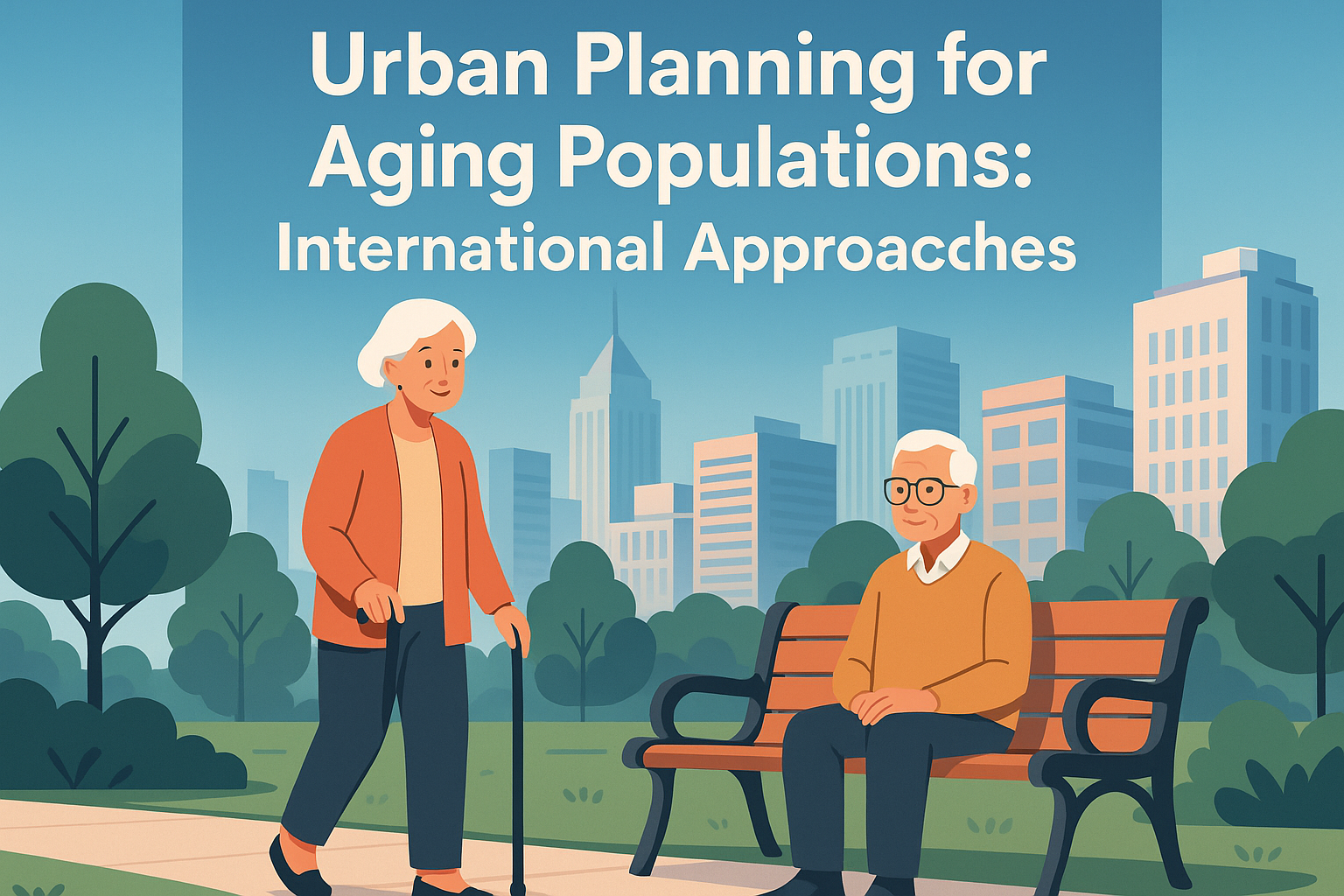
As the global population continues to age, the discipline of urban planning is facing new challenges and opportunities. The term “aging population” refers to a demographic trend characterized by an increase in the median age of a country’s population due to rising life expectancy and declining fertility rates. This shift in demographic composition presents unique challenges for urban areas, where infrastructure, housing, transportation, and social services must adapt to meet the needs of older adults. Understanding these challenges is crucial in crafting urban environments that are inclusive, accessible, and supportive of aging populations.
Urban planning for aging populations is becoming increasingly critical on a global scale. It requires a profound rethinking of how cities are designed to ensure they are age-friendly. This involves incorporating features that promote mobility, accessibility, safety, and social inclusion. Creating spaces where seniors can lead full, independent lives is not only beneficial to individuals but also to society as a whole, as it can improve overall public health, enhance community engagement, and allow for efficient resource allocation. The varying responses by different countries offer a wealth of knowledge and real-world examples that can inform and inspire urban planning efforts elsewhere.
Designing Accessible and Inclusive Public Spaces
One of the key components of urban planning for aging populations is the creation of accessible and inclusive public spaces. These spaces are essential for fostering community interaction, promoting physical activity, and ensuring that older adults can navigate their environments with ease.
For example, the city of Tokyo, Japan, has implemented several initiatives to ensure its public spaces are senior-friendly. With Japan experiencing one of the most significant demographic shifts toward an aging population, Tokyo has taken proactive measures. The city has redesigned sidewalks to be wider and smoother, making them easier for older adults to navigate, especially those using mobility aids. Public parks have been equipped with exercise equipment designed specifically for older people, promoting health and social engagement.
Accessible design goes beyond physical infrastructure. It includes clear signage and public information systems that are easy to understand for people with visual or cognitive impairments. This approach not only enhances the quality of life for older residents but also attracts a broader range of visitors and tourists, thereby boosting local economies.
Transportation Solutions for Older Adults
Transportation is another critical area of focus in urban planning for aging populations. Reliable and accessible transportation options are essential for maintaining independence and social connections among older adults.
One innovative example is found in the city of Copenhagen, Denmark. Recognizing the importance of mobility for older adults, Copenhagen has developed a comprehensive public transportation system that makes travel more accessible. Buses are equipped with low floors for easy boarding, priority seating for seniors, and audio-visual announcements. Additionally, the city’s extensive bike-sharing program includes adaptive bicycles designed for older riders, ensuring that the cycling culture is inclusive of all age groups.
Accessible transportation solutions empower older adults to participate in community activities, access essential services, and maintain social ties. This enhances their quality of life and ensures they remain active contributors to society.
Adapting Housing for Aging Populations
Housing is a fundamental aspect of urban planning that can significantly impact the well-being of aging populations. Older adults often prefer to age in place, remaining in their own homes and communities as they grow older. This preference necessitates adjustments in housing design and community planning.
In the Netherlands, the concept of “lifetime homes” has gained traction. These homes are designed to accommodate the changing needs of residents over their lifetimes. Features such as step-free entrances, adjustable countertops, and lever-style door handles make these homes more accessible to people as they age. Additionally, the Dutch government has promoted the development of multi-generational housing, encouraging younger and older generations to live together, thereby fostering social cohesion and support networks.
Through thoughtful housing design and policy interventions, urban planners can help ensure that older adults have suitable living arrangements that promote independence and social interaction. This not only contributes to individual well-being but also supports sustainable community development.
Integrating Health and Social Services
Access to health and social services is an integral part of urban planning for aging populations. Older adults often require a range of services, from routine medical care to social support, to maintain their quality of life.
In Singapore, an integrated approach to healthcare for older residents has been developed to meet these needs. The city-state has established “Community Care” centers that offer combined healthcare and support services under one roof. These centers provide medical consultations, rehabilitation services, and social activities, reducing the need for older adults to travel to multiple locations for their healthcare needs.
This model not only improves accessibility but also encourages preventive care and early intervention, ultimately reducing the burden on healthcare systems. By promoting health and wellness, such urban planning efforts contribute to the overall well-being of aging populations.
Technological Innovations in Urban Planning
Technology plays a pivotal role in modern urban planning for aging populations. Technological innovations can enhance the safety, convenience, and independence of older adults, making cities more age-friendly.
For instance, in Barcelona, Spain, smart city technology is being harnessed to improve the lives of older residents. The city’s “Smart Citizen” project involves installing sensors throughout public spaces to gather data on air quality, noise levels, and temperature. This information is used to adjust the environment in real time, ensuring that conditions are optimal for older adults.
Additionally, Barcelona has developed mobile applications that help seniors navigate the city, find accessible routes, and receive real-time updates on public transportation. These technological solutions empower older adults to engage with their communities and access services efficiently, fostering a sense of security and belonging.
Case Study: Age-Friendly Cities Program
The World Health Organization’s (WHO) Age-Friendly Cities Program offers a comprehensive framework for creating urban environments that support older adults. Participating cities around the world have committed to evaluating and adapting their policies, structures, and services to promote active aging.
New York City is a notable example of an age-friendly city. The city has launched initiatives to improve the walkability of neighborhoods, expand access to healthcare, and increase opportunities for social engagement among older residents. By collaborating with local communities, New York City has fostered an inclusive environment where people of all ages can thrive.
The Age-Friendly Cities Program demonstrates how international collaboration and shared knowledge can drive meaningful change in urban planning. It provides a valuable model for cities looking to become more supportive of aging populations.
| Country | Initiative | Key Focus |
|---|---|---|
| Japan | Senior-Friendly Public Spaces | Accessibility and Social Engagement |
| Denmark | Comprehensive Transportation System | Mobility and Inclusivity |
| Netherlands | Lifetime Homes | Adaptive Housing Designs |
| Singapore | Community Care Centers | Integrated Health Services |
| Spain | Smart City Technology | Technological Innovations |
Conclusion: Embracing the Future of Urban Planning
In summary, urban planning for aging populations is an essential endeavor that requires a multi-faceted approach. By designing accessible public spaces, providing reliable transportation, adapting housing, integrating health services, and leveraging technology, cities around the world can create environments that support the well-being of older adults.
The benefits of age-friendly urban planning extend far beyond improving individual quality of life. These efforts foster social cohesion, economic vitality, and environmental sustainability, making cities better places for everyone. By learning from international examples and collaborating across sectors, policymakers and planners can create urban environments that are equitable, inclusive, and adaptive to the needs of aging populations.
As we move forward, it is crucial to continue prioritizing this area of urban planning. The aging population trend is set to continue, and the choices made today will have a lasting impact on the quality of life for generations to come. Now is the time to act—by championing age-friendly urban planning, we can create a future where all residents, regardless of age, can thrive.
Frequently Asked Questions
1. What are the primary challenges faced by urban planners when accommodating aging populations?
Urban planners encounter several challenges when adapting cities for aging populations. One of the most significant hurdles is creating accessible and inclusive environments that accommodate the physical and cognitive limitations often associated with aging. This might involve retrofitting existing infrastructure to be more age-friendly, such as installing ramps, audible signals at pedestrian crossings, and wider sidewalks that can comfortably accommodate mobility aids.
Additionally, there’s a pressing need for transportation systems that cater to seniors, offering convenient, affordable, and accessible public transit options. An aging population also shifts the demand for certain social services, requiring a reevaluation of healthcare facilities, recreational activities, and community centers that can cater to older adults.
Housing is another critical area of concern. Urban planners need to ensure a sufficient range of housing options that allow older adults to age in place, whether through multi-generational living arrangements or by integrating affordable senior housing close to services and amenities. Finally, urban safety and crime prevention must be adapted to protect vulnerable populations, incorporating features like better lighting and community policing.
2. How have different countries approached urban planning for aging populations?
Countries across the globe have taken varied approaches to urban planning for aging populations, often tailored to their unique demographic, cultural, and economic circumstances. In Japan, one of the fastest-aging societies, urban planners focus on creating compact and walkable cities, often integrating the concept of ‘machizukuri,’ which emphasizes community participation in planning processes. City designs incorporate age-friendly features like step-free public spaces and public transport systems that prioritize older residents.
In Northern Europe, countries like Sweden and the Netherlands emphasize universal design principles and accessibility in all urban developments. They implement integrated housing solutions that allow seniors to live independently for longer, with nearby health services and social activities. Institutional care is minimized, favoring community-based support.
In Canada, age-friendly cities initiatives are prevalent, supporting communities in becoming more inclusive through policy changes, infrastructure improvements, and community engagement strategies. The UK has also seen efforts to incorporate lifelong neighborhood designs, ensuring that all age groups can access essential services.
3. Why is transportation such a crucial aspect of urban planning for older adults?
Transportation plays a vital role in the lives of older adults, as it directly impacts their mobility, independence, and ability to engage with their community. For many seniors, driving may no longer be a safe option due to declining physical or cognitive abilities. Therefore, having access to reliable, affordable, and accessible public transportation becomes essential.
In urban planning, it’s critical to design transportation systems that accommodate the unique needs of seniors. This includes offering low-floor buses for easy boarding, providing seating priority, and ensuring that transit schedules are clear and easy to understand for those who might have visual or cognitive impairments. Additionally, transportation should link residential areas with essential services, such as healthcare facilities, shops, and recreational areas, to ensure seniors can easily reach these locations without much hassle.
Planners must also consider the convenience of pick-up and drop-off points, the frequency of transit options, and the integration of para-transit solutions like dial-a-ride services that provide door-to-door transportation for seniors who have mobility challenges. Fostering partnerships with ride-sharing companies or taxi services may also offer supplementary options to meet the diverse needs of older adults.
4. How can technology be integrated into urban planning to benefit aging populations?
Technology offers innovative solutions that can greatly enhance urban environments for aging populations. Smart city technologies, such as IoT devices, can improve urban living by monitoring environments for safety hazards and notifying city services of issues in real-time. For instance, smart lighting can automatically adjust to improve visibility and enhance security in public spaces, greatly benefiting seniors who may struggle with vision impairments.
Health monitoring technologies, such as wearable devices, can provide real-time data to healthcare providers, ensuring prompt medical assistance where necessary. Urban planners can also leverage digital platforms to promote social engagement through virtual community centers or online social networks specifically designed for older adults, reducing isolation and providing easier access to resources and events.
Further, intelligent transportation systems can incorporate real-time tracking and alerts for public transport, assisting seniors and their caregivers in planning and managing commutes more efficiently. Beyond individual technologies, urban planners should ensure robust digital infrastructure that supports widespread connectivity, allowing seniors to remain engaged and informed in their communities.
5. What role do community programs play in urban planning for aging populations?
Community programs are crucial in urban planning for aging populations as they provide necessary social infrastructure that supports the well-being and quality of life of older adults. These programs can range from social clubs and fitness classes to educational workshops and volunteer opportunities. They help foster a sense of community, combat social isolation, and provide avenues for lifelong learning.
Urban planners can work with local governments and non-profits to develop centers and facilities where these programs can be housed—often co-locating them with healthcare services, libraries, and parks to maximize accessibility. For instance, establishing community gardens can offer both physical activity and social interaction opportunities.
Moreover, these programs support intergenerational interactions, where older and younger members of the community can engage, share experiences, and learn from each other. They often act as channels through which urban planners and community leaders can gather feedback and suggestions from seniors about their needs and preferences, leading to more tailored and effective urban policies and initiatives.
By recognizing the importance of these community programs and facilitating their growth within urban settings, cities can significantly enhance the quality of life for their aging populations.