The concept of sustainable housing has emerged as a crucial topic of discussion in response to rising global concerns surrounding environmental degradation and climate change. Sustainable housing refers to residential buildings designed, built, and operated to minimize their environmental footprint. This involves using sustainable materials, implementing renewable energy sources, enhancing energy efficiency, conserving water, and promoting healthy indoor air quality. The importance of sustainable housing cannot be overstated as it directly impacts long-term ecological balance, mitigates climate change, and ensures healthier living spaces for present and future generations. With the global population continuing to grow and urban areas expanding rapidly, the need for innovative housing solutions that are both sustainable and scalable is more critical than ever.
In this article, we will explore various global innovations in sustainable housing, highlighting practical examples that showcase how countries, communities, and companies are pushing the boundaries of what is possible. The significance of these innovations lies in their potential to provide blueprints for future developments, demonstrating that it is possible to build homes that harmonize with the environment while meeting the needs of modern society.
Innovative Building Materials: From Waste to Wonders
One of the groundbreaking advancements in sustainable housing is the use of innovative building materials. Traditional construction materials often have a significant environmental impact due to their extraction, processing, and transportation requirements. However, recent developments have seen the introduction of alternative materials that reduce carbon footprints and make efficient use of available resources.
A prime example is the use of recycled materials, such as reclaimed wood and recycled metal. In Amsterdam, the Recycled Park initiative involves constructing floating homes using plastic waste collected from local waterways. This innovative approach not only addresses the waste issue but also transforms it into a valuable resource for building durable and sustainable homes.
- Reclaimed Wood
- Recycled Metal
- Plastic Waste
Such innovations in material science demonstrate that sustainable housing can be both aesthetically pleasing and environmentally responsible, paving the way for future developments in the construction industry.
Renewable Energy Integration: Powering Homes Sustainably
Integrating renewable energy sources into the residential sector is another critical component of sustainable housing. By harnessing the power of the sun, wind, and other renewable resources, homes can drastically reduce their reliance on fossil fuels and minimize their carbon emissions.
An illustrative example is the Vauban district in Freiburg, Germany. This pioneering eco-community utilizes solar panels extensively, with homes designed to optimize sunlight exposure. As a result, several buildings produce more energy than they consume, epitomizing the concept of net-positive energy housing.
Through these practices, renewable energy integration contributes to lowering energy costs, decreasing greenhouse gas emissions, and promoting greater energy independence.
Passive Design: Harnessing Nature for Efficiency
Passive design principles are fundamental to creating energy-efficient and sustainable homes. This approach involves designing buildings in harmony with their natural environment to take advantage of natural light, ventilation, and heating, thereby reducing the need for artificial energy sources.
The Bullitt Center in Seattle, USA, exemplifies passive design at its finest. This “living building” utilizes strategic window placement, natural shading, and a green roof to regulate temperatures and maximize the use of natural light. These features significantly reduce the building’s energy demands and contribute to a more sustainable urban landscape.
By incorporating passive design principles, architects and builders can create homes that not only reduce energy consumption but also offer enhanced comfort for their occupants.
Water Conservation: Efficient Systems and Technologies
Water scarcity is an ever-growing concern globally, prompting the need for efficient water conservation measures in sustainable housing. Innovative systems and technologies are being developed to reduce water usage and recycle wastewater effectively.
Australia’s “One Central Park” in Sydney stands out as a leader in water conservation. The building employs a comprehensive water recycling system that captures rainwater and greywater, treating it for reuse within the complex. This closed-loop system significantly decreases potable water demand and demonstrates the potential for sustainable urban living.
| Water Conservation Technique | Key Benefit |
|---|---|
| Rainwater Harvesting | Reduces dependency on municipal supply |
| Greywater Recycling | Minimizes wastewater generation |
| Smart Irrigation | Optimizes water usage for landscaping |
Embracing water-efficient systems not only helps conserve a vital resource but also prepares communities to better withstand droughts and promote long-term sustainability.
Community-Based Approaches: Collaborative and Inclusive Housing
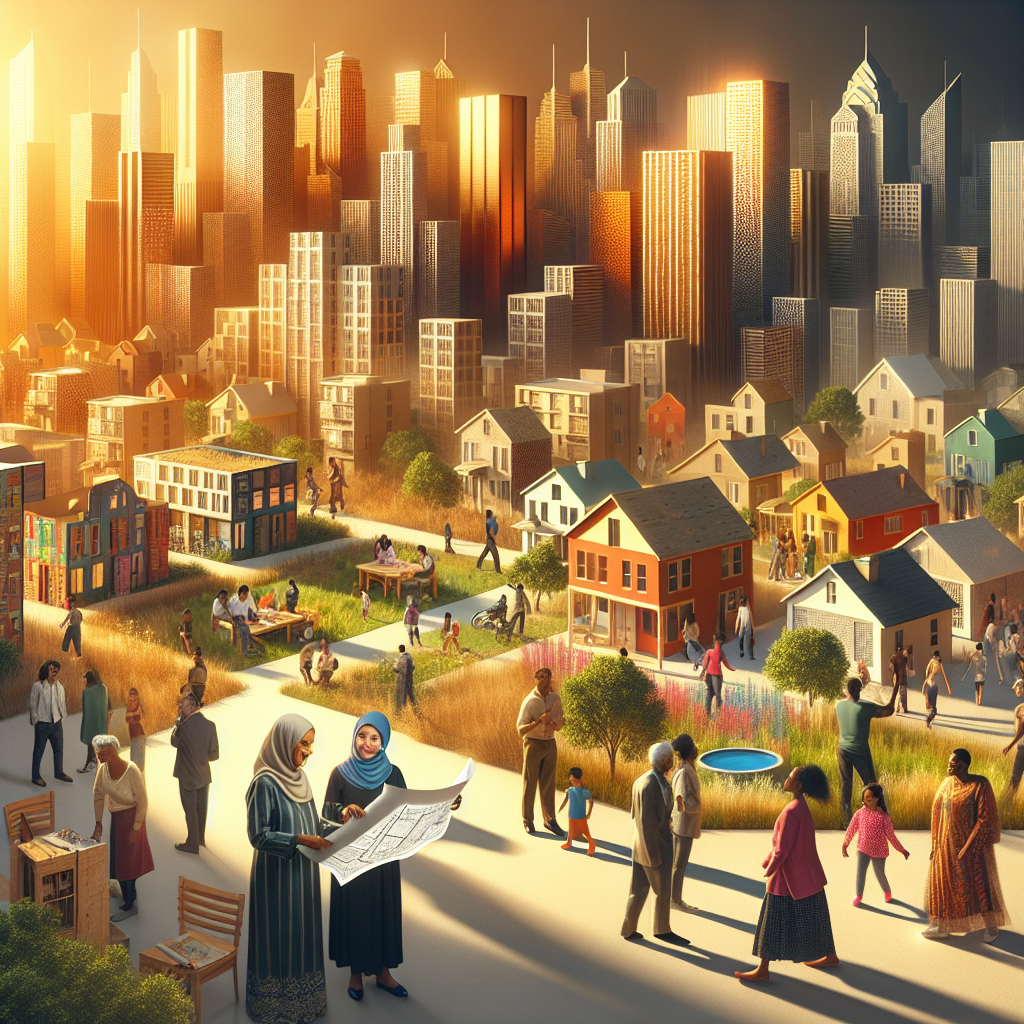
While technological innovations are critical, community-based approaches play an equally vital role in sustainable housing. These approaches foster collaboration, shared resources, and inclusive decision-making, leading to more resilient and cohesive communities.
An inspiring model is the eco-village concept implemented by the Findhorn Foundation in Scotland. This community integrates sustainable living practices, such as shared amenities, permaculture gardens, and renewable energy systems. By prioritizing intentional community living, Findhorn demonstrates how collective efforts can create a more sustainable and fulfilling lifestyle.
Community-based approaches emphasize the importance of working together towards sustainable goals, ensuring that everyone benefits from improved living conditions and a healthier environment.
Retrofitting Existing Structures: Breathing New Life into Old Buildings
The sustainable transformation of existing buildings through retrofitting is a practical and often cost-effective way to reduce the overall environmental impact of urban areas. Retrofitting involves updating older structures with energy-efficient technologies and materials to improve their sustainability.
The Torre Reforma building in Mexico City is a notable example of successful retrofitting. Originally built in the 1980s, the building underwent renovations to enhance its energy efficiency through the installation of energy-saving technologies like thermal insulation and high-performance windows. These efforts resulted in significant energy savings and reduced carbon emissions.
By retrofitting existing structures, cities can preserve their architectural heritage while meeting modern sustainability standards, offering a viable alternative to constructing new buildings from scratch.
Maximizing Eco-Friendly Transportation: The Role of Location
The location of sustainable housing is crucial in determining its overall environmental impact. Proximity to public transportation networks, cycling infrastructure, and pedestrian-friendly amenities can significantly reduce residents’ dependence on private vehicles and lower their carbon footprint.
A shining example of eco-friendly transportation integration is the Hammarby Sjöstad district in Stockholm, Sweden. This urban development emphasizes connectivity by incorporating efficient public transportation, cycling paths, and pedestrian-friendly streets. As a result, the district boasts reduced traffic emissions and promotes a healthier, more sustainable lifestyle for its residents.
Choosing strategic locations for housing developments that prioritize access to eco-friendly transportation options can significantly contribute to sustainable urban growth.
Conclusion: Cultivating a Sustainable Future
As we have explored throughout this article, sustainable housing has evolved beyond theory into a transformative practice that is being implemented globally. From innovative building materials and renewable energy integration to community-based approaches and eco-friendly transportation, each example of sustainable housing innovation offers valuable insights into how we can build a more sustainable future. The benefits of these innovations extend beyond environmental impact; they foster healthier living spaces, lower energy costs, and promote stronger communities.
As individuals, policymakers, and industry leaders, it is crucial to support and invest in sustainable housing practices. By doing so, we contribute to a future where the built environment thrives in harmony with the natural world, ensuring that future generations inherit a planet that can sustain them. Whether you are looking to build a new home, retrofit an older one, or advocate for policy changes, take inspiration from the global innovations highlighted here. Explore sustainable options, support green initiatives, and participate actively in creating a more sustainable world for all.
Remember, the journey toward sustainable housing starts with informed decisions and collaborative actions. Embrace the innovations available today and be a part of shaping a better tomorrow by making sustainable housing a priority in your community.
Frequently Asked Questions
1. What is sustainable housing and why is it important?
Sustainable housing is a modern approach to home building that focuses on reducing the environmental impact of residential structures. It’s a crucial aspect of addressing broader environmental and climate change issues. The importance of sustainable housing lies in its multifaceted approach to minimizing carbon footprints through several innovative methods. For instance, it utilizes sustainable materials, such as recycled steel and bamboo, and integrates renewable energy sources, like solar panels and wind turbines, to power homes cleanly and efficiently. Additionally, sustainable housing emphasizes energy efficiency by employing advanced insulation techniques and energy-saving appliances, which help reduce overall energy consumption. Water conservation features, like rainwater harvesting systems and low-flow plumbing fixtures, play a pivotal role in sustainable homes by reducing water wastage. Moreover, these homes prioritize indoor air quality, often integrating green roofs and ventilation systems that circulate clean air, thereby promoting the health and well-being of its inhabitants. Understanding and embracing sustainable housing is vital as it offers a way to live more harmoniously with our planet, significantly reducing our ecological footprint.
2. How do renewable energy sources factor into sustainable housing?
Renewable energy sources are integral to the concept of sustainable housing as they provide clean, sustainable power while reducing dependency on fossil fuels. Typically, these homes incorporate solar panels, which are a popular choice due to their ability to harness sunlight and convert it into electricity, even in regions with less direct sunlight. Wind turbines are another option, especially in areas with suitable weather conditions for generating wind power. Beyond these, some sustainable homes tap into geothermal energy, which involves using the earth’s natural heat to regulate indoor temperatures, keeping spaces warm in the winter and cool in the summer. By integrating these renewable sources, sustainable houses not only reduce energy costs for homeowners but also lower carbon emissions substantially. This shift not only supports environmental health but also fosters energy independence, which can be particularly beneficial during power shortages or increases in electricity costs. Ultimately, the reliance on renewable energy sources in sustainable housing represents a practical, forward-thinking solution to the environmental challenges posed by conventional energy systems.
3. What role does energy efficiency play in sustainable housing?
Energy efficiency is a cornerstone of sustainable housing, focusing on minimizing energy waste within the home. This is achieved through several strategies that collectively enhance how a home uses and conserves energy. Firstly, high-performance insulation materials are used throughout the building to maintain indoor temperatures, reducing the need for constant heating and cooling. Advanced building techniques ensure the home is well-sealed, preventing unwanted air leaks that could compromise energy efficiency. Additionally, energy-efficient appliances, such as Energy Star-rated refrigerators, dishwashers, and lighting fixtures, are employed to further cut down on unnecessary energy usage. Energy-efficient windows, designed to prevent heat escape, are also a common feature that contributes significantly. Smart home technology adds another layer, allowing occupants to monitor and adjust energy consumption in real-time through devices that can control heating, cooling, and lighting remotely. By implementing these energy-efficient measures, sustainable housing significantly reduces energy bills and contributes to lower greenhouse gas emissions, thereby aligning with broader environmental goals.
4. How does sustainable housing improve indoor air quality?
Improving indoor air quality is a vital aspect of sustainable housing that directly benefits the health and comfort of its residents. A sustainable home often employs several innovative design and construction techniques to maintain clean, pollutant-free air indoors. One common feature is the use of non-toxic materials and finishes, such as low-VOC (volatile organic compounds) paints and sealants, which prevent harmful emissions from contaminating indoor air. In addition, sustainable homes often incorporate advanced ventilation systems that constantly circulate fresh outdoor air while filtering out dust, allergens, and other pollutants. Green roofs and indoor plants also play a role by naturally filtering the air and adding oxygen, which can improve overall air quality. Moreover, sustainable building designs usually include strategic window placements that maximize natural ventilation and daylight, reducing reliance on artificial lighting and mechanical ventilation systems. These methods collectively ensure that the indoor environment remains healthy and comfortable for the inhabitants, proving that sustainable housing is not just about environmental benefits but also about enhancing quality of life.
5. How is water conservation addressed in sustainable housing?
Water conservation is a fundamental component of sustainable housing, with design and functionality aimed at optimizing water usage and reducing waste. Many sustainable homes incorporate rainwater harvesting systems that collect rainwater for landscaping or even household use, significantly reducing reliance on municipal water supplies. Greywater recycling systems are also commonly used, treating water from sinks, showers, and washing machines for reuse in toilets or irrigation, closing the loop on water usage within the home. These homes often feature low-flow faucets, showerheads, and dual-flush toilets, which significantly diminish water consumption without compromising performance. Landscaping around sustainable homes typically involves drought-resistant plants that require minimal irrigation, further conserving water. Additionally, smart irrigation systems can efficiently water landscapes based on weather conditions and soil moisture levels, ensuring that water is used judiciously. By implementing these innovative water-saving methods, sustainable housing plays a pivotal role in conserving one of our planet’s most precious resources, while demonstrating stewardship in sustainable living practices.