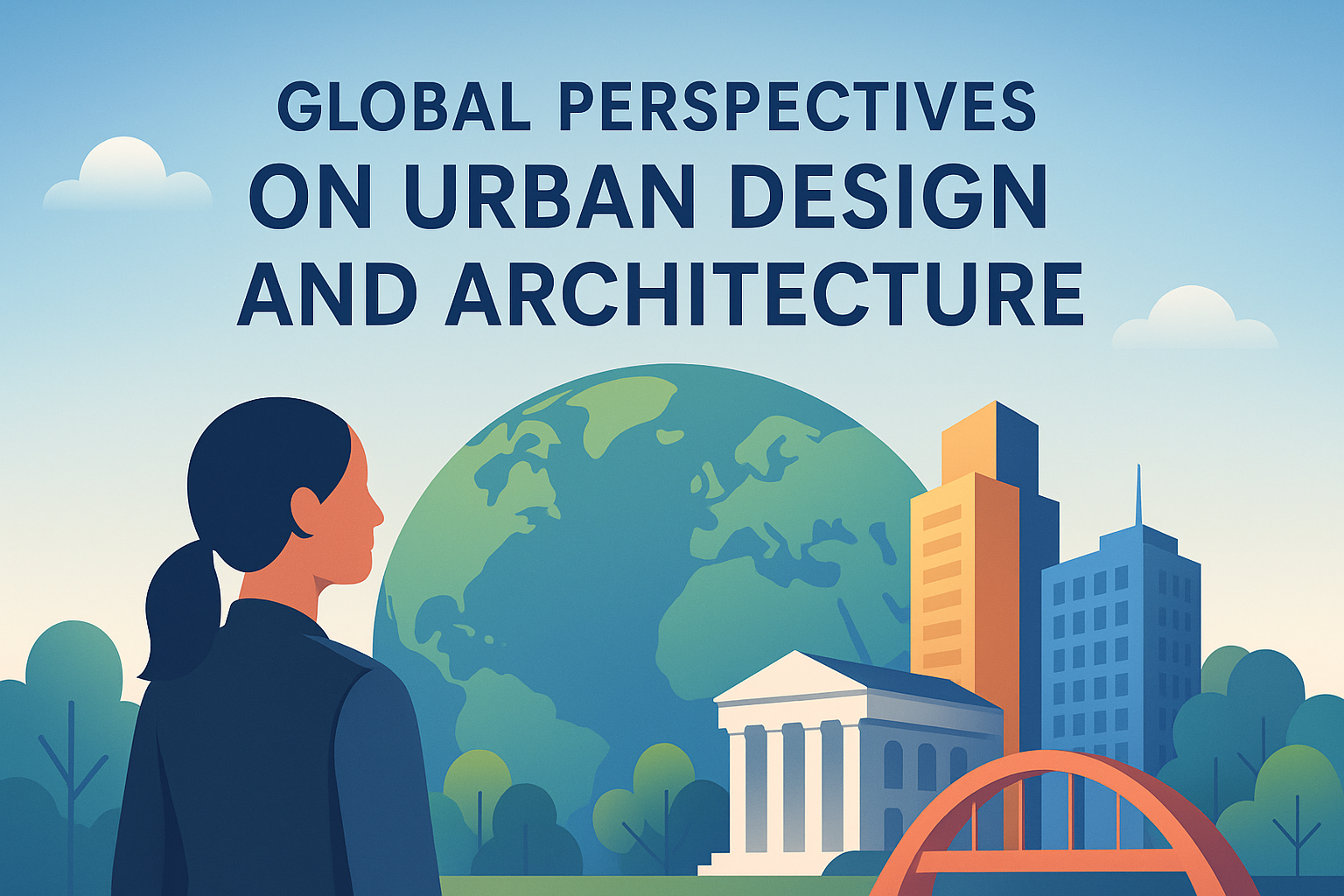
Urban design and architecture are pivotal to shaping the landscapes of cities around the world. These fields influence how we live, work, and interact with our environments. Urban design refers to the process of designing the physical features of cities, towns, and villages, focusing on aesthetics, function, and infrastructure. Architecture, meanwhile, is the art and science of building design, focusing on both the functional requirements and the creative aspects of construction. Together, they serve as the backbone of urban development, holding vast significance for economic, cultural, and environmental factors.
In a globalized world, urban design and architecture are not limited by geographical boundaries. They reflect cultural values, respond to local needs and climates, and are influenced by global trends. This interplay makes them pressing and relevant issues for societies worldwide. As populations grow and urbanization accelerates, understanding global perspectives on urban design and architecture becomes increasingly important. This knowledge helps in creating sustainable, inclusive, and forward-thinking spaces that cater to diverse populations.
The synthesis of design aesthetics with practical needs shapes beautiful and functional spaces, aiding in the quality of life. Effective urban design and architecture can lead to improved social unity, economic prosperity, and environmental sustainability. Without understanding these fields, we risk creating communities that are disjointed, inefficient, and unsustainable.
The Influence of Culture on Urban Design and Architecture
Culture significantly influences urban design and architecture across the globe. Different regions exhibit unique characteristics in their architectural styles and urban layouts that reflect their cultural heritage. For instance, Japan’s urban environments are strongly influenced by its historical emphasis on harmony, minimalism, and the natural environment. Traditional structures, such as the Japanese pagoda and the zen garden, emphasize simplicity, balance, and a strong connection to nature.
In contrast, Western architectural elements often strive to demonstrate power and modernity, visible in towering skyscrapers and innovative designs. Iconic examples include New York City’s skyline and the avant-garde structures like the Guggenheim Museum in Bilbao, Spain. Cultural influences highlight how different societies prioritize varied aspects such as spirituality, community, and individualism in their urban planning efforts.
- Japanese architecture: Harmony, simplicity, connection to nature
- Western architecture: Modernity, innovation, power
- Moorish architecture: Ornate, intricate, historical
Each culture’s unique approach to urban design and architecture results in diverse and rich environments that reflect their histories, priorities, and values.
Sustainability in Urban Design and Architecture
Sustainability is a critical factor in contemporary urban design and architecture. As the global community becomes more conscious of environmental issues, sustainable practices are increasingly being integrated into urban development. Sustainable design considers the environmental impact of construction, maintenance, durability, and energy consumption.
One of the prominent examples is Copenhagen, Denmark, a city known for its commitment to sustainability in urban planning. The city has an extensive network of bicycle lanes, pedestrian streets, and green spaces that promote a low-carbon lifestyle. Buildings in Copenhagen often incorporate energy-efficient technologies like solar panels, green roofs, and systems for rainwater harvesting.
This emphasis on eco-friendly urban design not only reduces environmental footprints but also enhances residents’ quality of life by promoting healthier, more inclusive living spaces.
Innovations in Urban Design and Architecture
The field of urban design and architecture is continually evolving, driven by technological advances and innovative ideas. Digital technologies, like Building Information Modelling (BIM) and Geographic Information Systems (GIS), have transformed planning processes, allowing for more accurate and efficient designs.
For instance, the Dutch city of Rotterdam has embraced these innovations to become a hub for smart urban design. The city integrates technology in its architecture to maximize energy efficiency and optimize space utilization. Smart materials, 3D printing, and modular construction are also becoming more prevalent, allowing for flexibility and precision in architectural projects.
These innovations provide architects and urban planners with powerful tools to meet the challenges of modern urbanization and create cities that are smart, efficient, and sustainable.
The Role of Technology in Urban Design
Technology plays an essential role in modern urban design and architecture. Smart cities are emerging worldwide, using technology to enhance the quality of urban life. This includes deploying sensors, cameras, and data analytics to monitor and manage urban utilities and services efficiently.
For example, in Singapore, smart technology is at the heart of urban design. The city-state utilizes an extensive network of smart systems to manage everything from traffic flow to waste disposal and water management. Through real-time data collection and analysis, Singapore ranks among the most technologically integrated urban centers globally, enhancing both efficiency and livability.
| Technology | Application |
|---|---|
| Sensors | Monitoring traffic and environmental conditions |
| Data Analytics | Analyzing urban requirements and resources |
| Smart Materials | Energy efficiency and adaptability |
The integration of technology into urban settings assists cities in remaining responsive to inhabitants’ needs while maintaining resource efficiency, showing a path forward for future urban development.
Challenges in Urban Design and Architecture
While urban design and architecture offer numerous opportunities, they also present challenges, especially with the rapid pace of urbanization. Overcrowding, resource depletion, and environmental degradation pose significant issues for cities around the world.
One poignant example is the traffic congestion and pollution in megacities like Mumbai or Los Angeles. These cities struggle with maintaining effective transport systems, offering affordable housing, and managing waste sustainably. Urban planners and architects must balance development with conservation to address these multifaceted challenges.
Despite these obstacles, the ongoing collaboration and innovation within urban design hold promise for overcoming such hurdles, fostering cities that are both vibrant and sustainable for current and future generations.
Implications of Urban Design on Social Structures
Urban design and architecture profoundly affect social interactions and structures within a city. The layout and accessibility of public spaces, residential areas, and business districts influence how people connect and engage with their communities.
The concept of ‘social architecture’ emphasizes designs that promote inclusivity, accessibility, and social cohesion. For instance, in Medellín, Colombia, innovative designs of metro cable systems and public libraries have been pivotal in transforming marginalized neighborhoods, enabling better access to education and employment opportunities.
By considering social dynamics in urban planning, cities can foster environments that support diversity, reduce inequality, and promote positive community interactions.
Conclusion: Embracing a Global Perspective
In sum, global perspectives on urban design and architecture demonstrate the diverse influences and innovative approaches shaping cities today. Cultural nuances inform distinct architectural styles, while sustainability challenges drive developments toward eco-friendly solutions. Technological advancements offer new tools for smart urban growth, balancing the complexities of modern urban challenges in innovative ways.
Ultimately, successful urban design and architecture require a harmonious blend of tradition and innovation, ensuring cities are not only efficient and beautiful but also inclusive and sustainable. As we continue to navigate a rapidly urbanizing world, adopting a holistic, global perspective becomes vital for creating spaces conducive to thriving communities.
The path forward involves continuous learning and adaptation, encouraging architects, planners, and policymakers to collaborate across cultures and disciplines. Whether by integrating renewable energy sources, utilizing smart technologies, or facilitating community-centric designs, your engagement and awareness can contribute to shaping the future of urban life. Consider advocating for or participating in local urban development projects to make a meaningful difference in your surroundings.
Frequently Asked Questions
1. What is the main role of urban design in shaping cities worldwide?
Urban design plays an instrumental role in shaping cities by focusing on the layout and organization of urban spaces, ensuring that they are aesthetically pleasing, functional, and sustainable. It involves creating public spaces, establishing transportation networks, and enhancing the overall urban environment in a way that encourages community interaction and supports the well-being of residents. From vibrant public squares to pedestrian-friendly streets, urban design influences nearly every physical aspect of urban living. Its role extends beyond aesthetics, as it also impacts the social, economic, and environmental dynamics of a city. Well-designed urban areas can reduce congestion, improve air quality, and increase accessibility, making cities more livable and vibrant. In essence, urban design is like the blueprint for a city’s growth and functionality, influencing how people experience their urban environments on a daily basis.
2. How does architecture differ from urban design, and how are they interconnected?
While urban design focuses on the broader scale of planning the structure and function of entire neighborhoods or cities, architecture delves into the artistry and engineering of individual buildings. Architecture is concerned with constructing buildings that not only meet practical requirements, such as occupancy and safety, but also express creativity and innovation through design. Architecture achieves this by considering materials, forms, technological advancements, and aesthetic principles. Together, architecture and urban design collaborate to ensure that individual structures coexist harmoniously within the urban landscape. For example, a beautifully designed building enhances its surroundings and contributes to the overall character of the city. Furthermore, architects must consider the urban context during the design process to ensure that their buildings align with public spaces, transit systems, and the city’s identity. Thus, while urban design and architecture operate on different scales, they are deeply intertwined, with architecture providing the building blocks that urban design arranges into a cohesive urban tapestry.
3. In what ways do global perspectives influence urban design and architecture?
Global perspectives influence urban design and architecture by introducing diverse design philosophies, practices, and technologies from around the world. This global exchange of ideas leads to innovative solutions that address various urban challenges, such as housing shortages, traffic congestion, and climate change. For instance, the adoption of green building practices from one region might inspire sustainable development across the globe, while innovative urban mobility solutions from another area could become models for urban transport systems elsewhere. Moreover, cultural exchange allows for the integration of culturally significant architectural styles and urban forms into cities worldwide, enriching their visual and cultural landscapes. By considering global perspectives, urban planners and architects can create spaces that are inclusive and adaptable, catering to a wide range of preferences and needs. Furthermore, incorporating global approaches encourages resilience in urban design and architecture, preparing cities to better adapt to global challenges, such as environmental changes and population growth. Ultimately, the global perspective fosters creativity and progress in designing responsive and resilient urban environments.
4. What are the benefits and challenges of incorporating sustainability into urban design and architecture?
Incorporating sustainability into urban design and architecture presents numerous benefits and challenges. On the benefits side, sustainable design practices lead to the creation of energy-efficient buildings, reduced waste, and enhanced resilience to climate change impacts. Sustainable urban areas often feature green spaces, innovative waste management systems, and efficient public transportation networks, improving the overall quality of life for residents. Moreover, sustainable architecture reduces energy consumption and promotes the use of renewable resources, leading to decreased greenhouse gas emissions and a smaller carbon footprint. However, the challenges of sustainable design include the high initial costs associated with green technologies and materials, as well as the complexity of retrofitting existing urban infrastructure. Keeping pace with evolving regulations and standards related to sustainability can also be demanding. Despite these challenges, the long-term benefits of sustainability in urban design and architecture, such as reduced operational costs and improved environmental health, make it a critical consideration for future city planning and building design.
5. How do cultural and historical contexts influence urban design and architecture in different regions?
Cultural and historical contexts significantly influence urban design and architecture by dictating certain stylistic elements, building materials, and the overall approach to space utilization. In many regions, architectural styles reflect the local history, cultural values, and traditions. For instance, cities in Europe might feature classical or baroque architectural elements, while cities in Asia might incorporate designs reflecting traditional philosophical or religious beliefs. The historical context influences the preservation of heritage sites and structures, impacting how new developments are integrated with existing urban fabrics. Furthermore, cultural preferences shape the design of public spaces, influencing how they are used and perceived by locals. In some societies, public squares and marketplaces form the heart of community interactions, leading to specific design considerations that cater to these activities. Understanding these cultural and historical elements allows urban designers and architects to create places that resonate with the local identity, fostering a sense of belonging and pride among residents. Ultimately, the integration of cultural and historical contexts ensures that urban environments are not only functional and modern but also rich in character and meaning.