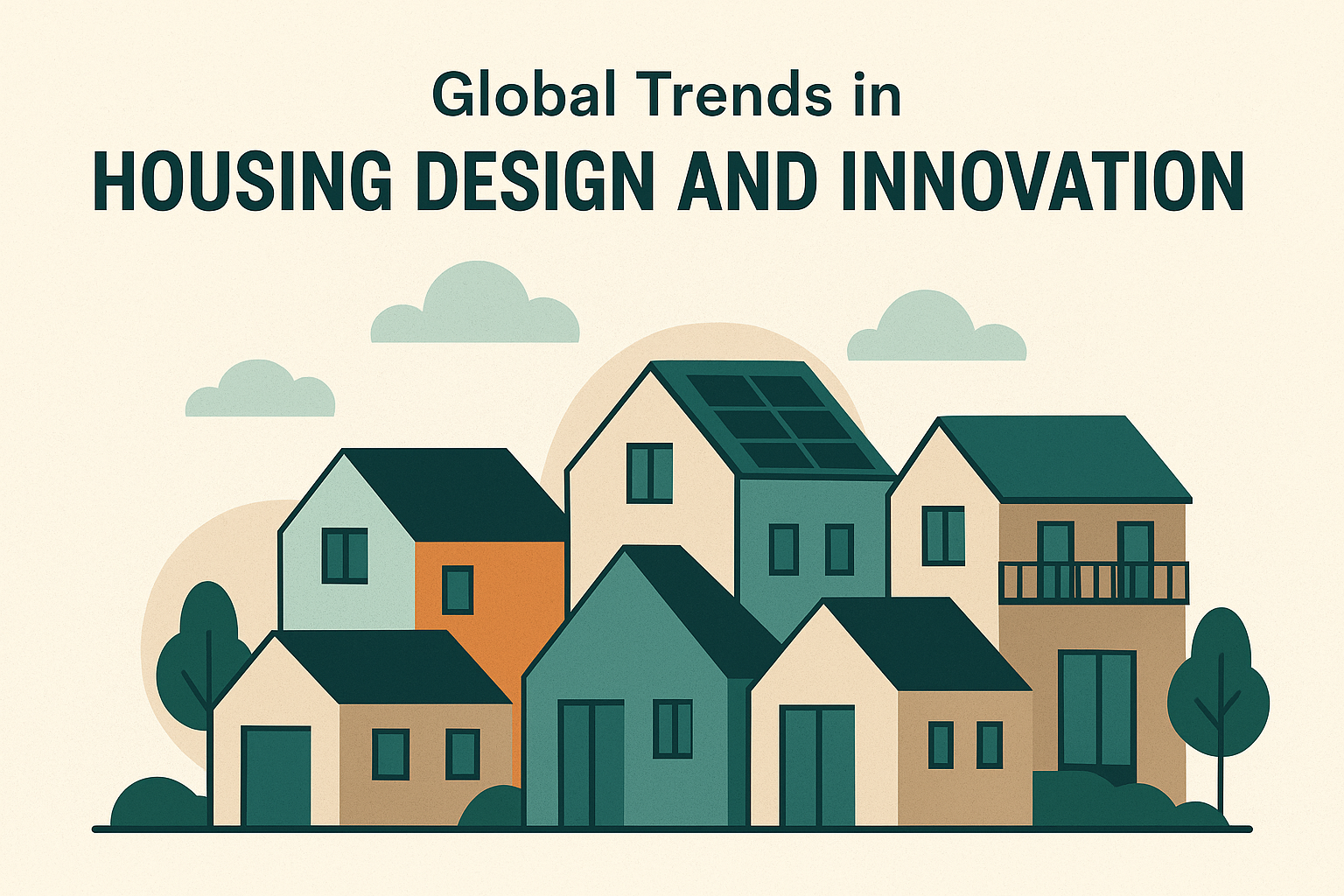
In an ever-evolving global landscape, housing design and innovation are subjects of increasing importance. As urban populations swell, climate change impacts the globe, and technological advancements accelerate, the demand for housing solutions that are sustainable, efficient, and adaptable has never been more pressing. Housing design refers to the architectural and engineering practices used to construct the spaces where we live. Innovation in housing means adopting new technologies, materials, and methods to improve quality, efficiency, and sustainability. This matters not only because it directly influences our daily lives but also because it plays a critical role in addressing broader societal challenges such as urbanization, environmental sustainability, and social equity. As individuals, communities, and nations explore these concepts, they echo a commitment to building a future that is both habitable and coherent with ecological and socio-economic realities.
Sustainable and Green Building Practices
One of the most significant trends in housing design is the shift towards sustainable and green building practices. This trend is driven by a growing recognition of the importance of reducing environmental impact and enhancing the sustainability of our planet. Key components of this trend include energy-efficient designs, the use of renewable materials, and innovations that minimize waste and pollution.
A real-world example of sustainable housing design is the Bullitt Center in Seattle, often dubbed “the greenest commercial building in the world.” This building integrates rainwater harvesting, natural ventilation, and solar power systems, achieving energy efficiency and sustainability at an unprecedented level. By utilizing locally sourced materials and efficient design strategies, the Bullitt Center establishes a model for sustainable living environments. Such developments provide insights into ways we can incorporate sustainability into residential housing design, making it accessible and practical for everyday living.
Smart Homes and Home Automation
The era of smart technology is upon us, and housing design has embraced this trend through the proliferation of smart homes and home automation systems. These systems allow homeowners to control various aspects of their homes remotely, from lighting to security to climate control, thereby enhancing convenience, security, and energy efficiency.
The impact of smart home technology is exemplified by Samsung’s SmartThings platform, which integrates various devices into a cohesive network, allowing occupants to control appliances, security systems, and energy usage from a single interface. This way, homeowners can program their homes to maintain optimal temperatures, reduce unnecessary energy consumption, and ensure safety. The SmartThings network facilitates connectivity, energy savings, and an elevated standard of living through technology that adapts to our daily needs.
Flexible and Multi-Functional Living Spaces
As urban populations increase, the demand for versatile living spaces that can adapt to various needs is growing. Flexible and multi-functional living spaces are innovations in housing design that address the limitations of traditional living arrangements. This approach emphasizes adaptability and utility, allowing spaces to serve multiple functions without the need for additional square footage.
An example of this is the YO! Home apartment concept, which incorporates movable walls and furniture to transform a single space into a living room, kitchen, dining area, and bedroom as needed. This kind of innovative design exemplifies how limited living areas can be reimagined to create an environment that caters to changing lifestyles and preferences, making the most out of small spaces without compromising on comfort or function.
- Convertible furniture solutions that maximize space utilization are gaining popularity.
- Sliding and retractable walls offer privacy and flexibility within open floor plans.
- Bespoke storage solutions enhance organization in compact areas.
Community-Oriented Developments
Another trend shaping housing design is the focus on community-oriented developments. Recognizing that housing extends beyond individual units, designers and builders are crafting neighborhoods that foster social interaction, inclusivity, and shared resources. This trend supports not only sustainability but also the well-being of residents by enhancing community bonds and mutual support.
The concept of co-housing communities is a prime example. In these setups, residents often share resources like gardens, laundry facilities, and communal kitchens, which reduces individual footprints and fosters community ties. Developed correctly, such communities provide affordable and sustainable living options and are designed to reduce isolation and encourage collaboration among neighbors. By prioritizing shared spaces and collaborative designs, community-oriented developments set a precedent for future urban planning that values inclusivity and connectivity.
Innovative Construction Materials and Techniques
Innovations in construction materials and techniques are integral to modern housing design. As conventional materials like wood, brick, and concrete have significant environmental footprints, developers are seeking alternatives that offer sustainability without compromising structural integrity or aesthetics.
Cross-laminated timber (CLT) is an example of such innovation. CLT panels offer the strength of steel, with improved sustainability, as they are made from fast-growing softwoods and can sequester carbon dioxide. In advanced projects like the Brock Commons Tallwood House at the University of British Columbia, CLT has been adopted for its environmental benefits, as well as its rapid assembly time compared to traditional construction. As technologies like precision CNC machining advance, CLT represents a shift towards greener construction methodologies that align with sustainable design principles.
| Material | Primary Benefit | Example Use |
|---|---|---|
| CLT (Cross-Laminated Timber) | Sustainability | Eco-friendly high-rises |
| Recycled Steel | Durability | Structural framing |
| Hempcrete | Insulation | Wall systems |
Biophilic Design
Biophilic design emphasizes the human-nature connection within built environments. This approach to housing design integrates natural elements such as plants, light, and natural materials to enhance the physical and emotional well-being of occupants. By incorporating natural aesthetics and ecosystems into urban settings, biophilic design makes modern living spaces more healthful and restorative.
The Bosco Verticale towers in Milan typify this trend. These residential towers integrate vertical forests by incorporating over 900 trees in their façade, providing natural shading, improved air quality, and a beautiful aesthetic. Biophilic design like that of the Bosco Verticale not only enhances living environments but also promotes biodiversity within urban areas. By prioritizing green spaces within housing design, biophilic principles aim to reconnect people with nature, encouraging a sense of calm and well-being in everyday life.
Modular and Prefabricated Housing
As demand for efficient housing solutions grows, prefab and modular housing units are gaining momentum. These housing options involve constructing sections of homes offsite, which are then transported and assembled at their final location. This methodology offers cost savings, reduced waste, and faster construction times, making it an attractive option in our fast-paced world.
A notable example is the KODA Loft by Kodasema, a prefabricated micro home that can be installed in less than a day. Its design includes sustainable materials, energy-efficient features, and flexibility in layout and location, catering to various living needs. By offering affordability, decreased construction time, and customizable designs, modular housing solutions like KODA bring forward a future where homes can be both stylish and readily available without excessive financial or environmental costs.
Integration of Blockchain and Non-Traditional Financing
Blockchain and cryptocurrency technologies are finding their way into housing markets, particularly as tools for more transparent and accessible transactional processes. These technologies enable decentralized, secure, and automated record-keeping, which can enhance buying and selling efficiencies in real estate transactions.
Examples include Pilot projects in Dubai, where blockchain technology is applied to streamline real estate transactions, offering home buyers enhanced transparency and significant cost reductions. Blockchain’s immutability and automation capabilities are revolutionizing how property transactions are conducted, lowering barriers to home ownership and creating new opportunities for financial inclusion.
Summary and Final Thoughts
Global trends in housing design and innovation reflect a dynamic shift towards sustainable, efficient, and user-centered living environments. From embracing green building practices to adopting smart home technology, these trends aim to produce homes that not only meet the immediate needs of occupants but also address broader societal challenges, including environmental sustainability, social equity, and urbanization pressures.
The developments and examples discussed herein highlight the potential for innovative solutions to redefine how we think about, design, and interact with residential spaces. By understanding and leveraging these trends, individuals and communities can lead the way in creating housing solutions that are not only practical and innovative but are also aligned with long-term ecological and social goals.
As you consider the potential for integrating some of these concepts into your own living space or community planning efforts, take the next step by exploring resources and experts specializing in innovative housing design. Through empowered knowledge and proactive inquiry, we can all contribute to a future that celebrates and sustains the diverse tapestry of human habitation.
Frequently Asked Questions
1. What are the key global trends in housing design today?
In today’s world, several key trends are shaping the future of housing design on a global scale. Rapid urbanization and an influx of people moving to cities have resulted in smarter, more efficient use of space. Compact and multifunctional living areas are becoming the norm. Moreover, sustainable design practices are at the forefront of innovation. Architects are increasingly using eco-friendly materials, like recycled steel, bamboo, and responsibly-sourced timber, and implementing green building techniques that reduce environmental impact. Another significant trend is smart technology integration; housing designs now often include automation systems to control lighting, temperature, and security from mobile devices. Additionally, there’s a focus on community-oriented housing, where shared spaces and communal facilities encourage social interaction. The blending of outdoor and indoor spaces is also emerging, creating a seamless transition that promotes a better quality of life.
2. How is technology driving innovation in housing design?
Technology is a major driver of innovation in housing design, transforming not only how homes look but also how they function. From advanced materials to smart home systems, technology is redefining living spaces. 3D printing, for example, is revolutionizing construction by allowing for rapid production of complex shapes with minimal waste. Building Information Modeling (BIM) software is enhancing the ability to visualize, simulate, and analyze building designs before construction begins. In terms of everyday living, the integration of Internet of Things (IoT) devices helps create homes that are safer, more efficient, and tailored to personal preferences. Smart thermostats, automated lighting, and security systems that can be controlled remotely are just the tip of the iceberg. Renewable energy technology, such as solar panels and energy storage systems, are becoming more accessible and integrated into modern housing designs, supporting energy-independent homes and contributing to lower carbon footprints.
3. What makes a housing design sustainable?
Sustainability in housing design goes beyond the mere use of eco-friendly materials. It encompasses the entire lifecycle of the building, including energy efficiency, resource conservation, and minimization of environmental impact. A sustainable home is designed to respect and harmonize with its environment, often utilizing passive solar design which considers the home’s positioning and orientation to maximize natural light and reduce reliance on heating and cooling systems. High-performance insulation and energy-efficient windows are staples of sustainable design, helping to maintain a comfortable indoor climate. Water conservation systems, like rainwater harvesting and greywater recycling, play a crucial role in reducing the home’s freshwater usage. Additionally, incorporating natural ventilation strategies and green roofs can significantly enhance a building’s environmental performance. Ultimately, sustainable housing design not only reduces the ecological footprint of a home but also promises lower energy costs and a healthier living atmosphere for its occupants.
4. How are cultural and regional factors influencing housing design globally?
Culture and regional traditions significantly influence housing design, providing unique solutions that cater to local climates, customs, and social norms. For instance, in warmer regions, houses are often designed with open courtyards and shaded verandas to facilitate natural ventilation and cooling. In contrast, northern climates may favor compact designs that minimize heat loss. Cultural practices also play an essential role; in many parts of Asia, the concept of multipurpose spaces – where rooms serve various functions throughout the day – has influenced the creation of flexible living environments. Meanwhile, in places with strong communal values, housing designs tend to include larger, shared spaces to accommodate social gatherings. The use of local building materials not only celebrates cultural heritage but also minimizes the carbon footprint associated with transportation. Ultimately, these regional adaptations to housing design ensure that each dwelling aligns with the identity and practical needs of its community.
5. How are urban challenges such as population growth and climate change impacting housing design?
The challenges posed by rapid urban population growth and climate change are driving significant changes in housing design. With more people flocking to urban centers, there’s a critical need for space-efficient housing solutions. This has led to the rise of micro-apartments and modular housing that can be easily adjusted or expanded to meet changing needs. These designs maximize available space and often incorporate innovative storage solutions to enhance functionality without sacrificing comfort. Climate change has intensified the focus on resilient housing that can withstand extreme weather events. This includes the construction of elevated buildings in flood-prone areas and the use of impact-resistant materials. Furthermore, there’s an increasing emphasis on reducing energy consumption and carbon emissions. Design elements like green roofs, solar shading, and enhanced building envelopes are becoming common features in urban housing developments to promote energy efficiency and sustainability in the face of environmental challenges.