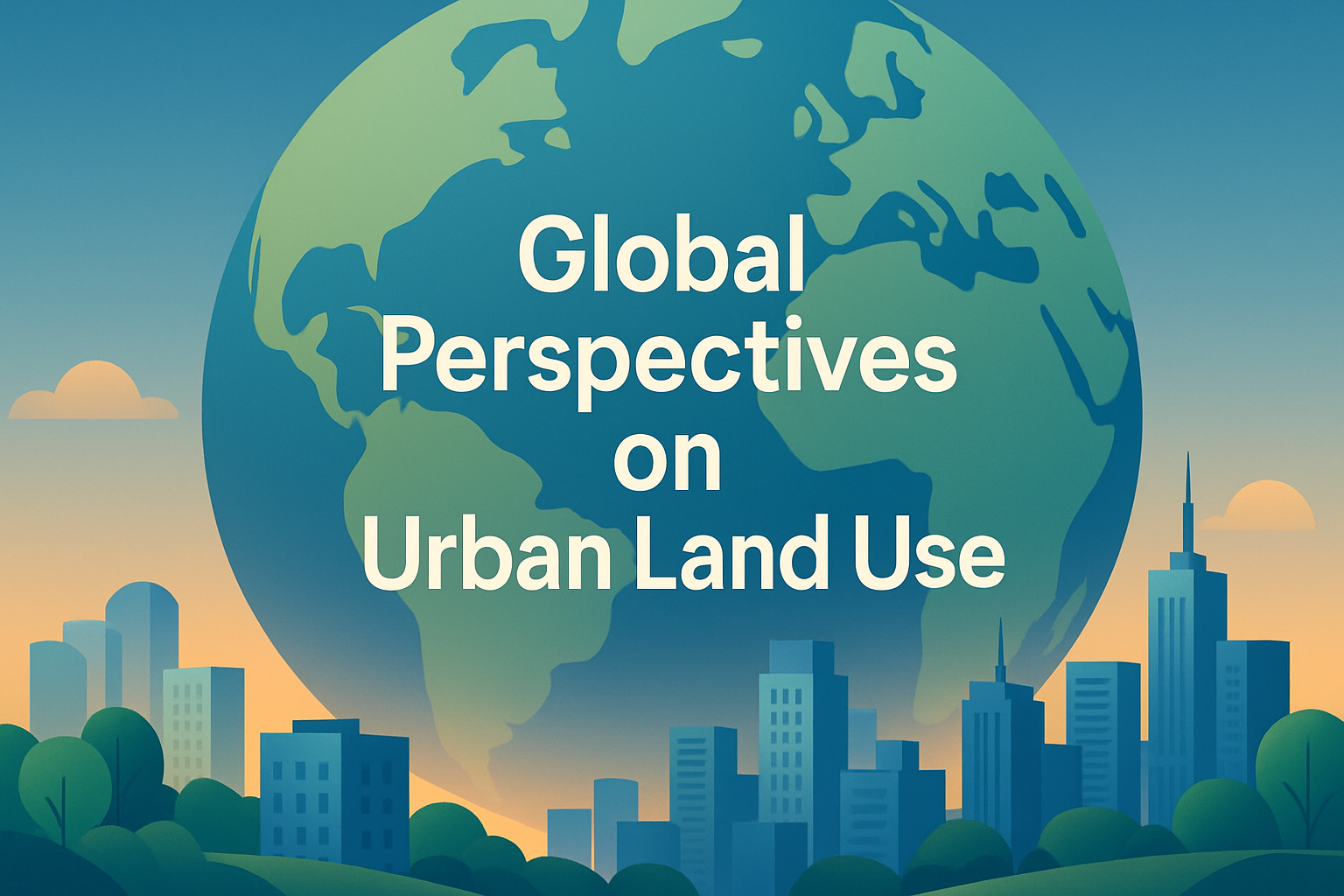
Urban land use is a multifaceted concept that involves the management, development, and organization of land resources within city areas. It plays a crucial role in shaping not only the physical environment of a city but also its socioeconomic dynamics. Urban land use decisions determine where residential areas, commercial activities, industrial zones, and recreational spaces are placed. Furthermore, these decisions deeply influence the quality of life, environmental sustainability, and economic viability of urban areas. As cities around the world continue to grow and evolve, understanding global perspectives on urban land use becomes increasingly important. By delving into these perspectives, we gain insights into the myriad strategies and challenges faced by urban planners and policymakers. This awareness can guide future initiatives and foster international collaboration in addressing common urban challenges.
Historical Context and Evolution of Urban Land Use
Throughout history, the way cities have organized their land has reflected the priorities and technologies of their eras. In medieval Europe, cities were designed with narrow, winding streets and centralized marketplaces. This compact arrangement was primarily due to defensive needs and the limitations of transportation technology. Fast forward to the 19th and 20th centuries, industrialization brought about substantial changes in urban land use patterns. Cities expanded rapidly, and industrial zones sprawled along with the need for worker housing nearby. The rise of the automobile further transformed urban landscapes, leading to suburbanization and the development of highway networks. In modern times, technology, coupled with an increased focus on sustainability, has once again reshaped urban land use as cities strive to become smarter and more resilient.
Contemporary Urban Land Use Models
Presently, cities globally employ various land use models to optimize space and functionality. One prevalent model is the mixed-use development, where residential, commercial, and recreational spaces coexist seamlessly. This approach encourages vibrant communities, reduces the need for commuting, and utilizes space more efficiently. For instance, urban areas in Amsterdam have pioneered mixed-use developments by integrating housing with canalside cafes, bike paths, and office spaces, creating a lively and sustainable urban environment.
Contrastingly, some cities like Los Angeles follow a more segmented approach with distinct residential, commercial, and industrial areas. This model can lead to extensive commuting, necessitating advanced transportation solutions to connect these disparate zones. Despite challenges such as traffic congestion, this well-defined separation can help in specialized planning and efficient resource distribution for each sector.
Challenges in Urban Land Use Planning
Urban land use planning often faces numerous challenges. Population growth is one of the primary drivers, requiring cities to find innovative solutions to accommodate more inhabitants. In densely populated areas like Tokyo, urban planners have turned to vertical growth strategies, constructing high-rise residential and commercial buildings to maximize limited land resources. However, such approaches can strain existing infrastructure and raise concerns regarding urban heat effects and green space scarcity.
Another critical challenge is the balancing of historical preservation with modernization. Cities like Rome offer a unique blend of historical architecture and contemporary functionality. Preserving this cultural heritage while accommodating modern urban needs requires meticulous planning and inventive solutions. Furthermore, socio-economic disparities within cities can exacerbate land use challenges, making equitable distribution of resources and amenities a core consideration for urban planners.
Innovative Approaches and Technology Integration
Incorporating technology and innovation into urban land use plans is transforming city landscapes worldwide. Smart city initiatives, which integrate digital technology into city infrastructure, are reshaping urban management. In Singapore, the implementation of smart traffic management systems and sensors helps to optimize traffic flow and reduce congestion. Additionally, the use of geographic information systems (GIS) has become indispensable for planners to visualize and analyze spatial data, enabling better decision-making processes.
Another technological advancement is the adoption of green technologies aimed at creating more sustainable urban environments. Solar panel installations, green rooftops, and energy-efficient building designs are becoming common in cities like Copenhagen, known for its commitment to environmental sustainability. These strategies not only reduce cities’ ecological footprints but also enhance urban resilience against climate change impacts.
The Role of Policy and Governance
Policy and governance play pivotal roles in shaping urban land use. Effective policymaking can streamline development processes, define land use regulations, and foster sustainable practices. The concept of zoning, for instance, is utilized globally to guide urban growth and control land use patterns. New York City’s zoning laws have historically influenced the city’s skyscraper development and public amenity distribution.
Furthermore, urban governance must address complex issues like affordable housing and transportation equity. Initiatives such as inclusionary zoning, seen in cities like San Francisco, aim to integrate affordable housing into new developments, ensuring diverse communities. These policies highlight the importance of strategic governance in achieving equitable and sustainable urban growth.
Real-World Illustrations and Comparisons
| City | Land Use Strategy | Notable Features |
|---|---|---|
| Amsterdam | Mixed-use development | Integration of housing with commerce and recreation |
| Los Angeles | Segmented approach | Distinct residential, commercial, and industrial zones |
| Tokyo | Vertical growth | High-rise buildings to combat limited land resources |
| Rome | Historical preservation | Balancing heritage with modern infrastructure |
| Singapore | Smart city initiatives | Use of technology for efficient urban management |
| Copenhagen | Green technologies | Focus on environmental sustainability |
By examining these diverse urban land use strategies, we can derive valuable insights and lessons applicable to cities worldwide. Each approach reflects unique local conditions and priorities, demonstrating the complexity and adaptability required in urban land use planning.
Global Collaboration and Knowledge Sharing
As urban challenges become increasingly global, international collaboration and knowledge sharing are essential. Initiatives like the United Nations’ New Urban Agenda aim to provide a collective vision and roadmap for sustainable urban development. By fostering dialogue among countries, sharing best practices, and encouraging partnerships, such initiatives can facilitate solutions to common urban issues.
Moreover, global forums and platforms like the World Urban Forum serve as vital spaces for exchanging ideas and fostering innovation in urban land use. These gatherings bring together policymakers, urban planners, researchers, and stakeholders from diverse backgrounds, promoting cross-cultural learning and cooperation.
Fostering Sustainable Urban Futures
The ultimate goal of urban land use planning is to foster sustainable, livable urban environments that meet the needs of present and future generations. Cities must balance growth with sustainability, ensuring that development does not compromise ecological health or social equity. Emphasizing principles such as compact urban form, energy efficiency, and inclusive design can guide cities toward more sustainable futures.
Promoting sustainable urban futures also requires active public engagement and community participation. Residents should have a say in the decisions that shape their cities, promoting transparency and accountability in the planning process. Empowering community-led initiatives can lead to more inclusive and resilient urban environments that reflect the aspirations and identities of their inhabitants.
Key Takeaways and Conclusion
Understanding global perspectives on urban land use unlocks the potential for more informed and effective urban planning. By exploring diverse models and strategies, we gain insights into the successes, challenges, and innovations that cities worldwide employ in their quest for sustainable development. Key takeaways include the importance of adapting land use strategies to local contexts, integrating technology, and fostering international collaboration to tackle shared urban challenges.
The main benefit to the reader lies in recognizing the intricate relationship between urban land use and the broader environmental, economic, and social fabric of cities. With a comprehensive understanding of these dynamics, stakeholders can better navigate the complexities of urban planning and contribute to creating cities that are not only efficient and sustainable but also inclusive and vibrant.
As cities face ever-changing challenges, the next step is to actively engage in dialogue and action that promotes sustainable urban futures. Whether you are an urban planner, policymaker, researcher, or engaged citizen, there is a role for you in shaping the urban landscapes of tomorrow. Consider participating in local and global forums, advocating for sustainable land use policies, or supporting community-led initiatives that reflect the values and aspirations of diverse urban residents. Together, we can build cities that thrive for generations to come.
Frequently Asked Questions
1. What is urban land use, and why is it important?
Urban land use refers to how land is utilized within city areas. It’s all about managing, developing, and organizing land resources to create a cohesive urban environment. Imagine a city without any planning—you’d have residential buildings sprouting next to noisy factories, small parks overshadowed by towering commercial hubs, and roads that lead to nowhere. The importance of urban land use cannot be overstated as it affects various aspects of city life. It determines where homes, shops, industries, and recreational spaces go, sculpting the city’s physical appearance and impacting its residents’ daily lives.
On one hand, efficient urban land use ensures residential areas are pleasant to live in, with nearby amenities like schools, hospitals, and grocery stores. On the other, it helps ensure that industrial zones don’t create uncomfortable living conditions due to pollution or noise. It also takes into account environmental sustainability by preserving green spaces and ensuring efficient resource management. A well-planned city can boost economic activities by designating areas for businesses that cater to both the local population and tourists. Essentially, strategic urban land use is fundamental for building vibrant, livable, and economically thriving cities.
2. How do global perspectives on urban land use differ?
Urban land use perspectives are influenced by cultural, economic, political, and environmental factors across the globe. For instance, in rapidly growing cities in countries like China and India, the focus tends to lean more towards accommodating their booming populations and industrial expansion. This might involve high-density housing developments and an emphasis on infrastructure to support economic growth. In contrast, European cities often focus on preserving historical areas and integrating green spaces, with many adopting sustainable land use practices to combat urban sprawl.
In North American cities, urban land use often reflects a balance between suburban expansion and urban redevelopment. There is a trend towards creating mixed-use spaces that combine residential, commercial, and leisure activities to reduce the need for long commutes and enhance community living. Moreover, countries like Japan and Singapore, known for their limited space, prioritize vertical expansion, creating high-rise residential and business complexes that make efficient use of available land. Meanwhile, environmental sustainability is a pivotal driver in cities across Scandinavia, where implementing renewable energy sources and eco-friendly transportation systems is crucial. Thus, while the core objectives of urban land use planning are somewhat consistent, the strategies and outcomes can be markedly different depending on geographic and cultural contexts.
3. What challenges do cities face in urban land use planning?
Cities face a myriad of challenges when it comes to urban land use planning, primarily due to the competing demands on limited space. Population growth is a major hurdle, as planners must accommodate more residents while ensuring the city remains livable and sustainable. This often leads to difficult decisions about where to expand or redevelop. For example, balancing the need for affordable housing with the preservation of green spaces is a longstanding issue in urban environments.
Economic inequalities compound these challenges. Land use decisions can inadvertently segregate communities by income, leading to disparities in access to services and amenities. Moreover, adapting to technological advancements, such as integrating smart city technologies and transportation innovations, requires flexible planning approaches. Environmental concerns also weigh heavily; as cities work towards reducing carbon emissions, land use strategies must consider climate change impacts, such as rising sea levels and increased weather volatility. Historical preservation presents yet another challenge, as cities strive to maintain cultural heritage while moving forward with modern development initiatives. In essence, urban land use planning is an ongoing balancing act, aiming to address immediate needs without compromising long-term goals.
4. How does urban land use affect environmental sustainability?
Urban land use has profound implications for environmental sustainability. The way land is allocated can either contribute to or mitigate environmental challenges like pollution, resource depletion, and habitat destruction. For instance, sprawling urban development often leads to increased reliance on cars, which contributes to air pollution and greenhouse gas emissions. In contrast, compact, mixed-use developments can promote walking, cycling, and the use of public transit, significantly reducing the urban carbon footprint.
Moreover, urban land use planning can enhance sustainability by preserving natural landscapes, incorporating green spaces, and implementing systems for managing water, waste, and energy efficiently. Cities can emphasize the construction of eco-friendly buildings that utilize renewable energy sources and sustainable materials. By promoting urban agriculture, cities can boost local food production, which helps reduce the carbon emissions associated with transporting goods over long distances. Thoughtful land use can also support biodiversity by creating networks of parks and green corridors that allow urban wildlife to thrive and improve air quality. Thus, urban land use planning is a critical tool in the quest for sustainable city living.
5. What trends are shaping the future of urban land use?
Several key trends are poised to influence the future of urban land use significantly. Sustainable development and smart city initiatives are at the forefront, as cities strive to become more resilient to climate change and resource constraints. This involves integrating advanced technologies for better energy management, waste reduction, and transportation systems, such as smart grids, zero-emission vehicles, and more streamlined traffic management tools.
The rise of digital and remote work is also impacting urban land use, as it alters traditional demands on office spaces and commuting patterns. As more people work from home, there’s a growing need for residential areas to accommodate home offices and recreational spaces that enhance quality of living. Additionally, the concept of the 15-minute city, where all essential services are accessible within a short walk or bike ride, is gaining popularity as it promotes sustainable and community-centric urban living.
Social equity in urban planning is becoming increasingly important. There’s a stronger focus on inclusivity, ensuring that all residents, regardless of their socioeconomic status, have access to affordable housing, healthcare, education, and recreational spaces. Finally, the adaptive reuse of buildings and structures is gaining momentum. This practice involves repurposing old, sometimes historic structures, for new uses, reducing urban sprawl and preserving cultural heritage. Overall, the future of urban land use is moving towards creating smart, inclusive, and sustainable urban environments that can adapt to changing societal needs and environmental challenges.