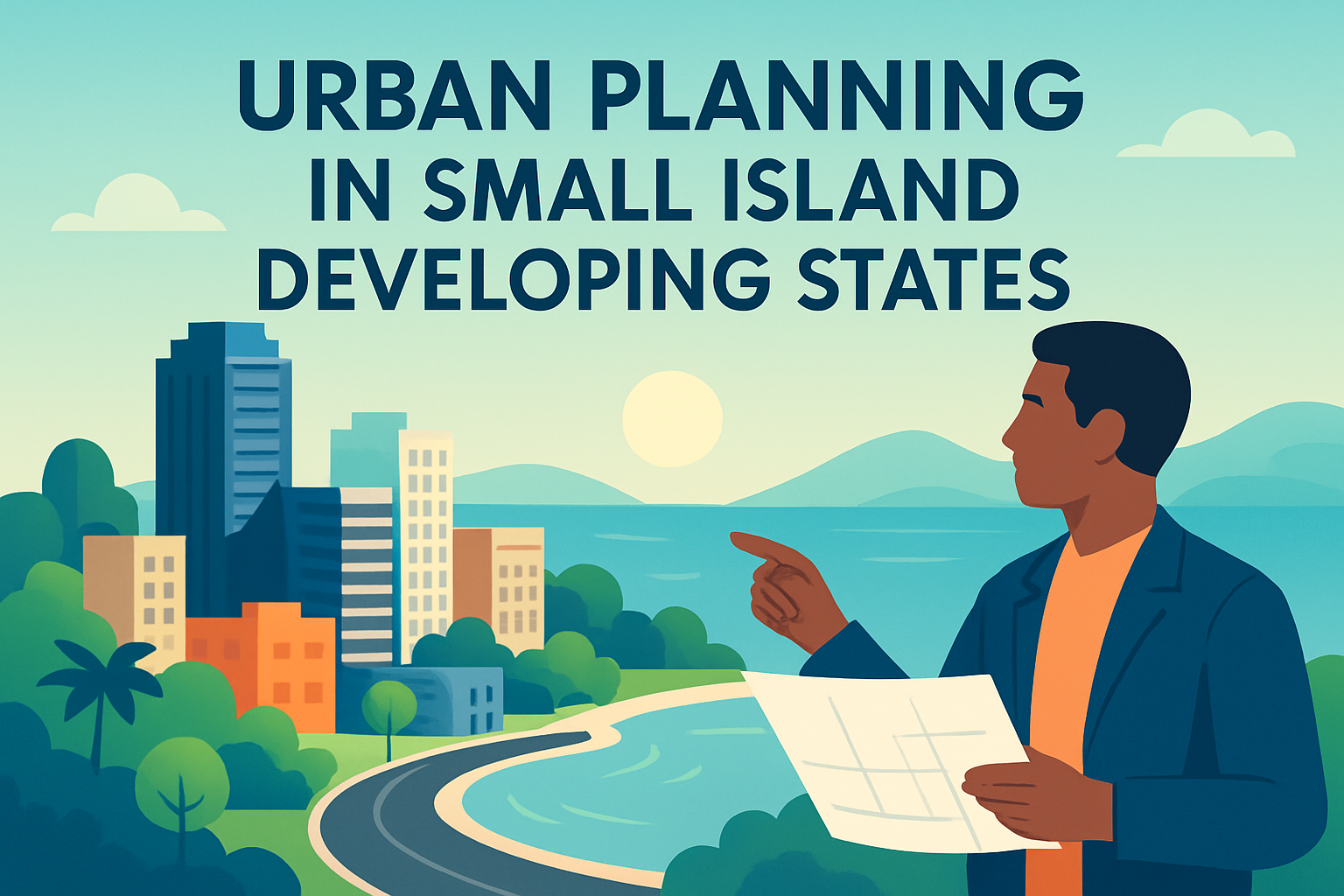
The unique challenges faced by Small Island Developing States (SIDS) make urban planning in these regions a crucial subject matter that demands attention and thoughtful strategy. SIDS are a distinct group of developing countries that face specific social, economic, and environmental challenges due to their geographic and demographic characteristics. Typically located in tropical and subtropical regions, these islands are small in size but burdened with limited resources, susceptibility to natural disasters, and environmental vulnerabilities. The challenges inherent in urban planning in SIDS are amplified by the pressing issues of climate change, rising sea levels, and ever-increasing population densities.
Urban planning is the process by which land use, infrastructure, and services are strategically designed and organized to promote sustainable, functional, and aesthetically pleasing developments. This discipline plays a pivotal role in shaping the future landscapes of urban areas. In the context of SIDS, urban planning holds particular importance because it directly impacts the quality of life for its inhabitants, can mitigate environmental risks, and support economic growth by ensuring the efficient use of limited resources. It is an essential tool in tackling the dual challenges of vulnerability and opportunity inherent within these island nations. Understanding and implementing effective urban planning strategies can significantly enhance resilience, sustainability, and the overall development of SIDS.
Environmental Challenges and Adaptation Strategies
Small Island Developing States are uniquely vulnerable to environmental changes due to their geographic location and economic dependencies. The islands’ limited landmass and exposure to extreme weather events such as hurricanes, cyclones, and tsunamis make urban planning a challenging yet vital endeavor. Climate change exacerbates these threats by contributing to sea-level rise, increased storm intensity, and unpredictable weather patterns.
Effective urban planning in SIDS must include adaptation strategies to bolster resilience against these environmental challenges. One such example is the innovative approach of the Maldives in building artificial islands like Hulhumalé. This development is designed with elevated ground levels and robust infrastructure to withstand rising sea levels and extreme weather. Through urban resilience planning, the Maldives provides a blueprint for long-term resilience, integrating green spaces, efficient drainage systems, and sustainable transportation networks to counter the specific environmental challenges faced by SIDS. This inclusive design not only improves the safety and livelihoods of residents but also sets a precedent for other island nations grappling with similar concerns.
Infrastructure Development and Resource Management
The limited land area of SIDS necessitates innovative and effective infrastructure development. A primary objective is to optimize the use of available land while addressing critical issues such as waste management, water supply, and energy sustainability. Extensive urban planning is required to balance development needs with environmental preservation and resource efficiency.
For instance, Singapore’s PUB Water Reclamation Plants exemplify successful resource management within a constrained setting. By leveraging advanced technology for wastewater treatment and recycling, Singapore manages to reduce its reliance on freshwater imports and enhance its water security. This concept of ‘closing the water loop’, implemented in conjunction with urban planning, serves as a template for SIDS to address their resource management challenges effectively. By investing in sustainable infrastructure solutions, SIDS can prioritize long-term sustainability and environmental health while supporting economic development.
| Key Challenges | Urban Planning Solutions |
|---|---|
| Limited Land | High-Density, Multi-Use Urban Spaces |
| Water Scarcity | Desalination, Rainwater Harvesting, and Recycling |
| Energy Dependence | Renewable Energy Integration |
| Waste Management | Waste-to-Energy Approaches |
Promoting Sustainable Economic Growth
Urban planning in SIDS plays a crucial role in fostering sustainable economic development by encouraging investment, optimizing land use, and promoting industries that align with environmental sustainability. Due to limited natural resources and dependence on external trade, SIDS often develop unique economic models to support growth while preserving ecological balance.
The transformation of Mauritius into a business-friendly hub highlights the critical role that urban planning can play in economic development. Through strategic zoning, infrastructure investments, and policy support, Mauritius encourages diverse industries ranging from finance to information technology. This diversification diminishes dependence on traditional sectors such as sugarcane or tourism, positioning Mauritius as a resilient, economically diversified nation. Implementing similar urban planning strategies can enable other island nations to achieve sustainable economic growth without overexploiting their natural resources.
Community Involvement and Governance
Community engagement and governance are fundamental to the successful implementation of urban planning initiatives in SIDS. Residents’ participation in shaping their urban environments ensures that the planning aligns with local needs, preferences, and cultural values. Creating inclusive and participatory frameworks fosters ownership, accountability, and acceptance of urban development projects.
Jamaica’s thrust for community-led development illustrates the significance of involving residents in urban planning processes. Through initiatives such as participatory budgeting and public consultation forums, communities in Jamaica effectively articulate their needs and influence development priorities. These mechanisms ensure that urban planning is responsive, equitable, and reflects community aspirations, enhancing the overall quality of life for island residents. By fostering transparent governance and leveraging the unique cultural insights of island communities, SIDS can create urban landscapes that are both sustainable and culturally enriching.
Navigating the Challenges of Population Growth
Population growth is a pressing concern for many SIDS, where limited land availability and resource constraints pose significant challenges to accommodating increasing numbers of inhabitants. Urban planning emerges as a critical tool in addressing the complications associated with population density, housing, and resource distribution.
A successful example of managing rapid urban growth can be observed in Aruba, an island known for balancing tourism-driven development with sustainable urban design. Through planned housing developments and zoning regulations, Aruba controls urban sprawl while maintaining open spaces for tourism activities and green areas. Features such as efficient public transport systems and pedestrian-friendly urban centers help manage population density and reduce congestion. By adopting a holistic approach to urban planning, Aruba provides insights into managing population pressures without compromising environmental integrity or quality of life.
Conclusion and Next Steps
Urban planning in Small Island Developing States plays a crucial role in addressing the multifaceted challenges posed by environmental vulnerabilities, limited resources, and population pressures. SIDS must strategically leverage urban planning to build resilient, sustainable, and economically viable urban environments that cater to the unique demands of island life. Through innovative adaptation measures, effective resource management, fostering sustainable economic growth, engaging communities, and managing population growth, SIDS can pave the way for brighter, thriving futures.
The examples and strategies discussed highlight the importance of adopting a well-rounded approach to urban planning, integrating environmental, social, and economic considerations. By adopting these strategies, SIDS can mitigate risks, capitalize on opportunities, and enhance the well-being of their residents. Readers are encouraged to consider the specific context of their island nations and apply the insights gained herein to actively participate in shaping sustainable urban futures. The time for action is now—let us work together to forge resilient and vibrant island communities for generations to come.
Frequently Asked Questions
1. What are the main challenges that urban planners face in Small Island Developing States (SIDS)?
Urban planning in Small Island Developing States is challenged by a unique set of conditions largely stemming from their geographic and demographic characteristics. These islands are typically small, which means limited land is available for development, creating a high demand for space that must be efficiently planned to accommodate both residential and commercial needs. Moreover, SIDS are often more vulnerable to natural disasters such as hurricanes, tsunamis, and rising sea levels due to climate change, necessitating robust infrastructure capable of withstanding such events.
The economic limitations present another hurdle: many of these islands rely on a limited number of industries, such as tourism and fishing, which can be volatile. This reliance on narrow economic bases makes it critical for urban development plans to incorporate diversified economic opportunities to ensure long-term stability and resilience. Additionally, the challenge of balancing environmental conservation with urban expansion is significant; SIDS are rich in biodiversity and often possess unique ecosystems that urban development could threaten. Therefore, planners need to incorporate sustainable practices that protect the natural environment while meeting human needs.
2. How do Small Island Developing States ensure sustainable urban development given their resource limitations?
To ensure sustainable urban development, Small Island Developing States often adopt integrated planning approaches that consider social, economic, and environmental factors holistically. Given the limited space and resources, urban planners focus on maximizing the use of available land through compact and efficient land use plans. This approach often includes the development of multi-functional spaces that serve various needs simultaneously, reducing the overall footprint of urbanization.
Moreover, SIDS are increasingly turning towards renewable energy sources, such as solar and wind, to reduce reliance on imported fuels and promote sustainability. By investing in green infrastructure—such as energy-efficient buildings and systems, effective water management strategies, and sustainable waste management solutions—SIDS endeavor to create urban environments that can thrive with limited resources.
Community involvement is also crucial; planners often engage with local communities in participatory planning processes to ensure developments reflect the needs and aspirations of residents, promoting social cohesion and equitable growth. Finally, regional and international collaboration provides opportunities for sharing knowledge, expertise, and resources that support sustainable urban planning efforts.
3. What role does climate change play in urban planning for SIDS?
Climate change significantly impacts urban planning in Small Island Developing States due to their heightened vulnerability to its effects. Rising sea levels pose a direct threat to coastal communities and infrastructures, which are predominant in island settings. Urban planning thus requires a strategic focus on resilience and adaptation measures to mitigate these risks.
Planners must carefully choose locations for new developments, taking into account predicted sea-level rise scenarios. They often integrate climate-resilient infrastructure, such as seawalls or elevated structures, to protect against flooding and storm surges. Additionally, urban planners incorporate natural buffers like mangroves and coral reefs, which can absorb wave energy and reduce erosion, representing a blend of traditional ecological knowledge with modern urban strategies.
Moreover, climate change impacts local water supplies and ecosystems, which urban planners must account for by implementing water conservation measures, efficient waste management systems, and robust emergency response plans. By embedding climate considerations into all stages of urban development, SIDS aim to build communities that are not only liveable today but also resilient in the face of future environmental challenges.
4. How do urban planning strategies address the socio-economic disparities in SIDS?
Urban planning in Small Island Developing States often places a strong emphasis on addressing socio-economic disparities to foster equitable development and improve the quality of life for all residents. Planners strive to create inclusive urban environments that have accessible infrastructure, with affordable housing and public services for various demographics, including vulnerable populations like low-income families, elderly individuals, and indigenous communities.
Central to this approach is the development of mixed-use areas that combine residential, commercial, and recreational spaces to provide opportunities for all residents to thrive economically and socially. This strategy helps reduce social segregation by bringing communities together and providing equal access to amenities.
Furthermore, urban planners in SIDS promote local economic development initiatives that support job creation and skill development in a diverse range of sectors, moving beyond the traditional focus on tourism or agriculture. This diversified economic base aims to improve economic resilience and uplift marginalized communities by enabling them to capitalize on new economic opportunities.
Urban planning processes are increasingly participatory, actively involving community members in consultations and decision-making to ensure their voices and needs are reflected in development plans. This participatory approach helps build trust and empowers communities by giving them ownership of the changes shaping their environment.
5. Why is regional and international collaboration important for urban planning in SIDS?
Regional and international collaboration plays a vital role in urban planning for Small Island Developing States due to the complex and shared challenges they face—challenges that are often too great for any single island to tackle alone. By collaborating, SIDS can share knowledge, expertise, and best practices related to urban planning and sustainable development, enhancing their ability to develop effective strategies.
Such collaborations also open avenues for funding and technical support from international organizations, development agencies, and governments, which are crucial given that many SIDS have limited financial and technical resources. Access to these resources enables islands to implement large-scale projects and innovative solutions that might otherwise be unattainable.
Moreover, regional alliances, such as the Caribbean Community (CARICOM) or the Pacific Islands Forum, provide platforms for lobbying and advocacy on global stages like the United Nations. These platforms help ensure that the unique needs and vulnerabilities of SIDS are recognized and addressed in international policy discussions, particularly those concerning climate change adaptation and sustainable development.
Overall, regional and international collaboration empowers SIDS by enhancing their collective voice, improving resilience, and promoting sustainable urban planning practices tailored to their distinct contexts and needs.