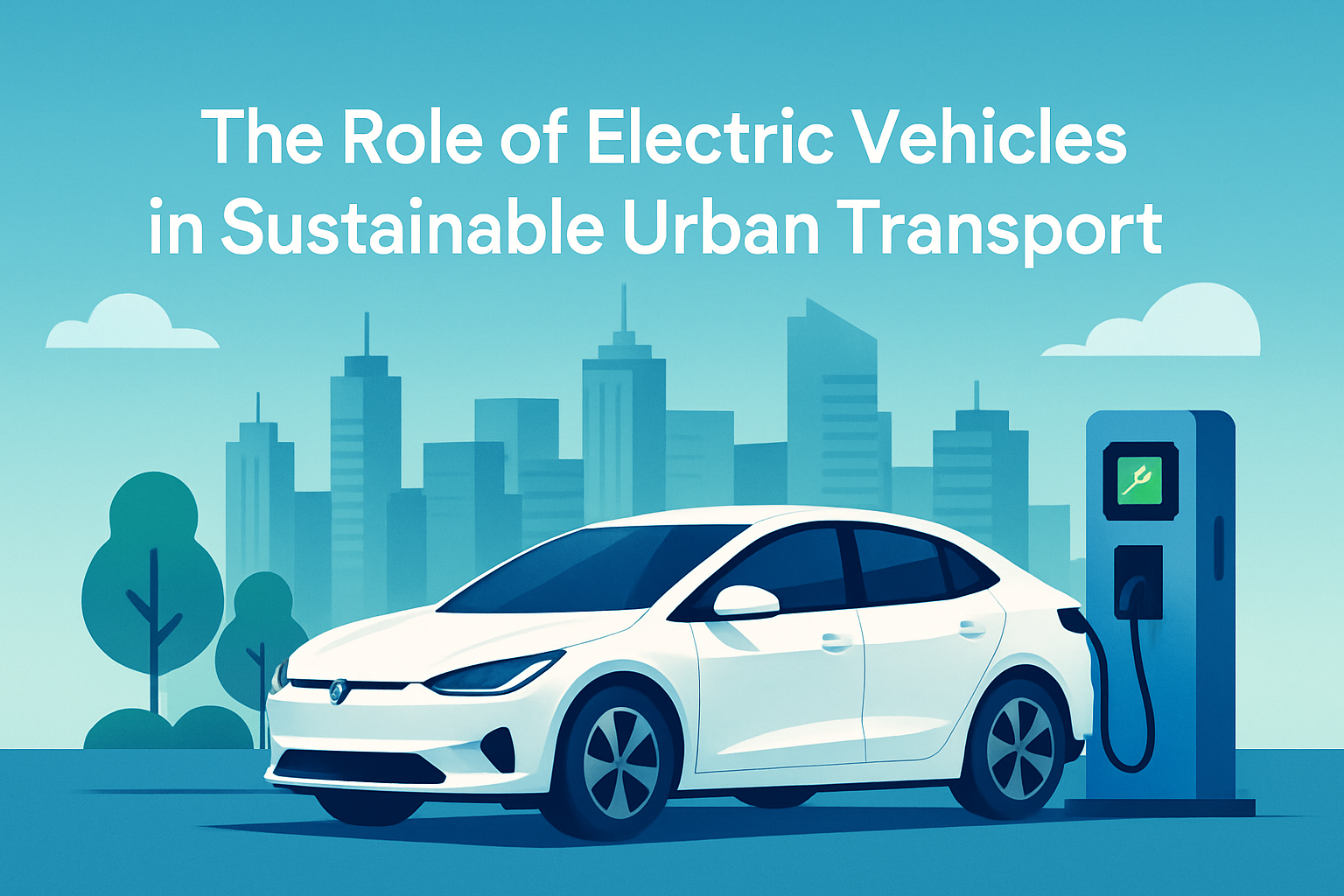
In recent years, the rapid increase in urbanization has led to significant challenges in transportation, including traffic congestion, pollution, and a heavy dependency on fossil fuels. Electric Vehicles (EVs) are emerging as a sustainable solution to these challenges. EVs utilize electricity as their primary source of fuel, considerably reducing the reliance on gasoline or diesel. This transition is pivotal as cities strive to mitigate environmental issues and move towards a more sustainable future. Understanding the role of electric vehicles in sustainable urban transport is essential, as it involves addressing climate change, improving air quality, and forging innovation in transportation technology. The significance of integrating EVs into city planning is underscored by their potential to decrease emissions considerably, thus playing a crucial role in achieving cleaner, greener urban environments.
Electric vehicles are not simply about advancing technology; they represent a fundamental shift in demographic habits and energy consumption patterns. Their introduction to urban transportation systems involves profound economic and environmental benefits, ranging from reduced carbon footprints to lower operational costs. EVs are essential in transforming how cities operate, impacting infrastructure, public health, and the global pursuit of sustainable energy solutions. As more governments and organizations commit to green transportation initiatives, the role of electric vehicles in sustainable urban transport cannot be underestimated. By considering real-world applications and advantages, stakeholders can better understand the potential of EVs to revolutionize urban mobility and support cleaner, more efficient cities.
Electric Vehicles and Environmental Benefits
The primary advantage of electric vehicles within urban environments is their ability to significantly reduce greenhouse gas emissions. Traditional internal combustion engine vehicles emit a substantial amount of carbon dioxide and other pollutants, contributing to the deteriorating air quality in cities worldwide. By contrast, EVs produce zero emissions at the point of operation. An exemplary real-world application is the city of Oslo, Norway, where EVs represent over 60% of new car sales. Such a dramatic shift was possible through robust governmental incentives and infrastructure developments aimed at encouraging electric vehicle adoption.
Oslo, once afflicted by air quality issues, has witnessed improvements thanks to the transition to EVs. The city’s commitment to phasing out fossil fuel vehicles by 2025 emphasizes the environmental benefits of electric vehicles. Moreover, life cycle analyses show that EVs, when powered by renewable energy sources, generate significantly lower emissions during their manufacturing and operational phases compared to their gasoline counterparts. By reducing reliance on fossil fuels and embracing renewable energy, cities can pursue ambitious environmental goals, moving towards cleaner air and a healthier population.
Infrastructure and Economic Impact
Integrating electric vehicles into urban transport requires substantial infrastructure changes. The development of charging stations is a critical factor in encouraging the adoption of EVs, necessitating cooperation between governments, private companies, and city planners. For instance, the state of California has emerged as a leader in EV infrastructure, boasting an extensive network of charging stations to support its growing EV population. California’s substantial investment in EV infrastructure has not only increased vehicle sales but also generated jobs and economic growth.
The economic implications of electric vehicle adoption extend beyond infrastructure development. Electric vehicles typically have lower maintenance costs and longer lifespans than internal combustion vehicles. The reduced need for regular maintenance, such as oil changes, translates to long-term savings for individuals and public transport systems. Consequently, EVs present a cost-effective opportunity for urban transit networks, often resulting in diminished operational expenses and reduced fares for commuters.
| EV Adoption Metrics | Year | Example Region |
|---|---|---|
| 60% of new vehicles | 2022 | Oslo, Norway |
| 1 million EV registrations | 2023 | California, USA |
| Reduced public transit costs | 2020-2023 | Bogotá, Colombia |
Urban Planning and Policy Initiatives
Successful integration of EVs into urban transport requires progressive policies and urban planning strategies. Governments play a crucial role in accelerating EV adoption by implementing supportive legislation, offering tax incentives, and setting ambitious emission reduction targets. An excellent example is the United Kingdom, which has announced plans to ban the sale of new petrol and diesel vehicles by 2030. These policies are instrumental in shaping the automotive industry’s future and steering cities towards sustainable transport models.
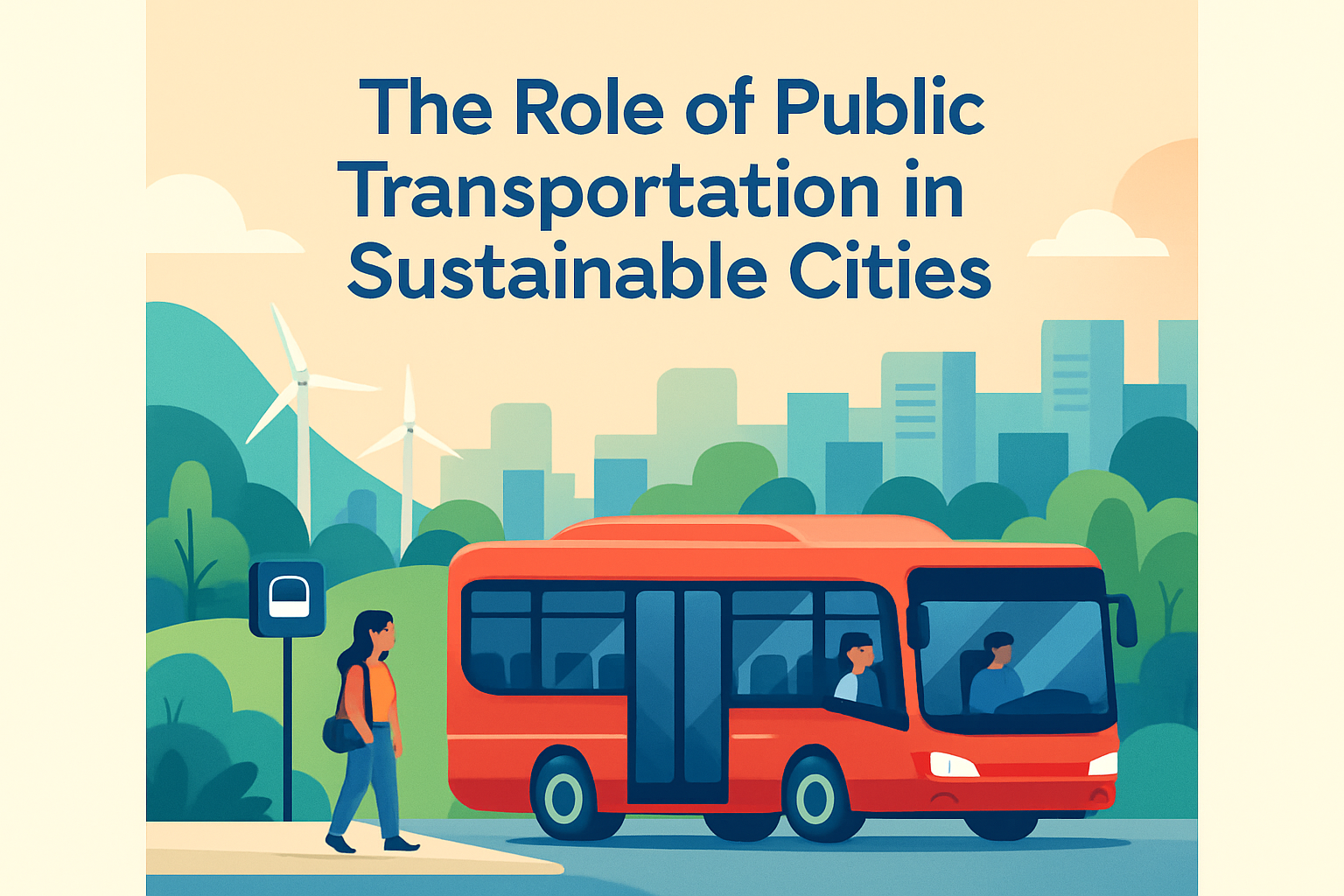
On a local scale, urban planners can enhance EV adoption by redesigning cities to accommodate more electric public transit options and pedestrian-friendly pathways. Collaborations with private entities and public transportation agencies can lead to the development of electric bus fleets, shared electric scooter programs, and more efficient urban logistics. Shanghai has leveraged such multi-faceted approaches to manage its sprawling population, including integrating electric taxis into its transport network to slash its carbon emissions.
Overcoming Challenges in EV Integration
While the benefits of EVs are incontrovertible, challenges still exist that municipalities must overcome to fully integrate them into urban transport. One primary concern is the initial cost of purchasing electric vehicles. Although government incentives and subsidies are often available, they can still represent a barrier for some consumers. Addressing this requires careful financial planning and widespread education on the long-term savings and environmental benefits EVs can provide.
Moreover, the current limitations of electric battery technology can pose difficulties in terms of range anxiety and charging time. Promoting research and innovation in battery technology, alongside advancing the charging infrastructure, is crucial. The Tesla Supercharger network exemplifies a potential solution, providing faster charging times and strategically located charging stations to mitigate range anxiety. Advancing battery research further ensures that electric vehicles can travel longer distances more efficiently, increasing their attractiveness to a broader range of users.
EVs in the Context of Emerging Smart Cities
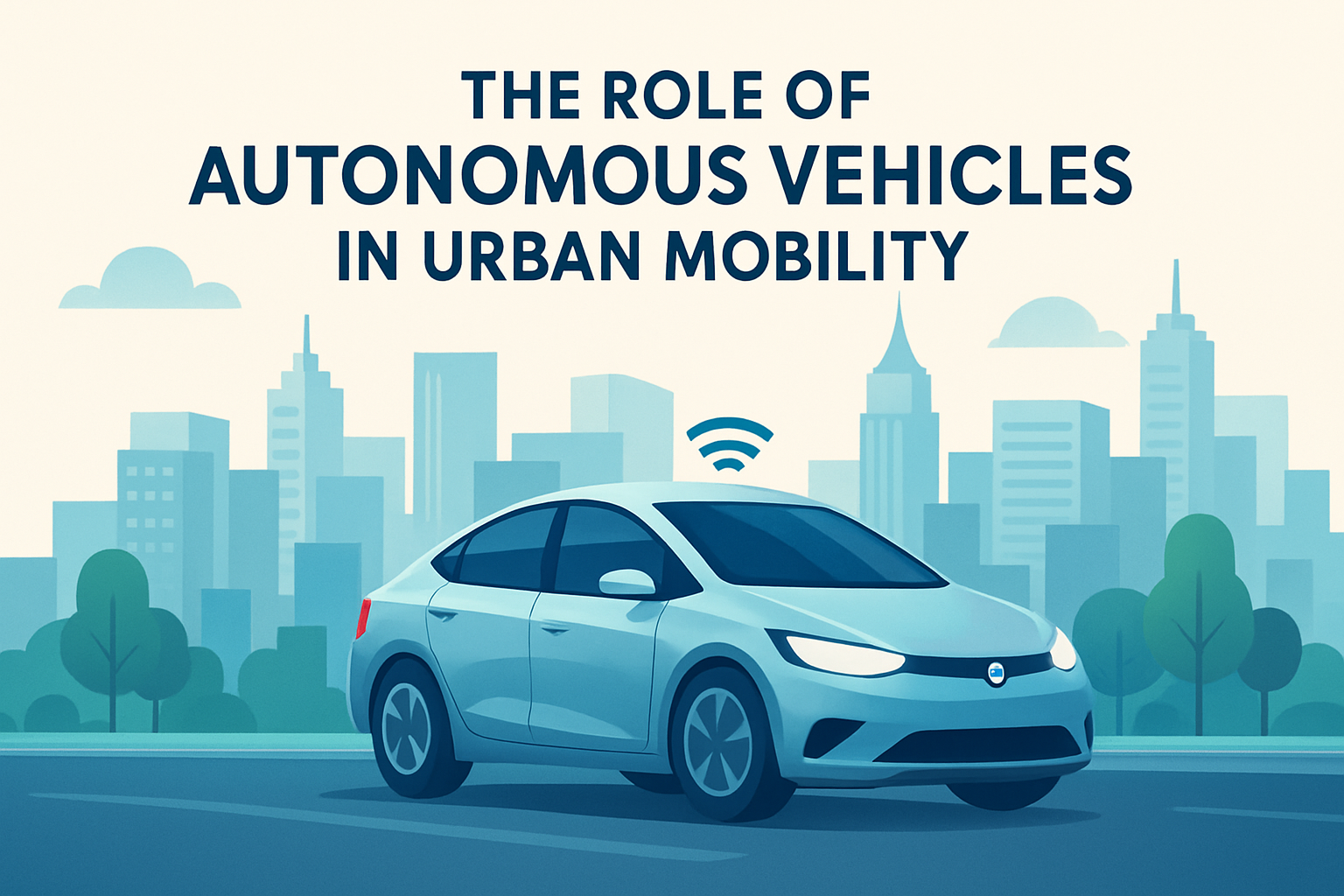
Electric vehicles are a cornerstone of the broader ‘smart city’ revolution, where data analytics, IoT technologies, and automated transport systems converge to form more efficient urban centers. A notable case is the city of Singapore, which utilizes a blend of technologies to support a smart transportation system heavily integrating EVs. With a focus on reducing transportation emissions and enhancing traffic management, Singapore is embracing autonomous electric buses and cars within its urban landscape.
As more cities explore smart technology, EVs provide a flexible transport solution that complements autonomous driving systems and real-time traffic analytics. This progression enables urban environments not just to accommodate population growth, but also to optimize energy usage and infrastructure efficiency. Furthermore, integrating EVs into a smart city infrastructure allows for resilient urban planning, paving the way for adaptable and future-proof transport systems.
Conclusion: Embracing the Future of Urban Mobility
In summary, the role of electric vehicles in sustainable urban transport encapsulates a multifaceted paradigm shift towards healthier, more efficient, and greener cities. EVs offer compelling environmental benefits by reducing emissions, especially when paired with renewable energy sources. Through strategic infrastructure development, cities can facilitate widespread EV adoption, improving the economic landscape and public health. Policy initiatives and urban planning are pivotal in fostering an ecosystem where electric vehicles can thrive alongside technological advancements like smart city solutions.
The challenges of EV integration are well acknowledged, but ongoing innovation and strategic investments can bridge existing gaps. As urban areas continue to grow, it is imperative that they embrace EVs, forging a transformative path toward sustainable transport. Citizens, businesses, and governments alike are encouraged to understand the substantial advantages of adopting electric vehicles and push collectively for their incorporation into urban mobility strategies. By championing sustainable interventions today, cities can secure a cleaner, more livable future for upcoming generations.
Frequently Asked Questions
1. How do electric vehicles contribute to reducing pollution in urban areas?
Electric Vehicles (EVs) play a critical role in cutting down air pollution, especially in densely populated urban areas where traffic congestion is a common issue. Unlike traditional vehicles that run on gasoline or diesel, EVs are powered by electricity, which means they emit zero exhaust emissions. This is a significant advantage because most of the air pollution in cities comes from the exhaust of internal combustion engines, which release harmful pollutants such as nitrogen oxides, carbon monoxide, and particulate matter. By reducing these emissions, EVs can help improve air quality, lower health risks associated with respiratory and cardiovascular diseases, and contribute to a cleaner, healthier urban environment.
2. What role do electric vehicles play in reducing urban traffic congestion?
Electric vehicles themselves aren’t a direct solution to traffic congestion; however, they complement broader sustainable transport strategies that aim to ease city traffic. Many urban areas are integrating EVs into their transportation networks through measures like establishing electric car-sharing programs and creating dedicated EV lanes. These initiatives promote shared mobility, reduce the number of vehicles on the road, and encourage the use of alternative transport modes such as public transportation, biking, or walking. Additionally, the quieter operation of EVs contributes to reduced noise pollution in busy city centers, enhancing the overall urban living experience.
3. How does the shift to electric vehicles help reduce urban dependency on fossil fuels?
The use of electric vehicles significantly reduces cities’ dependency on fossil fuels. Traditional vehicles largely rely on gasoline or diesel, which are both fossil fuels involving energy-intensive extraction and refinement processes that contribute to environmental degradation. EVs, on the other hand, use electricity that can be generated from renewable sources such as wind, solar, and hydropower. By transitioning to EVs, cities can decrease their reliance on oil imports, enhance energy security, and support the growth of the renewable energy sector. Over time, this shift can also help in stabilizing energy markets and potentially lowering the cost of energy for consumers and businesses alike.
4. What are the long-term benefits of integrating electric vehicles into urban transportation systems?
The integration of electric vehicles into urban transport systems offers numerous long-term benefits. Firstly, there is the potential for significant reductions in greenhouse gas emissions, which are vital for combating climate change. As the electricity grid becomes greener, the emissions associated with operating EVs will continue to decline. Secondly, EVs can drive innovation in urban infrastructure, prompting advancements in battery technologies, charging stations, and smart grid solutions. Furthermore, the integration of EVs may encourage new business models and economic opportunities related to transit solutions, energy storage, and technology development. Also, improved public health from lower pollution levels can lead to reduced healthcare costs and better quality of life for urban residents.
5. How can cities support the adoption of electric vehicles to enhance sustainable transport?
For cities to effectively support the adoption of electric vehicles, a multi-faceted approach is needed. Firstly, investments in the necessary infrastructure, such as widespread public charging networks, can alleviate range anxiety and make EVs more practical for everyday city driving. Additionally, cities can offer incentives for purchasing EVs, such as tax reductions, rebates, or access to preferential parking. Implementing policies that support renewable energy generation and use, such as mandating that a percentage of electricity comes from sustainable sources, can further enhance the benefits of EVs. Encouraging partnerships between the public and private sectors can lead to innovative transport solutions, increasing efficiency and accessibility. Moreover, launching educational campaigns can raise public awareness about the environmental and economic advantages of EVs, driving greater acceptance and shifting consumer habits toward greener options.