Introduction to Urban Mobility and Air Quality
Urban mobility and air quality are two interconnected concepts that have gained significant importance in recent years. Urban mobility refers to the various modes of transportation available within a city, including cars, buses, bicycles, and walking paths, that enable people to move from one place to another. Air quality, on the other hand, pertains to the condition of the air within our surroundings. It is primarily influenced by the presence of pollutants, with common ones including nitrogen dioxide (NO2), particulate matter (PM10 and PM2.5), and carbon monoxide (CO). These pollutants often stem from industrial activities, but notably, urban transportation contributes a substantial amount.
Understanding the relationship between urban mobility and air quality is crucial for several reasons. Poor air quality, often exacerbated by vehicular emissions, poses severe health risks, such as respiratory and cardiovascular diseases. Additionally, it contributes negatively to environmental issues, including climate change and global warming. As urbanization increases, so does the demand for urban mobility, making it bound to continue affecting air quality unless proactive measures are taken. Hence, reducing emissions from urban transportation is imperative to enhance air quality. This article will delve into strategies for reducing emissions, demonstrate successful real-world cases, and outline practical solutions to improve both urban mobility and air quality.
The Impact of Urban Transportation on Air Quality
Urban areas are often plagued by traffic congestion, a significant contributor to high emission levels. Vehicles emit a variety of pollutants, and with the rising number of cars on the road, air quality has seen a burgeoning decline. According to the Environmental Protection Agency (EPA), transportation accounts for about 29% of total greenhouse gas emissions in the United States, with cars and trucks constituting the bulk of this figure.
One real-world example of the impact of urban transportation on air quality can be seen in Beijing, China. For years, Beijing struggled with poor air quality largely due to vehicular emissions. The city faced several high-pollution days where driving was restricted based on license plate numbers to cut down on emissions. Over time, these measures, along with the promotion of public transport, have helped improve the air quality index, though comprehensive strategies are still needed.
The impact of urban transportation on air quality serves as a stark reminder of the necessity of change. Controlling emissions is not merely about improving air quality; it is a public health imperative. Addressing these concerns through urban mobility solutions is vital in fostering healthier and more sustainable urban environments.
Promoting Public Transportation to Reduce Emissions
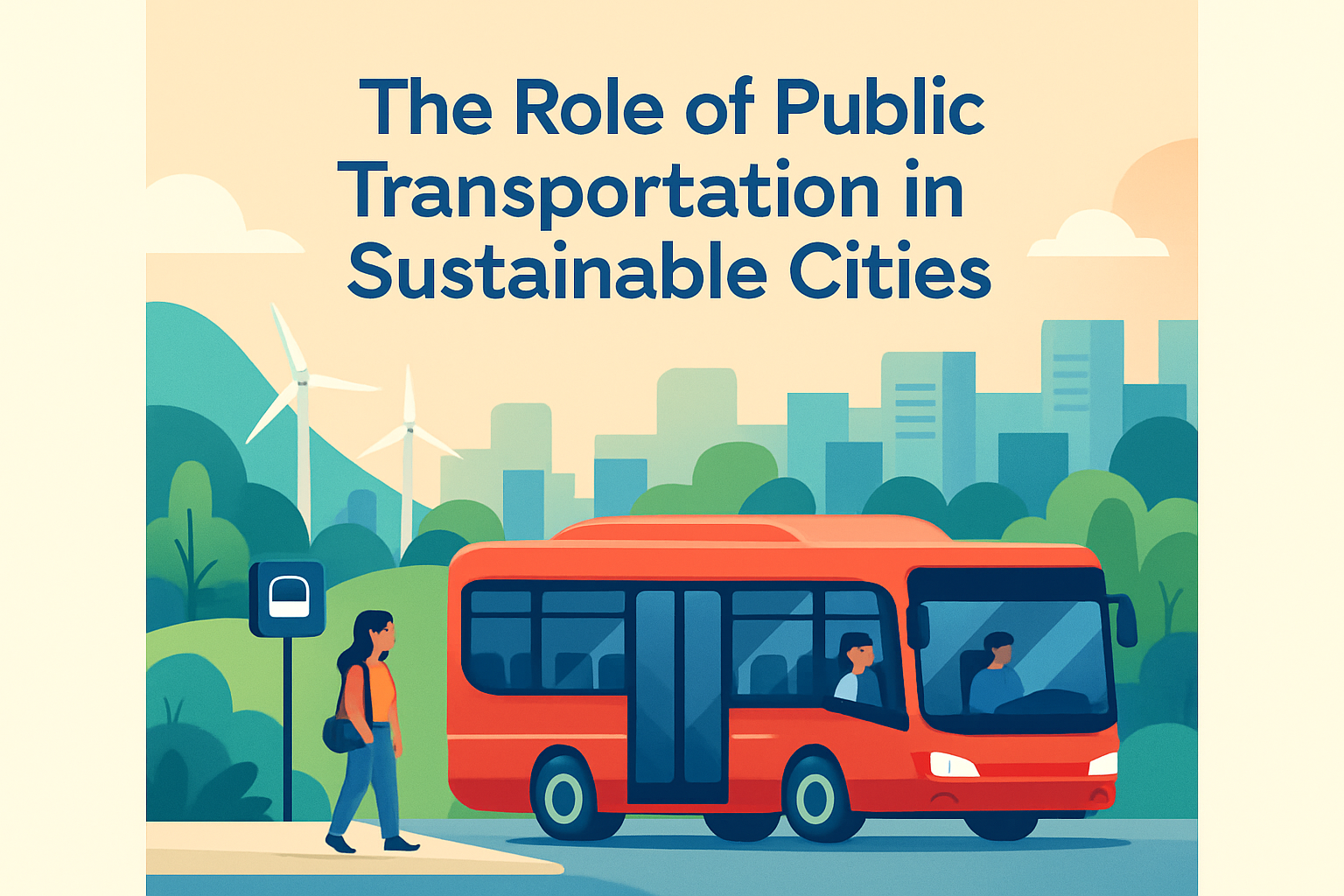
Public transportation systems, such as buses, subways, and trams, offer a practical solution to decrease the reliance on personal vehicles, thus reducing emissions. Encouraging public transportation involves not only investing in infrastructure but also ensuring that it is reliable, affordable, and convenient for commuters.
A compelling example is the city of Copenhagen, Denmark. Known for its robust cycling culture, Copenhagen has also heavily invested in an efficient public transportation system. The city’s metro, along with its extensive bus network, provides residents with a seamless and efficient means of transportation. As a result, Copenhagen has managed to significantly reduce its transportation-related emissions, contributing to its reputation as one of the world’s greenest cities.
The benefits of promoting public transport are manifold:
- Reduction in traffic congestion and emissions per commuter.
- Improved air quality and decreased greenhouse gas emissions.
- Lower transportation costs for residents.
- Enhanced accessibility, providing equitable transportation options for all socioeconomic groups.
Efforts to promote public transportation must be accompanied by public awareness campaigns that highlight the environmental and health benefits of decreased car usage. Incentivizing the use of public transport, through measures like subsidized fares or themed campaigns, can also bolster public acceptance and participation.
Electric Vehicles and Innovations in Urban Mobility
Electric vehicles (EVs) are at the forefront of technological advancement aimed at drastically reducing emissions from urban transportation. Unlike conventional vehicles with internal combustion engines, EVs do not emit exhaust pollutants, offering a clean alternative for urban mobility.
An illustration of successful integration of EVs is seen in Norway. As of 2022, nearly 65% of all new cars sold in Norway are electric. This transition has been facilitated by an array of government incentives, such as tax exemptions and subsidies, as well as the development of a comprehensive charging infrastructure. Consequently, Norway has witnessed a striking reduction in vehicular emissions and paved the way as a global leader in electric mobility.
Benefits of adopting electric vehicles in urban settings include:
- Zero tailpipe emissions that directly improve urban air quality.
- Reduced dependency on fossil fuels, supporting sustainability goals.
- Lower long-term operation and maintenance costs compared to traditional vehicles.
- Promotion of renewable energy usage, especially when sourced from green energy grids.
However, the transition to EVs also requires addressing potential challenges, such as battery disposal and the environmental impact of manufacturing electric car components. Governments can assist by ensuring stringent regulations and promoting research into sustainable battery technologies.
Implementing Urban Planning for Sustainable Mobility
Urban planning plays a crucial role in creating environments conducive to sustainable mobility. This involves integrating transportation planning with land-use planning to create urban regions where transportation options are efficient and environmentally friendly.
An exemplary model is the city of Singapore. Singapore is renowned for its comprehensive urban planning strategies that prioritize public transport, pedestrian pathways, and cycling lanes. Moreover, policies like congestion pricing help manage and reduce the number of vehicles in congested areas. These measures have been paramount in maintaining Singapore’s high air quality standards despite its high population density.
Effective urban planning for sustainable mobility includes:
| Strategy | Benefit |
|---|---|
| Mixed-use Development | Reduces the distance between work, home, and amenities, encouraging walking and cycling. |
| Integrated Transport Systems | Facilitates seamless transit between different modes of transport (bus, train, bicycle). |
| Green Spaces | Improves social spaces while benefiting air quality and reducing urban heat islands. |
| Smart Traffic Management | Optimizes traffic flow and reduces congestion through technology. |
The key to successful urban planning lies in collaboration between government bodies, urban planners, and communities. By prioritizing sustainable mobility in urban design, cities can enhance the quality of life for residents, reduce emissions, and safeguard environmental resources.
Enhancing Active Transportation Options
Active transportation, which includes walking and cycling, offers significant potential for reducing emissions in urban areas. These modes of transport do not emit pollutants, are cost-effective, and provide health benefits for individuals.
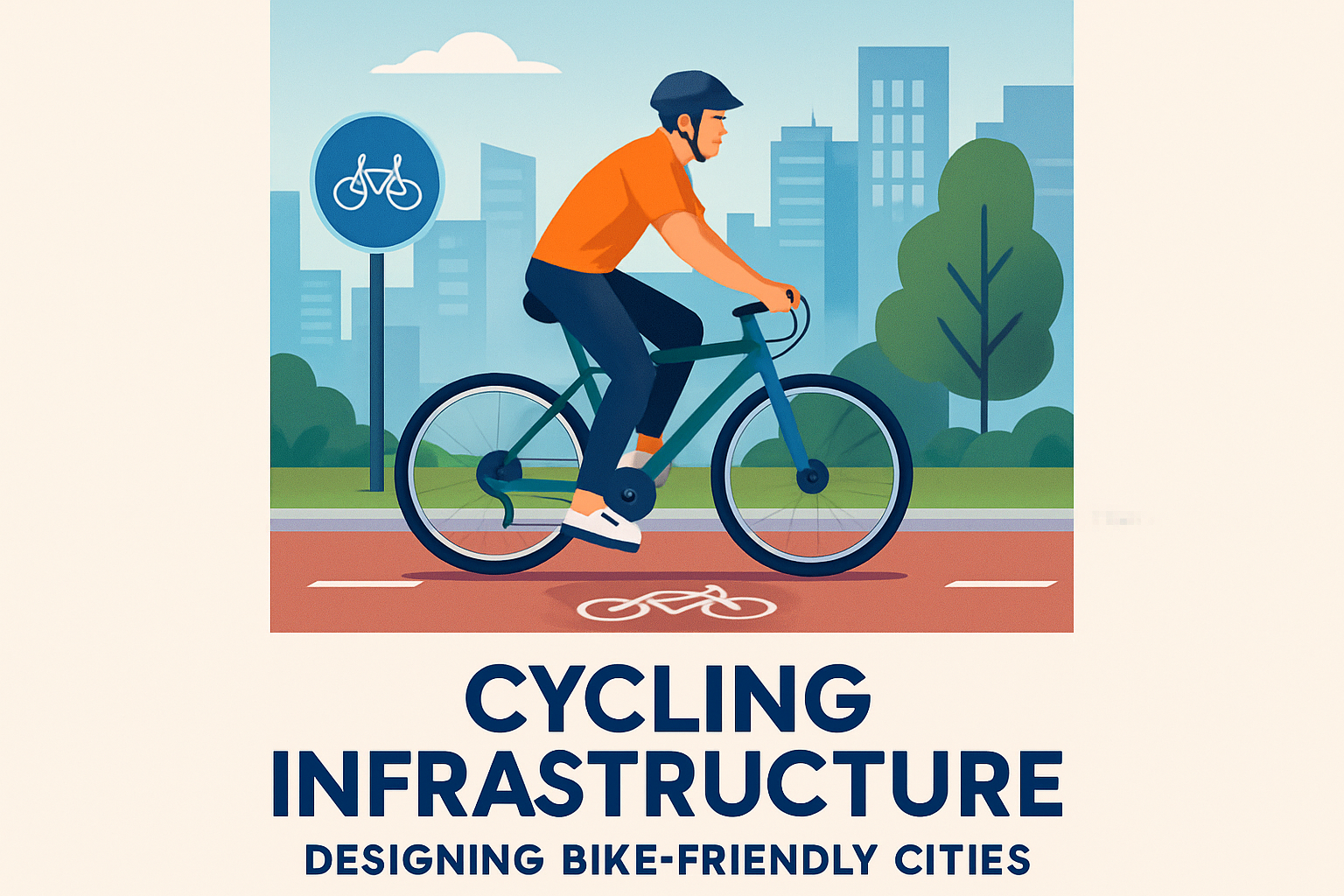
The city of Amsterdam in the Netherlands is often cited as a leading example of active transportation success. Amsterdam’s extensive cycling infrastructure, including dedicated bike lanes and bike-friendly streets, has made cycling a primary mode of transport for many residents. This has contributed to lower pollution levels and has positioned Amsterdam as a top city for sustainable living.
In promoting active transportation, cities can focus on:
- Developing comprehensive cycling and walking paths that ensure safety and accessibility.
- Implementing bike-sharing programs to encourage widespread usage.
- Ensuring connectivity to public transport to create seamless travel transitions.
- Organizing community events and programs to promote the benefits of active transportation.
Promoting active transportation involves commitment from both governmental and community stakeholders. Efforts to increase the share of active transportation can also serve to enhance urban health metrics. When individuals engage in more physical activity as part of their daily routine, urban mobility becomes healthier and more sustainable.
Conclusion and Call-to-Action
Reducing emissions in urban settings is not just an environmental necessity but a fundamental aspect of enhancing public health and creating sustainable cities. From leveraging public transportation and adopting electric vehicles to implementing innovative urban planning and enhancing active transportation, multiple pathways exist to improve urban mobility while minimizing emissions. Examining success stories like Copenhagen’s robust public transport network, Norway’s electrification of its vehicle fleet, Singapore’s integrated urban planning, and Amsterdam’s cycling culture illustrates that change is not only possible but imperative.
The benefits of addressing urban mobility and air quality stretch beyond cleaner air. They include healthier populations, economically flexible transportation solutions, and ultimately, a more sustainable future for generations to come. Readers, policy-makers, and community leaders have the opportunity to champion initiatives, advocate for transformative policies, and make personal choices that contribute to a greater collective goal.
As a tangible next step, consider how you can personally contribute to reducing emissions in your city. Whether it’s opting for public transportation, exploring electric vehicle options, or incorporating more walking and cycling into your daily routine, every step counts toward enhancing urban mobility and improving air quality. Change begins with awareness and action, so let us all play a part in fostering the sustainable cities of tomorrow.
Frequently Asked Questions
1. Why is urban mobility important for improving air quality?
Urban mobility is crucial for improving air quality because transportation is one of the largest sources of pollution in urban areas. Traditional modes of transportation, particularly those relying on fossil fuels such as gasoline and diesel, contribute significantly to the emission of pollutants like nitrogen oxides (NOx) and particulate matter (PM), which degrade air quality. By understanding and enhancing urban mobility, cities can reduce vehicle emissions through strategies such as promoting public transit, cycling, and walking, which are more environmentally friendly. Additionally, incorporating policies that encourage the adoption of electric and hybrid vehicles can also play a vital role. Efficient urban mobility systems that reduce congestion and promote sustainable practices can lead to cleaner air, healthier communities, and reduced public health risks associated with pollution.
2. What actions can cities take to transition towards sustainable urban mobility?
Cities can take multiple actions to transition towards sustainable urban mobility and, consequently, improve air quality. First, they can invest in expanding and enhancing public transportation networks to make them more accessible, reliable, and user-friendly, thus encouraging people to opt for public transit over personal vehicles. Developing infrastructure for cycling and walking, such as dedicated bike lanes and pedestrian-friendly streets, can significantly reduce the reliance on cars. Implementing congestion pricing can discourage driving in heavily trafficked areas, reducing pollution in city centers. Moreover, cities can provide incentives for the use of electric vehicles through subsidies, tax reductions, and expanded charging networks. Partnering with technology companies to develop innovative solutions, such as shared mobility services and smart traffic management systems, also supports sustainable urban mobility efforts.
3. How can individuals contribute to reducing emissions and improving air quality in urban areas?
Individuals play a crucial role in reducing emissions and improving air quality by making conscious decisions about their transportation habits. Opting for public transportation, carpooling, cycling, or walking whenever possible can significantly reduce the number of vehicles on the road, decreasing overall emissions. Switching to electric or hybrid vehicles can also lower one’s carbon footprint compared to conventional vehicles. Additionally, individuals can reduce emissions by maintaining their vehicles regularly to ensure they are running efficiently, which can minimize harmful emissions. Advocating for and supporting local policies that promote sustainable urban mobility, such as expanded public transit and cycling infrastructure, can further drive community-wide improvements in air quality. Public awareness and scrutiny can hold local authorities accountable and expedite such measures.
4. What are the challenges cities face in implementing measures to reduce emissions?
Cities face various challenges in implementing measures to effectively reduce emissions. One of the main challenges is the financial implications, as expanding public transit networks or developing cycling infrastructure requires significant investment, which might not be feasible for every city with limited budgets. Additionally, there might be resistance from citizens accustomed to personal vehicle use, who may perceive new measures as inconvenient or costly. Technical challenges also exist, such as retrofitting older public transportation fleets to be more eco-friendly or setting up wide-reaching electric vehicle charging networks. Bureaucratic hurdles, such as navigating regulatory frameworks and ensuring coordination among different government agencies, can complicate swift implementation. To overcome these hurdles, cities need comprehensive planning, stakeholder collaboration, and might require public-private partnerships to innovate and finance such initiatives. Public education campaigns can help in changing public perceptions and garnering support for environmentally beneficial policies.
5. How does urban planning influence urban mobility and air quality?
Urban planning has a profound impact on urban mobility and air quality. When cities are designed with dense, mixed-use developments, they promote shorter travel distances between residential, commercial, and leisure areas, which can encourage walking and cycling and reduce the reliance on cars. Thoughtful urban planning can result in efficient public transportation systems integrated into the urban fabric that are more easily accessible to residents. Green spaces, parks, and well-managed land use policies can mitigate air pollution and help maintain better air quality. Moreover, zoning laws can influence the placement of industries and heavy traffic areas, ensuring they are situated away from residential communities to minimize exposure to harmful pollutants. Strategic urban planning that advocates for compact, connected, and sustainable development can significantly enhance both urban mobility and air quality, creating healthier living environments for city dwellers.