Urban transportation planning represents a crucial element of urban development and sustainability. As cities grow and evolve, the necessity for well-structured transportation systems becomes increasingly vital. Urban transportation planning involves the strategic designing, implementation, and regulation of transportation infrastructure to improve the mobility, safety, and well-being of a city’s residents. Key terms to understand include “multimodal transportation,” which refers to the integration of various modes of transport such as walking, cycling, public transit, and private vehicles, and “sustainable transportation,” focusing on balancing environmental, economic, and social considerations. With urban populations expanding globally and the push toward environmental sustainability becoming ever more critical, adopting best practices in urban transportation planning has never been more pressing.
Through well-implemented transportation planning, cities can significantly reduce traffic congestion, minimize pollution, improve accessibility, and enhance the quality of life for their inhabitants. Considering these factors, it becomes clear that ensuring effective transportation planning is essential for fostering thriving, sustainable urban environments.
Developing Integrated Multimodal Systems
One of the best practices in urban transportation planning is the development of integrated multimodal systems. These systems entail the coordination and seamless connection between different forms of transport, such as buses, trains, bikes, and pedestrian pathways. Implementing such systems helps to reduce reliance on private vehicles, which in turn alleviates traffic congestion and reduces the carbon footprint of urban areas.
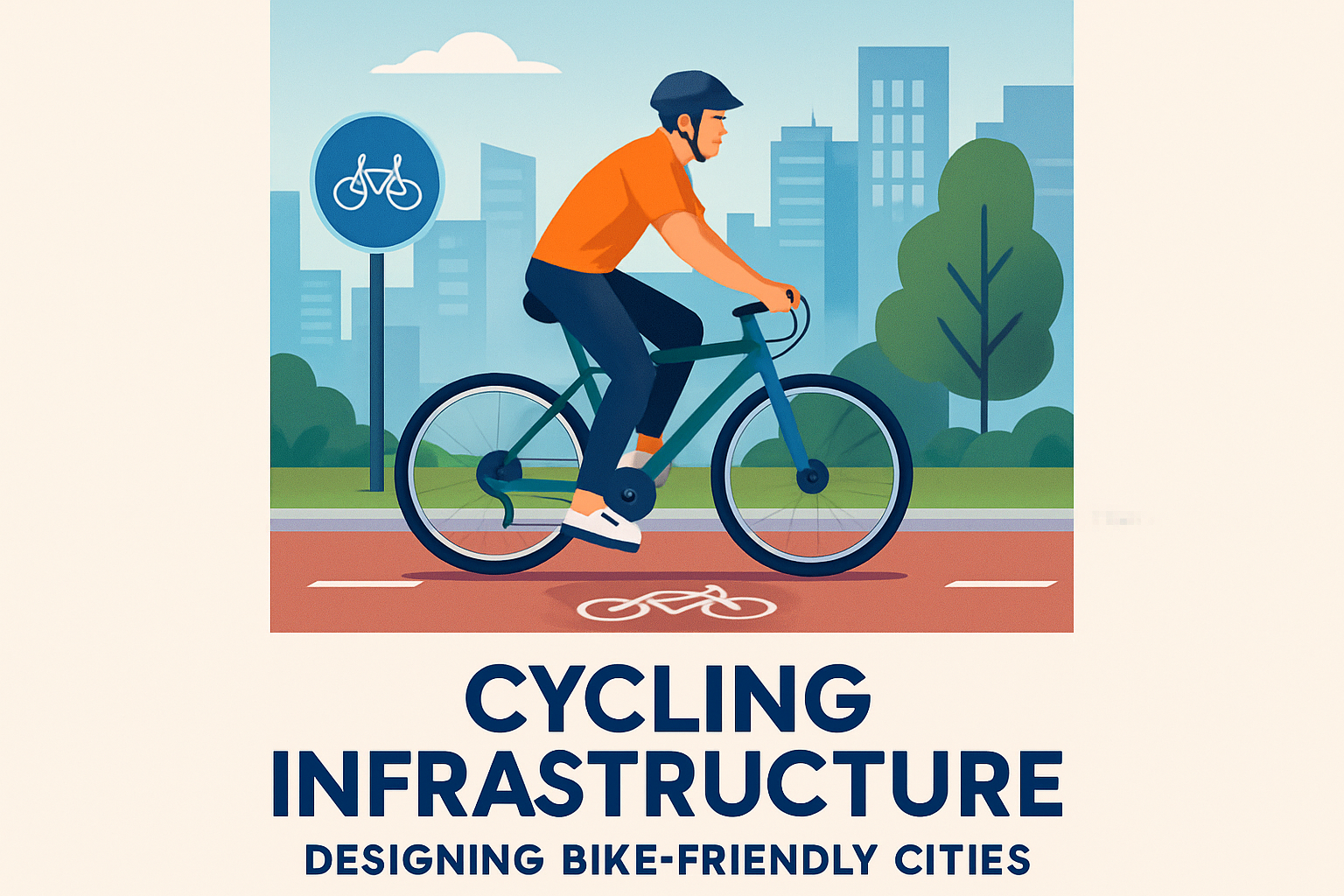
A prime example of an effective multimodal transport system can be found in Copenhagen, Denmark. Copenhagen has expertly integrated bike lanes with its public transportation network, encouraging widespread cycling among its residents. This system connects various transport modes by providing parking facilities for bikes near train and bus stations, allowing commuters to easily transition from one mode to another. By fostering a culture of cycling and providing necessary infrastructure, Copenhagen has reduced traffic congestion and improved urban air quality.
To successfully implement similar strategies, cities must focus on enhancing the accessibility and efficiency of diverse transportation modes and investing in infrastructure that promotes their use. This can involve constructing dedicated bike lanes, expanding pedestrian areas, and improving the reliability and reach of public transit services.
Emphasizing Data-Driven Decision Making
Data-driven decision-making constitutes another corner of contemporary urban transportation planning. By leveraging data analytics, planners can make informed decisions regarding infrastructure developments, traffic management, and transit service improvements. Data collection methods, such as traffic sensors, GPS devices, and mobile apps, provide valuable insights into commuter behavior and transportation patterns.
A notable example of using data for transportation planning is the city of Singapore. Singapore employs a sophisticated suite of data analytics tools as part of its Smart Mobility 2030 plan. By analyzing real-time data, the city optimizes traffic flow, predicts transit demand, and efficiently allocates resources where needed. These data-driven strategies have led to enhanced public transit services and reduced congestion, ultimately benefiting the city’s inhabitants and environment.
Implementing Sustainable Transportation Systems
Sustainability lies at the heart of modern urban transportation planning. Sustainable transportation systems prioritize environmentally friendly modes of transit and aim to reduce carbon emissions, enhance energy efficiency, and promote social equity. Cities around the world are increasingly adopting sustainable practices, recognizing the interconnectedness of transportation and environmental health.
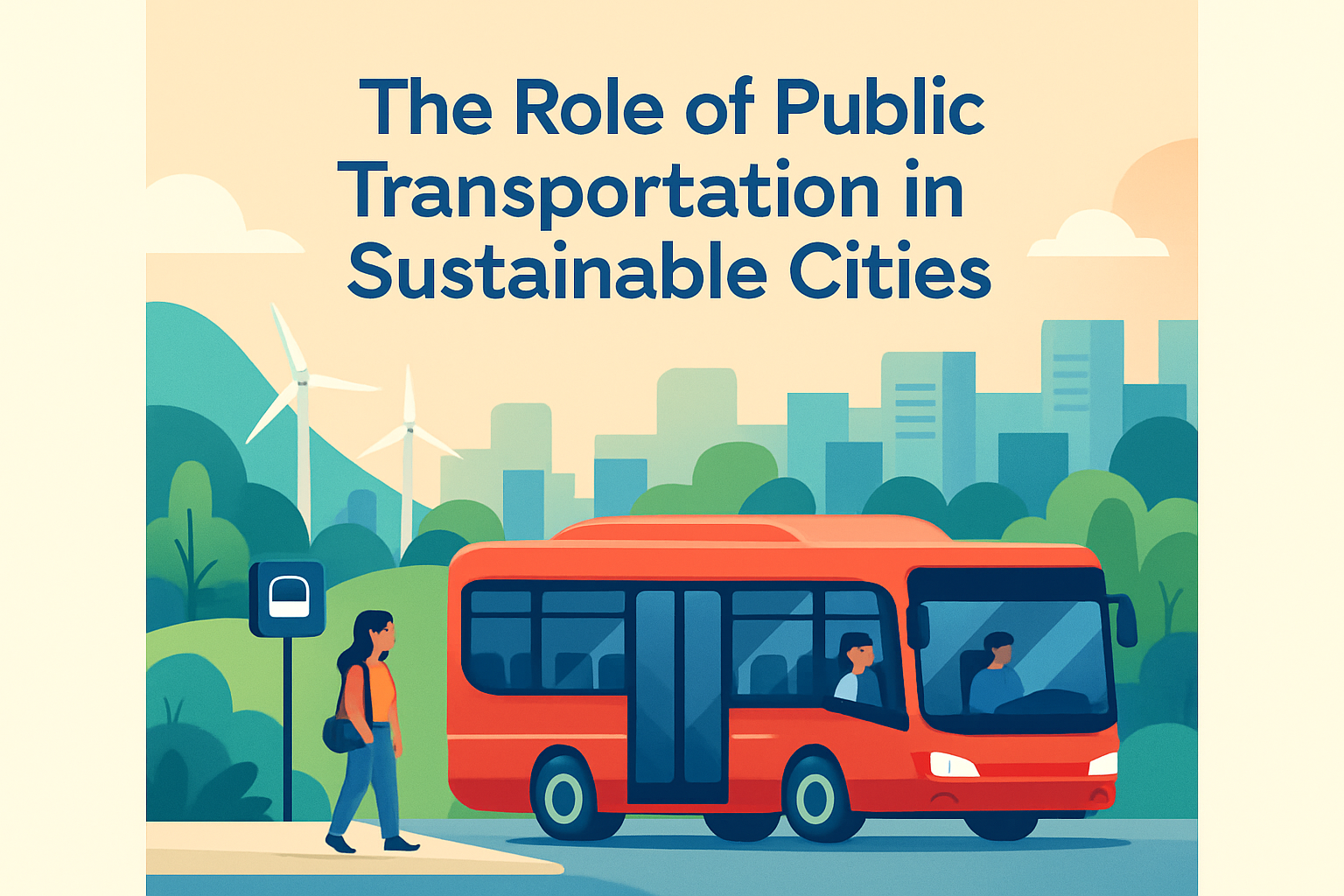
One compelling example is the initiative taken by the city of Curitiba, Brazil, which developed the world’s first Bus Rapid Transit (BRT) system. Curitiba’s BRT provides high-capacity, efficient public transportation while minimizing the impact on the environment. By emulating Curitiba’s model, other cities can reduce vehicle emissions and foster an environment-friendly public transit network.
To create sustainable transportation systems, urban planners should focus on incorporating renewable energy sources, promoting electric and hybrid vehicles, and enhancing infrastructure that supports non-motorized transportation. Encouraging public participation and education on sustainable commuting practices helps to bolster these efforts further.
Engaging Public and Private Stakeholders
Engaging both public and private stakeholders is a key practice in effective urban transportation planning. Collaboration between government agencies, private companies, advocacy groups, and the public ensures that transportation systems meet the diverse needs of all city dwellers and stakeholders involved.
An exemplary instance of effective stakeholder collaboration is observable in the city of New York’s transportation initiatives. Partnerships between city officials and private tech companies have resulted in innovative solutions like the NYC Bus Time system, a real-time bus tracking service that enhances commuter experience by allowing users to access bus location information via a mobile app or an online interface.
Municipalities must encourage dialogue and cooperation among stakeholders by facilitating public consultations, technical workshops, and cross-sector partnerships. These efforts can lead to more inclusive, innovative, and effective transportation systems that meet urban communities’ evolving needs.
| Best Practices | Real-World Example | Benefits |
|---|---|---|
| Integrated Multimodal Systems | Copenhagen, Denmark | Reduced congestion and improved air quality |
| Data-Driven Decision Making | Singapore’s Smart Mobility 2030 | Optimized traffic flow and enhanced transit services |
| Sustainable Transportation Systems | Curitiba, Brazil’s BRT | Reduced emissions and efficient public transit |
| Engagement of Stakeholders | NYC Bus Time system | Enhanced commuter experience and inclusivity |
Advancing Technological Innovations
Technology plays an indispensable role in modernizing urban transportation planning. Cities that integrate technological advancements often find themselves with enhanced capabilities to address mobility challenges. Technological innovations include the use of smart traffic signals, electric vehicle charging stations, and transportation apps that increase convenience for users.
Consider Los Angeles, California, with its efforts to deploy adaptive traffic control systems. These systems use real-time data to adjust signal timings, effectively minimizing traffic congestion and reducing delays for commuters. This type of technological application enhances traffic flow and ultimately contributes to more efficient urban transportation.
Planners should continually assess and adopt new technologies that enhance transportation systems and address urban mobility issues. Encouraging investment in smart transportation technologies and facilitating collaboration between technology developers and urban planners can maintain a city’s competitive edge.
Improving Accessibility and Inclusivity
Improving accessibility and inclusivity is a foundational principle in urban transportation planning. Developing systems that cater to diverse needs, including those of individuals with disabilities and economically disadvantaged communities, can dramatically increase a city’s livability. Universal design principles ensure that transportation infrastructure accommodates everyone.
Take the example of London, England, where the underground railway system has been continually updated to improve accessibility. The Transport for London organization has focused on step-free access, auditory aids, and visual cues to make the system more inclusive for all passengers.
Planners should prioritize designing transportation that caters to varied demographics and incorporates features such as accessible pathways, dedicated access points for wheelchairs, and reliable information systems. This focus not only adheres to ethical considerations but also enhances the overall functionality of the transportation system.
Urban Transportation Planning Summary and Call-to-Action
Urban transportation planning is a pivotal instrument for shaping sustainable, functional cities. By focusing on developing integrated multimodal systems, emphasizing data-driven decision-making, implementing sustainable transportation solutions, engaging stakeholders, advancing technological innovations, and improving accessibility, cities can significantly improve urban living conditions.
The best practices illustrated through real-world examples guide cities toward making informed, holistic decisions that prioritize the well-being of their inhabitants. These practices demonstrate the potential of a forward-thinking approach, which not only addresses current transportation challenges but also anticipates future needs.
While these best practices require collective efforts and sustained commitment, their implementation leads to efficient, equitable, and eco-friendly urban environments. City planners, policymakers, and citizens must work collaboratively toward the shared vision of sustainable urban mobility. An informed reader is encouraged to actively participate in local planning initiatives, advocate for sustainable practices, and support technological advancements in urban transportation systems.
Embrace the opportunity to improve urban spaces through strategic transportation planning. Join local campaigns, tell your city’s story, and influence policies to create cities that move in the right direction—not just in transit but toward a better quality of life for all.
Frequently Asked Questions
1. What is urban transportation planning, and why is it important?
Urban transportation planning is a critical aspect of urban development that deals with the systematic design, implementation, and regulation of transport systems in cities. Its importance lies in its ability to enhance the mobility of people and goods, improve safety, support economic growth, and promote environmental sustainability. By developing effective transportation infrastructure, cities can reduce congestion, lower pollution, and ensure residents have access to essential services and opportunities. Moreover, well-planned systems can lead to improved well-being for all city inhabitants by providing equitable access to different modes of transportation, promoting efficient movement, and reducing travel time.
2. What are some best practices in urban transportation planning?
Some best practices in urban transportation planning include adopting a multimodal approach, which is the integration of different modes of transport such as biking, walking, public transit, and private vehicles. This approach provides residents with a range of transportation options, reducing dependence on single-occupancy vehicles. Additionally, efficient data collection and analysis are essential for identifying areas needing improvement. Comprehensive urban transportation planning also involves stakeholder engagement, where planners involve community members, local businesses, and policymakers in decision-making processes to ensure that the transportation systems meet the needs of the city. Emphasizing sustainability, reducing carbon footprints, and implementing smart technology that promotes a seamless transport experience are also considered fundamental best practices.
3. How does multimodal transportation improve urban mobility?
Multimodal transportation improves urban mobility by offering residents flexible and efficient transportation choices that cater to their varied needs. Instead of relying solely on personal vehicles, people can choose between walking, cycling, public transit, or a combination of these modes to reach their destinations. This not only reduces congestion but also encourages healthier lifestyles and reduces the environmental impact of transportation. Furthermore, integrating different modes of transport often results in faster travel times as traffic congestion is minimized and public transit systems become more efficient and attractive. Cities benefit from this by experiencing fewer traffic hitches, and improved air quality over time, making urban environments more liveable and resilient.
4. What role do smart technologies play in urban transportation planning?
Smart technologies play a pivotal role in revolutionizing urban transportation planning by enabling more efficient, safe, and user-friendly transportation systems. Technologies like real-time traffic monitoring, adaptive traffic signals, and mobile applications provide valuable data that helps in optimizing routes, reducing travel times, and adjusting services in response to demand fluctuations. Additionally, technologies such as onboard sensors in public transport and intelligent ticketing systems improve the customer experience by providing timely information, reducing wait times, and facilitating seamless travel across different modes of transport. Smart technologies make it feasible to incorporate sustainable practices, such as electric vehicles and shared mobility solutions, into the transportation ecosystem, paving the way for smarter, cleaner, and more efficient urban mobility.
5. Why is stakeholder engagement crucial in the urban transportation planning process?
Stakeholder engagement is crucial as it ensures that transportation solutions are inclusive and address the diverse needs of the community. Engaging with stakeholders, including residents, local businesses, advocacy groups, and government entities, allows planners to gather diverse perspectives and insights. This collaboration helps in identifying challenges and opportunities that may not be apparent to planners alone. It also fosters a sense of ownership and trust among community members, making them more likely to support and adopt new transportation initiatives. By addressing stakeholder concerns, urban transportation planning can create more equitable and functional systems that reflect the unique characteristics and needs of the city, ultimately contributing to the enhanced quality of urban life.