Urban mobility shapes the tourist experience long before a traveler checks into a hotel or lines up outside a landmark. In practical terms, urban mobility means the systems that move people through a city: metros, buses, trams, taxis, ferries, bike sharing, sidewalks, wayfinding, payment tools, and the policies that connect them. Tourism depends on those systems because visitors make choices based on ease, time, cost, comfort, and confidence. When a destination is simple to navigate, tourists stay longer, spend more widely, and explore beyond the postcard center. When movement is confusing or unreliable, demand concentrates in a few zones, local frustration rises, and the destination loses repeat business.
I have worked on transport content and destination planning briefs where the same pattern appeared repeatedly: attractive cities underperformed when mobility felt fragmented, while less famous places gained momentum after improving airport links, street design, and ticket integration. The reason is straightforward. Tourism is not only about attractions; it is about access between attractions, accommodation, food districts, events, and neighborhoods. A city may have world-class museums and waterfronts, but if a visitor cannot understand the transit map, trust service frequency, or walk safely after dark, those assets are partially inaccessible. Good urban mobility turns isolated points of interest into a coherent visitor economy.
This matters even more now because tourism behavior has changed. Travelers compare destinations through journey friction as much as through price. They expect mobile ticketing, clear real-time information, contactless payment, multilingual signage, and routes that support low-carbon choices. City leaders also face harder tradeoffs: congestion, air quality, overtourism, curb competition, accessibility obligations, and resident backlash. Urban mobility sits at the center of those pressures. It can distribute visitors geographically, lower emissions per trip, strengthen links between tourism and local commerce, and make cities more inclusive for older travelers, families, and people with disabilities. For a hub page under urban mobility and transportation, the essential point is clear: mobility is not a support service to tourism. It is part of the tourism product itself.
Why urban mobility directly affects tourism performance
Urban mobility enhances tourism by improving accessibility, reducing uncertainty, and increasing the number of places visitors can realistically reach within a limited stay. Tourism researchers often describe this as time-space compression: faster, clearer transport effectively makes a city feel smaller and more usable. That has measurable effects. A reliable airport rail link can cut perceived distance from terminal to city center, raising appeal for short breaks and business-leisure trips. High-frequency transit extends the visitor day because tourists can stay out later without worrying about the last connection. Safe walking networks and bike routes make spontaneous exploration possible, which boosts spending in side streets rather than only in major nodes.
Consider how different transport conditions change behavior. In a city with integrated transit, a visitor might land, tap one payment card, ride rail into the center, transfer to a tram, walk through a pedestrianized district, and use bike share the next morning. That sequence feels seamless, so the traveler adds a market, a museum quarter, and an evening performance. In a city where every leg requires a different ticket, poor signage, and uncertain wait times, the same traveler narrows the itinerary to one or two famous sites and relies on expensive point-to-point rides. The destination loses both economic spread and experiential depth.
There is also a strong destination branding effect. Tourists read mobility quality as a signal of competence and care. Cities such as Vienna, Singapore, Copenhagen, and Tokyo are consistently praised not only for attractions but for punctual transport, legibility, cleanliness, and personal safety in public space. Those attributes create trust. Trust matters because visitors operate with less local knowledge than residents. They are more sensitive to confusion, transfer risk, and unclear rules. A well-designed mobility system reduces cognitive load, which is why the best-performing visitor cities invest as much in information design and station experience as they do in vehicles and infrastructure.
Core mobility components that improve the visitor journey
The visitor journey is only as strong as its weakest connection. Urban mobility for tourism therefore depends on a chain of components working together, not on a single flagship project. Airport and intercity access come first, because arrival sets expectations. Rail links, express buses, and clearly managed taxi ranks reduce stress and protect visitors from fare confusion. The next layer is network integration inside the city: connected metro, bus, tram, ferry, and micro-mobility systems that share schedules, payment methods, and wayfinding logic. Last-mile design is equally important. Sidewalk quality, crossing safety, shade, lighting, curb ramps, and legible street names determine whether a traveler can actually reach a hotel, plaza, or gallery after leaving the station.
Ticketing has become a decisive factor. Contactless bank card acceptance, open-loop payment, fare capping, and app-based journey planning simplify access for short-stay users who do not want to learn a complex fare structure. London’s Oyster and contactless ecosystem demonstrated years ago that reducing fare friction changes travel behavior. The same principle now appears in many cities through Mobility as a Service platforms that bundle trip planning, booking, and payment. For tourists, the gain is not technological novelty; it is clarity. If the system answers basic questions immediately, such as how to pay, where to transfer, and whether a line is running on time, the city becomes usable at once.
Physical and digital information must match. I have seen destinations invest in attractive stations while leaving outdated maps in hotels or inconsistent stop names across apps and signs. That disconnect confuses visitors quickly. The strongest systems use standardized iconography, multilingual messaging, real-time updates, and place-based wayfinding that links attractions, districts, and transport nodes. They also recognize that tourists travel with luggage, children, and varying mobility needs. Elevators, step-free routes, wider gates, and visible staff assistance are not secondary conveniences. They determine whether many travelers can participate fully in the city.
How cities use mobility to distribute tourism and strengthen local economies
One of the biggest advantages of effective urban mobility is its ability to spread tourism benefits beyond the historic core. When transport only serves central landmarks well, visitors cluster in already crowded districts, driving up rents, crowding sidewalks, and frustrating residents. Better cross-city links encourage exploration of secondary neighborhoods, waterfronts, cultural quarters, parks, and local retail streets. That distribution supports small businesses and reduces pressure on iconic sites. It also creates a more authentic tourism offer because visitors encounter everyday urban life rather than a narrow visitor bubble.
Barcelona, Amsterdam, and Lisbon have all faced versions of this challenge. While each city has different governance structures and transport networks, the lesson is similar: movement patterns shape visitor concentration. Extending tram lines, improving commuter rail frequency, refining pedestrian routes, and promoting neighborhood itineraries can redirect demand. In practice, destination managers often pair transport improvements with programming such as food trails, design districts, market campaigns, and timed-entry attractions outside the center. Transport alone does not solve overcrowding, but without transport, dispersal strategies rarely work.
Mobility also influences spending quality, not just visitor numbers. Tourists who can move easily tend to engage in more trip chaining, combining dining, shopping, culture, and events in one outing. That increases dwell time and revenue capture across multiple businesses. Cruise and day-trip markets show this clearly. If disembarking passengers have direct, intuitive links into several districts, they spread out and spend more broadly. If they face confusion or congestion, they remain near the terminal or join a tightly controlled shuttle circuit. Cities that want tourism to support local enterprise should treat transport corridors as economic development tools, not just engineering assets.
| Mobility feature | Tourism benefit | Example effect |
|---|---|---|
| Integrated ticketing | Reduces entry friction | Visitors use transit from day one instead of relying only on taxis |
| Frequent cross-city routes | Disperses demand | Secondary neighborhoods gain footfall and retail spending |
| Pedestrianized public space | Improves dwell time | Cafes, markets, and cultural streets capture longer visits |
| Accessible stations and sidewalks | Expands inclusion | Older travelers and families can move confidently between sites |
| Real-time multilingual information | Builds trust | Tourists make spontaneous trips without fear of getting lost |
Sustainability, accessibility, and resilience in tourism mobility
Urban mobility improves tourism most durably when it aligns with sustainability and accessibility goals. Tourism transport is often criticized for emissions, congestion, and pressure on public space, especially in popular city centers. Shifting visitors from private cars and low-occupancy vehicle trips to public transit, walking, cycling, and shared modes lowers environmental impact per trip. That matters for city climate targets and for destination reputation. More travelers now evaluate whether a place supports low-carbon movement. A city with clean buses, electrified rail, bike networks, and pedestrian-first streets can credibly position itself as both visitor-friendly and climate-responsible.
Accessibility is equally central. Tourism cannot claim success if it excludes people with reduced mobility, sensory impairments, or temporary travel constraints. The most effective urban mobility systems apply universal design principles: step-free boarding, tactile paving, audible announcements, visual displays, accessible toilets, predictable curb design, and trained staff. These features help residents every day, but they are especially valuable to visitors who lack local workarounds. In my experience, destinations often underestimate how much accessibility influences family travel, senior travel, and conference tourism. Event organizers notice immediately when delegates cannot move easily between hotels, venues, and dining areas.
Resilience has become another nonnegotiable dimension. Tourism depends on confidence that a city can keep moving during heat waves, strikes, flooding, major events, and service disruptions. Resilient systems provide redundancy through multiple modes, clear incident communication, and flexible curb and traffic management. During festival periods or international sporting events, cities with strong mobility operations can handle surges without collapsing into gridlock. Those with weak coordination struggle with bottlenecks that damage both resident life and visitor sentiment. Resilience planning therefore belongs inside tourism strategy. It includes crowd management, emergency signage, shaded walking routes, and data sharing between transport agencies, police, venue operators, and tourism boards.
Technology, governance, and the practical steps cities should prioritize
Technology can significantly improve tourism mobility, but only when governance is strong. Journey-planning apps, digital twins, anonymized location data, integrated payment, and demand-responsive transport all help cities understand and serve visitor flows. Yet fragmented governance often limits results. Transport agencies, tourism boards, airport operators, municipalities, private mobility firms, and cultural institutions frequently operate on separate timelines and budgets. The cities that perform best create shared objectives around visitor distribution, service quality, accessibility, and emissions, then back them with common data standards and coordinated communication.
Practical priorities are usually less glamorous than new hardware. First, simplify fare rules and payment. Second, standardize multilingual wayfinding across stations, streets, hotels, and attractions. Third, improve frequency on routes linking gateways, accommodation zones, event venues, and secondary districts. Fourth, design curb space actively so coaches, taxis, delivery vehicles, and ride-hail services do not undermine walkability and bus reliability. Fifth, publish clear service information during disruptions. These actions consistently deliver high returns because they remove friction at the exact points where visitors hesitate or make expensive workarounds.
Cities should also measure what matters. Traditional metrics such as passenger counts and hotel occupancy are not enough. Better indicators include average travel time from gateway to hotel clusters, share of attractions reachable within thirty minutes by transit, percentage of step-free visitor corridors, mobile ticket adoption, neighborhood tourism spread, and visitor satisfaction with wayfinding. Tools such as GTFS data, accessibility audits, curbside analytics, and sentiment analysis can support this work. The goal is simple: make movement easy enough that the whole city becomes part of the visitor experience, not just the famous center.
Urban mobility enhances tourism because it converts attractions into accessible experiences, distributes benefits across neighborhoods, supports sustainability, and builds traveler confidence. Cities that invest in clear, integrated, and inclusive transport systems give visitors more freedom while protecting resident quality of life. That is the main advantage: better mobility creates better tourism, not only more tourism. For any destination developing its urban mobility and transportation strategy, the smartest next step is to audit the visitor journey end to end, identify friction points, and fix the links that stop people from exploring fully. When movement works, the city works.
Frequently Asked Questions
1. Why is urban mobility so important to the overall tourism experience?
Urban mobility is central to tourism because it shapes how easily, comfortably, and confidently visitors can move through a destination. A traveler’s impression of a city often begins with the journey from the airport, train station, or cruise terminal to their accommodation. If that first trip is smooth, affordable, and clearly signposted, it immediately creates trust. If it is confusing, slow, or stressful, that friction can affect the entire visit. In that sense, mobility is not just a transport issue; it is a core part of the visitor experience.
Good mobility systems also expand what tourists can see and do. When metros, buses, trams, ferries, bike-share networks, pedestrian routes, and taxis are connected and easy to understand, visitors are more likely to explore beyond the most famous landmarks. They may spend more time in local neighborhoods, visit smaller attractions, dine in less central districts, and participate in activities they might otherwise skip. That benefits both tourists and local businesses by spreading economic activity more evenly across the city.
Just as importantly, urban mobility influences practical decisions such as length of stay, daily spending, and itinerary planning. Tourists constantly weigh time, cost, convenience, and reliability. If getting around is simple, they can fit more into each day without feeling rushed or overwhelmed. If transportation is difficult, they may choose fewer activities, rely only on a narrow tourist zone, or even decide not to return. For cities that depend on tourism, strong urban mobility is a competitive advantage because it makes the destination more accessible, more enjoyable, and more memorable.
2. How do public transportation systems like metros, buses, and trams support tourism growth?
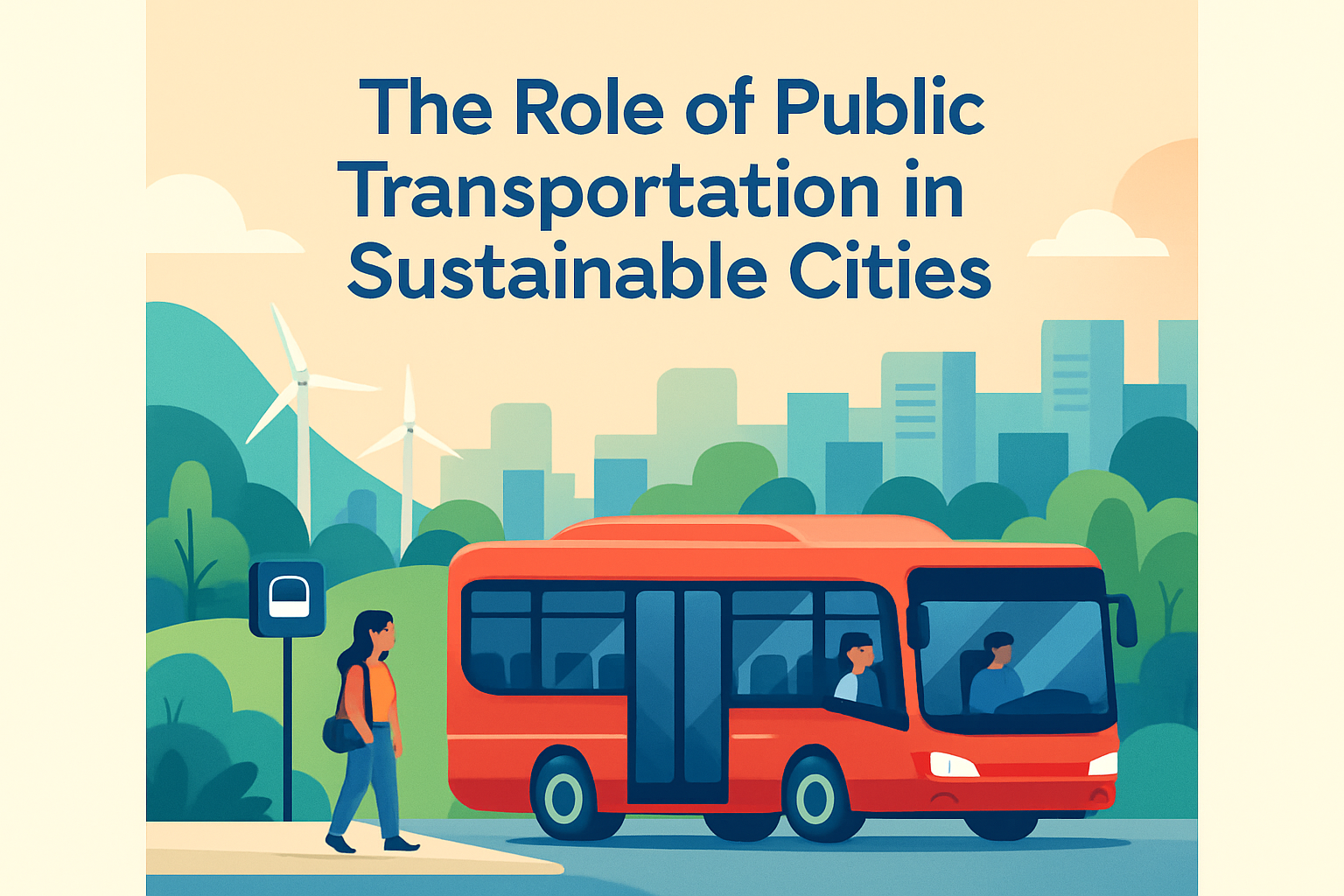
Public transportation supports tourism growth by making a city accessible at scale. Metros, buses, and trams allow large numbers of visitors to move efficiently between transportation hubs, hotels, attractions, shopping areas, event venues, and cultural districts. This reduces congestion, lowers travel costs for tourists, and makes the destination easier to navigate without needing a private car. For many travelers, especially international visitors, a well-organized public transit system is one of the clearest signs that a city is tourism-ready.
One major benefit is affordability. Compared with taxis or ride-hailing services, public transit usually offers a lower-cost way to explore a destination. That matters because transportation costs influence how tourists allocate their budgets. When visitors save money on getting around, they often spend more on food, entertainment, retail, and attractions. Public transportation also supports a broader range of travelers, including solo tourists, families, students, seniors, and budget-conscious visitors, making the city appealing to more segments of the market.
Another key factor is reach. Effective transit networks connect primary attractions with secondary neighborhoods and local cultural areas that may otherwise be overlooked. This helps reduce pressure on overcrowded tourism zones while encouraging more balanced visitation across the city. In addition, systems with multilingual signage, clear maps, digital journey planning, contactless payment, and real-time updates reduce uncertainty for visitors. That confidence encourages exploration. When tourists know they can move around safely and efficiently, they are more likely to stay longer, visit more places, and recommend the destination to others.
3. What role do walking, cycling, and other active mobility options play in tourism?
Walking and cycling are increasingly important to tourism because they create a more immersive, flexible, and human-scale way to experience a city. Many of the most memorable travel moments happen between major attractions rather than at them. A pleasant walk through a historic district, a bike ride along a waterfront, or an easy stroll between cafés, markets, and public squares can become a highlight of the trip. Active mobility helps visitors engage more deeply with local life, architecture, culture, and atmosphere.
These options also improve access and spontaneity. Not every tourism experience fits neatly into a metro line or bus route. Walkable streets, protected bike lanes, bike-sharing systems, pedestrian signage, and safe crossings allow travelers to move short distances easily and discover places they did not originally plan to visit. This often leads to more local spending and a richer travel experience. In neighborhoods where active mobility is well supported, tourists tend to linger longer, stop more often, and interact more naturally with small businesses and community spaces.
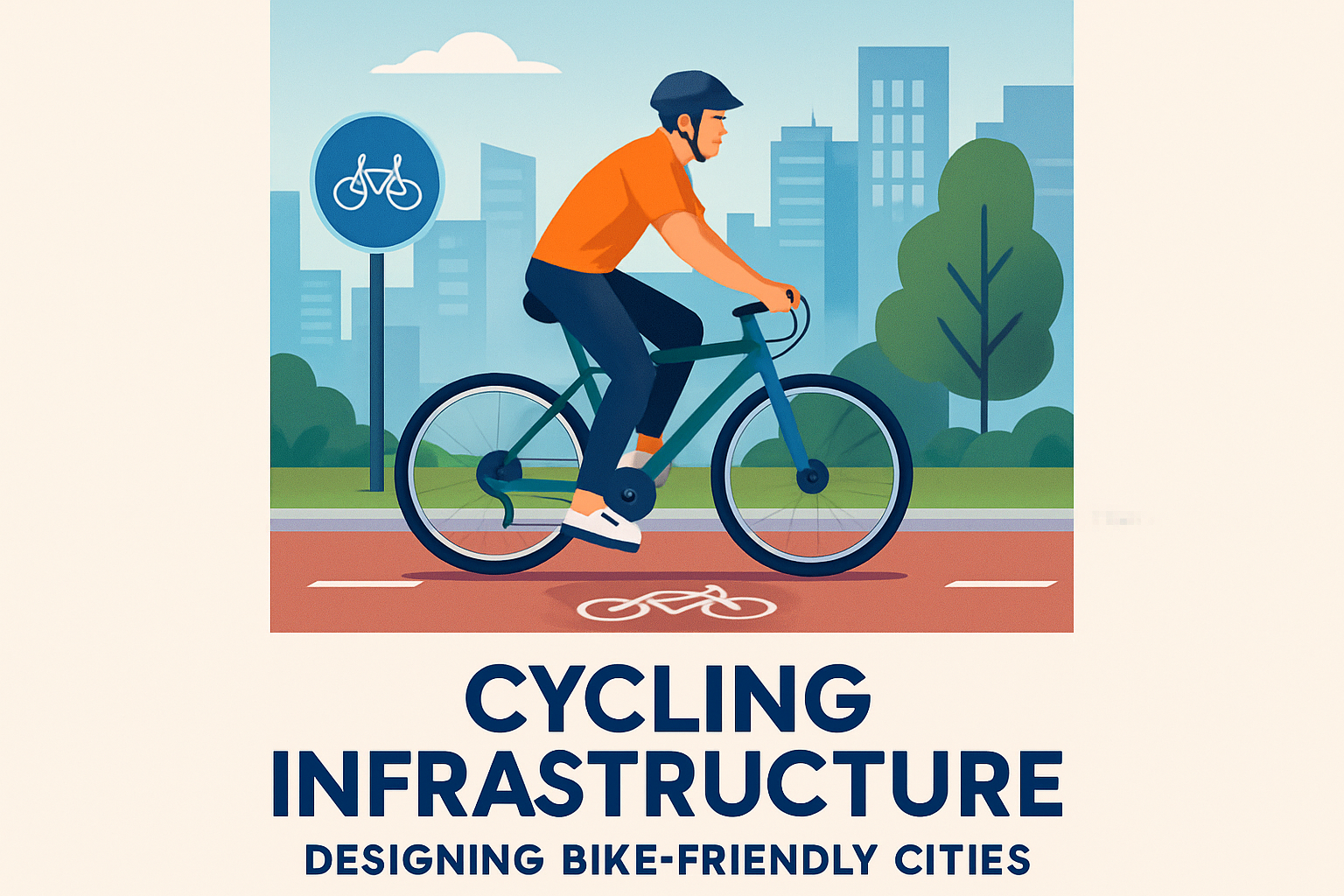
From a destination management perspective, active mobility also supports sustainability and livability. Cities that invest in sidewalks, pedestrian zones, traffic calming, greenways, and cycling infrastructure can reduce congestion and improve environmental quality in tourism-heavy areas. That benefits residents and visitors alike. Importantly, these systems must be inclusive and well designed. Wide sidewalks, shade, seating, accessible curb cuts, safe intersections, and easy-to-use bike rental platforms make active mobility practical for a broader range of travelers. When done well, walking and cycling are not just alternatives to transport; they are valuable tourism assets in their own right.
4. How do digital tools, wayfinding, and payment systems improve mobility for tourists?
Digital tools, clear wayfinding, and simple payment systems are essential because they reduce the uncertainty that many visitors feel in unfamiliar cities. Even the best transport network can be intimidating if tourists do not know which line to take, how to buy a ticket, where to transfer, or whether they are heading in the right direction. User-friendly technology and signage bridge that gap by making urban mobility easier to understand and use from the moment a traveler arrives.
Wayfinding includes more than just street signs. It covers station maps, directional markers, multilingual information, neighborhood guides, icons, color-coded routes, and visual cues that help people orient themselves quickly. For tourists, especially those who do not speak the local language, good wayfinding can dramatically improve confidence. Clear information reduces stress, shortens decision time, and helps visitors make independent choices about where to go and how to get there. This sense of autonomy often translates into a more satisfying travel experience.
Digital platforms add another layer of convenience. Mobile apps that show real-time arrivals, route options, delays, fare information, and walking directions help tourists plan efficiently. Contactless cards, QR tickets, mobile wallets, and integrated transit passes remove unnecessary complexity from payment. Instead of managing multiple tickets for buses, trains, ferries, or bike-share systems, visitors can access services more seamlessly. This integration is especially important in multimodal cities where tourists combine different forms of transport in a single day. When mobility tools are intuitive, reliable, and easy to access, visitors spend less time figuring out logistics and more time enjoying the destination.
5. How can cities improve urban mobility to attract more tourists and create a better visitor experience?
Cities can improve urban mobility for tourism by focusing on integration, clarity, reliability, and accessibility. The goal is not simply to add more transport options, but to make the entire journey feel connected. That means linking airports and stations to major visitor districts, coordinating transfers between buses, metros, trams, ferries, and shared mobility services, and ensuring that travelers can move from one mode to another without confusion. A fragmented system creates friction, while an integrated one makes the destination feel welcoming and efficient.
Reliability is one of the most important priorities. Tourists often have limited time and fixed plans, so delayed or inconsistent service can quickly disrupt their itinerary. Frequent service, real-time updates, well-maintained vehicles, and strong operational coordination all help build trust. Cities should also invest in visitor-friendly features such as multilingual signage, simple fare structures, contactless payment, route maps at key arrival points, and trained staff who can assist travelers. These practical improvements may seem small, but together they make a significant difference in how visitors perceive the city.
Accessibility and inclusivity are equally important. A tourism-friendly mobility system should work for people with luggage, children, limited mobility, visual or hearing impairments, and varying levels of digital confidence. Elevators, step-free access, tactile guidance, audible announcements, safe sidewalks, seating, shaded waiting areas, and clear physical signage all contribute to a better experience. Cities should also think beyond the central tourist core and improve links to emerging neighborhoods, cultural districts, and local attractions. By doing so, they can distribute visitor flows more evenly, reduce overcrowding, and strengthen the economic impact of tourism across the urban area. In the long term, the cities that succeed are the ones that treat mobility not as a background service, but as a strategic part of the tourism product itself.