Introduction: Understanding Urban Sprawl and Its Significance
Urban sprawl is a term used to describe the uncontrolled expansion of urban areas into surrounding rural land. This phenomenon, characterized by low-density residential and commercial development, often leads to a number of environmental, economic, and societal challenges. The term was first popularized in the mid-20th century as suburban growth exploded post-World War II, driving development far beyond established city limits. Today, urban sprawl is a key topic of debate among urban planners, environmentalists, and policymakers as its impacts are increasingly felt on transportation networks.
The significance of urban sprawl lies in the profound changes it has brought about in how people live and move. Transportation networks—encompassing roads, highways, public transit systems, and pedestrian pathways—form the backbone of modern societies, shaping daily commutes, accessibility to services, and overall quality of life. As urban areas spread outward, the pressure on these networks intensifies, prompting critical questions about sustainability, efficiency, and equity in transportation planning.
At its core, urban sprawl leads to longer commutes, heightened traffic congestion, increased dependency on personal vehicles, and greater environmental impacts due to vehicular emissions. Understanding how sprawl impacts transportation networks is crucial for urban policymakers, planners, and residents alike as they strategize ways to foster sustainable, connected, and resilient urban environments. In this article, we explore the intricate relationship between urban sprawl and transportation networks, examining real-world examples and elucidating the implications for future urban development.
Transportation Network Strain and Congestion
One of the most apparent impacts of urban sprawl is the strain it places on transportation networks, resulting in increased congestion. As cities expand, so do their road networks, often at a slower pace than burgeoning populations. The dispersed nature of sprawl necessitates extensive road construction, yet these roads quickly become clogged with traffic. A prime example is Los Angeles, where the sprawling metropolitan area has led to some of the worst traffic congestion problems in the United States.
In Los Angeles, the emphasis on car-centric development has resulted in daily commutes averaging over an hour for many residents. The city’s extensive freeway system struggles to accommodate the volume of vehicles, leading to notorious traffic jams and longer travel times. This congestion not only frustrates commuters but also has economic consequences, with the U.S. Department of Transportation estimating billions of dollars in lost productivity nationwide due to traffic delays.
- Longer commute times
- Increased vehicular emissions
- Economic losses from productivity
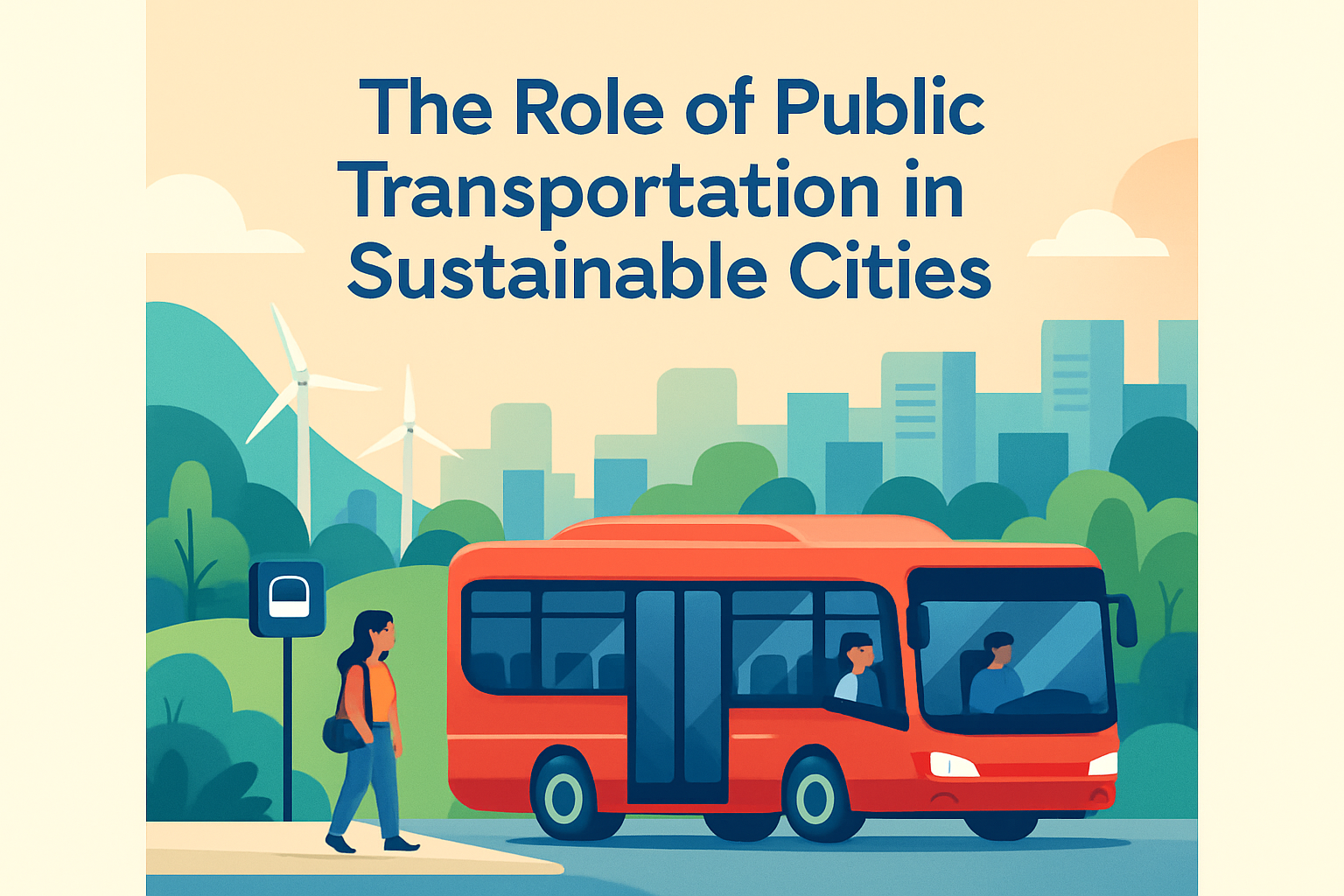
Tackling congestion requires integrated transportation planning, encouraging public transit use, and embracing smart growth principles that prioritize density. Cities like Portland and Vancouver have implemented measures such as transit-oriented development and investment in light rail systems to combat congestion effectively.
Environmental Impacts and Emissions
Another significant impact of urban sprawl on transportation networks is the environmental cost, primarily through increased emissions. As residents of sprawling cities rely heavily on personal cars for transportation, the cumulative effect is a rise in airborne pollutants and greenhouse gases. Atlanta, Georgia, often cited as an example of sprawling urban development, illustrates the environmental toll that unchecked expansion can have.
Atlanta’s growth into surrounding woodland areas has led to sprawling suburban neighborhoods with limited public transit options. As a result, residents depend heavily on personal vehicles, contributing to air pollution and making Atlanta one of the cities with the highest per capita emissions in the United States. An extensive road network to support this sprawl further exacerbates the situation by increasing impervious surfaces, reducing green space, and raising urban heat island effects.
Efforts to mitigate these environmental impacts include increasing investments in renewable energy transport solutions, expanding public transit options, and implementing policies that encourage carpooling, cycling, and walking. The shift towards electric vehicles also represents a promising avenue to reduce sprawl-related emissions.
Social Equity and Accessibility Challenges
Urban sprawl can exacerbate social inequities and accessibility challenges within transportation networks. Sprawling developments often favor affluent suburban enclaves, leaving low-income populations in urban cores or underdeveloped outskirts with inadequate access to infrastructure. This further widens the disparity in transportation access and overall quality of life.
Consider Chicago, where sprawling suburbs contrast sharply with underfunded urban areas. Many residents in underserved communities lack reliable public transit connections, hindering their ability to access employment, education, healthcare, and other essential services. This creates a cycle of poverty and disadvantage, underscoring the significance of addressing transportation equity in sprawling cities.
In response, cities are exploring transit equity initiatives that involve expanding affordable transit options and implementing policies to integrate service extensions into underserved areas. Collaborations between local governments, transit agencies, and community organizations are critical to ensuring that all residents can benefit from comprehensive transportation networks.
Financial Implications for Urban Development
Urban sprawl has profound financial implications for municipalities, often resulting in higher infrastructure and maintenance costs. The decentralization inherent in sprawl requires the construction of extensive road networks, utility lines, and services across larger geographic areas, stretching municipal budgets thin.
Phoenix, Arizona, provides a pertinent example, as the metropolitan area has grown exponentially outward, necessitating continual infrastructure expansion. These developments strain city finances, diverting funds from other essential services or leading to increased taxation to cover the costs. Without prudent financial planning, cities risk falling into a cycle of debt and deferred maintenance.
Cities striving for fiscal sustainability gravitate towards a more compact urban design, emphasizing high-density development. This approach reduces the per capita cost of infrastructure while maximizing the utilization of existing facilities. Additionally, public-private partnerships can be leveraged to share the financial burden of necessary expansions and upgrades in growing urban landscapes.
Policy and Planning: Rethinking Urban Growth
Addressing the impacts of urban sprawl on transportation networks necessitates a comprehensive approach to policy and urban planning. Governments and municipalities worldwide are reevaluating traditional development paradigms, focusing instead on sustainable growth models that curb sprawl and enhance transportation efficacy.
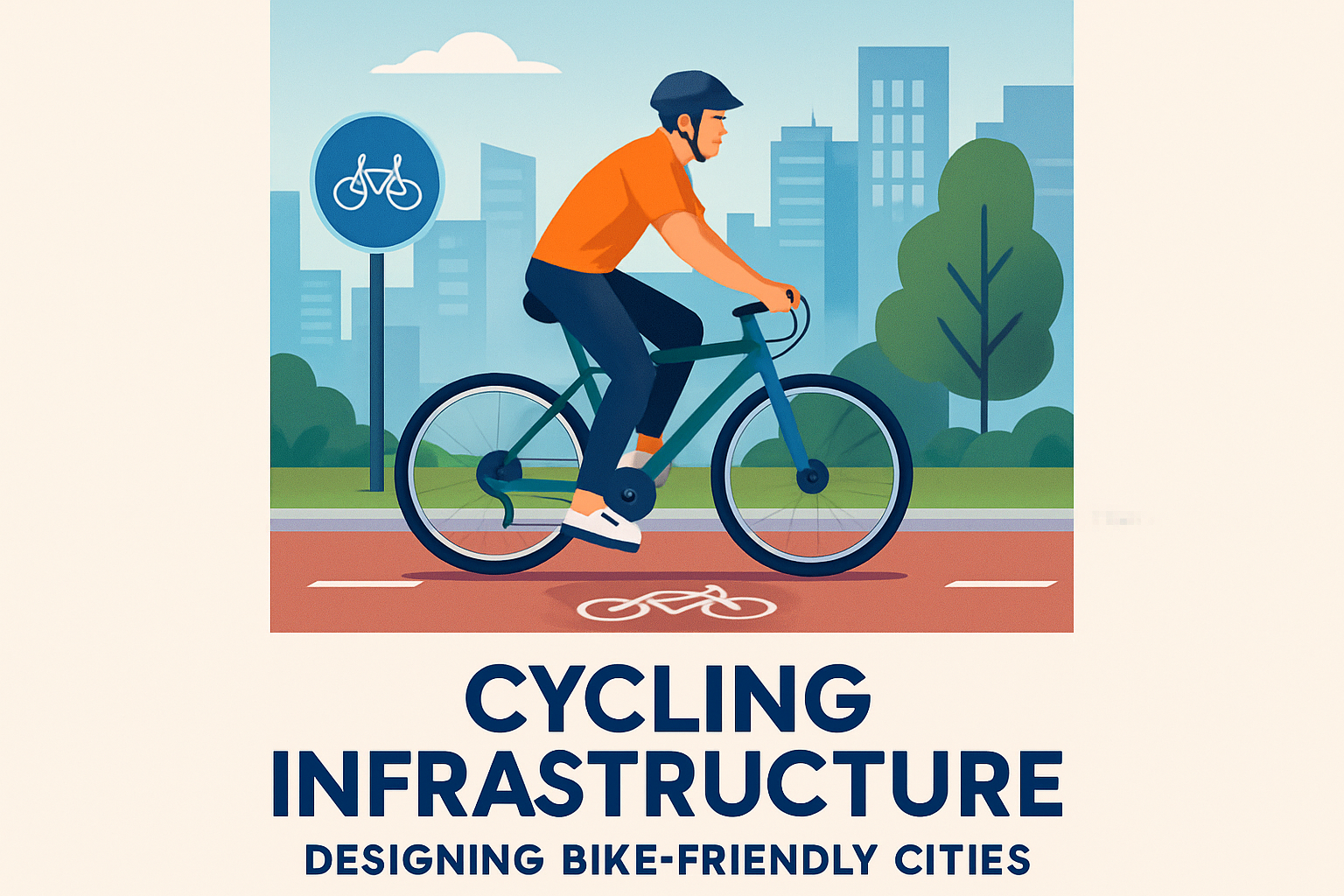
A notable example is Copenhagen, Denmark, renowned for its commitment to smart growth and sustainability. The city has implemented strict zoning laws that limit urban expansion and prioritize dense, mixed-use developments. Coupled with a world-leading cycling infrastructure and robust public transit system, Copenhagen has successfully minimized urban sprawl while fostering efficient and accessible transportation networks.
| Smart Growth Principle | Application in Copenhagen |
|---|---|
| Mixed-use Development | Integrating residential and commercial spaces |
| Public Transit Investment | Expanding metro and bus networks |
| Cycling Infrastructure | Building dedicated bike lanes |
By embracing similar smart growth policies, cities around the world can address the negative impacts of urban sprawl on transportation networks, fostering environments that are not only sustainable but also economically and socially beneficial.
Conclusion: Moving Forward with Urban Development
In conclusion, urban sprawl presents significant challenges to transportation networks, impacting congestion, emissions, social equity, and municipal finances. By understanding these dynamics and learning from successful examples around the globe, cities can begin to adopt planning principles that promote sustainable and efficient urban growth.
The key takeaways from this examination of urban sprawl and transportation networks are the importance of integrated urban planning, the need for enhanced public transit options, and the value of smart growth principles that emphasize density over dispersal. These strategies not only improve transportation efficiency but also contribute to environmental conservation and social equity.
For policymakers, urban planners, and residents, the path forward involves advocating for and supporting measures that curb sprawl while enhancing connectivity and accessibility. As cities continue to grow and evolve, the development of resilient, multifaceted transportation networks will be essential to ensuring a sustainable and livable future.
Engage with your local community, participate in city planning discussions, and advocate for policies that support sustainable urban development. The change begins with informed citizens committed to shaping the cities of tomorrow.
Frequently Asked Questions
1. What is urban sprawl and how does it affect transportation networks?
Urban sprawl refers to the unrestrained spread of urban development into rural areas, resulting in low-density and car-dependent communities often situated far from urban cores. This pattern of growth significantly impacts transportation networks by increasing reliance on automobiles as the primary means of transportation. As suburbs expand and populations grow, the demand for efficient transportation infrastructure, such as highways and roads, surges. Often, the existing infrastructure struggles to accommodate this growth, leading to increased traffic congestion, longer commute times, and a higher incidence of road maintenance issues. Public transit systems may become less effective, as sprawling designs often make it difficult to efficiently service these expanded areas, compounding the challenges related to transportation networks.
2. How does urban sprawl contribute to traffic congestion?
Urban sprawl exacerbates traffic congestion by promoting settlement patterns that prioritize automobile travel. With homes, jobs, and services spread over vast areas, individuals frequently rely on cars for their daily commutes, increasing the number of vehicles on the roads. Furthermore, sprawling developments are typically linked by a limited number of arterial roads or highways, which can quickly become snarled with traffic, especially during peak commuting hours. The dispersion of destinations leads to fewer opportunities for non-automobile travel, such as walking or biking, thereby congesting critical road networks. Reduced interaction between varied land uses means more single-purpose trips, whereas an increase in long commutes further compounds traffic congestion issues. As a result, urban sprawl inadvertently maximizes vehicular demand on an already strained traffic infrastructure.
3. Can urban sprawl affect public transportation options?
Urban sprawl heavily affects public transportation systems, often diminishing their viability and efficiency. As cities expand outward unchecked, the density levels drop, making it economically unfeasible for transit operators to provide comprehensive coverage. Public transit thrives in high-density areas where demand is consolidated and predictable, allowing for efficient routing and scheduling. However, the dispersed nature of sprawl means that potential passengers are spread across vast distances, often too far apart to justify the expense of creating and maintaining robust transit services. Consequently, this dispersed population often lacks convenient access to high-frequency transit services, forcing many residents to resort to driving. The result is a vicious cycle where limited public transportation options encourage sprawl, and the sprawling development, in turn, negates the demand for transit improvements.
4. How does urban sprawl impact economic productivity in relation to transportation?
The economic productivity of urban areas can be severely constricted by urban sprawl, particularly concerning transportation. Time and money are essential resources for both individuals and businesses, and inefficiencies in transportation resulting from sprawl can cause significant economic drain. Longer commute times equate to decreased worker productivity, as individuals spend less time at work and are often more stressed or fatigued when they arrive. Businesses may also incur increased logistics and supply chain costs, as distributing goods and services becomes more challenging across spread-out geographies. Furthermore, governments may need to divert substantial portions of their budgets to expand and maintain transportation infrastructure, potentially at the expense of other vital services or innovative economic initiatives. Ultimately, the spread-out nature of sprawl can deflate regional economic dynamism due to increased operational costs and operational inefficiencies stemming directly from transportation challenges.
5. What solutions can help mitigate the impact of urban sprawl on transportation networks?
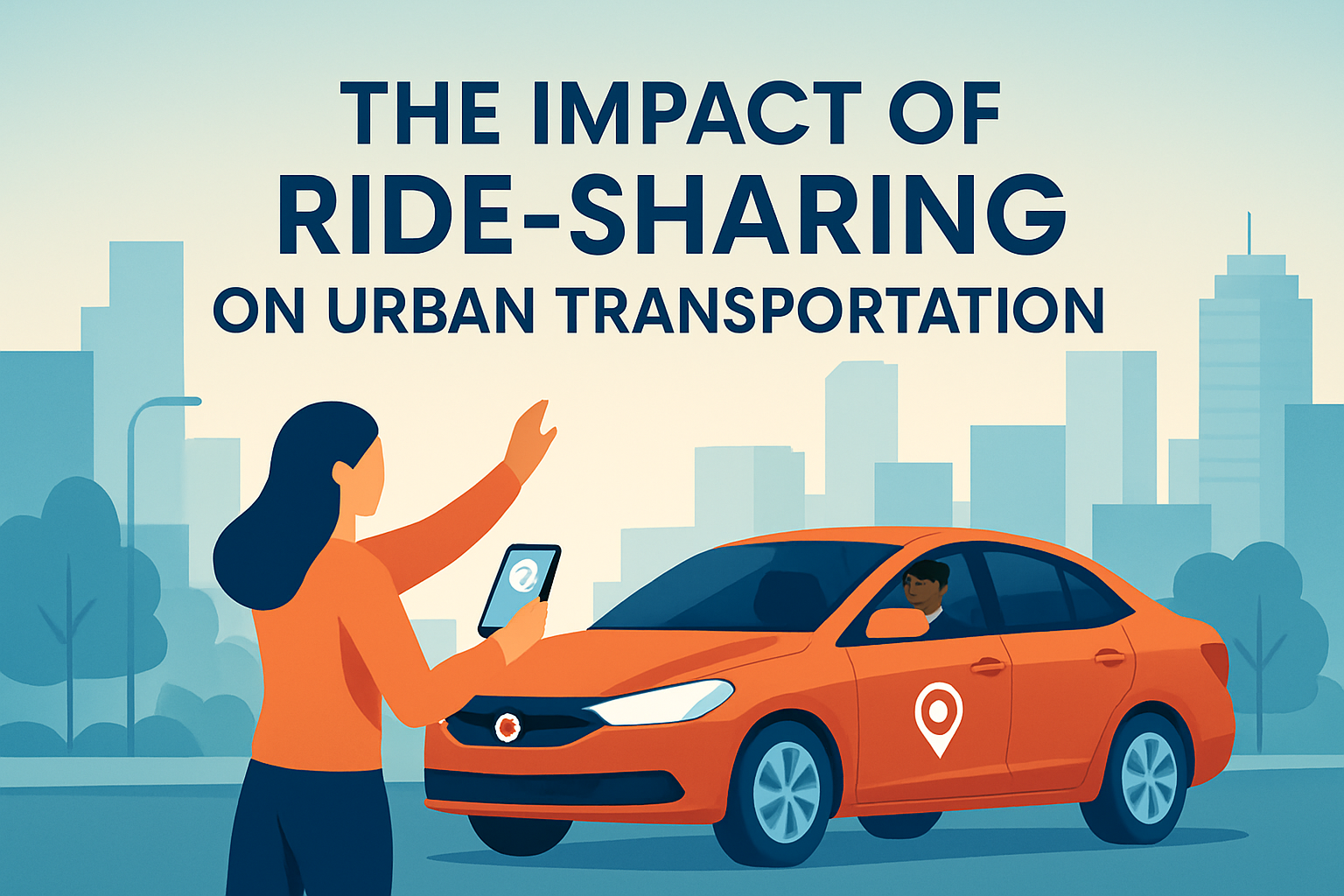
Mitigating the adverse transportation impacts of urban sprawl can be approached through multiple strategies aimed at promoting more efficient land use and transportation systems. Firstly, adopting smart growth policies can help create more compact, pedestrian-friendly mixed-use developments, encouraging a higher usage of public transit and reducing car reliance. Implementing transit-oriented development (TOD) ensures that communities are built around enhanced public transportation services, maximizing accessibility and convenience while limiting sprawl’s reach. Enhancements to public transit infrastructure, such as expanding service coverage, improving frequency, and ensuring connectivity across suburbs, can make non-car travel more appealing. Integrating multi-modal transportation systems—like creating dedicated lanes for bicycles and walking pathways—encourages alternative transportation methods. Finally, embracing technology-driven solutions like intelligent traffic management systems and ride-sharing apps can alleviate traffic pressure while reducing overall travel times. These solutions require comprehensive planning and coordination across governmental tiers, but when strategically applied, they can significantly lessen urban sprawl’s grip on transportation networks.