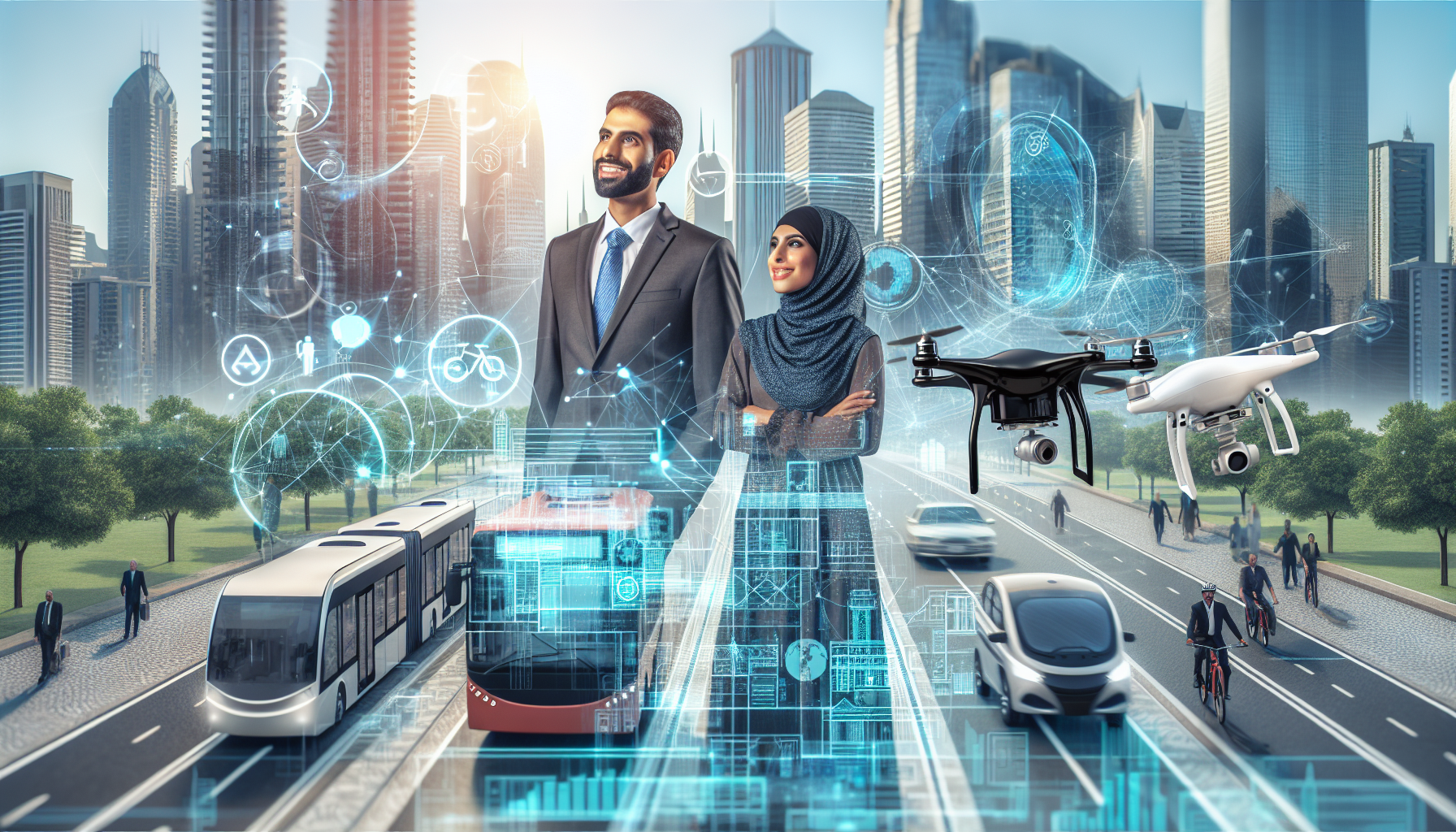
Innovation is reshaping urban transportation faster than at any point since the mass adoption of the automobile, and cities that adapt well are building cleaner, safer, and more reliable ways for people to move. In urban transportation, innovation means more than electric cars or ride-hailing apps. It includes new vehicle technologies, smarter street design, digital payment systems, integrated transit planning, logistics improvements, and policy tools that change how roads, sidewalks, rails, and curb space are used. Urban transportation itself refers to the networks that carry people and goods through cities: buses, trains, bicycles, scooters, walking routes, taxis, freight vehicles, and private cars. The role of innovation is to improve these systems across four practical measures I use when evaluating mobility projects: access, speed, cost, and environmental impact. If a new idea does not improve at least one of those measures without seriously damaging the others, it usually fails in the real world.
This topic matters because transportation determines who can reach jobs, schools, healthcare, and social life. It also shapes public health, land values, household budgets, and carbon emissions. The International Energy Agency has repeatedly identified transport as a major source of energy-related emissions, while the World Health Organization links road safety and air quality directly to urban health outcomes. In my experience working through city mobility strategies and transit modernization plans, the most effective innovations are rarely standalone gadgets. They are coordinated changes: bus lanes paired with signal priority, fare integration paired with mobile ticketing, micromobility paired with protected cycling networks, and electrification paired with charging depots and utility planning. That systems view is essential for any hub article on urban mobility and transportation, because innovation in one mode nearly always affects another. A city that improves last-mile access to rail, for example, raises the value of its entire transit network.
How innovation changes the urban mobility system
Urban transportation innovation works at three levels: infrastructure, operations, and user experience. Infrastructure innovation includes protected bike lanes, adaptive traffic signals, modular bus stops, and dedicated freight loading zones. Operational innovation includes real-time dispatching, predictive maintenance, and dynamic curb management. User-experience innovation includes trip-planning apps, contactless fares, accessible wayfinding, and unified mobility platforms. When these levels align, the gains are measurable. A bus route with dedicated lanes, transit signal priority, off-board fare payment, and live arrival data can deliver travel time and reliability improvements comparable to much more expensive rail upgrades. That is one reason bus rapid transit has been adopted in cities from Bogotá to Jakarta. It is not simply a bus with paint on the road; it is an integrated service model.
Another important shift is the move from vehicle-centered planning to person-centered planning. Traditional transport models often optimized traffic flow for cars, even when most trips in dense districts were made by walking, transit, or cycling. Innovation now focuses more on throughput, not just speed. One lane of private cars moves far fewer people per hour than a lane used by buses or protected cycling infrastructure. Cities such as London, Paris, and New York have shown that reallocating street space can increase total movement capacity while improving safety. This is why complete streets, low-traffic neighborhoods, and transit-first corridors have become central concepts in urban transportation policy. They recognize that innovation is often organizational and spatial, not only technological.
Public transit modernization remains the backbone
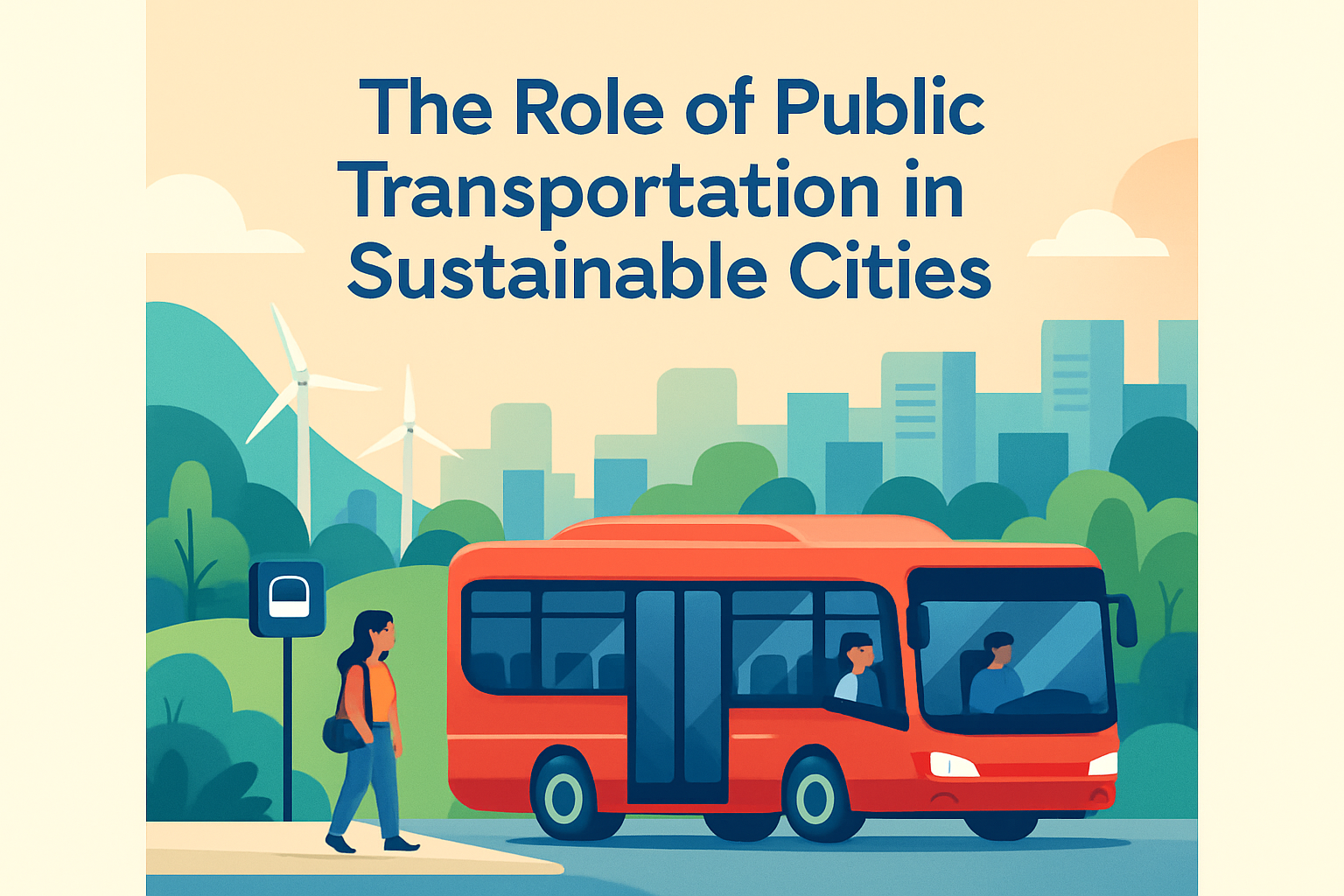
For most large cities, the most important transportation innovation is still better public transit. Rail expansions attract attention, but many of the highest-value improvements happen inside existing systems. Agencies are replacing legacy fare media with account-based ticketing, using open payments that let riders tap a bank card or phone instead of buying a dedicated transit card. They are installing automatic passenger counters, computer-aided dispatch systems, and condition-monitoring sensors on vehicles and track assets. These tools improve planning accuracy and maintenance scheduling. In practice, that means fewer service disruptions, better crowding management, and clearer data on where to increase frequency.
Bus systems are seeing especially strong innovation because they can be upgraded relatively quickly. In cities where I have assessed corridor performance, the biggest rider benefits usually came from frequency, reliability, and stop design, not cosmetic branding. All-door boarding reduces dwell time. Queue jumps and signal priority cut delays at intersections. Better shelter lighting and level boarding improve safety and accessibility. GTFS and GTFS-Realtime standards have also transformed customer information by allowing third-party apps and agency tools to publish schedules and live arrivals in a consistent format. That standardization matters because information reliability influences perceived wait time almost as much as actual frequency. Riders tolerate a ten-minute wait better when they know exactly when the vehicle will arrive.
Electrification and cleaner fleets
Electrification is one of the clearest examples of innovation delivering multiple urban transportation benefits at once. Battery-electric buses reduce tailpipe emissions, lower noise, and can improve air quality on dense corridors that serve schools, hospitals, and low-income neighborhoods. Electric delivery vans and cargo bikes can also reduce pollution in central business districts. However, fleet electrification is not as simple as buying vehicles. Cities and operators must plan charging strategy, depot layout, utility interconnection, route blocks, and battery performance under local climate conditions. Cold weather, steep grades, and heavy HVAC demand can materially affect range. The agencies that implement electric transit well usually begin with route suitability analysis and phased deployment rather than a full fleet conversion overnight.
There are also tradeoffs. Electric vehicles reduce local emissions, but network benefits depend on the electricity mix, procurement timing, and asset management discipline. Charging at depots may require costly upgrades, while on-route charging can constrain operations if not designed carefully. Hydrogen fuel cell buses may suit some long-range or high-utilization use cases, but they bring different fuel supply and maintenance requirements. The strongest urban transportation plans compare technologies against duty cycle, topography, labor skills, and total cost of ownership. A clean fleet strategy succeeds when it aligns vehicles, charging, maintenance, and service planning, not when it chases headlines.
Shared mobility, micromobility, and first-mile connections
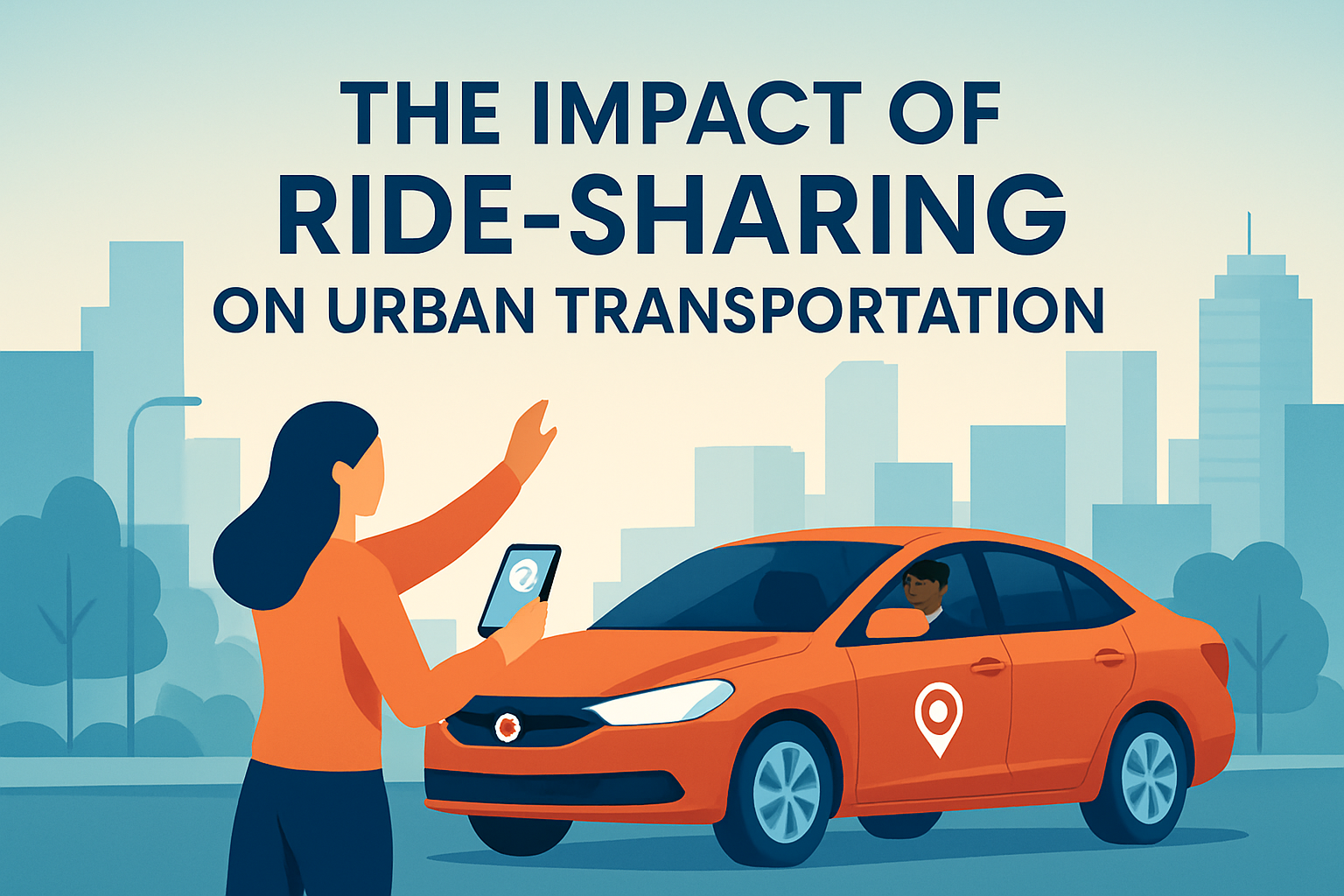
Shared mobility has broadened the urban transportation toolkit, especially for short trips and first-mile or last-mile access. Bike-share systems, e-scooters, car-share services, and app-based ride services all respond to gaps that fixed-route transit cannot always fill. Their value depends heavily on context. In dense mixed-use districts, bike-share can replace short car trips and extend the reach of rail stations. In lower-density areas with poor transit, on-demand services can help connect residents to mainline bus or commuter rail. But unmanaged deployment can create sidewalk clutter, unsafe riding conditions, or competition with high-capacity transit rather than support for it.
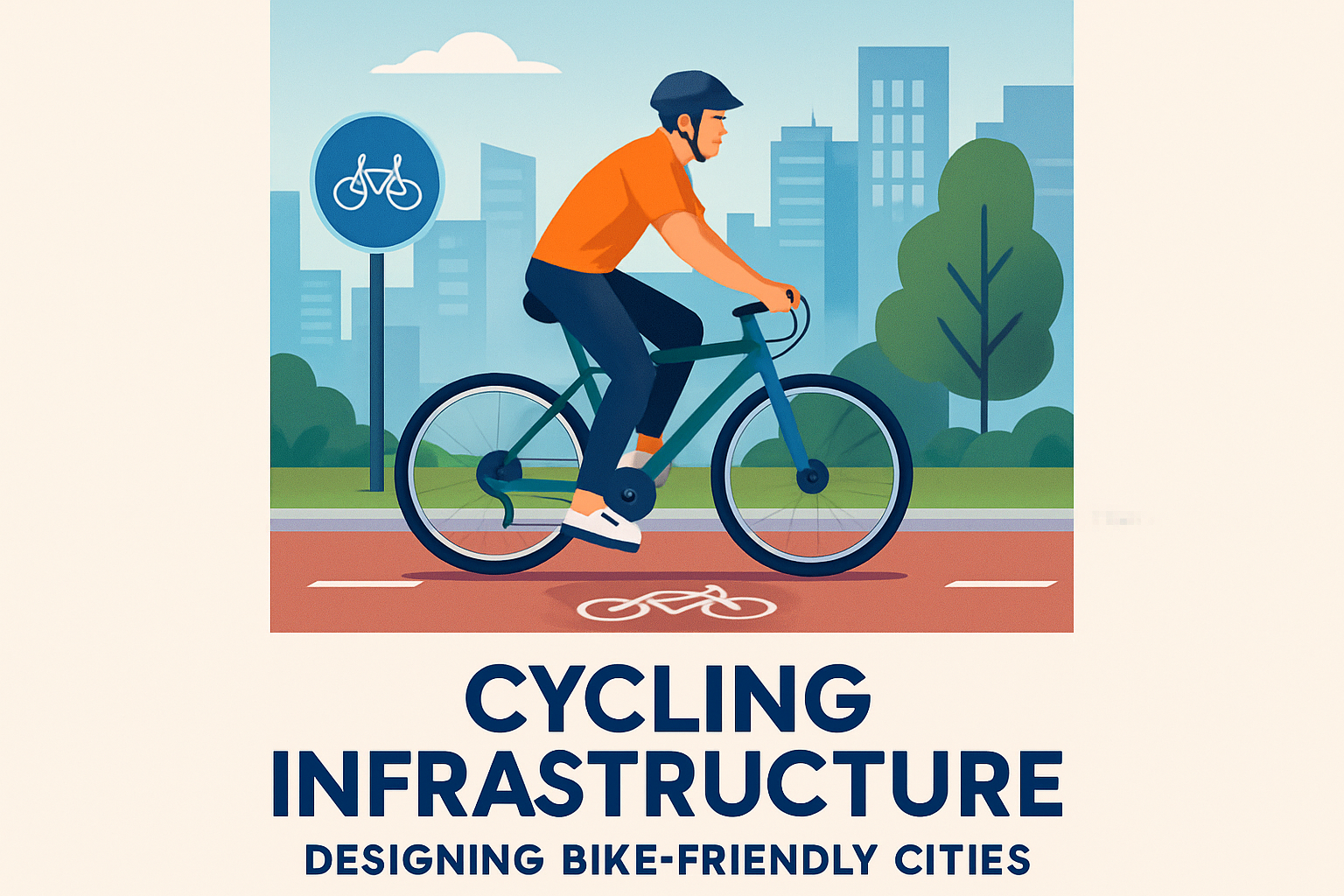
The practical lesson is that micromobility works best when cities build safe networks and clear operating rules. Protected lanes, parking corrals, speed limits, and geofenced no-ride zones improve order and safety. Data-sharing frameworks, such as those used through mobility management platforms, help cities understand where devices are being used and where parking demand is concentrated. I have seen the difference this makes: a scooter program without designated parking generates complaints within weeks, while the same program paired with curbside corrals and enforcement becomes a useful connector. Innovation here is not just the device. It is the operating model, the street design, and the governance behind it.
Data, pricing, and intelligent street management
Digital systems now influence urban transportation as much as concrete and steel do. Real-time data from GPS units, connected signals, cameras, and curb sensors allows cities to manage streets dynamically instead of treating them as static assets. Adaptive signal control can adjust phases based on actual demand. Automated enforcement can keep bus lanes clear. Freight loading zones can be priced by time of day. Parking guidance systems can reduce circling, which cuts congestion and emissions in busy districts. Mobility dashboards help agencies compare corridor speeds, collision patterns, and ridership changes across modes.
Pricing is one of the most powerful, and politically difficult, forms of transportation innovation. Congestion pricing in central areas, demand-based parking rates, and distance-based road use charges all aim to align price with scarce street capacity. London and Stockholm demonstrated that charging for the most congested road space can reduce traffic and improve bus reliability. New York’s congestion pricing framework has intensified the same debate in the United States. These policies work best when cities explain the objective clearly and reinvest revenue in visible mobility improvements. Pricing should not be framed as punishment. It is a management tool that helps ration limited urban space more efficiently and fairly.
| Innovation area | Main benefit | Typical risk | Best-use example |
|---|---|---|---|
| Bus priority | Faster, more reliable transit | Weak enforcement reduces gains | Red lanes plus signal priority on dense corridors |
| Fleet electrification | Lower local emissions and noise | Charging and range constraints | Depot-charged buses on predictable routes |
| Bike-share and scooters | Strong first-mile and short-trip utility | Sidewalk clutter and safety issues | Protected lanes with designated parking corrals |
| Congestion and parking pricing | Reduced traffic and better street efficiency | Public resistance if benefits are unclear | City center charges funding transit upgrades |
Freight, curb space, and the overlooked logistics layer
Urban transportation discussions often focus on people, but cities also depend on the daily movement of goods. E-commerce growth has intensified pressure on loading zones, alleys, and curb access. Delivery vehicles double-park when curb policy fails, blocking buses and bike lanes and creating safety hazards. Innovation in urban freight includes microhubs, cargo bike deliveries, time-window management, smart lockers, and digital curb reservations. These measures matter because freight efficiency affects traffic flow for everyone else. A well-managed loading system can improve bus travel times and reduce conflict at intersections.
Cities such as Paris and Amsterdam have pushed cargo bikes into logistics chains for dense urban cores, especially for parcel delivery. This works well when shipment volumes are consolidated at neighborhood depots and final deliveries are short. It does not replace every van, but it can take a meaningful share of trips out of congested areas. Similarly, construction logistics planning can reduce peak-hour truck movements near major projects. The larger point is that innovation in urban mobility includes behind-the-scenes logistics, not just passenger-facing apps. Any comprehensive urban transportation strategy should treat freight, curb policy, and delivery management as core components rather than side issues.
Accessibility, safety, and equity define success
The best transportation innovations improve mobility for people who are usually underserved: disabled riders, older adults, low-income households, and residents of outer neighborhoods. Accessibility is not a niche requirement. It is a design standard that improves the system for everyone. Level boarding speeds buses while helping wheelchair users and parents with strollers. Audible signals help blind pedestrians while making crossings clearer for all users. Wayfinding with plain language and consistent iconography reduces confusion for visitors and daily riders alike. When agencies adopt universal design principles early, they avoid costly retrofits later.
Safety also remains the most non-negotiable metric. If a mobility innovation increases injury risk, it is not progress. Vision Zero programs, safer intersection geometry, lower design speeds, protected cycle tracks, and daylighting near crossings are examples of transportation innovation grounded in evidence rather than novelty. Equity must be measured too, not assumed. Cities should ask who benefits first, who pays, and which neighborhoods receive investment. I have seen pilot programs succeed in downtown districts while bypassing transit-dependent communities where gains would matter more. Good innovation practice requires distributional analysis, public engagement, and performance measures that go beyond aggregate ridership or app downloads.
What cities should prioritize next
The future of urban transportation will belong to cities that innovate in disciplined, connected ways. The priority list is clear. First, strengthen core transit through frequency, bus priority, fare integration, and maintenance modernization. Second, electrify fleets with realistic infrastructure planning and utility coordination. Third, build protected walking and cycling networks so short trips shift out of cars safely. Fourth, manage curb space and pricing actively instead of giving away scarce road capacity by default. Fifth, use data standards and open platforms so agencies can evaluate results, inform riders, and coordinate modes. Sixth, embed accessibility, safety, and equity into every project from the start.
The central lesson is simple: innovation in urban transportation is valuable when it solves practical city problems at system scale. The most successful cities do not chase every trend. They choose tools that improve access, reliability, affordability, and sustainability together, then they connect those tools across transit, streets, freight, and public space. If you are building an urban mobility and transportation strategy, use this hub as the starting point for deeper work on transit modernization, electrification, micromobility, freight, pricing, and street design. Better urban transportation is not created by a single breakthrough. It is built through coordinated innovation, careful measurement, and steady implementation.
Frequently Asked Questions
What does innovation in urban transportation actually include?
Innovation in urban transportation includes far more than electric vehicles and app-based ride services. It covers the full system that helps people and goods move through a city, including public transit, walking and cycling infrastructure, traffic management, freight delivery, curbside operations, and the policies that shape how streets are used. In practice, that means everything from electric buses, smart traffic signals, and contactless fare payments to protected bike lanes, mobility hubs, real-time transit data, and redesigned intersections that reduce crashes.
It also includes planning and governance. Cities are increasingly using data analytics, digital mapping, integrated fare systems, and coordinated land-use decisions to make transportation networks more efficient and connected. Policy innovation matters just as much as technology innovation. Congestion pricing, low-emission zones, transit-priority lanes, and flexible curb regulations can all influence travel behavior and improve performance across the network. The most effective urban transportation innovation usually happens when infrastructure, technology, operations, and public policy work together rather than in isolation.
How is innovation making urban transportation cleaner and more sustainable?
Innovation is helping cities reduce emissions and improve environmental performance in several important ways. The most visible example is vehicle electrification, including electric buses, delivery vans, municipal fleets, and private cars. When paired with cleaner electricity sources, these vehicles can significantly reduce greenhouse gas emissions and local air pollutants. However, sustainable transportation innovation goes well beyond replacing one type of vehicle with another. Cities are also investing in transit improvements, safer pedestrian routes, and bike networks that make lower-emission travel more practical and appealing for everyday trips.
Smarter transportation systems also reduce waste and inefficiency. Traffic signal coordination, real-time route optimization, and better freight management can cut down on congestion, idling, and unnecessary vehicle miles traveled. Integrated transportation planning encourages development patterns that support shorter trips and greater use of public transit. In many cities, digital tools now help residents compare travel options in real time, making it easier to choose the fastest or lowest-impact mode. The long-term sustainability benefit comes from shifting urban transportation away from car dependence and toward a more balanced network that uses street space, energy, and public investment more effectively.
Why is street design considered an important form of transportation innovation?
Street design is one of the most powerful and practical forms of innovation because it directly shapes safety, capacity, and access. A street is not just a space for moving cars; it is a public corridor that must serve buses, cyclists, pedestrians, delivery vehicles, emergency services, and in many cases street-level commerce. Innovative street design rethinks how that space is allocated. Protected bike lanes, bus-only lanes, raised crosswalks, pedestrian islands, traffic calming measures, and better curb management can dramatically improve safety and reliability without requiring entirely new transportation systems.
This matters because many urban transportation problems are not caused by a lack of movement, but by poorly organized movement. A well-designed street can carry more people, reduce collision risks, shorten crossing distances, and make transit more dependable. It can also improve accessibility for children, older adults, and people with disabilities. Cities that treat street design as a strategic innovation tool are often able to deliver visible results faster than those focused only on large capital projects. In that sense, design innovation is both highly practical and highly scalable, especially in dense urban areas where every foot of public right-of-way matters.
How do digital tools and data improve the urban transportation experience?
Digital tools and data have transformed how transportation systems are managed and how people use them. For passengers, real-time arrival information, mobile ticketing, contactless payments, multimodal trip planning, and service alerts make urban travel more predictable and convenient. Instead of relying on fixed schedules and fragmented payment systems, riders can now plan journeys across buses, trains, bike-share, scooters, and walking routes using a single interface in many cities. That kind of integration reduces friction and makes public and shared transportation more competitive with private car use.
For agencies and city planners, data creates opportunities to improve service, maintenance, and long-term planning. Transit agencies can identify overcrowded routes, unreliable segments, and changing travel patterns more quickly. Traffic management centers can respond to incidents in real time and optimize signal timing based on actual conditions. Cities can also use curb and freight data to better manage deliveries, pickup zones, and commercial loading. That said, data-driven transportation must be implemented responsibly. Privacy, cybersecurity, equity, and transparency are essential. The goal is not simply to collect more information, but to use it in ways that improve mobility, strengthen public trust, and deliver better outcomes for all users.
What challenges do cities face when adopting transportation innovation?
Cities often face a mix of financial, political, technical, and social challenges when trying to modernize transportation systems. Funding is a major barrier, especially for large infrastructure upgrades or fleet electrification projects that require substantial upfront investment. Many cities are also working within legacy systems, aging infrastructure, and overlapping agencies that make coordination difficult. Even when a promising innovation exists, it may not fit neatly into existing regulations, procurement rules, or operational structures.
Another challenge is ensuring that innovation benefits all residents rather than only those with the newest devices, higher incomes, or access to fast-changing neighborhoods. Equity is central to successful transportation reform. If new services are concentrated in affluent areas, or if digital systems exclude people without smartphones or bank accounts, innovation can deepen existing mobility gaps. Public acceptance also matters. Residents and businesses may resist street redesigns, pricing reforms, or shifts in curb access unless the benefits are clearly communicated and carefully implemented. The most successful cities tend to pilot new ideas, measure results, involve communities early, and scale what works. In urban transportation, innovation succeeds not just when something is new, but when it is reliable, inclusive, and demonstrably better than the status quo.