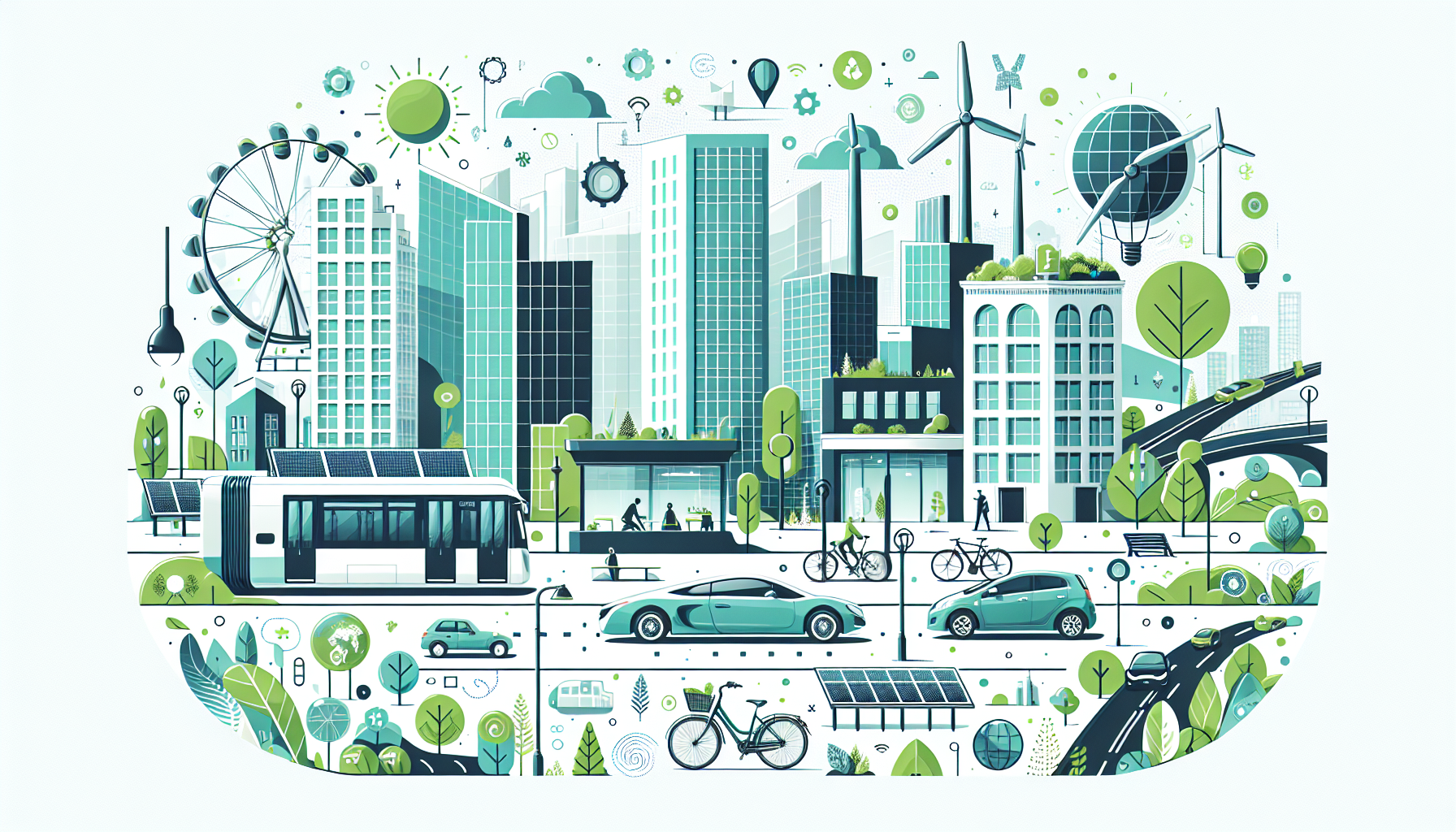
Designing urban mobility for environmental sustainability means shaping how people and goods move through cities so transport uses less energy, creates less pollution, takes less space, and supports healthier, more resilient communities. In practice, that includes street design, public transit, walking and cycling networks, freight management, shared mobility, digital tools, pricing policy, and land use decisions that shorten trips altogether. I have worked on mobility programs where a single bus lane, a curbside loading plan, or a protected bike connection changed travel behavior more than expensive road widening ever did. That is why this topic matters: urban transport is one of the largest sources of greenhouse gas emissions, local air pollution, noise, and public-space inefficiency, yet it is also one of the most solvable city systems when leaders design for access instead of vehicle speed.
Urban mobility refers to the movement of people and goods within a metropolitan area. Environmental sustainability in this context means reducing emissions, particulate matter, congestion waste, land consumption, and resource use while maintaining affordability, safety, and economic productivity. The central question is not how to move more cars faster. It is how to provide reliable access to jobs, schools, shops, parks, and services with the lowest environmental cost. Cities that answer that question well usually follow a consistent hierarchy: avoid unnecessary trips where possible, shift trips to lower-impact modes, and improve the efficiency of the remaining motorized travel. This hub article covers the full miscellaneous landscape of sustainable urban mobility, giving a practical framework that connects planning, technology, infrastructure, and governance.
Why is this now urgent? Transport accounts for roughly a quarter of energy-related carbon dioxide emissions globally, and road vehicles produce the majority of transport emissions. In dense urban areas, traffic also drives nitrogen oxides, fine particulate pollution, and heat retention from paved surfaces. At the same time, poorly designed mobility systems exclude people who cannot drive, spend large shares of household income on transport, and lock cities into high infrastructure maintenance costs. Designing urban mobility for environmental sustainability therefore delivers multiple gains at once: lower emissions, cleaner air, safer streets, better public health, stronger local commerce, and more equitable access. The cities making progress are not relying on a single silver bullet. They are building integrated systems that combine compact development, high-quality transit, active travel, efficient logistics, and data-led operations.
Start with access, not traffic flow
The most important principle in sustainable urban mobility is that access matters more than movement. A city can have high traffic speeds and still fail residents if daily destinations are far apart, dangerous to reach without a car, or poorly served by transit. By contrast, a city with moderate speeds but short trip distances and many travel choices can produce lower emissions and better quality of life. In project work, I have found that reframing goals from “reduce congestion” to “improve access within 30 minutes” changes decisions immediately. Instead of widening roads, agencies begin improving bus frequency, sidewalk continuity, intersection safety, and zoning near stations.
This access-based approach aligns transportation with land use. Mixed-use neighborhoods reduce the need for long trips by locating housing near employment, schools, groceries, and public services. Transit-oriented development does the same at a corridor scale by placing growth around rail stations and frequent bus routes. Paris, Copenhagen, and increasingly Melbourne and Portland have shown that dense, walkable districts can absorb population growth without proportional growth in car travel. The environmental benefit is direct: fewer vehicle kilometers traveled means lower fuel use, lower tire and brake particle emissions, and less pressure to pave more land for roads and parking.
Public transport is the backbone of low-carbon cities
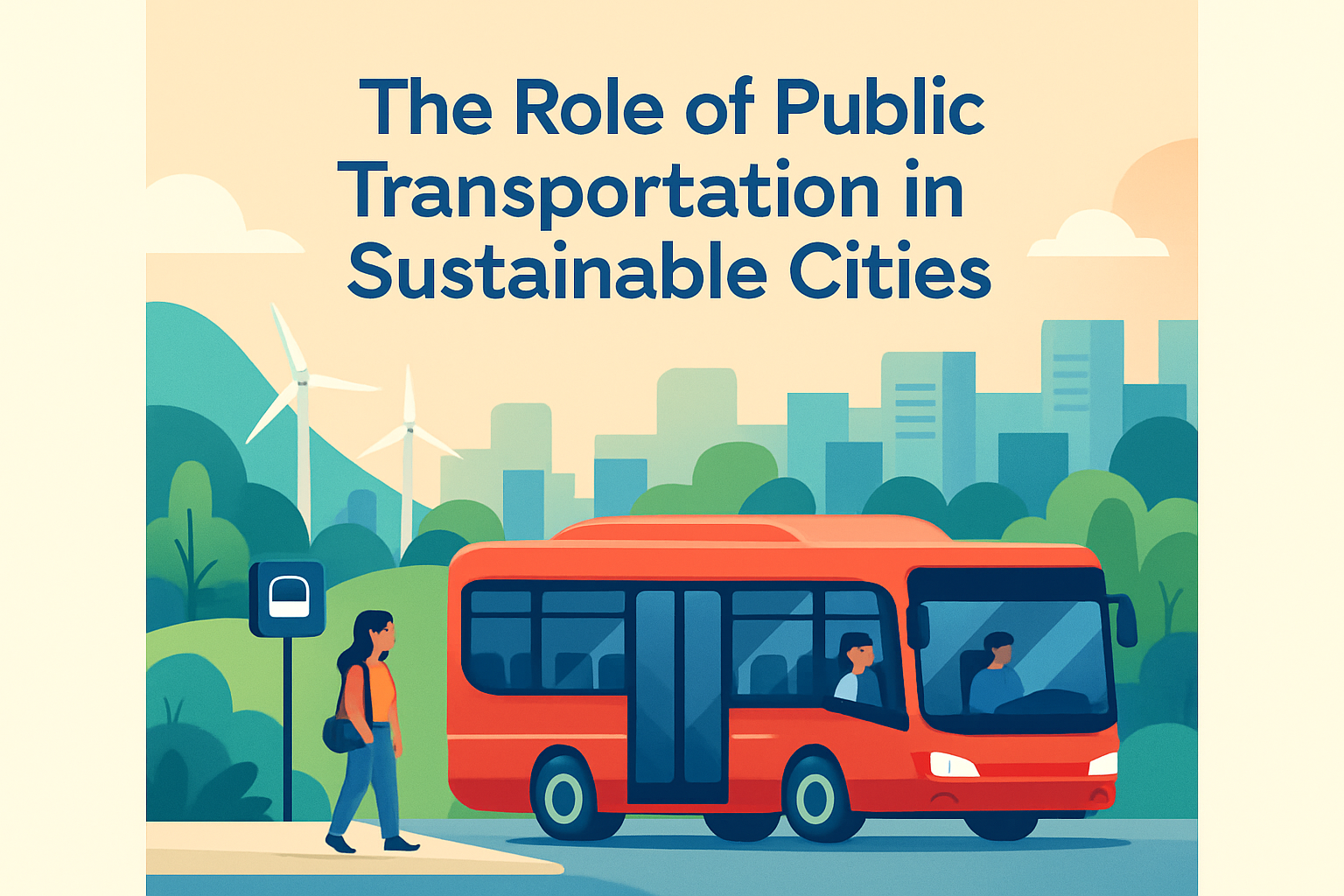
High-capacity public transport delivers the largest environmental gains for busy corridors because it moves many people in limited street space with far lower per-passenger emissions than private cars. The exact mode varies by urban form and demand. Metro systems work best in the highest-density corridors. Bus rapid transit can provide rail-like performance at lower capital cost when it has dedicated lanes, level boarding, off-board fare collection, and signal priority. Frequent local buses remain essential because they connect neighborhoods to trunk routes and serve riders whose trips are too dispersed for rail.
Real-world results are clear. Bogotá’s TransMilenio demonstrated that dedicated busways can shift large volumes of riders from slower, more polluting services, though later overcrowding also showed the importance of reinvestment and network expansion. London’s integrated fare system, bus priority, and congestion pricing helped stabilize central travel demand while keeping public transport attractive. Shenzhen electrified its bus fleet at scale, cutting tailpipe emissions and reducing noise, while learning hard lessons about charging logistics, depot upgrades, and battery management. Sustainable transit is not just about buying vehicles; it depends on frequency, reliability, fare integration, station accessibility, and safe last-mile connections.
Walking and cycling are core infrastructure, not amenities
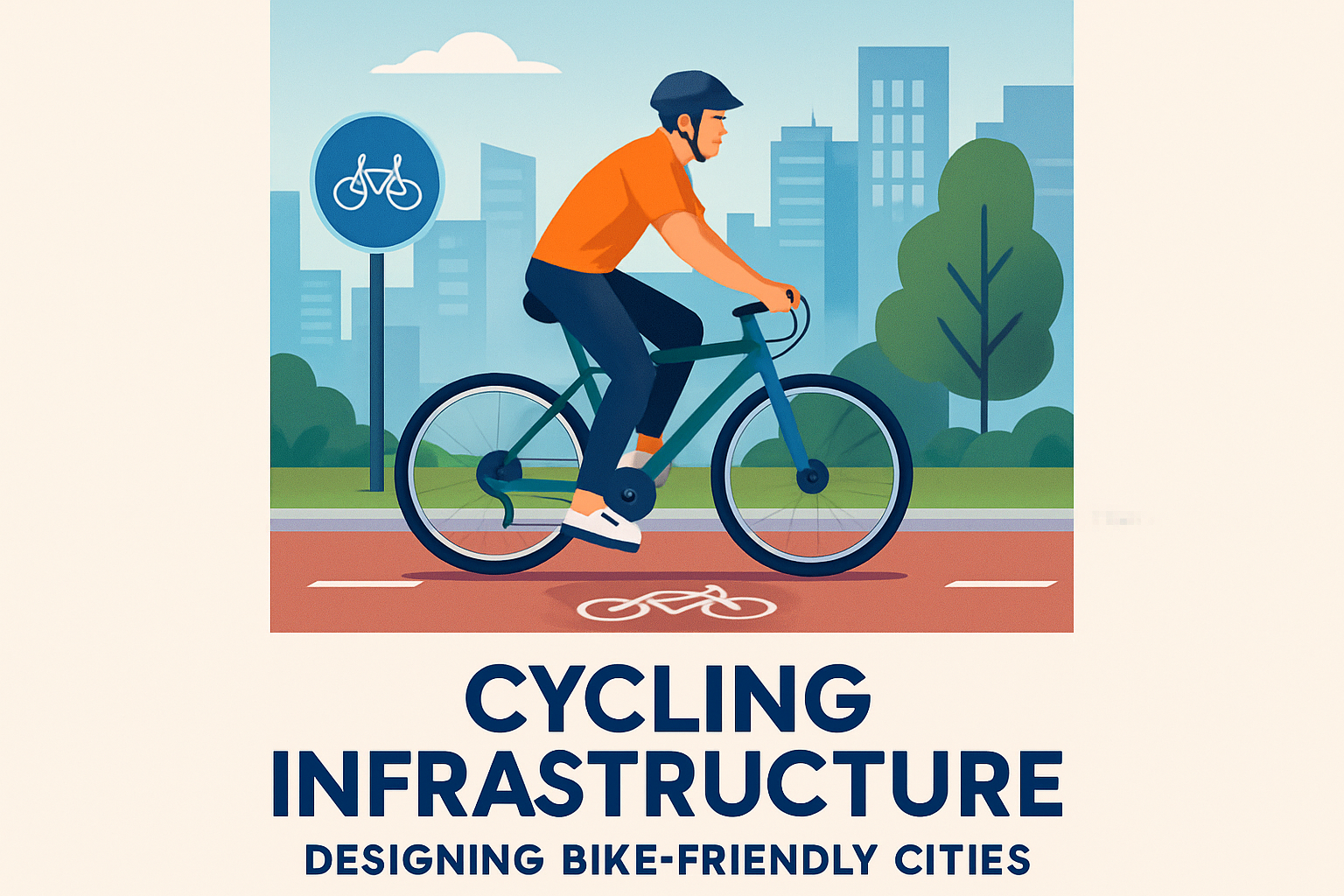
The cleanest urban trip is often the trip taken on foot or by bicycle, yet many cities still treat sidewalks and cycle tracks as optional extras. Environmentally sustainable mobility requires the opposite mindset. Walking and cycling are foundational networks because they produce near-zero operational emissions, support public health, and dramatically increase the reach of transit. Every transit trip begins and ends as a walking trip unless good cycling access or micromobility extends that catchment. When cities fail to provide protected crossings, continuous sidewalks, shade, lighting, and protected bike lanes, they weaken every other part of the mobility system.
The evidence is strong. Seville built a connected protected cycle network quickly and saw bicycling rise sharply within a few years. The Netherlands demonstrates that high cycling rates are not a cultural accident; they are the outcome of design standards, low-speed streets, priority at intersections, and secure parking. New York City’s protected bike lanes have improved safety and, on many corridors, supported retail activity by increasing foot traffic. For sustainability, the value is broader than replacing car trips. Active travel reduces demand for parking, lowers healthcare costs associated with inactivity, and uses urban land far more efficiently than vehicle-dependent travel.
Electrification helps, but it cannot substitute for mode shift
Electric vehicles are essential for decarbonizing trips that still require motorized travel, especially buses, taxis, delivery fleets, and private vehicles in lower-density contexts. They eliminate tailpipe emissions and can substantially reduce lifecycle emissions when powered by cleaner grids. However, treating electrification as the only strategy is a mistake. Electric cars still require road space, generate congestion, contribute to tire particulate pollution, and demand significant material inputs for batteries and vehicles. A city filled with electric traffic jams is cleaner than a city filled with gasoline traffic jams, but it is not truly sustainable.
The most effective strategy is to electrify while simultaneously reducing unnecessary driving. That means prioritizing electric buses and commercial fleets where utilization is high, locating chargers where they support operational efficiency, and using procurement standards that consider battery warranty, charging interoperability, and total cost of ownership. It also means protecting grid capacity and aligning charging with renewable energy availability when possible. Cities such as Oslo have shown that incentives can accelerate electric vehicle adoption, yet the strongest environmental outcomes still come where electrification is paired with pricing, transit investment, and compact urban form.
Managing freight, curbs, and deliveries reduces hidden urban emissions
Urban freight is often overlooked in sustainability discussions, even though delivery vans, service vehicles, and trucks can create disproportionate emissions, safety risks, and curbside conflict. E-commerce growth has increased stop frequency, double parking, and failed deliveries, all of which add vehicle idling and congestion. In city operations, curb management is one of the fastest low-cost interventions available. Designated loading zones, timed delivery windows, digital permits, and enforcement reduce circulation by vehicles searching for space. Consolidation centers can cut duplicate trips into dense districts, especially when paired with cargo bikes or small zero-emission vehicles for final delivery.
Good freight policy balances environmental goals with business realities. Restaurants, hospitals, construction sites, and retailers need reliable access. The answer is not to ban deliveries indiscriminately but to manage them intelligently. London, Amsterdam, and several Nordic cities have tested zero-emission zones and microhubs with promising results, though success depends on space allocation, carrier coordination, and realistic transition timelines. For many central districts, the biggest gains come from basic operational discipline rather than expensive technology.
| Mobility lever | Environmental benefit | Best use case | Main limitation |
|---|---|---|---|
| Dedicated bus lanes | Lower emissions per passenger, less congestion | Busy urban corridors | Requires street reallocation and enforcement |
| Protected bike networks | Near-zero operational emissions | Short urban trips and station access | Needs connected network, not isolated lanes |
| Electric buses and fleets | Zero tailpipe emissions, lower noise | High-use transit and delivery services | Charging, grid capacity, higher upfront cost |
| Congestion and parking pricing | Reduces unnecessary car trips | Dense centers with travel alternatives | Needs equity design and political support |
| Curb and freight management | Less idling and circulation | Commercial districts | Requires enforcement and carrier compliance |
Pricing and regulation shape behavior faster than infrastructure alone
Infrastructure matters, but cities often underestimate how quickly pricing and rules can change travel patterns. Parking pricing, congestion charges, low-emission zones, fuel taxes, and employer parking reform all influence mode choice and trip timing. Economically, this works because road space and curb space are scarce public assets. When they are underpriced, overuse follows. I have seen central districts where free or underpriced parking generated more circling traffic than any single intersection flaw. Once pricing was adjusted and loading was managed properly, traffic volumes fell and buses moved more reliably without major construction.
London’s congestion charge remains a reference point because it reduced central-area traffic and supported bus improvements, even though its long-term effects evolved as road space was reallocated and exemptions changed. Stockholm’s congestion tax proved that public opinion can shift after implementation when benefits become visible. The key for environmental sustainability is to link pricing revenue to alternatives people can trust, such as better transit service, safer walking routes, and discounts for low-income users. Regulation should be firm but fair, with clear performance metrics and regular review.
Data, integration, and governance determine whether plans work
Many cities already know what to do technically. The harder challenge is governance: transport agencies, planning departments, utilities, freight operators, and private mobility companies often work in silos. Sustainable urban mobility succeeds when cities integrate policy, data, and delivery. That includes unified ticketing across operators, common service standards, open data formats such as GTFS, and performance dashboards that track ridership, emissions, travel times, injuries, and access to essential destinations. Without these basics, projects remain isolated pilots rather than system change.
Data should guide practical decisions, not become an excuse for delay. Origin-destination patterns, curb occupancy, bus speeds, sidewalk gaps, collision maps, and air quality readings can identify high-impact interventions quickly. At the same time, cities should be cautious with vendor promises around smart mobility platforms. Technology can improve signal timing, fleet dispatch, demand-responsive services, and traveler information, but it cannot compensate for poor street design or weak policy. The strongest programs combine disciplined governance with transparent targets, stable funding, and regular public reporting.
Equity, resilience, and public trust are environmental issues too
Environmental sustainability in urban mobility is inseparable from equity and resilience. A policy that lowers emissions but makes travel unaffordable, unsafe, or inaccessible will not last politically or socially. Low-income households, older adults, disabled travelers, shift workers, and outer-neighborhood residents often face the worst tradeoffs in car-dependent systems: high transport costs, long travel times, and poor exposure to pollution. Designing equitable mobility means frequent service beyond peak commuter hours, accessible stations and vehicles, safe walking routes, fare policies that protect vulnerable users, and community engagement before projects are finalized.
Resilience also matters as climate impacts intensify. Heat waves affect pavement, rail operations, and waiting conditions at exposed stops. Flooding can shut tunnels, depots, and arterial roads. Wildfire smoke changes active travel conditions and ventilation needs. Sustainable mobility systems therefore need redundancy and adaptation: shaded sidewalks, permeable surfaces, elevated electrical systems, diversified routes, and emergency operations planning. Cities that build trust through visible benefits, honest tradeoff discussion, and reliable maintenance are far more likely to sustain ambitious environmental mobility policies over time.
Designing urban mobility for environmental sustainability is ultimately about building cities where daily life requires less energy, less pollution, and less space per trip while expanding access for more people. The strongest results come from combining compact land use, excellent public transport, safe walking and cycling, targeted electrification, smarter freight, and pricing that reflects the true value of road and curb space. No single measure is enough. Sustainable mobility is a system, and every element works better when the others are in place.
For this subtopic hub, the practical lesson is simple: treat miscellaneous mobility issues as connected parts of one operating model, not as standalone projects. A bus lane affects emissions, equity, freight, and street safety. A curb policy affects deliveries, transit reliability, and traffic circulation. An electric fleet strategy depends on land use, grid planning, and procurement discipline. If you are building your urban mobility and transportation content strategy or city action plan, start by mapping these connections and prioritizing interventions that improve access with the lowest environmental cost. Then move from pilots to policy, measurement, and long-term delivery.
Frequently Asked Questions
What does designing urban mobility for environmental sustainability actually mean?
Designing urban mobility for environmental sustainability means creating a city transport system that helps people and goods move efficiently while reducing environmental harm and improving quality of life. It is not limited to adding electric vehicles or building a new transit line. It involves the full mobility ecosystem: street design, public transportation, safe walking routes, cycling networks, freight logistics, parking policy, shared mobility, digital trip-planning tools, and land use patterns that reduce the need for long trips in the first place. The goal is to lower emissions, cut air and noise pollution, reduce energy use, limit congestion, and use scarce urban space more effectively.
In practice, sustainable urban mobility focuses on shifting trips toward the most space-efficient and low-impact modes. That usually means prioritizing walking, cycling, buses, rail, and well-managed shared transport over private car dependency. It also means designing cities so everyday destinations such as jobs, schools, shops, healthcare, and recreation are closer together. When land use and transport planning are aligned, people can meet more of their daily needs with shorter, cleaner trips. This is one of the most powerful ways to improve environmental outcomes because the cleanest trip is often the one that becomes shorter, changes mode, or is avoided altogether through better planning.
A strong sustainable mobility strategy also takes a systems view. A single bus lane, protected bike corridor, or freight consolidation program can produce benefits far beyond transport alone. It can improve public health, support local business activity, increase street safety, make neighborhoods quieter, and strengthen resilience during fuel price shocks or extreme weather events. In other words, environmental sustainability in urban mobility is not a niche design goal. It is a practical framework for building cities that are cleaner, healthier, more efficient, and more livable over the long term.
Why is urban mobility such an important part of environmental sustainability in cities?
Urban mobility is central to environmental sustainability because transportation is one of the largest sources of greenhouse gas emissions and local air pollution in many cities. Cars, trucks, buses, delivery fleets, and motorcycles consume energy, generate emissions, create particulate pollution from tires and brakes, and occupy large amounts of valuable public space. When cities are designed around private vehicle use, they often experience more congestion, longer travel distances, higher infrastructure costs, and more paved surfaces that contribute to heat and stormwater problems. Transport systems shape not only how people travel, but also how cities grow, consume land, and use resources.
The environmental impact of mobility extends beyond tailpipe emissions. A transport system dominated by private vehicles requires more roads, parking lots, and traffic infrastructure, which can displace green space, increase runoff, and reduce the amount of land available for housing, commerce, and community uses. By contrast, a city that supports high-capacity public transit, safe walking, and connected cycling can move more people using less energy and much less space. This efficiency makes urban mobility one of the most effective levers cities have for meeting climate goals and improving everyday environmental conditions.
There is also a strong link between mobility and social sustainability. Environmentally sound transport systems tend to be more equitable because they provide affordable and reliable access to opportunity for a wider range of residents, including people who do not drive. When cities invest in frequent transit, safer streets, and mixed-use neighborhoods, they reduce both environmental burdens and mobility barriers. That combination matters. A sustainable city is not one where travel simply becomes lower carbon on paper. It is one where people can reach what they need safely, affordably, and efficiently without imposing excessive environmental costs on everyone else.
What are the most effective strategies cities can use to make mobility more sustainable?
The most effective strategies are usually integrated rather than isolated. First, cities need to improve public transit by making it frequent, reliable, affordable, and easy to use. Dedicated bus lanes, signal priority, transit network redesign, seamless ticketing, and better station access can dramatically improve performance without always requiring massive infrastructure projects. When transit becomes competitive in terms of time, comfort, and convenience, more people choose it, and the environmental benefits multiply quickly.
Second, cities should make walking and cycling safe, direct, and attractive. That means protected bike lanes, wider sidewalks, safer intersections, traffic calming, shade, lighting, secure bike parking, and street designs that prioritize people rather than vehicle speed. Short trips make up a large share of urban travel, and many of them can shift to active modes when basic safety and comfort are addressed. These changes are often among the fastest and most cost-effective actions cities can take because they reduce emissions while also improving health, street vitality, and local accessibility.
Third, demand management matters. Pricing and policy tools such as congestion charging, parking reform, low-emission zones, employer commute programs, and incentives for shared mobility help reduce unnecessary car trips and make the transport system function more efficiently. Freight should also be part of the strategy. Cleaner deliveries, better loading management, cargo bikes for dense districts, consolidation centers, and route optimization can reduce emissions and curbside conflicts. Finally, land use decisions are essential. Transit-oriented development, mixed-use zoning, and compact neighborhood planning reduce trip lengths and support sustainable modes over time. The strongest results come when cities combine infrastructure, operations, pricing, and land use into one coherent mobility program instead of treating each element separately.
How do public transit, walking, and cycling compare with electric vehicles in sustainable urban mobility planning?
Public transit, walking, and cycling are generally more sustainable at the city scale than simply replacing private gasoline cars with private electric cars. Electric vehicles are important because they can significantly reduce tailpipe emissions and help decarbonize trips that still need motorized travel. They are especially valuable for buses, municipal fleets, taxis, car-share fleets, and some freight applications. But electrification alone does not solve many of the core urban problems created by car dependence, including congestion, road danger, parking demand, space consumption, and unequal access to mobility.
Walking and cycling are the lowest-impact modes for many short urban trips, and public transit is far more space-efficient than private cars for moving large numbers of people. A full bus or train can replace dozens of private vehicles on the street, reducing both emissions and congestion. Well-designed active and transit networks also support healthier lifestyles, stronger local commerce, and more inclusive access to jobs and services. From a planning perspective, these modes usually provide broader environmental and social benefits per dollar invested, especially in dense urban areas where space is limited and trip demand is high.
That said, this is not an either-or choice. The most resilient mobility systems use electrification where it makes sense while still prioritizing mode shift and trip reduction. Electric buses, e-bikes, light rail, and shared electric mobility can all play productive roles. The key principle is hierarchy. Cities get the best environmental outcomes when they first reduce the need to travel long distances, then shift trips to walking, cycling, and transit, then improve the efficiency of remaining vehicle travel, and finally electrify as much of that remaining travel as possible. That sequence delivers deeper sustainability gains than focusing on vehicle technology alone.
How can cities measure whether their urban mobility plans are truly improving environmental sustainability?
Cities should measure success using a balanced set of indicators rather than relying on a single metric such as traffic speed or total vehicle flow. Greenhouse gas emissions are an essential indicator, but they should be tracked alongside mode share, vehicle kilometers traveled, public transit ridership, walking and cycling rates, air quality, noise exposure, road safety, freight efficiency, public space use, and access to jobs and services. These measures together show whether the mobility system is becoming cleaner, more efficient, and more people-centered rather than simply moving cars faster.
It is also important to distinguish outputs from outcomes. For example, building a protected bike lane or launching a bus rapid transit corridor is an output. The real outcome is whether more people feel safe cycling, whether bus travel times improve, whether car trips decline, and whether emissions and pollution fall. Good evaluation looks at before-and-after conditions, compares neighborhoods fairly, and tracks changes over time. It should also account for equity by asking who benefits from improvements and whether lower-income communities, older adults, children, and people with disabilities are gaining better access and safer streets.
Strong measurement frameworks combine data sources such as transit operations data, traffic counts, mobile location data, household travel surveys, air quality sensors, and community feedback. Clear targets help keep plans accountable. A city might aim to increase non-car mode share, reduce per-capita transport emissions, cut average trip lengths, or improve access to frequent transit within a set number of years. The most credible mobility plans are transparent about progress, willing to adjust when results fall short, and focused on long-term system performance rather than one-time project announcements. If a city is moving more people with less energy, less pollution, less space, and better access, it is on the right path.