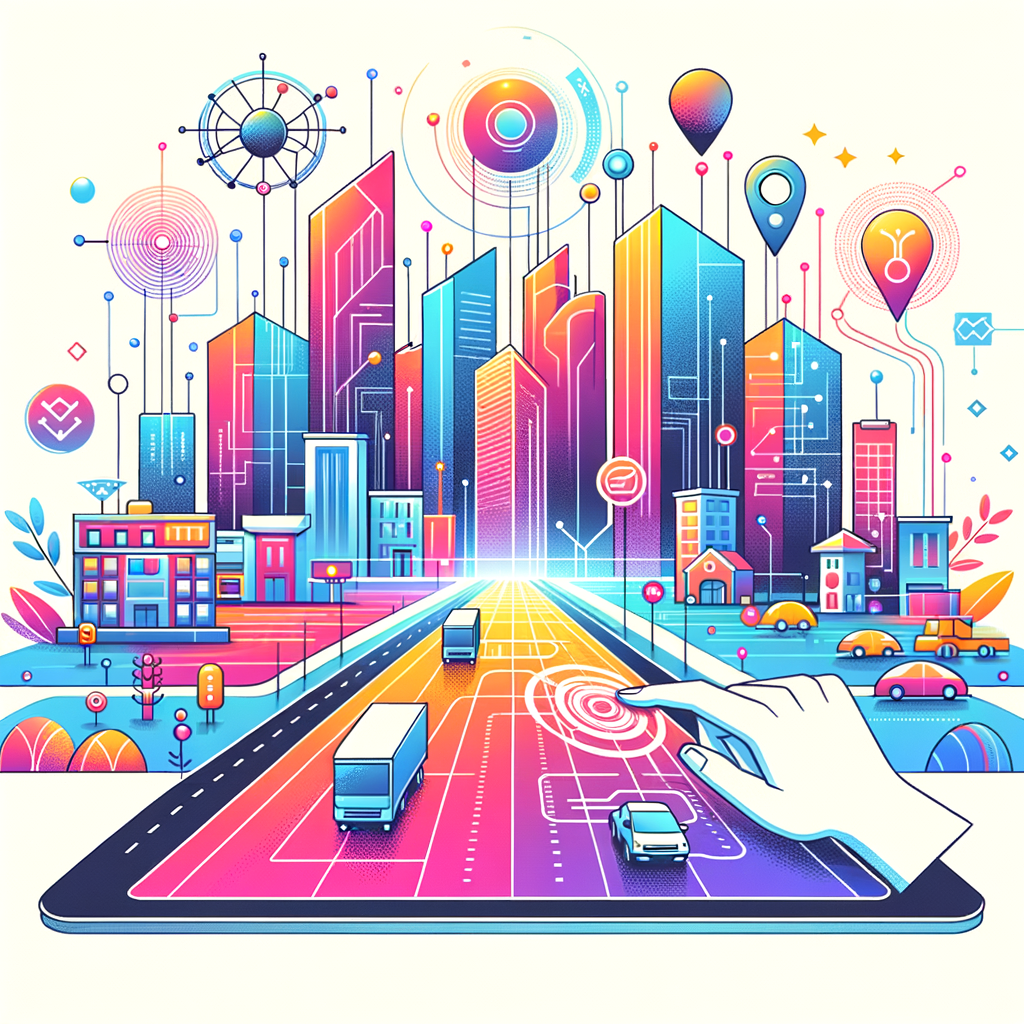
Urban mobility is experiencing transformative changes driven by technological innovation, evolving consumer behavior, and increasing environmental concerns. With swelling urban populations, cities worldwide face the challenge of efficiently managing public and private transportation to alleviate congestion and reduce pollution. As we inhabit an era where sustainability is paramount, innovative solutions in urban mobility are proving imperative. These transformative measures are not only redefining how we traverse urban landscapes but also signaling a shift in how urban environments are planned and developed. The future of urban mobility is a complex confluence of trends, challenges, and opportunities, with stakeholders spanning governments, private sectors, and individual consumers fiercely involved in shaping it. Understanding these dynamics is pivotal for realizing a sustainable, inclusive, and efficient urban transit ecosystem.
Emerging technologies and new business models are dramatically altering traditional transportation dynamics. Electric vehicles (EVs), autonomous driving technology, ride-sharing platforms, and micro-mobility options such as e-scooters and e-bikes are just some of the players redefining urban transit paradigms. Critical factors such as regulatory landscapes, infrastructure development, and societal acceptance are pivotal in determining the successful integration and sustainability of these trends. Moreover, amid the backdrop of climate change and finite resources, the necessity of adopting environmentally benign transportation solutions has never been more pronounced.
The discussion around urban mobility encompasses not only technological leaps but also intricate social, economic, and environmental facets. The overarching goal remains to craft a resilient urban mobility framework that enhances quality of life while minimizing ecological impacts and ensuring equitable access. The stakes are high but so is the potential for innovation-fueled revolutions. In this comprehensive exploration, we’ll delve into the primary trends shaping urban mobility’s future and the groundbreaking innovations poised to redefine the urban transit landscape.
Current Trends in Urban Mobility
The future of urban mobility is inherently linked to the current trends shaping today’s transportation landscape. One significant trend is the increasing emphasis on sustainability and green energy solutions, primarily driven by global climate commitments and urban pollution concerns. Cities across the globe are doubling efforts to integrate electric vehicles into their transportation systems. The rise of electric buses, bikes, and even ferries represents a concerted attempt to curb vehicular emissions.
Another prevailing trend is the ‘smart’ approach to urban transportation. Utilizing data analytics and Internet of Things (IoT) technology, cities are leveraging real-time data to optimize traffic flow, reduce congestion, and enhance commuting experiences. From intelligent traffic lights that adapt to traffic conditions to apps providing public transport users with real-time schedule information, the fusion of connectivity and mobility is paving the way for smarter cities.
In addition to these innovations, the sharing economy is another driving force in contemporary urban mobility. Ride-sharing and carpooling platforms like Uber and Lyft have transformed urban commuting by providing customizable and often more economical travel options while reducing the dependency on personal car ownership. This shift not only alleviates congestion but also fights the detrimental environmental impact of excess vehicles.
Innovations Guiding Urban Mobility
Technological advancements and evolving mobility models signify a pivot towards a more diversified and interconnected transportation ecosystem. Among the most transformative innovations are autonomous vehicles (AVs). Driverless cars, supported by advanced machine learning algorithms and sensor fusion technologies, promise increased safety, reduced traffic congestion, and better fuel efficiency.
Moreover, the burgeoning field of micro-mobility, encompassing scooters, bicycles, and mopeds, has grown substantially. These provide an appealing alternative for short urban journeys, simultaneously addressing last-mile connectivity issues and urban congestion. The integration of affordable, dock-less micro-mobility fleets adds another layer of convenience and accessibility for urban dwellers, particularly in densely populated areas.
Mobility as a Service (MaaS) is another burgeoning concept rooted in the seamless integration of various transportation modes into a single accessible service. With the MaaS framework, travelers can plan, book, and pay for flexible intermodal journeys, combining public transit, cycling, car-sharing, and walking – all through one application. This avoids the dependency on personal vehicles while promoting a more user-centric approach to urban transit planning.
The Role of Policy and Infrastructure
Effective policy-making and infrastructure development are paramount to realizing the full potential of innovative urban mobility solutions. Governments play a critical role by establishing regulatory frameworks that foster innovation while ensuring consumer safety and privacy. For instance, the facilitation of pilot programs is crucial in advancing AV development and deployment, offering valuable real-world data and insights.
Infrastructure development is particularly salient when considering EVs and shared mobility. The widespread adoption of electric vehicles requires expansive charging infrastructure, whereas shared mobility solutions necessitate dedicated lanes and parking areas. Crafting environments conducive to walking and cycling, with prioritized paths and safeguarded crossings, is vital for promoting robust multi-modal transit solutions.
Challenges and Opportunities
Although the trajectory of urban mobility brims with prospects, several challenges persist. The interoperability of different transportation modes and comprehensive multimodal integration poses significant hurdles. Bridging the gap between advanced technological innovations and aging infrastructure is a crucial challenge urban planners and policymakers must contend with.
Socio-economic barriers also exist, wherein transportation inequity remains a pervasive issue. Ensuring accessible and affordable mobility solutions for all urban inhabitants is imperative to achieving egalitarian urban growth. Equally critical is the adaptation of urban policies and planning to accommodate rapid technological advances, ensuring that infrastructural development is in line with emerging technologies.
Nonetheless, these challenges bring forth opportunities for new partnerships and collaborations. The convergence of technology, data, and urban development provides fertile ground for collaboration between public entities, private corporations, and academia, facilitating the co-creation of resilient urban mobility solutions.
Urban Mobility: A Global Perspective
Understanding that urban mobility trends and innovations do not exist in a vacuum, it’s important to recognize the variances and similarities in approach worldwide. For instance, European cities, known for their robust public transport systems, are pushing towards strengthening regional rail networks and electrifying mass transit. In contrast, several Asian cities, facing burgeoning population growth rates, are focusing on integrating holistic smart city frameworks, leading with extensive light rail and high-speed metro projects.
The North American approach, historically car-centric, is witnessing a gradual shift towards sustainability, with increased investments in EV charging networks and green public transit. Furthermore, African and Latin American cities are taking advantage of bus rapid transit systems as scalable, cost-effective solutions to address urban congestion.
Despite regional differences, the universal aspiration remains to build integrated, sustainable, and accessible urban mobility networks that respond adeptly to contemporary and future urban challenges.
The Environmental Imperative
Urban mobility has a direct impact on environmental sustainability. As cities strive to curb their carbon footprint, integrating eco-friendly transport solutions becomes a critical mandate. Electrifying urban transport fleets represents a clear path towards decarbonization. Furthermore, promoting pedestrian-friendly urban designs and the revival of non-motorized transport modes are equally crucial in reducing the urban transport sector’s ecological impact.
Beyond mere emissions reduction, sustainable urban mobility promotes health benefits, increased pedestrian safety, and enhanced urban livability. It is a comprehensive approach that aligns urban development with broader climate goals, addressing urban air quality and fostering healthier and attractive urban living environments.
Conclusion
The future of urban mobility lies in our collective ability to innovate, adapt and collaborate towards more resilient urban transport systems. At its core, the transformation of urban mobility is about creating sustainable, inclusive, and flexible transit ecosystems rooted in technological and social progress. While challenges such as infrastructural compatibility, policy synchronization, and equity remain, the potential of disruptive technologies like autonomous vehicles, interconnected MaaS platforms, and green transport solutions holds immense promise.
To forge ahead, it is critical that stakeholders work collaboratively, adapting to evolving trends while remaining steadfast in addressing the foundational elements of sustainable urban mobility. This includes ensuring that future urban transit ecosystems are robust, environmentally responsible, and readily accessible to all city inhabitants irrespective of socio-economic background.
By continuing to innovate and embrace next-generation transportation solutions, urban areas can mitigate congestion, reduce emissions, and enhance the overall quality of life. The journey towards this transformative future for urban mobility is already underway and poised to redefine how we experience and interact with our urban landscapes.
The road ahead requires a nuanced understanding of diverse urban settings and challenges, aiming for solutions that are not only futuristic but also actionable, equitable, and environmentally aligned. As we stand on the brink of a new age of urban mobility, the concerted effort of technology, policy, and human innovation offers an unparalleled opportunity to shape urban environments primed for a sustainable future.
Frequently Asked Questions
1. What are the key trends shaping the future of urban mobility?
In recent years, several key trends have emerged that are transforming the landscape of urban mobility. Foremost among these is the rise of electric vehicles (EVs), which are set to play a leading role in reducing urban pollution and dependency on fossil fuels. With continuous improvements in battery technology and a strong push from both government and private sectors to enhance EV infrastructure, the adoption rate of electric vehicles is expected to surge.
Another significant trend is the increasing incorporation of autonomous or self-driving technology. Autonomous vehicles promise to redefine transportation by opening new possibilities for shared mobility models like ride-hailing and car-sharing, potentially reducing the overall number of vehicles on the road, which can help alleviate congestion.
Shared mobility services, such as bike-sharing, e-scooters, and ride-sharing apps, are becoming an integral part of city life. These services provide flexible and efficient alternatives to owning a personal vehicle, catering to modern consumers’ demand for convenience and affordability.
Furthermore, the concept of Mobility-as-a-Service (MaaS) is gaining traction. MaaS integrates various types of transportation services into a single accessible on-demand service, emphasizing seamless experience and efficiency. It stands to revolutionize how individuals plan and undertake their journeys by combining public transport, shared mobility, and possibly even walking recommendations into a single framework.
2. How are cities managing the challenges of urban congestion and pollution?
Cities around the world are increasingly aware of the detrimental effects of congestion and pollution on urban environments and the health of their citizens. To combat these challenges, urban planners and policymakers are implementing a variety of measures.
One approach is the creation of low-emission zones or congestion pricing in particularly dense areas. By charging fees for entering the busiest parts of the city or restricting the types of vehicles that can access these areas, cities aim to not only reduce ground-level emissions but also to discourage unnecessary vehicle use.
Moreover, expanding and improving public transportation systems is crucial. Investment in modern, efficient, and well-integrated public transit services like buses, subways, and light rail is essential, providing a reliable alternative to personal car usage.
Cities are also increasingly focusing on promoting active transportation modes such as walking and cycling. Development of pedestrian-friendly and bike-friendly infrastructure can encourage more people to adopt healthier and environmentally friendly modes of commuting.
Urban greening and the integration of smart technology are also important factors. Planting more trees and developing green spaces helps absorb carbon emissions, while smart city technologies using sensors and data analytics can optimize traffic flow and manage resources effectively.
3. What role does technology play in the evolving field of urban mobility?
Technology is at the heart of the transformation in urban mobility. It acts as a catalyst for innovation, enabling new mobility services and improving existing systems. For instance, advancements in artificial intelligence and machine learning are critical to the development of autonomous vehicles. These technologies help vehicles navigate complex urban environments and interact safely with unpredictable human behaviors.
The Internet of Things (IoT) contributes greatly by connecting devices, vehicles, and infrastructure in smart cities. IoT allows for the real-time analysis of transportation networks, helping city planners to optimize traffic flows, manage congestion, and improve public safety.
Furthermore, the proliferation of mobile technology enables Mobility-as-a-Service (MaaS) platforms to thrive. With just a smartphone, users can plan and pay for their modes of transport through a single app, combining bus, taxi, metro, and even bike services, providing a seamless user experience.
Electric vehicle technology is also advancing rapidly, with improvements in battery life and charging speeds making EVs more practical and accessible. This shift not only aids in reducing emissions but also supports energy grids through vehicle-to-grid technology.
4. How does urban mobility innovation contribute to sustainability goals?
Urban mobility innovations significantly facilitate progress towards sustainability goals by addressing critical environmental challenges of modern cities such as emissions, traffic congestion, and excessive resource consumption.
Primarily, the push towards electrification with electric vehicles (EVs) drastically reduces carbon emissions from transportation sectors, contributes to cleaner air in cities, and paves the way for the integration of renewable energy sources in the urban fuel mix.
Smart mobility technology enables more efficient use of resources, minimizing wastage and encouraging the sustainable use of public transport systems. Intelligent transport systems use data to optimize routes, reducing fuel consumption and emissions thereby contributing to lowered environmental impact.
Moreover, the shift towards shared mobility reduces the number of vehicles on the road, further decreasing emissions and fossil fuel consumption per capita. Through strategic urban design emphasizing walkable, bike-friendly environments, cities can incentivize low-impact modes of transport.
Finally, aligning urban mobility with sustainability principles means committing to resilient and adaptable infrastructure, ensuring long-term ecological and economic health of urban areas.
5. What is the significance of community engagement in shaping the future of urban mobility?
Community engagement is critical in the successful reimagining of urban mobility systems. It’s vital that the voices of city residents are incorporated into planning and decision-making processes to ensure solutions are inclusive and adequately meet the needs of diverse populations.
Listening to feedback and concerns can help identify potential pitfalls and areas for improvement in transportation projects, from accessibility issues to potential socio-economic impacts. Community insights can offer practical perspectives that may not be immediately apparent to policymakers or developers.
Engaging communities fosters a sense of ownership and accountability among residents, who are more likely to support and utilize new systems if they feel their input has genuinely shaped the outcome. This buy-in is crucial for the successful implementation and adoption of new mobility solutions.
Moreover, local knowledge can drive innovation. Engaged communities might propose unique, locally-tailored initiatives that might not surface through top-down policy approaches. Facilitating workshops, public consultations, and using digital platforms can enhance this vital collaboration between city planners, technology providers, and the communities they serve.