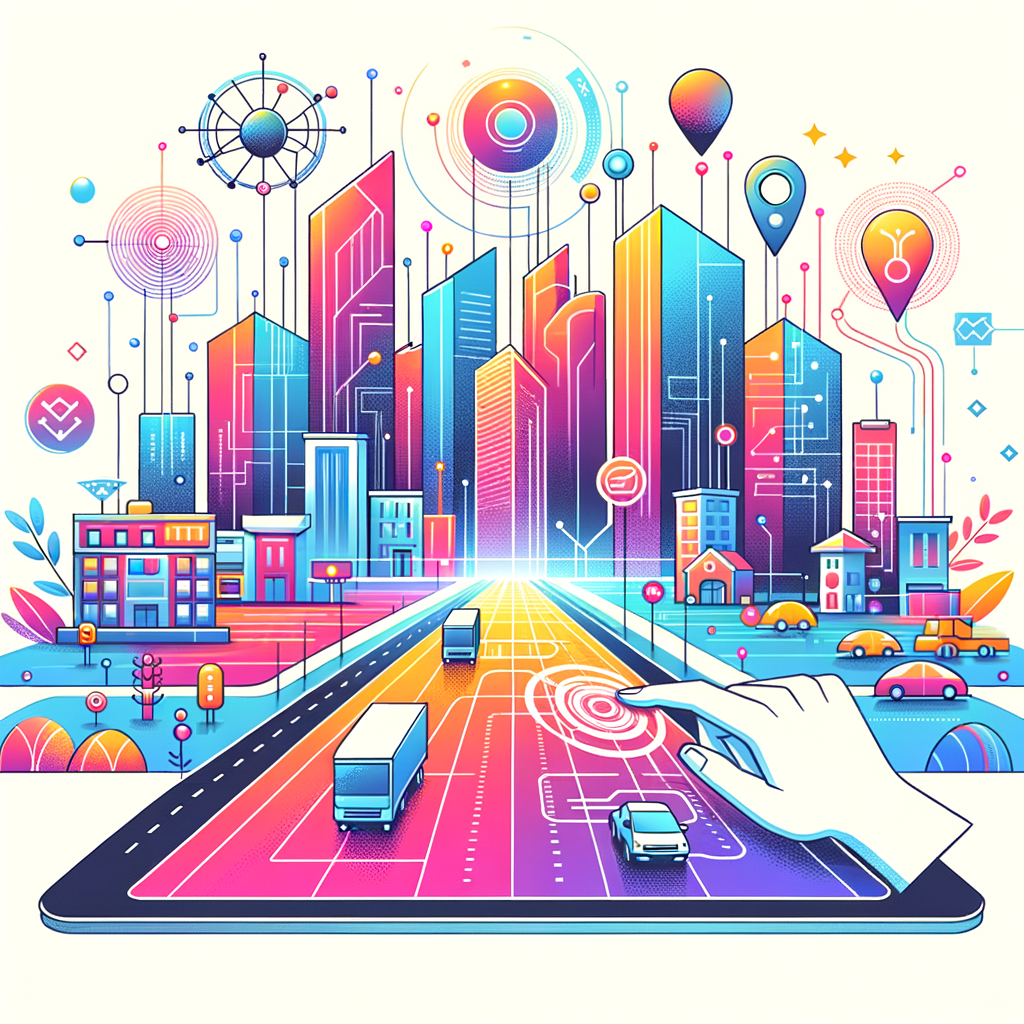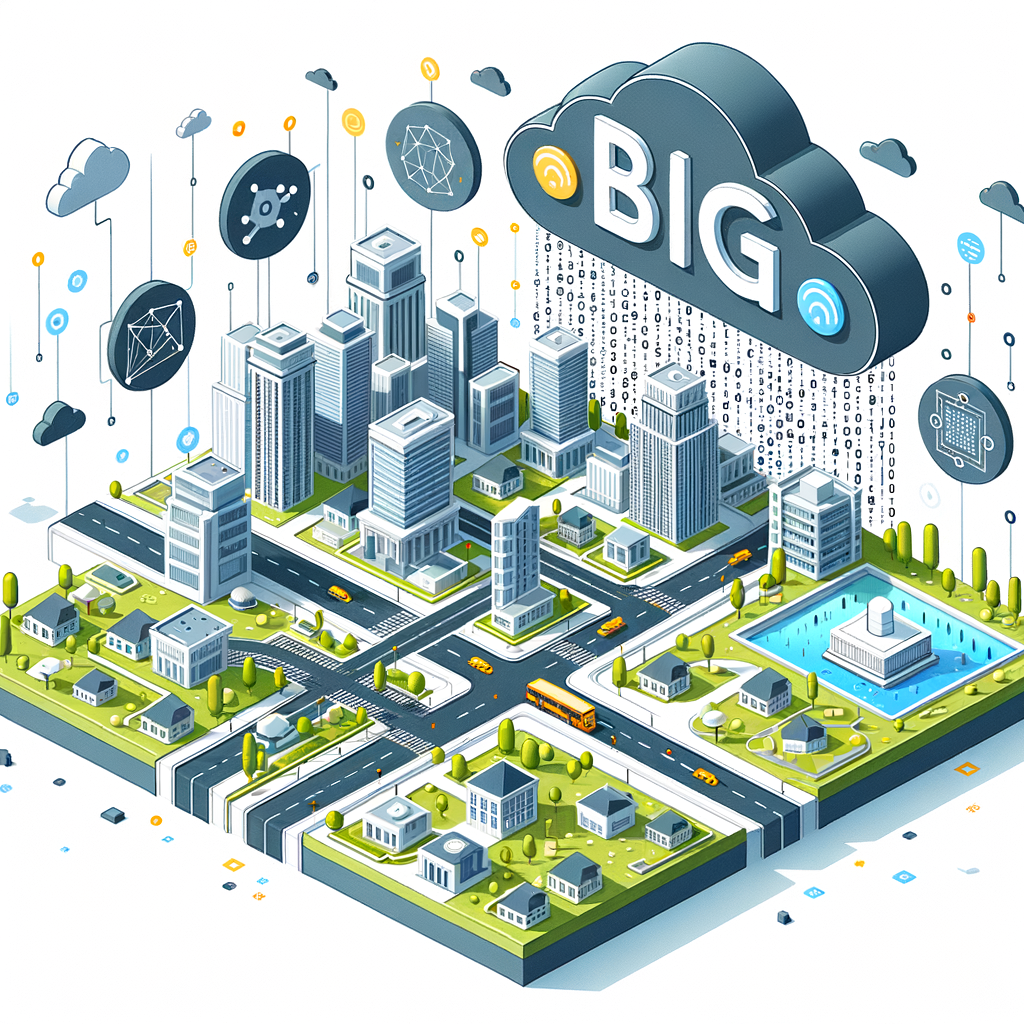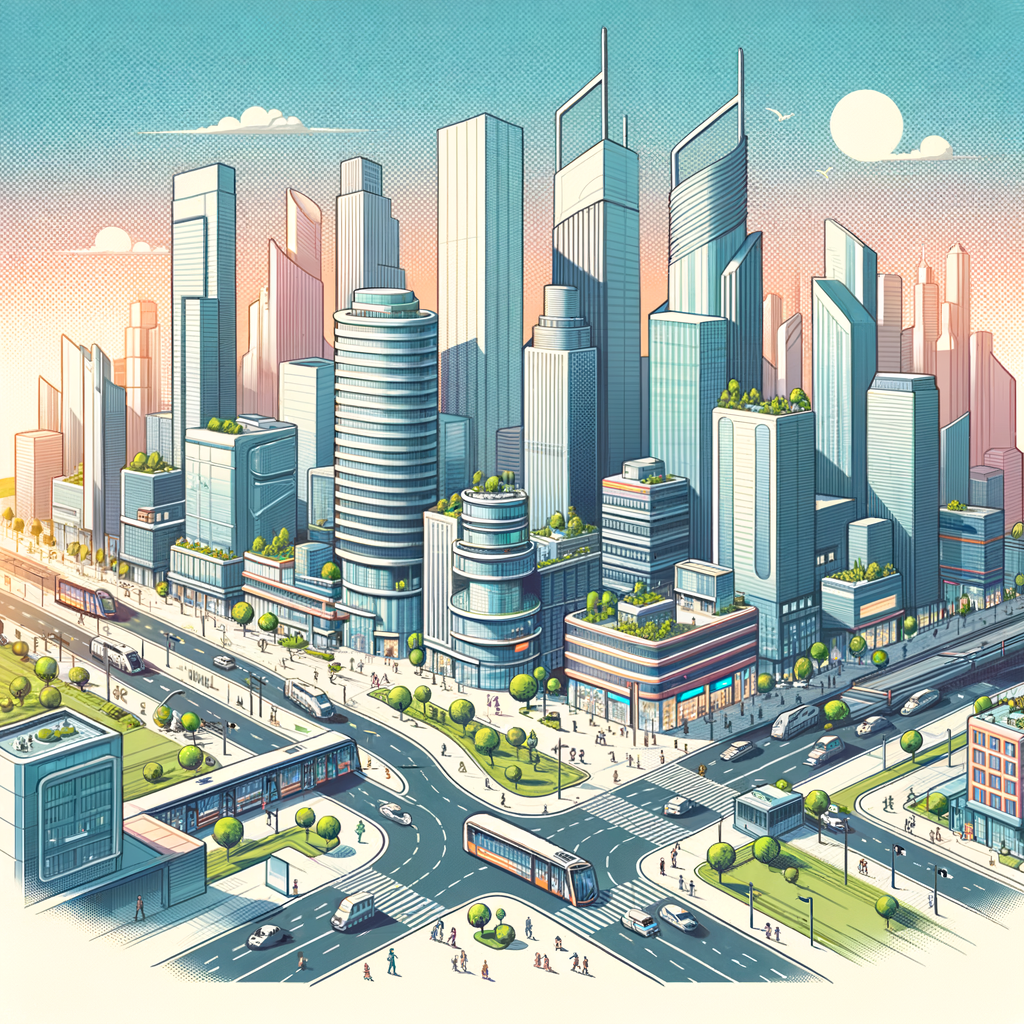
Urbanization poses various challenges for cities around the world. An increasing population in urban areas inevitably results in heightened demand for resources and services. As more people move into cities in pursuit of better opportunities, there emerges a pressing need to manage resources efficiently. This is where the concept of “smart cities” comes into play. Smart cities use technology and data analysis to address urbanization challenges, streamlining operations, enhancing the quality of urban services, and boosting residents’ quality of life. Through integrating advanced technology like the internet of things (IoT), artificial intelligence (AI), and big data analytics, smart cities are leading the charge in creating innovative solutions crucial for sustainable urban living.
Urbanization is marked by its rapid progression, heavily contributing to overcrowding, environmental issues, and infrastructural degradation. As a result, it demands attention and effective solutions. Smart cities are equipped with a set of technologically advanced tools that can potentially mitigate such challenges. In essence, they leverage technology to improve transportation, reduce environmental impact, enhance communication systems, and provide quality public services efficiently. Thus, the evolution of smart cities stands as a pivotal solution to transform urban pressure into sustainable growth. This article delves into how smart cities are innovatively tackling the issues associated with urbanization, providing comprehensive insights into methods and technologies employed within these cities.
Optimizing Urban Transportation
Transportation forms the backbone of urban environments. With increasing congestion being a significant challenge, smart cities are adopting intelligent systems that manage traffic flow efficiently. Utilizing IoT sensors, traffic data collection, and AI-driven algorithms, these cities streamline vehicular movement and enhance public transport systems. For instance, traffic lights in smart cities communicate with sensor-fitted vehicles to optimize routes based on real-time data. This reduces waiting time and fuel consumption, curbing the overall carbon footprint. Furthermore, public transportation is experiencing digital transformation through mobile applications providing real-time information about schedule changes, delays, and alternative routes, enhancing commuter convenience.
Moreover, electric and autonomous vehicles are pivotal in shaping eco-friendly transportation systems. By facilitating charging infrastructure and seamless integration with traffic systems, smart cities support the adoption of electric vehicles, thereby lowering pollution levels. Autonomous public transport, like driverless buses, minimizes human error-related accidents and maintenance costs, ensuring safer and more efficient urban mobility.
Enhancing Energy Efficiency
Resource management is a critical component of a smart city’s infrastructure. With energy consumption being directly proportional to urban density, smart cities employ innovative solutions to manage energy resources efficiently. Leveraging smart grids, which are enabled by IoT and AI technologies, cities can optimize electricity distribution and consumption mechanisms. These grids provide the ability to redistribute excess energy from renewable sources like solar or wind, supporting sustainable energy consumption. Smart meters provide residents with real-time data about their energy usage, encouraging energy-saving practices and reducing wastage.
Moreover, infrastructure such as solar panel installations on residential and commercial buildings further promotes energy efficiency. Smart cities planning promotes architectural designs that maximize natural light and ventilation, minimizing the dependency on artificial cooling and heating systems. Such initiatives lead to sustainable urban environments, reducing the carbon footprint significantly.
Improving Water Resource Management
Water scarcity is an impending global issue aggravated by rampant urbanization. Smart cities are integrating advanced technology to manage water resources effectively. Smart sensors detect leaks and water usage patterns, allowing municipalities to perform timely maintenance and prevent water loss. Intelligent irrigation systems adjust water usage based on weather patterns, conserving water and ensuring efficient usage in agriculture and green spaces.
Further advancements include smart water meters that provide residents detailed insights into their daily water consumption, promoting informed choices towards conservation efforts. Cities are also developing wastewater treatment plants equipped with sensors that monitor water quality in real-time, ensuring safe water recycling processes. These efforts collaborate towards providing a framework for sustainable water management, crucial in facing the increasing demand due to urban growth.
Enhancing Urban Security and Safety
Security is paramount for the success of urban development. Smart cities focus on implementing sophisticated surveillance and control systems that safeguard public spaces. By employing AI-powered camera networks, cities can identify and alert authorities about suspicious activities, enhancing public safety. These systems assist in emergency situations, directing first responders to the exact locations in minimal time, saving lives.
In addition to surveillance, smart cities use integrated emergency management systems, ensuring a coordinated response to natural disasters or accidents. They utilize centralized control centers that manage communication and data analysis across various agencies. This results in streamlined operations, reduced response times, and an increased ability to predict and mitigate potential threats before escalation.
Facilitating Waste Management
The exponential rise in population contributes to increased waste generation. Smart cities are addressing this issue through advanced waste management systems that employ AI and IoT. By using smart bins equipped with sensors, authorities can monitor bin fill levels, optimizing waste collection routes and reducing operational costs and emissions.
More innovative solutions include waste-to-energy plants that convert organic waste into electricity, minimizing landfill dependency. These plants significantly contribute to circular economies, ensuring that waste serves a purpose beyond disposal. Moreover, smart cities encourage waste segregation at the source, promoting recycling and reuse of materials, thus reducing the environmental impact.
Promoting Inclusive Urban Development
Urbanization often leads to economic disparities and inequality in resource access. Smart cities strive for urban inclusivity by employing technology that bridges societal gaps. Digital platforms provide access to essential services like education, healthcare, and employment opportunities, emerging as a cornerstone of empowerment for marginalized communities.
Technology in smart cities facilitates e-governance, ensuring that all citizens have a voice in civic planning processes. By collecting citizen feedback through digital platforms, smart cities can make informed decisions, allocating resources where needed most effectively. Furthermore, by employing tech-driven solutions to provide affordable internet access, smart cities ensure that socio-economic barriers are minimized, enhancing the overall quality of life for all residents.
Fostering Sustainable Urban Environment
Environmental sustainability remains a pressing concern within rapidly urbanizing regions. Smart cities are committed to environmental conservation by integrating green spaces and reducing pollution through policy and technological implementations. By promoting the use of environmentally friendly building materials and practices, smart cities lower the ecological impact of urban development.
Furthermore, smart cities facilitate the planting of vertical gardens and green rooftops, enhancing biodiversity and improving air quality. Air pollution sensors collect data, guiding policies to reduce harmful emissions and promote clean air initiatives. The smart city’s focus on sustainability ensures long-term resilience against the negative impacts of urbanization on the environment.
Conclusion
In conclusion, the advent of smart cities marks a transformative approach in addressing the multifaceted challenges of urbanization. Through the integration of cutting-edge technology, smart cities offer solutions that enhance transportation systems, promote energy efficiency, optimize water usage, and bolster urban safety. These cities address the pressing needs of waste management and foster inclusive growth, integrating technology to create a better quality of life for all inhabitants.
Moreover, smart cities emphasize sustainability by promoting green practices and conserving natural resources for future generations. With urbanization continuing to rise, smart cities provide a blueprint for how urban landscapes can evolve into centers of innovation, sustainability, and inclusivity. Through ongoing advancements and continued investment, cities globally can adopt these models, addressing urban challenges proactively and sustainably, ensuring a harmonious balance between urban growth and environmental conservation. As urbanization defines our future, the smart city concept stands ready to guide us toward a sustainable and equitable tomorrow.