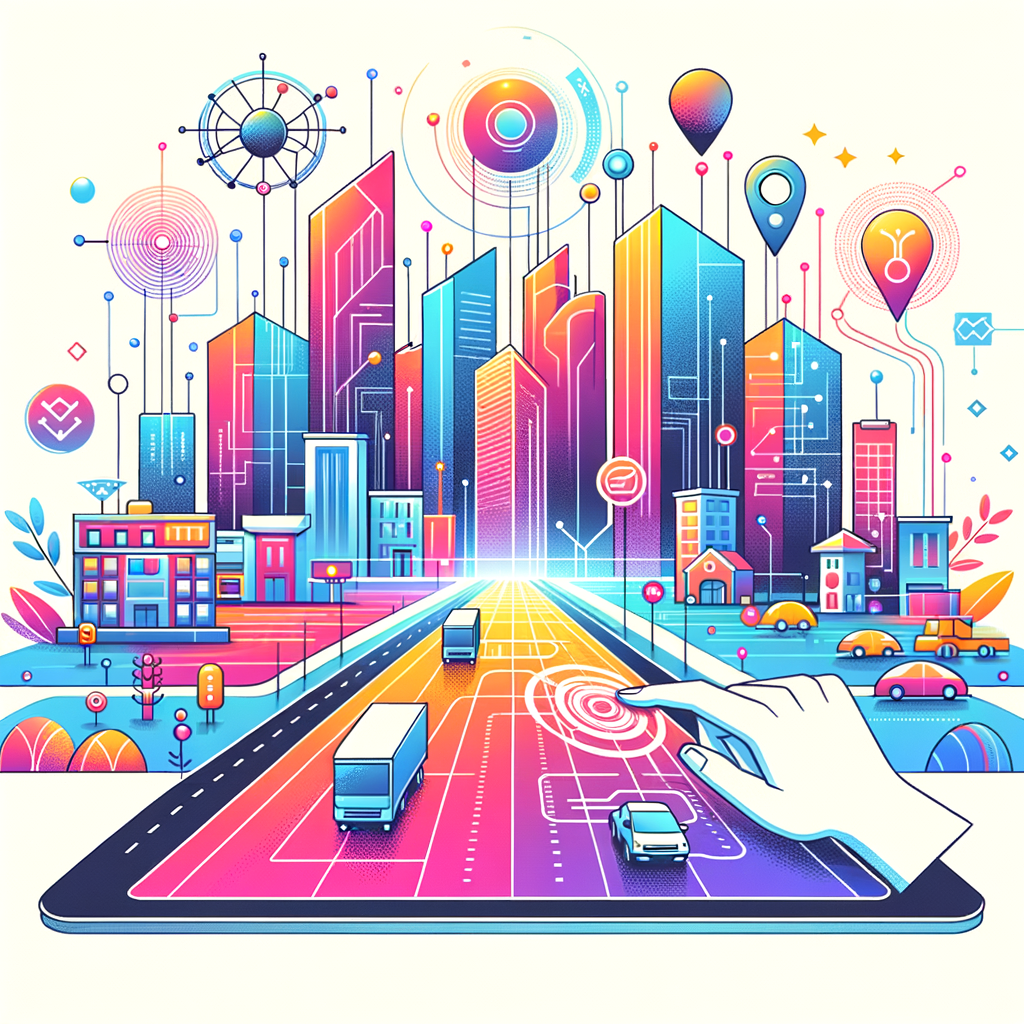
In recent years, the concept of the “smart city” has rapidly evolved from a futuristic notion into a tangible reality. Driven by technological advancements, particularly in the fields of data analytics, the Internet of Things (IoT), and artificial intelligence (AI), urban centers across the globe are leveraging smart technologies to enhance the quality of life for their inhabitants. At the core of these evolving smart cities lie sophisticated platforms that facilitate integration and management. But what exactly is the role of these smart city platforms? How are they reshaping urban environments, and how do they contribute to the seamless operation of modern cities? This article explores the importance, functionality, and impact of smart city platforms in the robust integration and management of urban ecosystems. Smart city platforms serve as centralized frameworks that integrate diverse data types and sources, manage infrastructure, and streamline services. They enable cities to address modern challenges by improving efficiency, sustainability, and livability. By focusing on the role of these platforms, we shed light on how they influence urban planning, infrastructure management, public services, and citizen engagement.
The Core of Smart City Platforms
At the heart of every smart city lies a powerful platform designed to accrue and process data efficiently. These platforms function as massive repositories capable of handling wide-ranging datasets sourced from IoT devices, sensors, social media feeds, and more. Their architecture supports real-time data processing, with capabilities for analytics and machine learning, empowering city planners and administrators to make informed decisions. Various digital infrastructures are interlinked through these platforms, forming a cohesive network that streamlines communication and interoperability. These systems allow for seamless integration of traditionally fragmented urban services such as healthcare, transport, utilities, and energy management, fundamentally transforming their operational efficiency. The overarching goal is the creation of a responsive urban environment that proactively addresses issues and optimizes resources. This integration extends beyond technological systems to include policy-making and strategic urban planning initiatives. With integrated governance frameworks, smart city platforms facilitate multi-agency cooperation, thereby enhancing cross-sector coordination. By unifying disparate entities under a single operational umbrella, they enable more accurate forecasting, efficient monitoring, and strategic responses.
Enhancing Urban Infrastructure
Smart city platforms play a vital role in upgrading and optimizing urban infrastructure. The use of IoT devices has made infrastructure ‘smarter’, with utilities such as electricity, water supply, and waste management benefiting greatly from enhanced efficiency and reduced operational costs. Equipped with sensors and software for monitoring and control, these systems push data into the smart city platform, allowing real-time optimization. As a result, smart grids have emerged, offering scalable and adaptable solutions for unpredictable urban dynamics. Moreover, transportation networks have undergone significant transformations, with integrated traffic management systems leading to fewer congestions and reduced emissions. Intelligent transportation systems built within these platforms provide avenues for real-time tracking and responsive traffic signals, which collectively enhance urban mobility. Public transportation benefits from improved scheduling and predictive analytics, thereby elevating operational efficiency and user experiences. Furthermore, infrastructure maintenance has become predictive rather than reactive due to smart sensors and IoT integrations. Buildings and essential services benefit from monitored performance metrics, enabling preemptive maintenance tasks and thereby reducing downtime.
Data-Driven Urban Planning
The fusion of big data and urban planning has been one of the most significant advancements enabled by smart city platforms. Planners and decision-makers now have access to an unprecedented wealth of information, allowing for data-driven urban development. Data visualization tools and analytics dashboards enable stakeholders to grasp complex data sets with ease, translating data into actionable insights. These platforms empower planners to simulate urban expansion scenarios, explore potential impacts, and optimize land-use strategies to achieve sustainable growth. Moreover, integration of socioeconomic data aids urban developers in creating inclusive and equitable spaces. Real-time data supports authorities in identifying and addressing pressing urban challenges swiftly, ranging from pollution to housing shortages. By facilitating evidence-based policy formulation, smart platforms ensure that urban planning is dynamic, adaptable, and responsive to changing realities. The applications extend to regulating zoning laws, optimizing public spaces, and even planning disaster management strategies effectively. As urban density increases, the need for such strategic planning grows more acute, making these platforms indispensable.
Improving Public Services
Smart city platforms hold a pivotal role in transforming public service delivery, enhancing efficiency, effectiveness, and responsiveness. By providing a centralized platform for data integration and management, they enable city administrators to streamline municipal operations, automate routine tasks, and facilitate resource allocation. One of the most transformational aspects of these platforms is their ability to support e-government services. They enable digital governance by offering platforms for residents to engage with government activities online, simplifying processes like application submission and payment processing. Furthermore, platforms furnish real-time citizen feedback mechanisms, fostering greater transparency and accountability. Essential services such as public health and safety have experienced substantive improvements. Platforms seamlessly integrate data from health agencies and emergency services, offering comprehensive health intelligence and predictive analytics to aid decision-making. In a similar vein, public safety benefits from predictive policing, by bringing diverse data sets together for proactive monitoring and crime prevention. Additionally, data from environmental sensors assists city officials in better managing natural resources and implementing sustainability initiatives.
Citizen Engagement and Participation
One of the cornerstones of smart city platforms is their potential to enhance citizen engagement and foster participatory governance. These platforms act as conduits that connect residents with city officials, making governance a truly collaborative process. By facilitating open data access, they empower residents to actively participate in their city’s development, fostering a culture of transparency and trust. Social media integration further amplifies civic engagement. Residents can communicate through interactive forums and surveys, providing valuable insights into community needs and expectations. Feedback loops facilitated by mobile applications allow citizens to report local issues right from their fingertips, enabling swift remedial actions from authorities. Platforms actively contribute to building digital literacy among residents by exposing them to digital tools and technologies. By incorporating gamification and interactive elements, they encourage broader civic participation and initiative-taking. As a result, traditional barriers between citizens and the administrative machinery are diminishing, enabling a more inclusive and community-centric approach to urban governance.
Data Privacy and Security Concerns
Despite the game-changing benefits smart city platforms offer, they also introduce complexities—particularly surrounding data privacy and security. Multiple data touchpoints create vulnerabilities that require robust security measures to protect sensitive information against breaches and unauthorized access. Platforms must ensure the security of IoT devices, which are often susceptible to hacking if not adequately protected. Encryption of data streams and the implementation of advanced cybersecurity protocols are imperative to safeguard information integrity. Additionally, smart city platforms must uphold stringent data governance policies that comply with global data protection regulations such as the GDPR. Privacy management requires careful balancing acts to maintain transparency without compromising on privacy. Platform architects must invest in ethical frameworks to guide data collection and storage practices. Building citizen trust hinges on the ability to manage personal data responsibly and to demonstrate accountability in the event of data misuse. Achieving this balance necessitates dynamic strategies that evolve alongside technological advancements and shifts in public expectations.
Conclusion
Smart city platforms play an indispensable role in the integration and management of contemporary urban environments. They serve as orchestrators that consolidate disparate technologies and processes, enabling cities to function efficiently while responding dynamically to the needs of their residents. By driving innovations across diverse municipal sectors, from enhancing infrastructure to optimizing public services and fostering citizen engagement, these platforms redefine modern urban governance. However, the proliferation of data-driven ecosystems comes with its challenges, notably in areas concerning data privacy and the ethical management of information. Mitigating these risks requires the implementation of sophisticated cybersecurity frameworks and adherence to robust data governance policies. With the right balance, smart city platforms have the potential to transform cities into thriving, sustainable, and citizen-focused entities. Embracing these technologies, while addressing inherent challenges, will ensure that smart city platforms are catalysts of revolutionary urban transformation—reshaping how cities operate while placing citizens at the heart of urban progress. Their ongoing evolution offers a glimpse into a future where cities are not just smarter, but are also inclusive, resilient, and truly responsive to the aspirations of those who call them home.
Frequently Asked Questions
1. What is the role of smart city platforms in integrating various city systems?
Smart city platforms act as the technological backbone of modern urban infrastructure, seamlessly integrating various city systems such as traffic management, public safety, utilities, and waste management. By leveraging advanced technologies like the Internet of Things (IoT), these platforms enable interconnectedness among diverse city services, allowing them to communicate and operate more efficiently. For instance, a smart city platform will integrate sensors and data from traffic lights, public transport systems, and map services to optimize traffic flow. This integration not only enhances overall efficiency but also ensures that city resources are used sustainably, contributing to improved urban living conditions. Moreover, by providing a centralized system for data collection and processing, smart city platforms help city planners and administrators to make informed decisions based on real-time data, paving the way for proactive management and continuous improvement of city services.
2. How do smart city platforms assist in the management of city resources?
Smart city platforms are pivotal in managing city resources by offering a comprehensive overview through real-time data analytics. These platforms utilize data gathered from a vast network of IoT devices and sensors scattered across the city to monitor the usage and status of resources like water, energy, and public services. Through real-time analytics, smart city platforms provide actionable insights that help in optimizing resource allocation, reducing waste, and minimizing costs. For example, smart grids can efficiently manage electricity distribution according to demand, preventing outages and reducing energy waste. Furthermore, such platforms enable predictive maintenance of infrastructure by identifying potential issues before they become problematic, thereby extending the lifecycle of city assets and ensuring reliable public services. Essentially, smart city platforms facilitate a smarter, greener approach to resource management by adapting swiftly to the dynamic needs of urban environments.
3. What benefits do smart city platforms bring to the residents?
Smart city platforms bring a multitude of benefits to residents, primarily by enhancing the quality of life and making cities more livable and sustainable. Residents enjoy improved public services ranging from efficient waste management to faster emergency response times thanks to the streamlined integration of various city systems. Furthermore, smart city platforms facilitate better traffic management, reducing commute times and improving air quality by alleviating congestion. They also enable personalized services, such as smart lighting and customized public transport recommendations based on real-time data, catering to individual preferences and needs. Additionally, smart cities are safer as these platforms improve public safety monitoring, helping to prevent and respond quickly to incidents. Overall, for residents, smart city platforms translate into a more convenient, safer, and environmentally-friendly living experience.
4. How do smart city platforms use data to improve urban planning?
Data is at the heart of smart city platforms, and its effective use is crucial for transforming urban planning. These platforms collect vast amounts of data through connected devices and infrastructure, providing a holistic view of the urban landscape. Urban planners can utilize this real-time, detailed data to identify trends, track public behavior, and detect inefficiencies across the city. This invaluable insight allows for evidence-based planning, enabling the design of spaces and services that better meet the needs of the populace. Smart city platforms can simulate urban scenarios through predictive modeling and assess various outcomes, assisting city officials to make informed decisions on infrastructure investments, zoning, and development projects. By turning data into actionable insights, smart city platforms facilitate smarter urban planning that positions cities towards sustainable growth and resilience to future challenges.
5. What challenges are associated with implementing smart city platforms?
While the potential benefits of smart city platforms are immense, their implementation is not without challenges. One of the significant hurdles is ensuring data privacy and security. With vast amounts of personal and sensitive data being handled, there is a growing need for robust cybersecurity measures to prevent breaches and protect citizens’ privacy. Another challenge is the interoperability of different systems and technologies, as cities may employ a host of legacy systems that are not easily integrated into newer platforms. Moreover, the financial commitment required to deploy and maintain these sophisticated platforms can be substantial, often necessitating substantial investments and collaborations between public and private stakeholders. Additionally, there is a risk of creating digital divides within the city if equitable access to smart technologies is not ensured across all communities. Overcoming these challenges involves careful planning, cross-sector collaboration, and the development of clear regulatory frameworks to ensure the successful implementation and operation of smart city platforms.