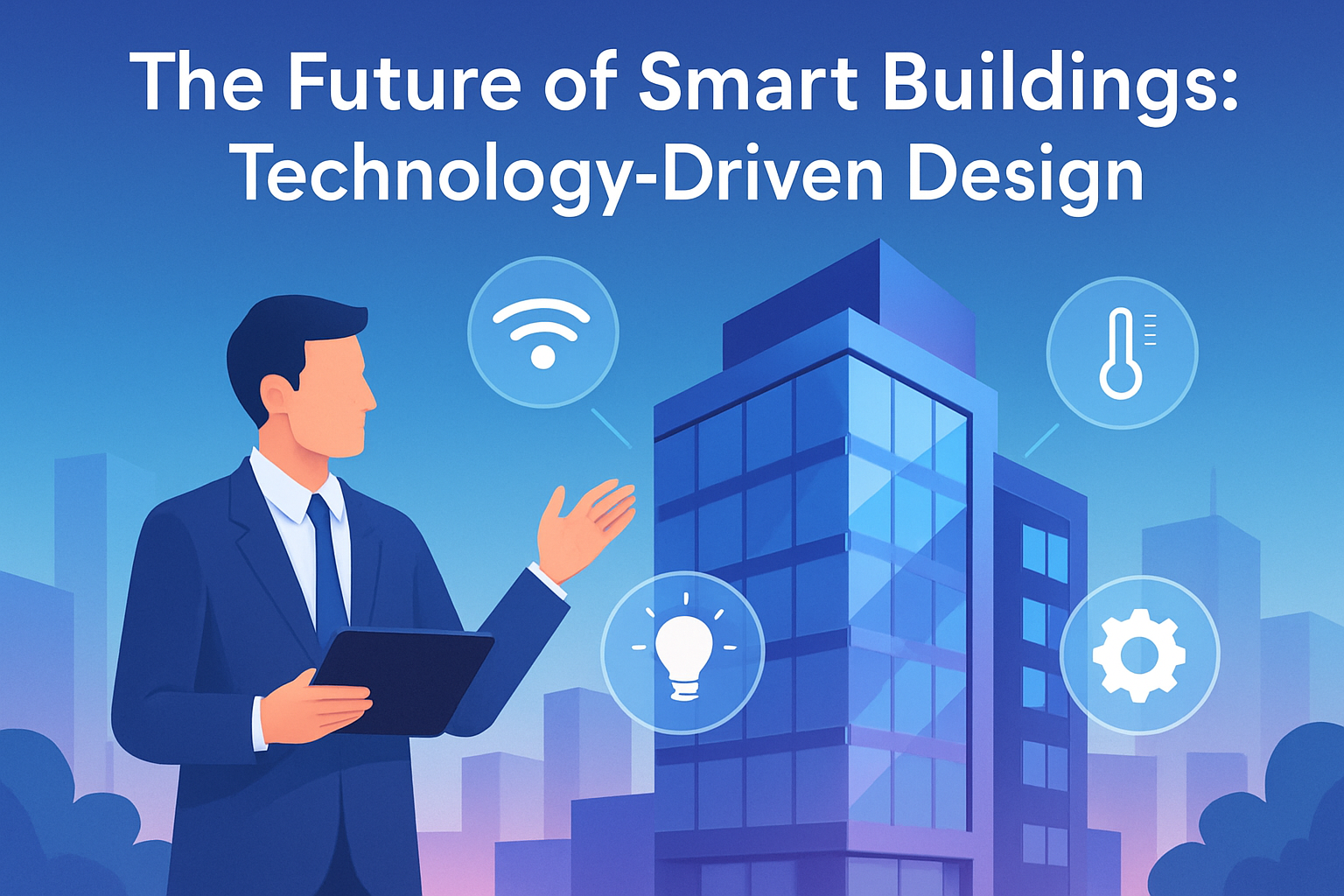
In an age where technology is advancing at an unprecedented rate, its integration into our daily living and working spaces has become inevitable. Smart buildings, an embodiment of this tech revolution, leverage interconnected systems to elevate the efficiency, sustainability, and comfort of contemporary structures. But what is a smart building, and why should we care about its future? A smart building utilizes technology to control and automate various building functions such as heating, lighting, security, and energy management, all interconnected via the Internet of Things (IoT), sensors, and software solutions. As urban populations swell and environmental concerns magnify, the necessity of smart buildings becomes increasingly evident. They not only improve resource efficiency but also enhance occupant comfort and safety, promising a more sustainable and user-friendly future for urban living.
Integrated Building Management Systems
One of the fundamental aspects of a smart building is its integrated building management system (BMS). These systems form the backbone of smart architecture by managing and automating various building operations under a single platform. A BMS incorporates data from different sensors and actuators deployed throughout the structure to optimize the building’s performance. For instance, an integrated BMS in a commercial skyscraper can significantly reduce energy usage by automatically adjusting heating, ventilation, and air conditioning (HVAC) systems based on real-time occupancy and weather data.
The Empire State Building in New York City serves as a prime example of the effectiveness of an integrated BMS. Following a major retrofit, this iconic structure reduced its energy consumption by over 38%, largely thanks to a sophisticated building management system that controls everything from lighting to heating. By continuously monitoring and adjusting its systems, the building not only cuts down on energy waste but also significantly reduces operational costs, setting a benchmark for similar structures worldwide.
Energy Efficiency and Sustainability
Energy efficiency lies at the heart of smart building design. The integration of renewable energy sources, energy monitoring systems, and intelligent power grids represents a significant leap towards a greener future. Smart buildings have the capability to harness solar or wind energy and integrate it with conventional power supplies, thereby reducing their carbon footprint.
A shining example of energy efficiency is the Edge building in Amsterdam, often referred to as the world’s greenest building. Complete with solar panels, rainwater collection systems, and energy-efficient lighting, the Edge is designed to produce more energy than it consumes. This is achieved through an advanced energy management platform that tracks energy usage in real time and adjusts operations accordingly, proving that modern technology can significantly cut resource use without sacrificing comfort or style.
Enhancing Occupant Comfort and Health
Smart buildings take occupant comfort and health seriously, utilizing technology to create environments that promote well-being. From climate control to air quality monitoring, these buildings are designed to cater to the physical and psychological well-being of their occupants.
The One Angel Square building in Manchester exemplifies how smart design can enhance occupant well-being. Through the use of smart windows that adapt to external lighting conditions, automated HVAC systems, and real-time air quality monitoring, the building ensures optimal temperature and air clarity. By prioritizing health-centric features such as increased sunlight exposure and healthier indoor air environments, One Angel Square has set high standards for occupant wellness, demonstrating the potential of smart buildings to contribute to a healthier lifestyle.
Security and Access Control Systems
Security is a paramount concern in any building design, and smart buildings are no exception. By incorporating state-of-the-art security and access control systems, these buildings offer enhanced safety for occupants and assets alike. Modern smart security systems include features like facial recognition, biometric entry, and real-time surveillance, ensuring only authorized individuals can access sensitive areas.
For example, the Marina Bay Sands in Singapore implements some of the most advanced security technologies available. The integration of facial recognition and AI-powered surveillance systems enables seamless crowd management and efficient threat detection, enhancing the security of guests and property. This layered approach to security highlights the significant role smart technology plays in safeguarding modern commercial spaces.
Data-Driven Insights and Analytics
The data-driven nature of smart buildings allows for enhanced operational insights and decision-making. By capturing vast amounts of data through sensors and IoT devices, building managers can analyze patterns and trends to make informed decisions about maintenance and operation strategies.
| Smart Feature | Data Captured | Application |
|---|---|---|
| HVAC Systems | Temperature, occupancy | Adaptive climate control |
| Lighting | Light levels, occupancy | Energy-efficient lighting control |
| Security Systems | Video, entry logs | Enhanced access control |
The Crystal, a sustainable cities initiative in London, is a testament to how data-driven insights can revolutionize building management. By leveraging real-time data analytics, the Crystal optimizes energy consumption, performs predictive maintenance, and ensures occupant comfort, demonstrating how the implementation of robust data tools can lead to cost savings and operational efficiency.
The Challenges and Future Prospects of Smart Buildings
Despite the numerous benefits, the development and implementation of smart buildings do pose challenges. Issues such as the high initial cost, technological obsolescence, and cybersecurity threats can potentially hinder widespread adoption. Addressing these challenges requires a collaborative effort from architects, engineers, policymakers, and IT professionals to create secure and interoperable systems.
Looking forward, the future prospects of smart buildings appear promising. Developments in artificial intelligence, machine learning, and blockchain are set to further enhance the way buildings are designed and managed. As technology continues to evolve, we anticipate a new wave of smart buildings that are not only more efficient and sustainable but also more user-centric, forging a new era of construction and urban living.
Conclusion: Embracing the Future of Smart Construction
As we look to the future, the integration of advanced technologies into building design and management will become more than just a trend; it will be a fundamental necessity. The convergence of IoT, data analytics, and sustainable practices within smart buildings offers an inspiring vision of what the future holds for our urban landscapes.
The critical takeaway for organizations and developers is the profound impact smart buildings can have on environmental sustainability, cost efficiency, and occupant well-being. By prioritizing smart design today, stakeholders can pave the way for a more resilient, energy-efficient, and healthier tomorrow.
We stand on the precipice of a new era in architectural design and urban planning. By embracing smart technologies in the buildings we construct today, we ensure a better quality of life and more sustainable cities for the generations to come. Let’s drive the future of smart construction forward by investing in the technologies that promise to reshape the very foundations of how we live and work.
Frequently Asked Questions
What defines a smart building, and how does it differ from traditional buildings?
A smart building is essentially a structure that uses advanced technology to monitor and manage various building functions like heating, lighting, ventilation, and security systems. Unlike traditional buildings, smart buildings boast systems that are interconnected and often automated. This means that everything from the thermostat to lighting adjusts in real-time based on the environment or inhabitant needs. By employing sensors and data analytics, smart buildings can optimize energy usage, enhance security measures, and improve overall comfort for occupants. For example, rather than having a fixed heating schedule, a smart building might adjust the temperature as people come and go, maintaining comfort while minimizing energy waste. The future of smart buildings pledges even greater possibilities, with innovations like internet-of-things (IoT)-integrated systems and more sophisticated AI-driven solutions poised to revolutionize how our built environments operate.
Why is the adoption of smart building technology becoming so essential?
The adoption of smart building technology is gaining momentum primarily due to its impactful benefits on efficiency, sustainability, and occupant satisfaction. One of the primary reasons for this trend is the energy savings smart buildings provide. By optimizing energy use and reducing wastage, smart buildings can significantly cut down on utility bills, leading to substantial cost savings over time. Furthermore, as concerns about climate change grow, sustainable practices are getting more attention. Smart buildings support these goals by minimizing carbon footprints through systems designed to use resources judiciously. Moreover, they enhance occupant comfort and productivity by adjusting environmental parameters like lighting and temperature to suit the needs of individuals and the situation at hand. As such, businesses are increasingly turning to smart buildings to cultivate workplace environments that are not only more pleasant but also more conducive to productivity.
How does technology play a role in the energy efficiency of smart buildings?
Technology is a fundamental driver of energy efficiency within smart buildings. At the core of this efficiency are interconnected systems that seamlessly gather and analyze data from various sources within the building. These systems allow for real-time adjustments that minimize energy waste. For instance, smart lighting systems use sensors to detect occupancy and natural light levels, ensuring that lights are only used when necessary, which can substantially reduce electrical bills. Similarly, smart HVAC (Heating, Ventilation, and Air Conditioning) systems monitor and control indoor climates more effectively by using predictive algorithms that adjust settings based on weather forecasts and high-traffic periods. Advanced energy management solutions also monitor and assess energy usage patterns, helping to identify areas for further conservation and increasing energy efficiency while maintaining optimal operational standards. This technological synergy not only leads to lower energy consumption but also extends the lifespan of building systems by preventing overuse and unnecessary wear and tear.
What emerging technologies are poised to influence the future of smart buildings?
The future of smart buildings is set to be defined by several emerging technologies that promise to enhance both functionality and experience within these environments. The integration of artificial intelligence (AI) stands at the forefront, with AI capable of analyzing vast amounts of data to predict trends and automate building operations more intuitively. IoT is another significant driver, with more devices being connected, allowing for extensive real-time data collection and communication across systems, making it easier to monitor and manage building operations remotely. Also, augmented reality (AR) and virtual reality (VR) are expected to play a role in maintenance and training tasks, offering visualization capabilities that streamline operations and improve safety protocols. Robotics, too, is set to become more widespread, with robots taking on routine or hazardous tasks within buildings, enhancing both efficiency and safety. Furthermore, blockchain technology could revolutionize aspects like building security and energy transactions by offering enhanced transparency and traceability. These advancements together will redefine what it means to live and work within a smart building, providing unprecedented levels of convenience and efficiency.
What challenges do smart buildings face today and in the foreseeable future?
Despite the numerous advantages, smart buildings face several challenges that could impact their adoption and development. A prominent hurdle is the cost of implementing and maintaining advanced smart technologies. While initial investments can be steep, the long-term savings and benefits often offset these costs, but the upfront barrier might deter smaller businesses and developers from embracing these systems. Furthermore, there’s the challenge of interoperability, where different devices and systems need to communicate seamlessly. Many existing technologies come from various manufacturers and having them work harmoniously can be complicated. In addition, concerns surrounding data privacy and cybersecurity present significant obstacles. As smart buildings become more connected, the potential for cyberattacks increases, necessitating robust security measures to protect sensitive data. Lastly, there’s the issue of technology’s rapid evolution, where buildings might risk obsolescence if not regularly updated with the latest advancements. To counter these challenges, continuous innovation, standardization in technology, and policies that promote affordable and secure smart building solutions are essential. The more we address these issues collaboratively, the smoother the transition toward a smarter built environment will be.