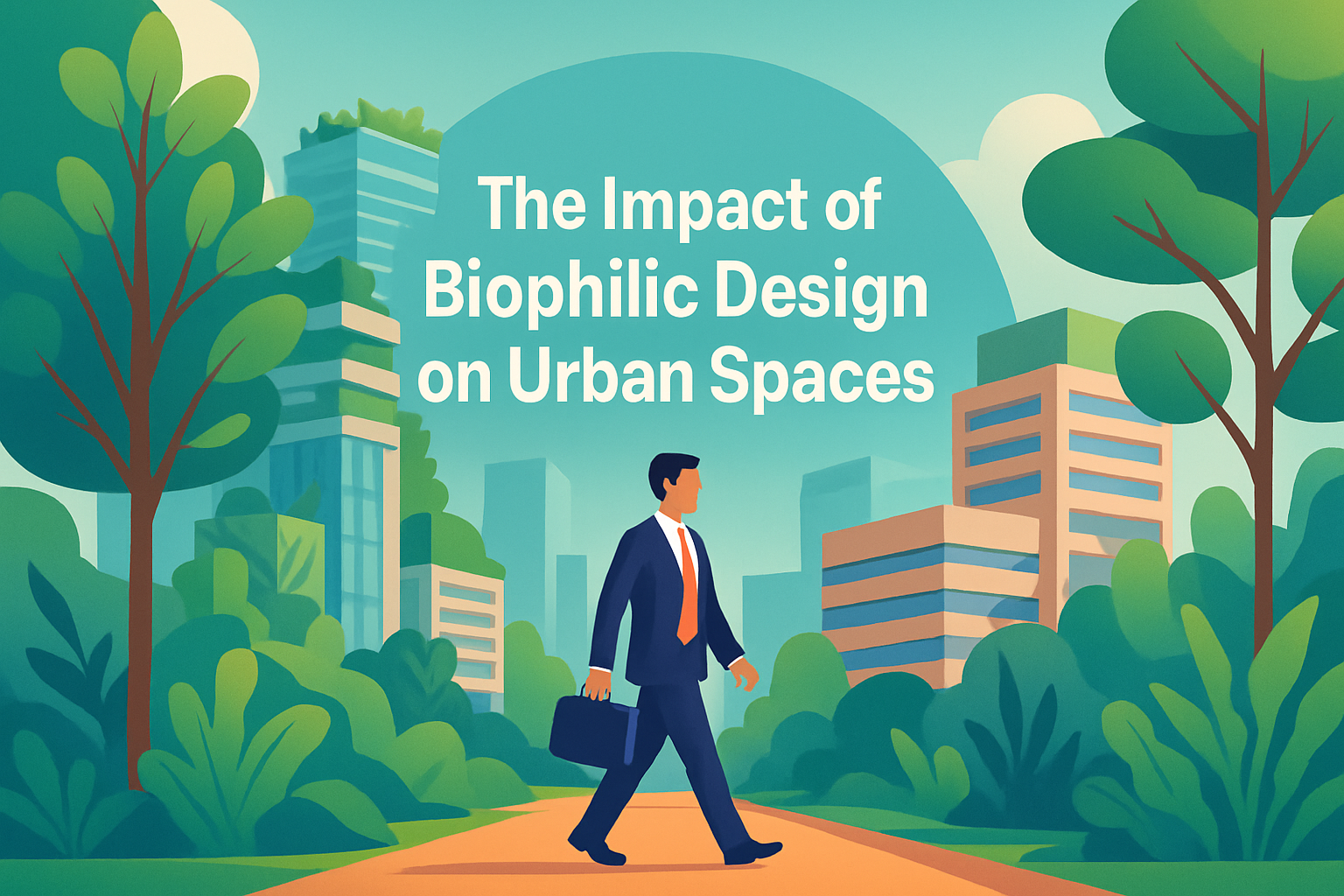
In our rapidly urbanizing world, design and architecture are playing a critical role in shaping how we experience our cities. One fascinating concept that has emerged to address the challenges of urban life is biophilic design. This approach emphasizes the integration of natural elements into the built environment. Understanding biophilic design involves recognizing it as a strategic framework used to reconnect people with nature. But why does this matter? Aligning with nature in design not only promotes environmental sustainability but also enhances human well-being, productivity, and mental health. As our urban areas continue to expand, understanding and applying biophilic design principles become increasingly crucial. By creating spaces that incorporate natural light, vegetation, and other organic elements, we are addressing the growing need for urban environments that soothe our senses and offer a respite from the often harsh urban landscape. This article delves into the multifaceted impact of biophilic design on urban spaces and why it is essential for the future development of our cities.
Core Principles of Biophilic Design
Biophilic design is fundamentally based on a set of key principles that integrate architecture with nature. This includes direct experiences, such as views of nature and natural light, and indirect experiences, like the use of natural materials and biomimicry in design. The aim is to evoke a human sense of connection to nature, even in the most densely populated urban environments. The importance of these principles is highlighted in the development of the High Line in New York City, a linear park built along a historical rail line elevated above Manhattan’s West Side. This project exemplifies biophilic design by repurposing what was once an industrial relic into a green haven that encourages community interaction and environmental education.
- Direct Experiences: Access to natural light, outdoor views, and water.
- Indirect Experiences: Use of natural materials and colors, incorporating organic shapes and forms.
- Place-based Relationships: Cultural relevance and ecological connections in design.
The High Line not only facilitates a physical journey through lush greenery amidst an urban jungle but also offers mental rejuvenation for its visitors, showcasing the significant benefits of implementing biophilic principles.
Benefits for Physical and Mental Health
The impact of biophilic design on health is profound. Studies have shown that incorporating natural elements in urban spaces can significantly improve both physical and mental well-being. Access to natural environments reduces stress levels, lowers blood pressure, and encourages physical activity. A prime example of this can be seen in Singapore, the “City in a Garden.” This metropolis has integrated biophilic design into its urban planning, thereby enhancing residents’ quality of life.
In Singapore, the concept of “park connectors” demonstrates this integration effectively. The city-state has created green corridors that link parks and nature reserves, encouraging more residents to walk, cycle, and engage in outdoor activities. The result is a healthier population with improved mental health outcomes, as spending time in nature has been shown to reduce symptoms of anxiety and depression. This real-world application of biophilic design underscores its potential to transform cities into healthier, more livable environments.
Economic and Environmental Advantages
While the therapeutic benefits of biophilic design are compelling, its economic and environmental impacts are equally significant. Incorporating natural elements into urban planning can reduce energy costs, increase property values, and attract business investments. Biophilic design contributes to sustainability by enhancing biodiversity, reducing urban heat island effects, and improving air quality.
An illustrative example is the Bosco Verticale in Milan, a pair of residential towers distinguished by their vertical forests. These buildings are not only a visual representation of biophilic design but also function as micro-ecosystems that enhance environmental quality. The vegetation on the towers absorbs carbon dioxide, produces oxygen, and insulates the buildings, leading to energy savings and an improved living environment for residents. This project has attracted global attention, demonstrating how biophilic design can serve as a catalyst for urban innovation while delivering substantial economic benefits.
Challenges and Solutions in Implementing Biophilic Design
Despite its many benefits, the widespread implementation of biophilic design faces several challenges, including cost, regulatory limitations, and resistance to change from traditional urban planning practices. However, solutions do exist, among them flexible policies, public-private partnerships, and innovative financing models.
An example of overcoming these challenges is found in Melbourne, Australia, where the City of Melbourne initiated the Urban Forest Strategy. This plan aims to increase the local tree canopy cover, enhancing the city’s resilience to climate impacts while fostering a biophilic atmosphere. The strategy was implemented through collaborative efforts between governmental authorities, businesses, and the community, underscoring the importance of partnership and innovation in overcoming obstacles.
| Challenge | Solution |
|---|---|
| High Initial Costs | Innovative Financing and Incentives |
| Regulatory Hurdles | Policy Reforms and Flexible Regulations |
| Resistance to Change | Awareness and Stakeholder Engagement |
The Urban Forest Strategy exemplifies how cities can adopt biophilic design through strategic planning and collaboration, offering a blueprint for other urban areas to follow.
Future Prospects and Emerging Trends
As awareness of the importance of sustainable urban development grows, biophilic design is poised to become a prevalent element in future city planning. Emerging trends include the use of digital technology to simulate natural environments and the development of smart nature-based solutions that adapt to urban challenges.
One future prospect is the potential for “smart greenery,” which involves using sensors and data analytics to maintain and optimize green spaces in urban settings. These technologies can monitor plant health, optimize irrigation, and create environments that respond dynamically to human needs and environmental changes. The use of virtual reality (VR) to mimic natural settings is another burgeoning trend that seeks to integrate the benefits of biophilic design into areas with limited access to nature, offering a glimpse into how technology and design may coalesce to transform urban living in the future.
Conclusion: Embracing Biophilic Design for a Better Future
In conclusion, the integration of biophilic design in urban spaces holds the potential to revolutionize the way we build and inhabit our cities. By reconnecting urban environments with nature, we pave the way for healthier, more sustainable, and economically viable cities. The key takeaways from exploring the impact of biophilic design illustrate its capacity to improve our physical and mental well-being, contribute to environmental sustainability, and offer significant economic advantages.
While challenges persist, they can be surmounted through innovative approaches, strategic collaborations, and the commitment of communities and policymakers alike. As we move into an era of increased urbanization, embracing biophilic design is not just a trend but a necessary shift toward living harmoniously with nature. The next step for urban planners, architects, and communities is to champion the adoption of biophilic principles, ensuring future generations can thrive in cities that are vibrant, beautiful, and deeply connected to the natural world. Now is the time to incorporate biophilic elements into our urban designs, setting the foundation for a balanced coexistence with our environment.
Frequently Asked Questions
1. What is biophilic design and why is it important in urban spaces?
Biophilic design is an innovative approach to architecture and urban planning that seeks to integrate natural elements into the built environment. The goal here is to reconnect urban dwellers with nature, which is often lost in highly urbanized areas. This strategy is important because it enhances the quality of life for city inhabitants. Various studies have shown that exposure to nature can reduce stress, improve mood, and even boost cognitive function. Biophilic design can manifest in multiple ways, such as incorporating greenery like plants and trees, utilizing natural materials like wood and stone, and designing spaces that optimize natural light and ventilation.
Urban spaces that adopt biophilic design principles can offer a range of benefits. For instance, green roofs and walls can improve air quality by filtering pollutants. Meanwhile, the presence of water features or small urban parks can offer respite and relaxation, encouraging community engagement. Simply put, biophilic design transforms cities into healthier and more sustainable environments, making them more conducive to human wellness and ecological biodiversity.
2. How does biophilic design benefit mental and physical health in urban residents?
Research has shown that exposure to natural elements and green spaces can have numerous health benefits. Mentally, being in nature or in nature-inspired environments helps to reduce stress and anxiety. This is because nature has a calming effect, often lowering heart rates and promoting feelings of tranquility. Additionally, such spaces can improve concentration and creativity by providing a mental break from the overstimulation commonly found in urban settings.
Physically, biophilic design encourages activities such as walking, cycling, and outdoor play, which contribute to an overall healthier lifestyle. Access to green spaces also promotes social interaction and community building, which are essential for mental well-being. By creating environments that encourage physical activity and socialization, biophilic design indirectly supports physical health by reducing risks of lifestyle-related illnesses, such as obesity and cardiovascular diseases. Therefore, integrating biophilic principles into urban design can significantly enhance the holistic health of city dwellers.
3. What are some examples of biophilic design elements that can be incorporated into urban spaces?
Biophilic design offers a wide array of elements that can be used to reconnect urban environments with nature. These can range from direct connections, like greenery and water features, to more abstract integrations, like natural light and materials. For instance, green roofs and vertical gardens not only enhance the visual appeal but also improve air quality and promote biodiversity in the city. Similarly, using materials like natural stone or reclaimed wood can help create a more grounded and calming atmosphere.
Another aspect of biophilic design is the strategic placement of windows and the orientation of buildings to maximize natural light and views of the outdoors. Incorporating water features such as fountains or ponds can create a sense of calm and help cool down urban areas. Pathways and spaces that mimic natural patterns—like winding trails or pebble-strewn grounds—can foster a deeper sensory connection with nature. By using these elements, cities can transform into oases that not only look beautiful but also provide essential benefits to residents and the surrounding ecosystem.
4. How can biophilic design address environmental challenges in urban areas?
Urban spaces are often plagued by issues like pollution, the urban heat island effect, and biodiversity loss. Biophilic design offers several solutions to these pressing challenges. By integrating plants and green spaces, biophilic design can help improve air quality by filtering pollutants and increasing oxygen levels. Green infrastructure like trees and green roofs can also combat the urban heat island effect, where metropolitan areas become significantly warmer than their rural surroundings, by providing shade and cooling through evapotranspiration.
Furthermore, biophilic design supports biodiversity by creating habitats for local flora and fauna, thus contributing to a balanced ecosystem. Incorporating elements like bird-friendly architecture or pollinator gardens can help maintain species diversity in urban areas. By making cities more resilient to environmental challenges, biophilic design not only improves the living conditions for current communities but also ensures the sustainability and health of urban spaces for future generations.
5. How can city planners and developers promote and implement biophilic design in urban development projects?
City planners and developers have a significant role in advancing biophilic design within urban spaces. To promote these concepts, they can start by raising awareness about the benefits of biophilic design among stakeholders, including government bodies, businesses, and the public. This can be done through workshops, seminars, and public campaigns that highlight the long-term advantages of integrating nature into urban framework.
On the implementation front, planners and developers can encourage policies and incentives that support biophilic projects. These may include providing tax breaks for developers who incorporate green spaces into their designs or offering grants for community-led green initiatives. Collaboration with architects and environmental specialists is also crucial to ensure these designs are practical, sustainable, and meet local ecological goals.
Moreover, integrating biophilic principles in the early stages of urban planning and development ensures a cohesive and comprehensive approach. This entails adopting master plans that prioritize green infrastructure, understanding local ecosystems, using sustainable materials, and designing adaptable spaces that grow organically with technological advancements and community needs. By taking these steps, city planners and developers can create urban spaces that not only thrive sustainably but also nurture the well-being of their inhabitants.