In recent years, the term “sustainable architecture” has become increasingly prevalent. This shift reflects a growing recognition of the urgent need to address the environmental impacts of construction and building operations. But what exactly does sustainable architecture mean, and why is it so important? At its core, sustainable architecture refers to design strategies that reduce the environmental footprint of constructions. It involves creating buildings that are energy-efficient, resource-conserving, and harmoniously integrated into their sites. As climate change continues to threaten ecosystems and global temperatures rise, sustainable architecture offers a way to mitigate these impacts while catering to human needs.
The construction industry is responsible for a significant portion of the world’s greenhouse gas emissions and resource consumption. Therefore, the adoption of sustainable practices in architecture isn’t merely a trend; it’s an imperative. By prioritizing energy efficiency, resource conservation, and the health of both occupants and the natural environment, sustainable architecture not only contributes to ecological balance but also offers economic and social benefits. Embracing these methods can lead to significant cost savings, improvements in human well-being, and a more resilient future.
Energy Efficiency in Sustainable Architecture
One of the primary focuses of sustainable architecture is energy efficiency. This involves reducing the amount of energy required to operate buildings while maximizing their lifespan. A critical strategy in achieving energy efficiency is the implementation of passive solar design. This approach utilizes the building’s structure to control heating and cooling naturally, minimizing the need for mechanical systems. For instance, large south-facing windows can capture sunlight to warm a building during the winter, reducing the need for heating.
An exemplary case is the Bullitt Center in Seattle, known as one of the greenest commercial buildings in the world. The building utilizes passive solar heating, natural ventilation, and state-of-the-art insulation. As a result, its energy consumption is significantly lower than similar structures. Utilizing solar panels, the Bullitt Center generates more electricity than it consumes, leading the way in energy-positive building practices.
Resource Conservation and Sustainable Materials
Incorporating sustainable materials is another key trait of sustainable architecture. This involves selecting materials that are renewable, recycled, or locally sourced to minimize environmental impact. For example, bamboo—a rapidly renewable material—serves as an excellent alternative to traditional hardwoods. Its use has been popularized in many eco-friendly builds across the globe due to its rapid growth cycle and minimal environmental impact during harvesting.
The Soneva Kiri resort in Thailand is a real-world example of effective resource conservation in architecture. Every detail, from structural materials to furnishings, is made from sustainably sourced wood, bamboo, and local stone. By employing these materials, Soneva Kiri not only reduces its carbon footprint but also supports local craftsmen and promotes the region’s economy.
Water Conservation Technologies
Water conservation is another pillar of sustainable architecture. Buildings consume a vast amount of water—not only in their operations but also in the construction process. Sustainable architecture seeks to minimize this demand using various methods, such as rainwater harvesting, greywater recycling, and efficient plumbing fixtures.
Consider the California Academy of Sciences building in San Francisco. This building features a living roof that absorbs rainwater, reducing runoff and the building’s dependence on outside water sources. Additionally, the roof insulates the building naturally, contributing to temperature regulation without excessive water or energy use.
Integration of Nature in Design
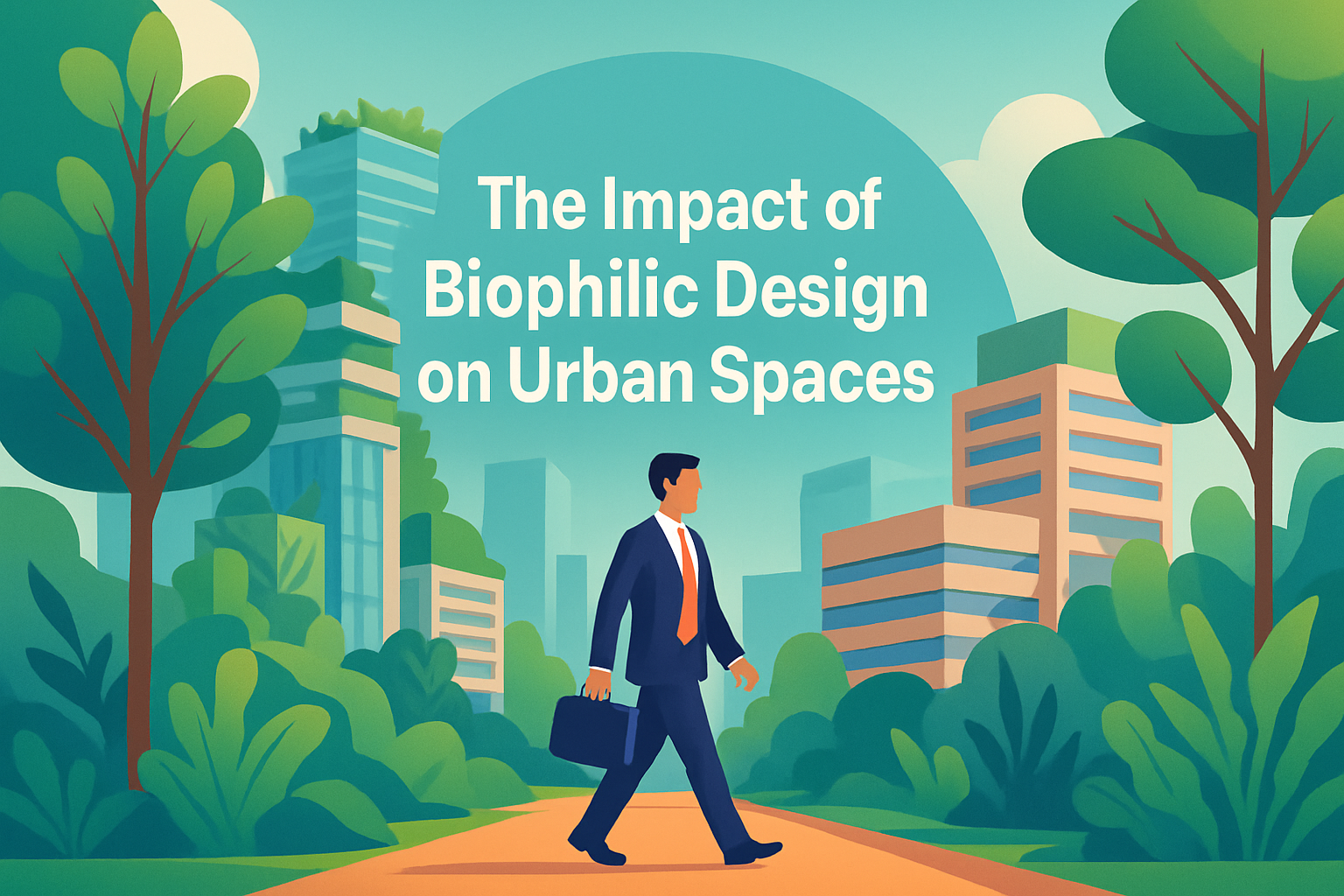
Sustainable architecture often involves an integration of nature into design, known as biophilic design. This approach enhances the connection between people and nature by incorporating natural elements into building spaces. Such elements can include natural lighting, vegetation, and water features.
The Bosco Verticale in Milan showcases this concept brilliantly. Comprising two residential towers, the Bosco Verticale integrates over 900 trees and 5,000 shrubs into its structure, making it a vertical forest. This innovative integration not only provides oxygen and filters pollutants but also creates a unique habitat for wildlife, improving urban biodiversity.
| Sustainable Feature | Example Building | Impact |
|---|---|---|
| Energy Efficiency | Bullitt Center | Reduced energy usage by 83% |
| Resource Conservation | Soneva Kiri | Uses 100% local and sustainable materials |
| Water Conservation | California Academy of Sciences | Reduces water usage by 30% |
| Nature Integration | Bosco Verticale | Enhances biodiversity and air quality |
Economic and Social Benefits
Beyond environmental considerations, sustainable architecture provides substantial economic and social benefits. Green buildings often boast lower operational costs due to reduced energy and water consumption. Additionally, they can increase property value due to heightened demand for environmentally friendly spaces.
A practical application of this can be seen in the Deutsche Bank Towers in Frankfurt. Following a major renovation to adopt sustainable practices, the towers achieved significant energy and water savings. This not only cut costs but also enhanced its corporate image and boosted employee productivity in a well-ventilated, naturally-lit workspace.
Sustainable buildings can also nurture social benefits by promoting human health and well-being. Enhanced air quality, increased access to natural light, and the incorporation of greenery contribute to better physical and mental health outcomes for occupants. For instance, the Khoo Teck Puat Hospital in Singapore features a green environment that encourages recovery and well-being, illustrating the social benefits of sustainable architecture.
Challenges and the Path Forward
Despite the benefits, there are challenges in adopting sustainable architecture. Economic barriers often impede progress, as the upfront costs for sustainable materials and technologies can be significant. However, long-term savings and the potential for government incentives can offset these initial expenses.
Moreover, there is often a lack of knowledge and expertise, which requires education and training for architects and builders. Case studies, workshops, and collaborations between countries leading in sustainability can help close this gap. Support from policy-makers in the form of regulations and incentives can further drive the adoption of sustainable practices.
Looking to the future, the continued evolution of technology offers promising solutions. Innovations like smart-building technologies, AI-driven energy management systems, and new sustainable materials (such as the development of carbon-sequestering concrete) provide exciting avenues for the advancement of sustainable architecture.
A Call to Action
The architectural community and policymakers need to integrate and prioritize sustainable practices within the industry. To achieve this vision, there’s a need for increased awareness and education about the importance and benefits of sustainable architecture. Professionals and the public alike must recognize how essential it is to reduce the environmental impact of buildings. Additionally, individuals should encourage the adoption of sustainable techniques in their own homes and communities, thereby contributing to the global push toward sustainability.
Governments, industry leaders, and communities must collaborate to establish frameworks and initiatives that support sustainable architecture. Developers can advocate for policies that enforce green building standards, while educational institutions can offer specialized programs in sustainable design.
Enabling a Sustainable Future
Sustainable architecture embodies the principle of building responsibly for the future. By integrating energy-efficient design, resource conservation, and biophilic elements, architects create spaces that contribute to environmental health and societal well-being. The case studies and examples distributed across this article underline the vast potential of sustainable architecture to transform our built environment.
Ultimately, the pursuit of sustainable architecture is not just an environmental goal but a societal one. As individuals, professionals, and communities embrace these practices, we lay the foundation for a resilient future. By pushing toward sustainable architecture today, we secure a healthier planet and a thriving society for future generations.
In conclusion, every new building or renovation undertaken can be an opportunity to progress toward sustainability. The solutions are within reach; it is now a matter of commitment and action. Let’s build for the future and promote a world where sustainability is the norm, not the exception.
Frequently Asked Questions
What is Sustainable Architecture?
Sustainable architecture is an approach to building design that emphasizes minimizing the negative environmental impacts of structures. It involves using design strategies that aim to reduce energy consumption, conserve resources, and minimize waste and pollution. The goal is to create buildings that are not only energy-efficient by using technologies like solar panels and natural ventilation but also constructed with sustainable materials and practices. This means choosing materials that are durable, sustainably sourced, and low in volatile organic compounds (VOCs).
Another aspect of sustainable architecture is considering the building’s lifecycle from construction to eventual dismantling, ensuring that it can be easily recycled or repurposed. By doing so, sustainable architecture actively contributes to reducing the overall carbon footprint of the building industry. It also plays a crucial role in addressing climate change by decreasing the emissions often associated with traditional construction and building operations.
Why is Sustainable Architecture Important?
Sustainable architecture is tremendously important for a multitude of reasons. Firstly, the building sector is one of the largest contributors to global greenhouse gas emissions, which are a major driver of climate change. By adopting sustainable architecture practices, we can significantly reduce these emissions, helping to mitigate the impact of climate change.
In addition to environmental benefits, sustainable architecture also offers substantial economic advantages. Energy-efficient designs mean reduced energy consumption, which translates to lower utility bills over the lifespan of a building. This economic benefit is paired with the potential for increased property value as consumers become more environmentally conscious and seek out green buildings.
Socially, sustainable architecture can enhance the quality of life for occupants through improved indoor air quality, natural lighting, and comfortable thermal conditions. By prioritizing sustainable materials and processes, it also addresses broader ecological and community health issues, as it seeks to lower pollution and reduce resource depletion.
What Are Some Key Features of Sustainable Architecture?
Several key features define sustainable architecture, each aimed at reducing environmental impact and enhancing the quality of life for building occupants. One major feature is the use of renewable energy sources, such as solar or wind power, to reduce reliance on fossil fuels. This not only lowers the building’s carbon footprint but also promotes energy independence.
Another characteristic is the incorporation of energy-efficient systems, including high-performance insulation, energy-efficient windows, and smart-building systems that optimize energy use. These systems help maintain a comfortable indoor environment while minimizing energy use. Additionally, sustainable buildings often utilize materials with a low environmental impact, such as recycled, repurposed, or rapidly renewable resources.
Water conservation is also a critical feature, achieved through systems like rainwater harvesting, low-flow plumbing fixtures, and water-efficient landscaping. Sustainable architecture may also include green rooftops or walls, which provide insulation, improve air quality, and increase biodiversity.
How Does Sustainable Architecture Impact Community and Urban Development?
Sustainable architecture significantly influences community and urban development by promoting integrated, holistic approaches to planning and design. It encourages the development of communities that are environmentally responsible and resource-efficient throughout their lifecycles. This integration can lead to more resilient cities that can better withstand environmental challenges, such as severe weather events, by incorporating green infrastructure and natural disaster risk reduction measures.
Furthermore, sustainable architecture supports social equity by promoting affordable housing solutions that are health-conscious and economically feasible. It often involves community engagement in the planning process, fostering a sense of ownership and cooperation among residents. By prioritizing sustainable transport options like cycling paths and pedestrian zones, sustainable architecture also supports healthier lifestyles, increased access to nature, and reduced urban air pollution.
What Challenges Does Sustainable Architecture Face?
Despite its numerous benefits, sustainable architecture faces several challenges. One significant hurdle is the upfront cost, which can be higher than traditional building methods due to the investment in sustainable materials and technologies. However, it’s important to note that these costs are often offset by long-term savings in energy and maintenance.
There’s also the issue of industry inertia, as some developers and construction firms may be reluctant to adopt new methods and invest in sustainable practices, either due to a lack of awareness, understanding, or training. Additionally, regulations and building codes in some regions may not be updated to accommodate or encourage sustainable building practices, creating bureaucratic barriers.
Finally, there is the challenge of measuring and verifying the sustainability of buildings. As the demand for green certifications grows, so does the need for consistent and reliable standards that ensure true sustainability rather than superficial compliance. Overcoming these challenges requires continuous innovation, policy support, education, and collaboration among all stakeholders in the building industry.