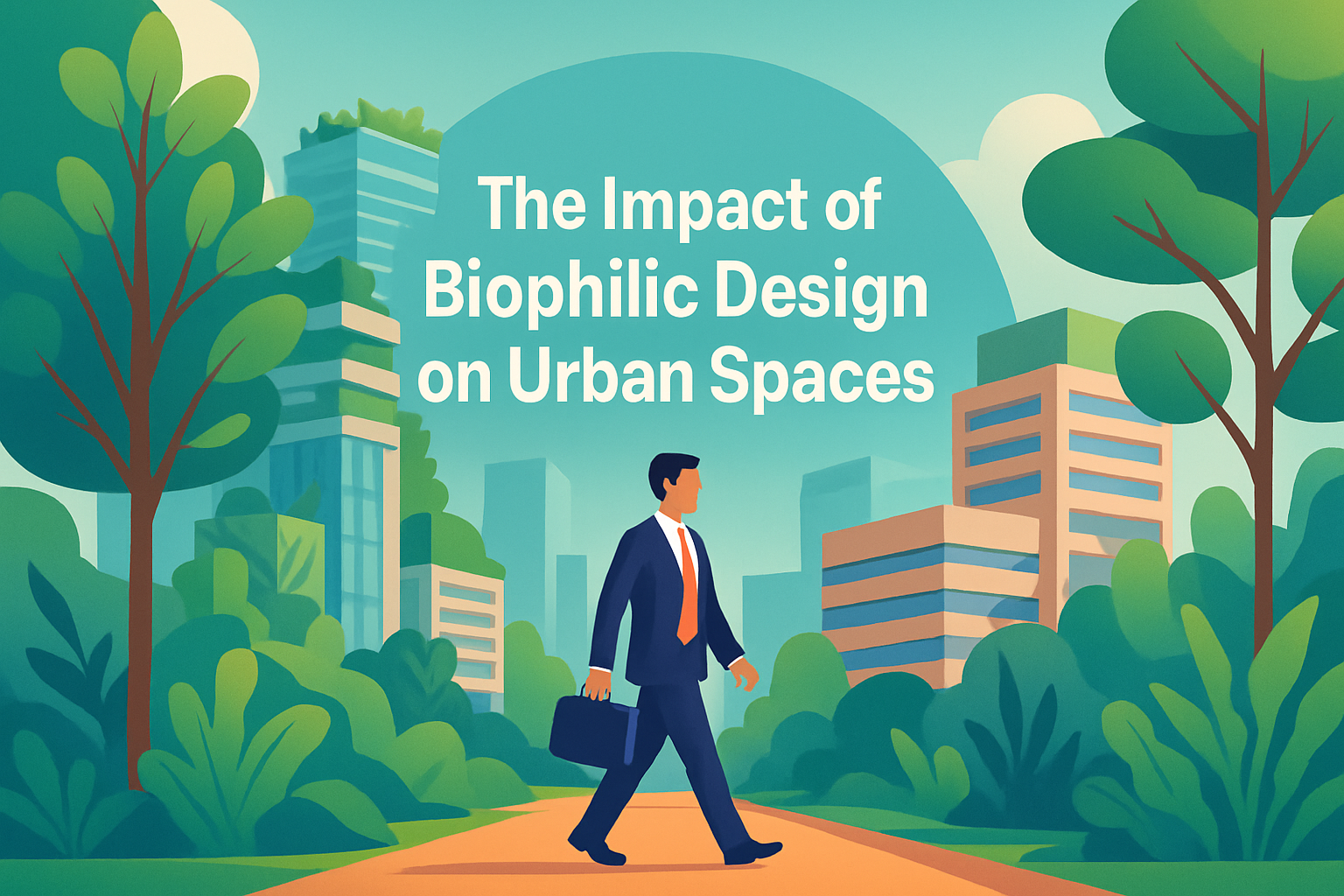
As our cities continue to grow and expand, the need to integrate nature into urban design becomes increasingly critical. One innovative approach gaining popularity is the implementation of green roofs and walls. These eco-friendly structures not only bring aesthetics and biodiversity to otherwise sterile environments but also offer numerous environmental, economic, and social benefits. By understanding green roofs and walls, we can address urban challenges like climate change, improved air quality, and enhanced human well-being.
Green roofs are essentially layers of vegetation planted over waterproof membranes on rooftops. They can vary from simple grass and moss setups to more complex systems with shrubs and small trees. Green walls, also known as living walls or vertical gardens, involve plants grown on vertical surfaces. These installations can transform concrete jungles into lush, thriving landscapes.
Why does integrating nature into urban environments matter so much? With more than half the world’s population living in urban areas, cities face problems related to pollution, heat islands, and a lack of green space, impacting health and quality of life. Green roofs and walls play an essential role in mitigating these issues by providing cooling effects, reducing energy consumption, improving air quality, and enhancing the habitat for urban wildlife.
Environmental Benefits of Green Roofs and Walls
One of the most significant advantages of green roofs and walls is their potential to reduce urban temperatures, known as the urban heat island effect. During hot weather, traditional roofs and walls absorb and retain heat, raising city temperatures. Green coverings, with their vegetation and substrate, have a cooling effect, reducing heat absorption and releasing moisture into the atmosphere. This can lead to a noticeable drop in urban temperatures.
For example, the city of Toronto has implemented a green roof policy to combat urban heat, promote biodiversity, and manage stormwater due to its effectiveness. Their consistent application of green roofs has helped lower summer temperatures in densely built areas, validating the environmental benefits of these living structures.
Moreover, green roofs and walls contribute to air quality improvement by trapping dust and pollutants, producing oxygen, and absorbing carbon dioxide. Studies show that urban plants effectively capture particulate matter and other airborne contaminants. They also contribute to noise insulation, providing a quieter urban escape.
Economic Advantages and Cost Savings
While the initial investment in green roofs and walls can be significant, they typically offer economic benefits in the long run. These benefits arise from reduced energy costs, increased real estate value, and extended roofing material lifespan.
A notable example comes from the Bosco Verticale in Milan, Italy. This residential building complex incorporates vertical forests on its facades, offering spectacular views, improving air quality, and driving up property values. As a result, residents of the Bosco Verticale enjoy both aesthetic and economic rewards.
Green roofs provide insulation, reducing the need for heating in winter and air conditioning in summer. This leads to significant energy savings, which can offset the installation costs over time. Furthermore, due to the protection offered by the plants and substrate, the underlying roofing materials are shielded from harsh weather, extending their lifespan and reducing maintenance costs.
Social and Health Benefits
The impact of green spaces on human well-being cannot be overstated. Access to greenery, including green roofs and walls, contributes positively to mental health, stress reduction, and overall quality of life. Urban green spaces facilitate community interaction, promoting social cohesion and a sense of belonging.
An example of this is found in the High Line park in New York City. Originally an elevated rail track, it has been transformed into a linear park with lush gardens. This innovative use of space incorporates green roofs and draws millions of visitors annually. It has become a vibrant public space that enhances mental well-being, encourages physical activity, and strengthens community ties.
Studies reveal that interaction with nature can lead to better mental health outcomes, including reduced stress, improved mood, and enhanced concentration. Green roofs and walls create urban oases where people can relax and unwind, counterbalancing the hectic pace of city life.
Biodiversity and Wildlife Habitat
Green roofs and walls, with their varied plant selections, offer essential habitats for urban wildlife. Birds, bees, butterflies, and other insects find refuge and resources in these green spaces, contributing to urban biodiversity and ecological balance.
In London, the Canary Wharf area promotes biodiversity through its installation of extensive green roofs and walls. Complete with rich plant diversity, these structures support numerous bird and insect species, illustrating their ecological impact.
| City | Green Roof Area (m²) | Species Supported |
|---|---|---|
| Toronto | 250,000 | Bees, Birds, Insects |
| Milan | 120,000 | Birds, Butterflies |
| London | 200,000 | Insects, Birds |
By providing a variety of plants, these green structures become urban ecosystems, hosting a range of species. Consequently, they play a vital role in restoring ecological functions once lost in urban settings, creating healthier and more resilient cities.
Challenges and Considerations
Despite their numerous benefits, the implementation of green roofs and walls presents certain challenges that must be addressed. Key considerations include structural support, plant selection, maintenance requirements, and water management.
For a successful installation, green roofs and walls require adequate structural support to withstand the added weight of vegetation and soil. Proper planning and engineering assessments are essential to ensure that these structures are safely integrated into buildings.
Plants must be carefully selected based on the local climate, available sunlight, and maintenance capacity. Some plants thrive in specific environments and may need regular care and irrigation for optimal growth. In cities like Singapore, which promotes green architecture, thorough research is conducted to find suitable native plant species that can endure the tropical climate and thrive in urban settings.
Maintenance is crucial to keep green roofs and walls healthy and visually appealing. Regular pruning, watering, and monitoring for pests or diseases help maintain their longevity and effectiveness.
Guiding the Future: Policy and Community Involvement
To create sustainable cities, it is essential that local governments, architects, and communities collaborate to promote and incorporate green roofs and walls in urban planning. Policies that encourage their adoption can lead to more widespread benefits.
In cities like Copenhagen, policies incentivize building developers to incorporate green roofs in their designs. With mandates for green coverage and financial support, Copenhagen has been able to integrate nature into its urban landscape, inspiring other cities to follow suit.
Community involvement is also key to success. Educational programs, workshops, and participatory design projects help raise awareness and build momentum toward greener cities. When communities come together to embrace green infrastructure, they not only beautify their neighborhoods but also foster engagement and empowerment.
Conclusion: Embrace Green Roofs and Walls for a Better Future
In summary, green roofs and walls represent a transformative approach to urban design and sustainability. These structures offer substantial environmental, economic, and social benefits, helping mitigate urban challenges and enhance the quality of life for city dwellers.
By integrating green roofs and walls into urban design, we can create cooler, cleaner, and more healthful environments. They provide habitats for wildlife, boost biodiversity, and promote social cohesion while contributing to energy savings and real estate value. As more cities adopt this innovative practice, its positive impact extends worldwide, paving the way for a greener, more sustainable future.
Take action by advocating for green infrastructure in your community. Support local projects, initiate dialogue with policymakers, and engage in educational efforts to raise awareness. Together, we can nurture greener cities and ensure a healthier planet for future generations.
Embrace the transformative power of green roofs and walls and join the movement toward integrating nature into urban design.
Frequently Asked Questions
1. What are green roofs and walls, and how do they integrate nature into urban design?
Green roofs and walls are innovative systems designed to incorporate vegetation in urban environments, transforming concrete jungles into thriving, green ecosystems that benefit both society and the environment. A green roof consists of a layer of vegetation planted over a waterproofing system installed on a flat or somewhat sloped roof. It’s not just about the aesthetics; green roofs provide insulation, reduce the urban heat island effect, and improve air quality by filtering pollutants and capturing airborne particles. They can also manage stormwater by absorbing rainwater, which helps reduce runoff and decrease flooding risks.
Green walls, or living walls, are vertical structures covered with plants, which can either be attached to building exteriors or interiors. These walls serve as natural air filters, capturing dust and pollutants, and help to cool the spaces around them, reducing energy consumption associated with air conditioning. They are incredibly versatile and can be customized to host a diverse array of plant species, which not only beautifies urban environments but also enhances biodiversity by providing habitats for various insects and birds.
By integrating these living structures into urban design, cities can effectively harmonize built environments with nature, improving the quality of life for residents and promoting sustainable urban growth.
2. What environmental benefits do green roofs and walls provide?
Green roofs and walls offer a myriad of environmental benefits that extend beyond simply adding greenery to urban spaces. One of the key benefits is their ability to mitigate the urban heat island effect. By absorbing and blocking sunlight, these vegetative systems help cool the ambient environment, reducing the need for air conditioning and, consequently, lowering energy consumption and greenhouse gas emissions.
They also play a crucial role in enhancing air quality. The plants absorb carbon dioxide and other air pollutants, while releasing oxygen. This natural filtration process helps create healthier urban atmospheres. Additionally, green roofs and walls contribute to stormwater management. They act like sponges, absorbing significant amounts of rainwater, which prevents overloading of drainage systems, reduces the risk of flooding, and filters pollutants out of rainwater before it enters waterways.
Finally, by providing habitats for wildlife, these green structures support urban biodiversity. They offer refuge and food to pollinators like bees and butterflies, as well as birds, fostering a richer ecosystem within urban settings.
3. Can green roofs and walls have economic benefits for building owners and cities?
Yes, green roofs and walls can offer substantial economic benefits both for individual building owners and entire cities. The installation of green roofs and walls can enhance the value of properties by improving aesthetics and increasing building life spans. The protective layer of vegetation shields roofs from harsh weather and UV radiation, leading to lower maintenance costs and an extended roof life.
Energy savings are another significant economic advantage. These green systems help insulate buildings, reducing the need for heating in the winter and cooling in the summer. This thermal regulation capability results in lower energy costs. For cities, the widespread adoption of green roofs and walls can lead to reduced public expenditures related to stormwater management and the health impacts of air pollution.
Furthermore, they can boost local economies by creating jobs in the design, installation, and maintenance of these systems. This green infrastructure can also attract tourism and new residents who are drawn to eco-friendly and visually appealing cities, fueling economic growth.
4. What challenges and considerations should be taken into account when implementing green roofs and walls?
While green roofs and walls provide numerous advantages, several challenges and considerations should be addressed to implement them effectively. For starters, the structural capacity of existing buildings needs to be assessed. Green roofs, in particular, add additional weight, so it’s crucial to ensure that roofs can support this load without risk to the building’s integrity.
Proper design and plant selection are also critical to ensure success. The choice of vegetation depends on several factors, including climate, sun exposure, and maintenance capabilities. Drought-resistant and native plants are often favored for their low maintenance needs and high adaptability.
Waterproofing and drainage are essential during installation. Ensuring that water flows properly and doesn’t damage the building is vital to avoid future repair costs. Regular maintenance, including watering, pruning, and replacing plants as needed, is necessary to keep these systems healthy and effective.
Finally, the initial cost can be a hurdle. Although they provide long-term savings, the upfront expense can be higher than traditional roofs or walls. However, various incentives, tax breaks, and subsidies are often available to offset these initial costs, making green infrastructure more accessible.
5. How do green roofs and walls contribute to social wellbeing and enhance urban living spaces?
Green roofs and walls significantly enhance social wellbeing and the livability of urban spaces. They contribute to the physical and mental health of city dwellers by offering restorative green spaces that encourage relaxation and recreation. Access to nature has been shown to reduce stress, enhance mood, and even improve concentration, making such spaces vital for urban residents’ psychological wellbeing.
These green structures can also promote social interactions and community cohesion. Shared rooftop gardens offer communal spaces where neighbors can meet, socialize, and participate in gardening activities, fostering a sense of community and belonging.
Urban areas with well-integrated greenery become more attractive places to live and work. They increase aesthetic value, potentially leading to increased property desirability and improved perceptions of safety and cleanliness. By creatively using underutilized spaces, green roofs and walls enhance urban environments, making cities more inviting and enjoyable for residents and visitors alike.