Introduction to Sustainable Design
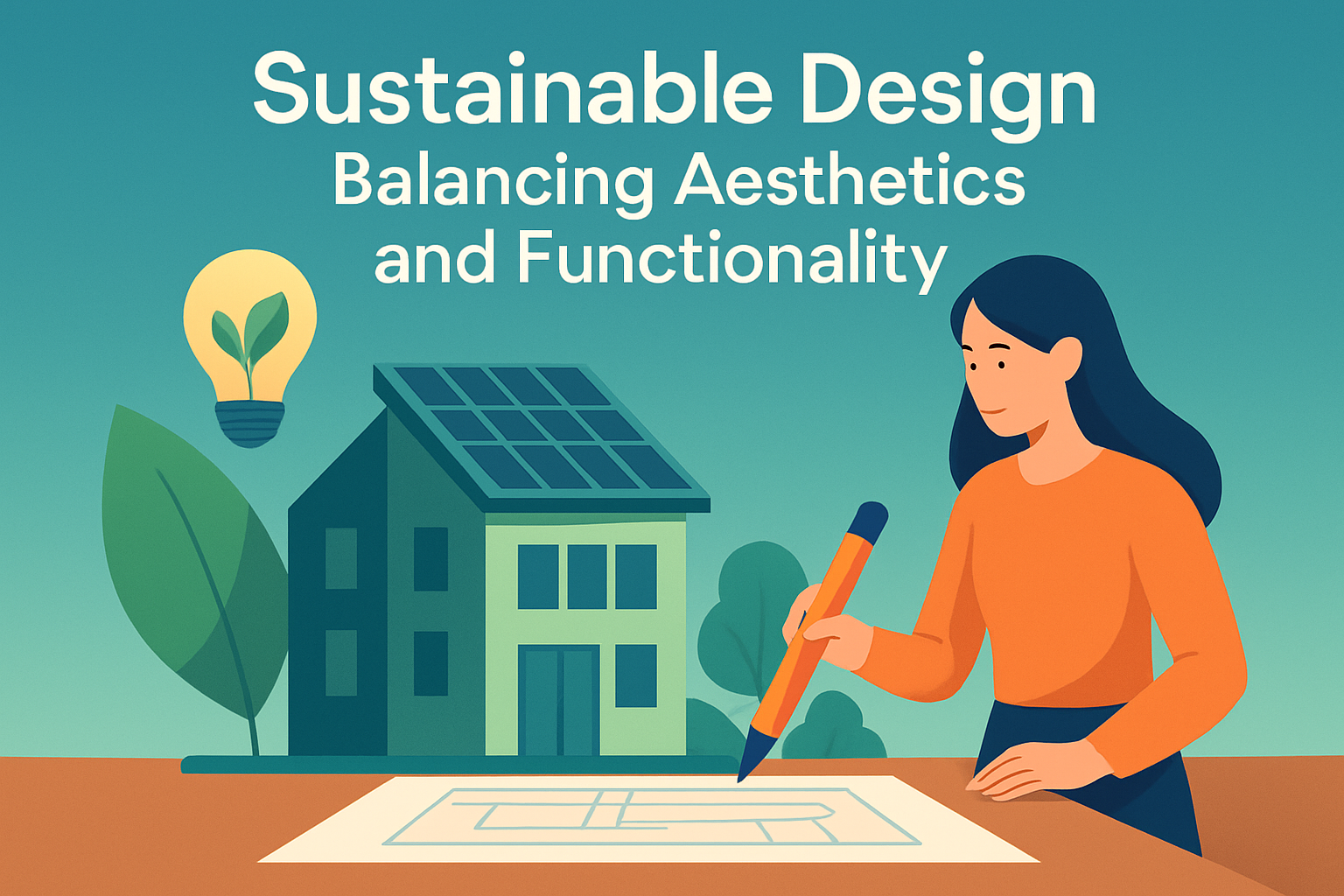
Sustainable design is an approach to creating products, environments, and systems that are environmentally responsible and resource-efficient throughout their life cycle. As we face increasing environmental challenges, sustainable design has emerged as a crucial element in counteracting the effects of climate change, resource depletion, and pollution. It involves a harmonious blend of aesthetics and functionality, ensuring that solutions not only look good but also work efficiently and minimize negative environmental impacts.
Key terms in this discourse include “sustainability,” which denotes the ability to maintain or support an activity or process over the long term, and “design,” which is the intentional creation of a plan or convention for constructing an object or system. The significance of sustainable design lies in its potential to revolutionize the way we live and work, making everyday life more efficient while reducing our ecological footprint. This approach challenges designers and architects to rethink traditional methods and embrace innovative solutions that consider both form and function.
Sustainable design is of paramount importance because it offers a pathway to a more sustainable future. By integrating environmental, social, and economic considerations into the design process, we can create spaces and products that contribute positively to the planet and enhance the quality of life for current and future generations. With increasing awareness of environmental issues, consumers and businesses alike are seeking sustainable solutions, creating a growing demand for designs that are beautiful, functional, and conscientious of the environment.
Incorporating Sustainable Materials
One of the most critical aspects of sustainable design is the choice of materials. The materials used in any project have significant implications for the environment, both in terms of their sourcing and their impact once they enter the waste stream. Sustainable materials are those which have minimal negative environmental impacts. This can include renewable materials such as bamboo, recycled metals, or biodegradable plastics.
A real-world example of sustainable materials in use is the Bullitt Center in Seattle, often lauded as the “greenest commercial building” in the world. This building utilizes materials that are locally sourced and free of toxic chemicals, alongside a range of energy and water conservation features.
Designers must carefully consider the life cycle of materials from production to disposal. This lifecycle perspective ensures that the chosen materials reduce energy consumption and pollution throughout the product’s life. By selecting materials that are not only aesthetically pleasing but also sustainable, designers can significantly reduce a project’s overall environmental impact.
Energy Efficiency and Resource Conservation
Energy efficiency is another cornerstone of sustainable design. By creating systems and structures that require less energy to operate, sustainable design reduces dependence on fossil fuels and lowers greenhouse gas emissions. This can be achieved through various strategies, including improved insulation, energy-efficient lighting, and the integration of renewable energy sources such as solar panels.
The Edge building in Amsterdam serves as a prime example of energy efficiency in action. This office space is designed to optimize natural light usage and is equipped with a smart energy system that monitors and regulates energy usage throughout the building. The result is a net-zero energy consumption, setting a benchmark for sustainable office design.
Resource conservation, particularly of water, is also vital. Practices such as rainwater harvesting, greywater systems, and installing water-efficient fixtures can dramatically reduce water usage in both residential and commercial buildings. These systems not only benefit the environment by conserving finite natural resources but can also result in significant cost savings.
Designing for Durability and Longevity
Sustainable design also emphasizes the importance of durability and longevity. It is not enough to select materials and systems that are high-performing in the short term; they should withstand the test of time to avoid frequent replacements that contribute to waste.
A good illustration of this principle is the renovation of the Empire State Building. During its refurbishment, great emphasis was placed on improving the building’s sustainability. High-performance windows, insulation, and HVAC systems were installed to improve energy efficiency and extend the building’s life span. This revamp not only preserved an iconic piece of architecture but ensured its continued utility in an environmentally responsible way.
When designers focus on durability, they consider the entire lifecycle of a building or product, using materials and methods that ensure longevity while minimizing the need for replacement and maintenance.
Integration of Nature and Urban Settings
Biophilic design, which is the integration of nature into urban environments, is a crucial element of sustainable design. It connects urban settings with nature, improving not only the environmental quality but also the well-being of individuals who live and work in these spaces.
An excellent example of biophilic design is Singapore’s Gardens by the Bay. This project incorporates massive tree-like structures known as Supertrees, which are planted with vertical gardens. These structures are not just visually stunning; they also perform functions like solar energy generation and rainwater collection, perfectly illustrating the blend of aesthetics and practicality.
By integrating natural elements into design, architects and designers can enhance the aesthetic appeal of urban spaces while promoting sustainable practices. These spaces provide both ecological benefits and psychological restorativeness, making urban environments more livable and enjoyable for their inhabitants.
Challenges and Solutions in Sustainable Design
Despite the numerous benefits, implementing sustainable design can present challenges. Key among these is the higher upfront cost of sustainable materials and technologies, which can be a deterrent for both clients and developers. However, the long-term savings associated with reduced energy and maintenance costs can outweigh these initial expenses.
Additionally, there can be difficulties related to regulatory approvals, as some jurisdictions may not yet have frameworks that fully support or mandate sustainable practices. Collaboration between policymakers, designers, and the community is crucial to overcome these barriers and promote the adoption of sustainable design practices more broadly.
To address these challenges, it is essential to consider the broader scope of sustainability and not just immediate costs. Education and awareness-raising within communities and industries can shift perspectives, emphasizing the long-term benefits of sustainable choices and fostering widespread adoption.
Applying Sustainable Design Practices: A Step-by-Step Guide
Committing to sustainable design is a multifaceted endeavor that requires intentional actions at every project stage. Below is a breakdown of practical steps to implement sustainable design effectively:
- Assess the site and local climate conditions to determine the best sustainable design strategies.
- Choose materials that are locally sourced, non-toxic, and recyclable or biodegradable.
- Incorporate passive design strategies to reduce energy demand, such as orienting the structure to maximize natural light and heat.
- Invest in energy-efficient systems and appliances to reduce consumption and utility costs.
- Plan for water conservation with systems like rainwater harvesting, efficient plumbing fixtures, and greywater recycling.
- Design for durability with materials and construction methods that ensure longevity and reduce the need for frequent replacements.
- Incorporate green spaces or biophilic elements to enhance the connection with nature.
- Engage stakeholders early in the planning process to ensure buy-in and reduce resistance to sustainable practices.
- Continually evaluate and refine sustainable practices to take advantage of new technologies and methodologies.
By following these steps, designers and builders can ensure their projects not only meet aesthetic and functional requirements but also adhere to sustainable principles that support environmental stewardship.
Conclusion: Future-Proofing Design with Sustainability
The practice of sustainable design is not merely a trend but a necessary shift in how we approach building and creating our environments. By balancing aesthetics and functionality with an eye toward sustainability, we can create designs that are beautiful, efficient, and less harmful to the planet.
Key takeaways from exploring sustainable design include the importance of choosing the right materials, focusing on energy efficiency and resource conservation, designing for durability, and integrating natural elements into urban environments. By addressing the challenges posed by sustainable design and implementing pragmatic steps, designers can contribute significantly to a healthier planet.
For individuals, businesses, and policymakers, embracing sustainable design is a call-to-action to future-proof our built environment. By redefining our approach to design, we ensure the spaces we inhabit today contribute positively to the world of tomorrow, offering lasting benefits for both people and the planet.
Making the decision to prioritize sustainable design means contributing to a future where beauty and utility coexist harmoniously with environmental responsibility. Act now, and be part of the change for a sustainable future!
Frequently Asked Questions
1. What is sustainable design and why is it important?
Sustainable design is a thoughtful approach to crafting products, environments, and systems with an emphasis on being environmentally responsible and resource-efficient throughout their entire life cycle. This means from the initial stages of conception through manufacturing, usage, and eventually, to their disposal, everything is planned to minimize negative impacts on our environment. It is crucial because it directly addresses some of the most pressing environmental challenges we face today, such as climate change, resource depletion, and pollution. By integrating sustainable practices, designers can create solutions that not only meet aesthetic and functional expectations but also ensure the well-being of our planet. This approach promotes a balanced relationship between people, the environment, and the economy, ultimately leading to a more resilient and healthy world for future generations.
2. How can sustainable design balance aesthetics and functionality?
Achieving the right balance between aesthetics and functionality in sustainable design requires creativity, innovation, and a deep understanding of materials and processes. Aesthetically pleasing designs often attract users and create an emotional connection, while functionality ensures that products serve their intended purpose effectively and efficiently. Sustainable design merges these two aspects by using eco-friendly materials and technologies that allow for creative expression without compromising durability or usability. For example, a beautifully designed chair made from recycled materials can be both visually appealing and comfortable, meeting both aesthetic desires and functional needs. This approach necessitates collaboration amongst designers, engineers, and environmental experts to ensure that form and function are equally met while remaining environmentally sound.
3. What are some common principles of sustainable design?
Sustainable design principles are guidelines that help steer the creation of environmentally responsible and resource-efficient solutions. Some of the most common principles include: – Conserving resources by reducing waste and energy usage – Using renewable and sustainable materials wherever possible – Designing for product longevity and adaptability, ensuring products can be reused, repaired, or recycled – Minimizing environmental impact during production, use, and end-of-life stages – Creating solutions that improve human well-being and health These principles provide a roadmap for designers across disciplines to develop solutions that respect nature while fulfilling human needs. By adhering to them, the end product is not only sustainable but also innovative, as it challenges traditional design processes and materials.
4. How does sustainable design contribute to combating climate change?
Sustainable design plays a vital role in tackling climate change by reducing greenhouse gas emissions, conserving energy, and promoting a lower carbon footprint throughout the life cycle of products and systems. By prioritizing renewable energy sources during production, opting for low-impact materials, and ensuring products are recyclable or biodegradable, sustainable design lessens the environmental burden. For example, solar panels designed with aesthetic appeal can be integrated into buildings to harness clean energy, replacing or reducing reliance on fossil fuels. Furthermore, by encouraging the utilization of local materials, transportation emissions can be reduced. Additionally, sustainable design often includes energy-efficient technologies and systems that reduce overall energy consumption, directly contributing to a reduction in carbon emissions. These efforts not only help mitigate the effects of climate change but also inspire more sustainable practices across industries.
5. Can sustainable design be affordable and accessible for everyone?
While the initial perception is often that sustainable design can be costlier due to the materials and processes involved, it can indeed be affordable and accessible to a wide audience. As demand for sustainable products and solutions grows, economies of scale can help drive down costs. Moreover, some sustainable solutions can actually lower costs in the long term, such as energy-efficient appliances that reduce utility bills or durable products that require less frequent replacement. Designers and companies are increasingly committed to making sustainable options more financially accessible by investing in research and development to find innovative ways to reduce production costs. Education and advocacy also play key roles in increasing the accessibility of sustainable design principles and choices, empowering communities to embrace sustainability without facing prohibitive costs. By fostering community involvement and developing innovative financing solutions, sustainable design can become an inclusive aspect of everyday life for people from diverse backgrounds.