Introduction to Public Spaces in Urban Design
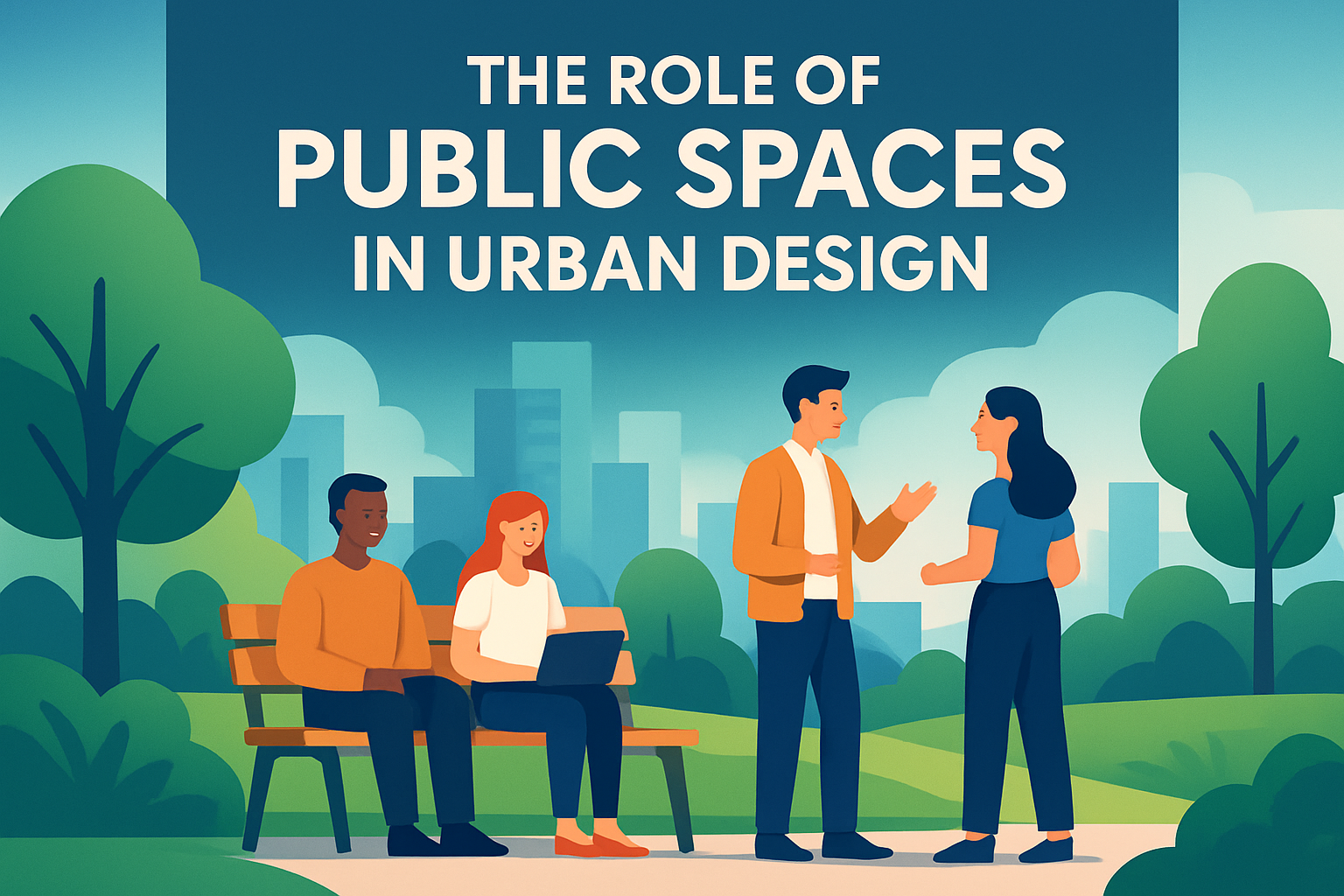
Urban design plays a critical role in shaping the environments in which we live, work, and play. At the core of this design is the concept of public spaces—those essential areas in a city where social and economic interactions take place. Public spaces are a linchpin of urban design, serving as a foundation for community engagement, cultural expression, and even economic development. They are the parks, plazas, streets, and waterfronts where people gather, interact, and participate in communal life. Understanding their role in urban design is crucial for developing cities that are not only functional and efficient but also vibrant and inclusive.
Public spaces matter because they are the living rooms of urban environments. They provide the setting for public life and help drive the social and economic vibrancy of cities. Well-designed public spaces contribute to the quality of life, offering places for relaxation, recreation, and interaction, while also fostering a sense of community and belonging. In addition, they can impact environmental sustainability and urban biodiversity, making them essential elements in urban planning.
The role of public spaces in urban design is not just about aesthetics or recreation. It also involves economic, social, and environmental dimensions. The interplay of these dimensions highlights the multifaceted importance of public spaces in creating resilient and adaptable urban environments that meet the needs of their inhabitants. Understanding the significance of public spaces requires a look into their various aspects, including accessibility, inclusivity, safety, and sustainability. Through these lenses, we can appreciate the remarkable impact they have on urban environments and the quality of life.
The Social Fabric of Urban Public Spaces
Public spaces are often seen as the heart of social interactions within a city. These spaces provide venues for people to meet, communicate, and engage in communal activities. They can foster social cohesion and a sense of community identity. In this regard, they serve as platforms for community events, gatherings, and celebrations, offering invaluable opportunities for cultural expression and social bonds.
Take for example New York City’s Central Park, an iconic public space known worldwide. More than a green oasis in a bustling metropolis, Central Park serves as a vibrant hub of social interaction. From concerts and festivals to marathons and leisure strolls, the park provides diverse activities that bring people together. This sense of connectedness not only enhances community spirit but also contributes to the overall quality of urban life.
Furthermore, public spaces must be designed with accessibility and inclusivity in mind. They should cater to diverse groups regardless of their age, ability, or background. By ensuring that public spaces are accessible and welcoming, urban design can promote social equity and foster inclusive communities.
The Economic Benefits of Public Spaces
In addition to their social contributions, public spaces can also have significant economic benefits for cities. They can attract tourists, increase property values, and stimulate local businesses. Public spaces can also drive economic development by providing venues for markets, cafés, and other commercial activities that appeal to both locals and tourists.
| Public Space Type | Economic Benefit |
|---|---|
| Parks | Increase property values |
| Plazas | Attract tourism and host events |
| Waterfronts | Promote retail and dining |
The High Line in New York City exemplifies the economic potential of public spaces. Converted from an old elevated railway line, the High Line has transformed into a dynamic public park that attracts millions of visitors each year. Its success has revitalized surrounding neighborhoods, leading to increased real estate developments, thriving businesses, and a booming local economy.
Effective urban design harnesses the economic power of public spaces by strategically placing them in areas that can maximize their benefit. Well-planned public spaces can serve as catalysts for economic growth and urban revitalization, providing essential support for local economies.
Environmental Sustainability in Public Spaces
Public spaces also play a crucial role in promoting environmental sustainability. They offer opportunities to enhance urban biodiversity, manage stormwater, reduce heat islands, and improve air quality. The integration of natural elements within public spaces not only contributes to environmental health but also enhances the human experience by bringing nature into urban areas.
A notable example of this is Singapore’s Gardens by the Bay. This innovative public space combines lush greenery with cutting-edge technology to create a sustainable urban oasis. The gardens promote biodiversity by hosting a wide range of plant species and providing habitats for various wildlife. At the same time, the space employs sustainable technologies such as solar energy harnessing and water conservation systems to minimize its ecological footprint.
Urban designers are increasingly recognizing the essential role of public spaces in achieving sustainability goals. By incorporating green infrastructure and sustainable design practices, public spaces can help cities address climate challenges and enhance urban resilience.
The Safety and Security of Public Spaces
Safety and security are of paramount importance in the design of public spaces. People are drawn to spaces where they feel safe and secure, both physically and psychologically. Effective urban design considers factors such as lighting, visibility, and space management to create environments that are safe and inviting for all users.
For example, the redesign of Bogotá’s public spaces under Mayor Enrique Peñalosa saw a focus on pedestrian and transit-friendly initiatives that enhanced both safety and accessibility. By prioritizing pedestrians over vehicles, the city reduced crime rates and improved the overall perception of public safety. This reimagining of public spaces not only made them more user-friendly but also increased public trust and utilization.
Ensuring the safety and security of public spaces involves collaboration among urban planners, law enforcement, and community members. By working together, these stakeholders can create spaces that are welcoming and secure, providing a foundation for thriving urban communities.
Conclusion: Reinforcing the Value of Public Spaces
The role of public spaces in urban design is multifaceted and far-reaching. Through their ability to foster social connections, drive economic development, promote environmental sustainability, and enhance safety, public spaces are indispensable components of urban environments. They embody the essence of community life and contribute significantly to the vibrancy and vitality of cities.
As cities continue to grow and evolve, the need for thoughtfully designed public spaces will become increasingly important. Urban planners, designers, and policymakers must prioritize the creation and maintenance of these spaces to ensure that they are accessible, inclusive, and responsive to the needs of diverse urban populations.
For individuals and communities, engaging with local public spaces can lead to improved well-being and a stronger sense of community belonging. Whether it’s through participating in local events, supporting community initiatives, or simply enjoying the outdoors, public spaces offer boundless opportunities for connection and enrichment.
In summary, public spaces are more than just areas of recreation or aesthetics; they are vital elements in the fabric of urban life. By understanding their role and implementing effective design strategies, we can create thriving urban environments that enhance the quality of life for all residents. It is a call to action for individuals and communities to advocate for better public spaces and to actively participate in their development and preservation.
Frequently Asked Questions
1. What is the importance of public spaces in urban design?
Public spaces are crucial in urban design as they are the heart and soul of a community, serving as venues for socializing, cultural expression, and economic transactions. These areas, including parks, plazas, and streets, foster community engagement by providing a meeting ground where individuals can gather, interact, and build networks. Additionally, public spaces contribute to the cultural vitality of a city, offering a platform for performances, events, and public art that reflect the local culture and heritage. Moreover, these spaces play a significant role in economic development, as they can attract tourism, support local businesses, and increase property values. By integrating well-designed public spaces, urban areas can enhance livability, sustainability, and a sense of belonging among residents.
2. How do public spaces influence community engagement?
Public spaces are instrumental in boosting community engagement by acting as natural gathering places where people can come together to exchange ideas, celebrate, and collaborate on community issues. When well designed, these places encourage interaction and inclusion, bringing diverse groups of people into dialogue and shared activity. They provide the backdrop for local events, community meetings, festivals, and markets, which enhance social connections and community resilience. Engaging public spaces are typically accessible and inclusive, meaning they accommodate people of all ages, abilities, and socioeconomic backgrounds. The act of regularly engaging with others in these settings fosters a strong sense of community identity and belonging, which can lead to more active participation in local governance and community development initiatives.
3. How can public spaces contribute to economic development?
Public spaces can significantly boost economic development by attracting visitors and creating vibrant atmospheres that support local business growth. Great public spaces like bustling plazas and lively markets stimulate commercial activity by drawing people to different parts of a city, which in turn increases foot traffic to retail shops, cafes, and restaurants. The attractiveness of well-maintained parks or waterfronts can also boost tourism and travel, further supporting the local economy. Beyond direct economic impacts, these spaces can increase property values and make areas more desirable for residential and business investment. By providing locations for markets and cultural events, public spaces can also support informal economies, offering entrepreneurs, artisans, and small business owners opportunities to engage with customers in flexible, community-centric ways.
4. What are some examples of effective public spaces in urban environments?
Numerous examples worldwide highlight the effectiveness of thoughtful public space design. New York City’s Central Park is a quintessential public space that serves as a green oasis amidst urban density, offering recreation, leisure, and a venue for both spontaneous and organized cultural activities. Another example is Trafalgar Square in London, a historic plaza that provides a space for large public gatherings, art installations, and protests, playing a central role in the city’s public life. Barcelona’s La Rambla is a lively pedestrian street lined with cafes, shops, and street performers, exemplifying how streets can serve as dynamic public spaces. Lastly, the High Line in New York City demonstrates the innovative reuse of industrial infrastructure, creating a linear park that attracts millions of visitors, enhances local neighborhoods, and stimulates economic activity.
5. What role do public spaces play in cultural expression?
Public spaces serve as platforms for cultural expression by providing venues for artistic performances, exhibitions, festivals, and other cultural events that celebrate local traditions and diversity. These areas are dynamic canvases where communities can showcase creativity through sculptures, murals, temporary installations, and engaging public art projects. For cultural communities, public spaces are crucial arenas for practicing and preserving cultural heritage through regular gatherings, dances, music, and storytelling. Furthermore, public spaces can reflect and nurture a city’s unique cultural identity, allowing residents and visitors alike to engage with a rich tapestry of cultural expressions. The freedom to use public spaces for cultural activities strengthens social bonds, enhances understanding among diverse groups, and fosters a vibrant cultural landscape that contributes to the overall appeal and resilience of urban environments.