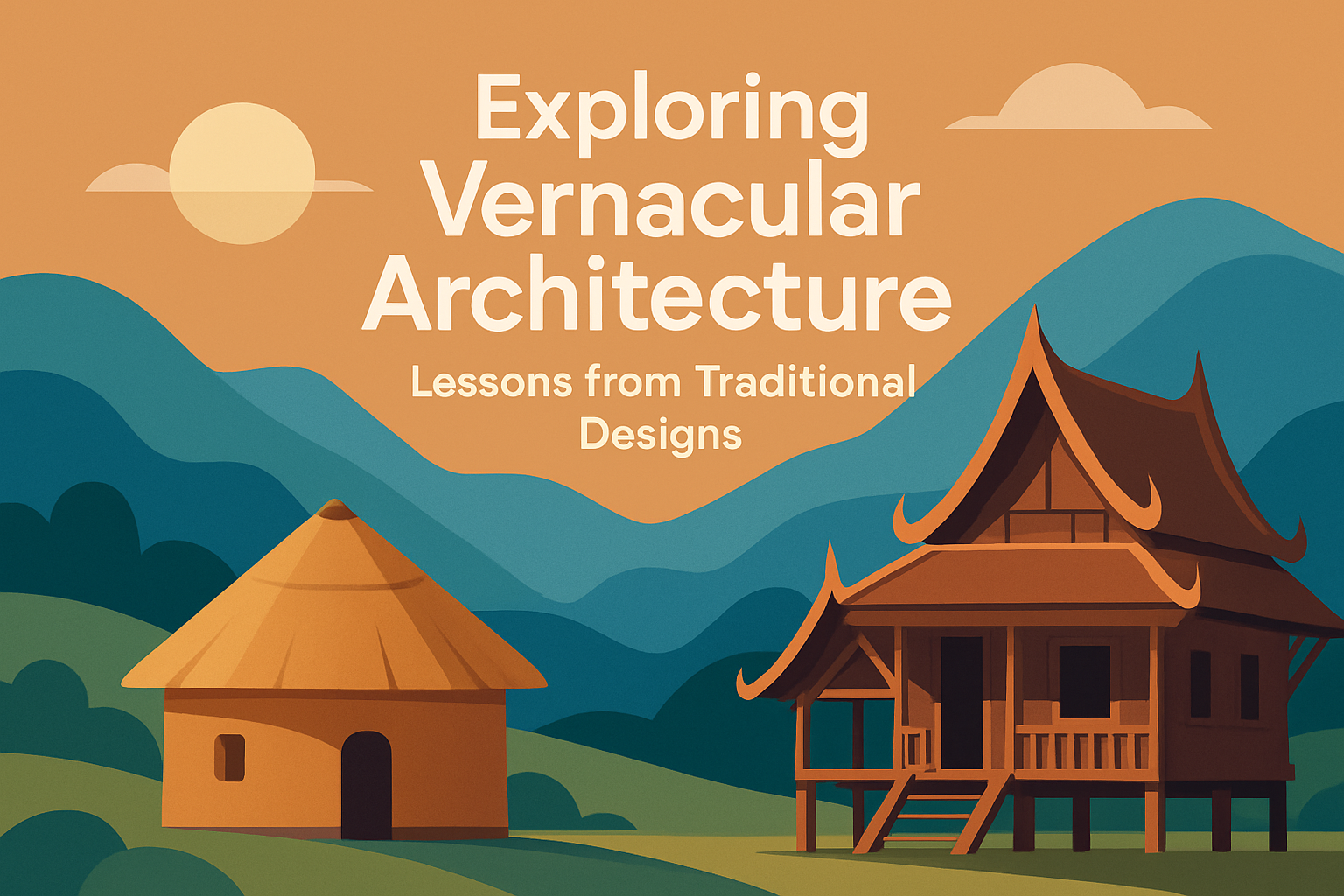
Vernacular architecture refers to the distinctive building styles that have evolved over time, shaped by the cultural, environmental, and historical contexts in which they arose. This form of architecture utilizes locally available materials and reflects the specific needs and lifestyles of the people who reside in these structures. Unlike modern architecture with standardized solutions, vernacular architecture celebrates diversity and adapts to local conditions. Understanding vernacular architecture is crucial because it offers insights into sustainable design practices, resource utilization, and cultural heritage preservation. By exploring these traditional designs, we can gain valuable insights into the principles of building in harmony with the environment, leading to innovative solutions for modern architectural challenges.
As we navigate global challenges such as climate change and the depletion of natural resources, the architectural community is increasingly turning to vernacular designs for inspiration. These traditional designs offer valuable lessons in sustainability, resilience, and efficiency, providing architects, builders, and policymakers with a repository of practical and culturally sensitive strategies. Recognizing the importance of vernacular architecture allows for a more grounded approach to modern construction, balancing heritage with innovation and embodying a shared human ingenuity. By delving into the diverse aspects of vernacular architecture, we reveal a rich tapestry of knowledge that continues to inform and inspire contemporary architectural practices.
Adaptation to Local Climate
One of the most remarkable features of vernacular architecture is its ability to adapt efficiently to various climatic conditions. Traditional builders understood the importance of climate-responsive design and incorporated strategies to ensure comfort without the need for modern heating or cooling systems. For instance, the adobe structures of the American Southwest are known for their thick earthen walls, which provide natural insulation. These walls absorb heat during the day and release it at night, maintaining a stable indoor temperature despite harsh desert conditions.
In contrast, tropical regions like Southeast Asia exhibit stilt houses with elevated living spaces to mitigate humidity and potential flooding. These structures feature an open design with large verandas and strategically placed windows to enhance cross-ventilation. The thatched roofs, made from local palm leaves, provide additional cooling, showcasing how traditional architecture marries functionality with environmental awareness.
Utilization of Local Materials
Vernacular architecture is characterized by its reliance on locally sourced materials, which not only reduces transportation costs but also fosters a sense of place and identity. In Japan, for example, the traditional minka houses are crafted from wood and thatch, materials that are abundantly available and renewable. The use of timber, a sustainable resource, emphasizes ecological balance, while the intricate joinery techniques developed over centuries reflect profound craftsmanship.
A similar example can be found in the Mediterranean region, where limestone and other naturally abundant stones constitute the primary building materials. The inherent properties of these materials, such as thermal mass and breathability, enhance the dwellings’ energy efficiency and durability. By using materials that are native to the region, these structures harmonize with their surroundings and minimize their environmental impact.
Community-Driven Design
Vernacular architecture is deeply rooted in community collaboration and shared knowledge. In many cultures, building a home or community structure is a collective effort, bringing together communal skills and wisdom. The indigenous construction of the Navajo Hogan in North America symbolizes this spirit of cooperation. These round earth shelters are constructed by the community and oriented with the entrance facing the east, honoring traditional beliefs and practices.
In rural African communities, the construction of round huts is another excellent example of community-driven design. The processes of gathering materials, building, and embellishing are shared tasks, reinforcing social bonds and cultural values. This communal approach not only strengthens social cohesion but also ensures that the architecture meets the specific needs and traditions of the people it serves.
Integration with the Natural Landscape
Traditional architecture is often seamlessly integrated into its natural landscape, emphasizing harmony with the environment. The Earthship homes of the New Mexican desert exemplify this integration. Constructed with recycled materials like tires and bottles, Earthships blend with the arid landscape and employ sustainable practices such as passive solar heating, rainwater harvesting, and natural ventilation.
Similarly, the architectural layout of the Italian town of Manarola in the Cinque Terre region demonstrates an adaptive approach to its rugged hillside location. The vibrant houses are positioned to take advantage of the steep terrain, maximizing sunlight and minimizing land disruption. This harmony with the natural environment showcases the importance of working with topography rather than against it.
Preservation of Cultural Identity
Vernacular architecture plays a vital role in preserving and perpetuating cultural identity. These buildings are a manifestation of cultural narratives, traditions, and ways of life. In Morocco, the Kasbahs are a testament to Berber heritage, showcasing intricate designs and thick, mud-brick walls that serve as both fortification and communal hubs.
In India, the stepwells, also known as “baolis” or “vavs,” are a significant part of the cultural landscape. These water-retaining structures, adorned with ornate carvings and reflective of Hindu and Jain architectural styles, embody a cultural reverence for water and community gathering spaces. Such structures not only preserve the cultural significance but also highlight the ingenuity of vernacular design that addresses both functional and spiritual needs.
| Region | Vernacular Structure | Material Used | Climatic Adaptation |
|---|---|---|---|
| American Southwest | Adobe Houses | Earthen Walls | Heat Absorption |
| Southeast Asia | Stilt Houses | Wood, Thatch | Cross-Ventilation |
| Japan | Minka Houses | Wood, Thatch | Ecological Balance |
| Morocco | Kasbahs | Mud-Brick | Fortification, Communal Hubs |
This table underscores how vernacular architecture adapts various structures to specific regional climates, utilizing local materials and traditional construction techniques to sustain environmental harmony and cultural vibrancy.
Sustainable Practices and Modern Applications
The sustainable aspects of vernacular architecture offer practical applications for contemporary design. By understanding and implementing these principles, modern architecture can incorporate renewable materials, energy-efficient systems, and site-sensitive planning. The rammed earth walls of traditional Chinese homes, for example, inspire the use of compacted earth techniques in modern sustainable construction due to their durability and insulation properties.
The Brazilian “pau a pique” (wattle and daub) technique has similarly inspired contemporary building approaches. Its structure, made from a lattice of wooden strips filled with clay and straw, is being reexamined for its low environmental footprint and thermal benefits. These practices suggest that vernacular architecture not only informs the aesthetic of modern design but can also be a blueprint for reducing the ecological impact of new construction.
Conclusion
Vernacular architecture offers a treasure trove of lessons for sustainable design, cultural preservation, and adaptation to the environment. By examining traditional building practices from around the world, we gain insight into how societies have historically addressed their unique challenges and needs. This knowledge serves as inspiration and guidance for creating resilient and resource-efficient modern architecture.
The value of vernacular architecture lies in its balance of functionality, cultural heritage, and environmental stewardship. For architects, builders, and policymakers, engaging with these traditional practices can inform more sustainable and locally appropriate architectural solutions. As a call to action, let’s champion the integration of vernacular wisdom into contemporary design, fostering a built environment that honors the past while innovatively preparing for the future.
Frequently Asked Questions
1. What is Vernacular Architecture and why is it important?
Vernacular architecture is a style of building that is deeply rooted in the culture, environment, and history of a specific community or region. Unlike modern architecture, which often employs a one-size-fits-all approach, vernacular architecture is unique to its locale. It’s built using locally sourced materials, which are both economically and environmentally friendly. Importantly, these designs seamlessly incorporate the traditional lifestyles and needs of the people who live in them.
The importance of vernacular architecture lies in its sustainability and adaptability. It provides crucial insights into how communities have historically adapted to their environments – including climate conditions and available resources – long before the era of globalized design. This type of architecture not only celebrates cultural identity but also offers lessons in sustainable living and resource efficiency. In a world increasingly aware of environmental impacts, these lessons have never been more relevant.
2. How does vernacular architecture reflect the identity and lifestyle of a community?
Vernacular architecture is, in essence, a mirror of the community’s identity and lifestyle. Each building is a storyteller, conveying tales from the past while meeting present-day needs. The use of specific materials, construction techniques, and design elements are influenced heavily by local traditions, beliefs, and daily life activities.
For instance, in hot climates, traditional homes may feature thick walls and few windows to insulate against the heat. In contrast, homes in colder areas might have steeply pitched roofs to prevent snow accumulation. Cultural events, such as festivals or religious practices, can also shape the design of these structures, sometimes resulting in unique architectural elements such as altars or spaces for communal gatherings.
This architectural form respects and preserves the cultural narrative of its builders and inhabitants, providing a living record of how previous generations lived, worked, and interacted with their environment. Therefore, it underscores that architecture is not merely about structures; it is also a testament to human adaptation and ingenuity.
3. Can vernacular architecture teach us about sustainable design?
Absolutely! Vernacular architecture is often synonymous with sustainable design because it inherently prioritizes resource efficiency and environmental consciousness. This architecture makes optimal use of available local materials, reducing the need for transportation, which, in turn, minimizes the carbon footprint. Building methods in vernacular architecture are typically energy-efficient, utilizing techniques that support natural heating, cooling, and ventilation.
For example, indigenous techniques such as earth-cooling systems in desert climates conserve energy by maintaining stable indoor temperatures without needing artificial cooling systems. Similarly, the strategic placement of windows and courtyard settings harness natural light and airflow, reducing dependency on artificial lighting and ventilation.
These sustainable practices embedded in vernacular designs not only conserve resources but also teach us invaluable lessons about creating architecture that treads lightly on the earth. Learning from these time-tested techniques can inspire modern sustainable solutions that address today’s environmental challenges.
4. How has globalization impacted vernacular architecture?
Globalization, with its extensive reach, has a profound impact on vernacular architecture. While it opens the door to a diversity of styles and innovations, it has also led to the erosion of traditional building methods and materials as modern, often less sustainable, solutions become favored. With rapid urbanization and the influx of standardized construction materials and techniques, vernacular architecture often gets replaced by structures that lack cultural relevance and local distinctiveness.
This shift can lead to a loss of cultural heritage and identity, as buildings that once narrated the unique stories of communities are supplanted by cookie-cutter designs. Moreover, standardized solutions may not suit local environmental conditions, resulting in inefficient energy use and increased maintenance costs.
Despite these challenges, there’s a growing appreciation for preserving and adapting vernacular practices in modern construction. Architects and designers are increasingly recognizing the value of integrating traditional wisdom with contemporary needs, leading to innovative designs that celebrate cultural heritage while addressing modern demands.
5. How can one incorporate elements of vernacular architecture into modern building projects?
Incorporating elements of vernacular architecture into modern building projects can add significant cultural and environmental value. This integration begins with a deep understanding of the local traditions, climate, and materials. An architect must research and respect the community’s practices, ensuring designs that harmonize with their surroundings and cultural ethos.
First, consider using local materials. They are not only more sustainable but often more durable since they have been historically proven to withstand local conditions. For instance, adobe bricks in arid areas or bamboo in tropical climates both align with vernacular traditions and modern eco-friendly building aspirations.
Another consideration is adopting traditional construction techniques that enhance energy efficiency. Passive solar design strategies, traditional insulation methods, and natural ventilation systems are all gleaned from vernacular practices. These strategies can be amalgamated with modern technologies to create buildings that are not only aesthetically pleasing and culturally significant but also attain high standards of comfort and environmental performance.
By merging traditional elements with modern innovations, architects and builders can craft spaces that honor local heritage while responding to today’s global ecological and social challenges. Such integration ultimately results in architecture that is both meaningful and sustainable.