In recent years, the intersection of architecture and biodiversity has become a burgeoning field of interest among architects, ecologists, and urban planners. With rapid urbanization encroaching on natural habitats, it is vital for architecture to play a proactive role in enhancing biodiversity. But what exactly does this mean? At its core, biodiversity refers to the variability among living organisms from all sources, including terrestrial, marine, and other aquatic ecosystems. It is fundamental to ecosystem services that contribute to human wellbeing, such as air purification, climate regulation, and pollination. Architecture, on the other hand, greatly impacts the environment—as both a consumer of natural resources and a determinant in how spaces are formed. Therefore, incorporating biodiversity-friendly practices in building designs is essential. It not only contributes to sustainable development but also promotes harmony between urban areas and the natural world. The idea holds immense importance because an architect’s approach can either degrade natural habitats or enhance them, thereby playing a critical role in the overall ecological health of a region.
Strategies for Incorporating Green Infrastructure
Green infrastructure is a pivotal strategy when it comes to enhancing biodiversity through architecture. It involves creating a network of natural and semi-natural systems that offer habitat to wildlife and plants, while also providing ecosystem services. A prime example of this is Singapore’s commitment to becoming a “City in a Garden”, where over 47% of the city-state is covered in greenery. Various green roofs, walls, and corridors have been integrated into buildings to create ecological networks. This approach not only supports biodiversity but also mitigates urban heat, reduces stormwater runoff, and enhances air quality. Simple design additions like green roofs can serve as habitats for birds, insects, and small mammals, providing them an oasis amidst the urban sprawl. Thus, incorporating green infrastructure results in a win-win situation for both the environment and city dwellers.
Biophilic Design as a Catalyst for Biodiversity
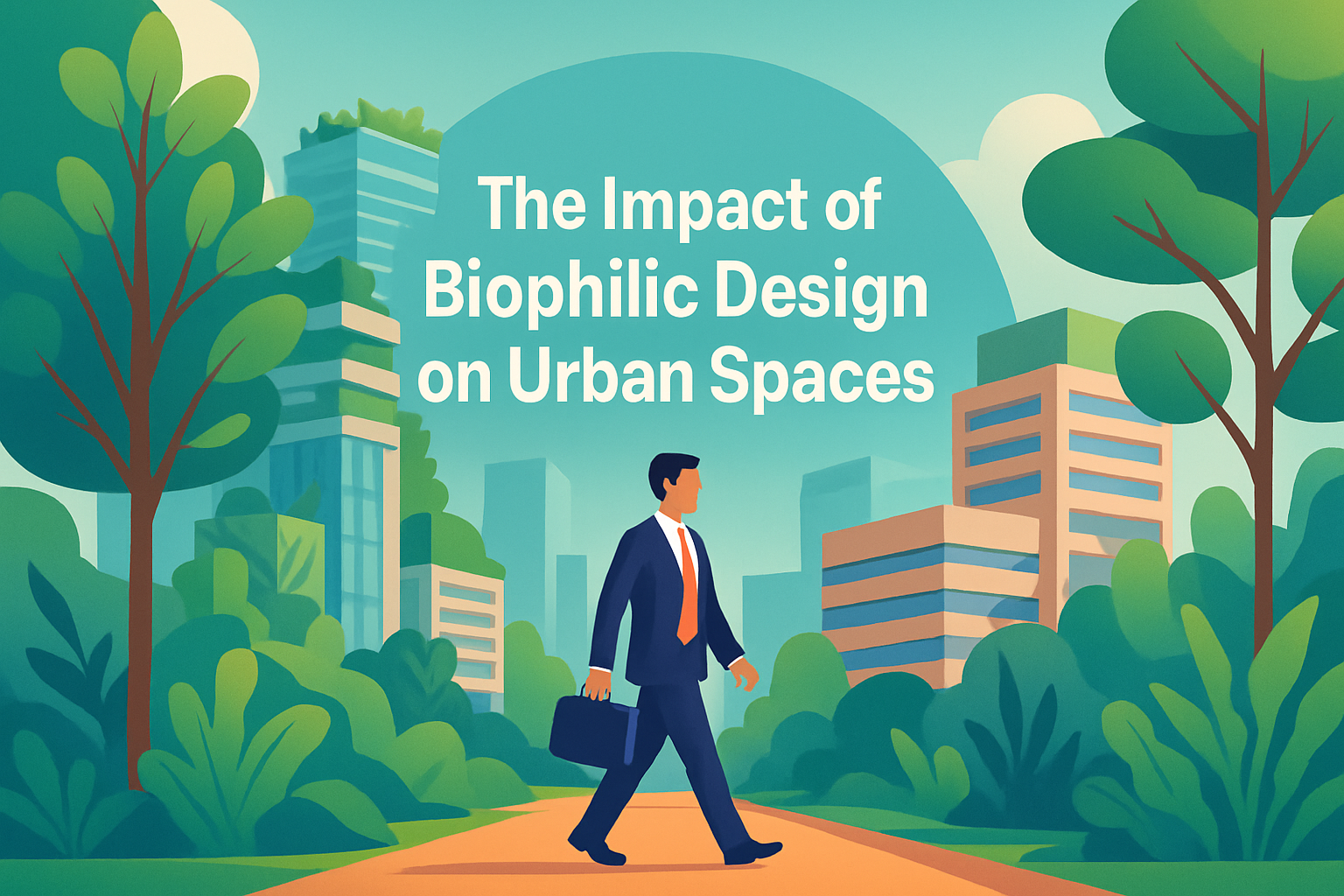
The concept of biophilic design is another effective method for promoting biodiversity within architectural practices. Biophilia, meaning “love of life”, encompasses the notion that humans have an innate affinity for nature. However, rapid urbanization often disconnects us from natural environments, contributing to stress and cognitive fatigue. Biophilic design addresses this through the purposeful integration of natural elements into building environments, thus reinstating that vital human-nature connection. Take for instance the Amazon Spheres in Seattle, which houses more than 40,000 plants from over 30 countries. This green oasis serves as an example for future urban structures by not just enunciating aesthetic beauty but also promoting biodiversity. Integrating natural lighting, ventilation, and an abundance of plant life can help in attracting a diverse array of species, thereby expanding the ecological value of urban settings.
Implementing Blue-Green Solutions
Integrating water into architectural designs presents another dimension for advancing biodiversity—referred to as blue-green solutions. These involve the use of water elements, coupled with plants, to create a network that supports diverse life forms. Consider Berlin, where decentralized water management systems have been applied to create multifunctional blue-green spaces. Initiatives like the Urban Ecological Network in Berlin include rain gardens, constructed wetlands, and permeable surfaces, which collectively aid in flood prevention, water quality improvement, and biodiversity preservation. Such systems attract various aquatic and terrestrial species by offering suitable habitats and corridors for movement. These elements contribute to an interconnected urban ecosystem that supports both human and environmental wellbeing.
Vertical Forests: A Game Changer
Vertical forests epitomize the innovative blend of architecture and ecology. This architectural concept involves residential towers covered in thousands of trees, shrubs, and plants, designed to mitigate pollution and foster biodiversity. The Bosco Verticale in Milan, is a noteworthy example that illustrates how buildings can host vast ecosystems. Comprising two residential towers planted with over 20,000 trees and plants, Bosco Verticale offers habitat to numerous bird and insect species. Vertical forests aim to reduce urban carbon emissions, improve air quality, and help assimilate human life back into nature. As cities continue to grow vertically, this innovative approach to landscaping offers a sustainable solution for biodiversity conservation in high-density urban settings.
Table of Strategies for Enhancing Biodiversity in Architecture
| Strategy | Examples | Benefits |
|---|---|---|
| Green Infrastructure | Singapore’s Urban Greenery | Habitat provision, Urban heat reduction, Air quality improvement |
| Biophilic Design | Amazon Spheres, Seattle | Stress reduction, Cognitive benefits, Biodiversity promotion |
| Blue-Green Solutions | Urban Ecological Network, Berlin | Flood prevention, Water quality, Aquatic and terrestrial biodiversity |
| Vertical Forests | Bosco Verticale, Milan | Pollution mitigation, Habitat creation, Urban carbon emission reduction |
Eco-Friendly Building Materials and Their Role
The selection of eco-friendly materials in architectural design can significantly influence biodiversity outcomes. Materials with low environmental impact and those sourced sustainably contribute to ecological preservation. Bamboo, for example, is a fast-growing and regenerative material that is being increasingly used in construction. Its durability and lightweight nature make it an excellent material for eco-conscious architectural projects. Another example is the use of recycled materials such as glass and steel, which helps in reducing the ecological footprint. Moreover, innovative biodegradable materials like mycelium composites are gaining traction; these are made from the root structure of fungi and offer a fully sustainable building solution. Utilizing these materials conserves ecosystems that would otherwise be disrupted through the extensive extraction of conventional building resources like concrete and steel. In this way, selecting the right building materials serves as a cornerstone for designing biodiversity-friendly structures.
Urban Wildlife Corridors: Bridging Habitats
In the context of urban planning, wildlife corridors are essential in enhancing biodiversity within developed areas. These corridors serve as natural pathways that link fragmented habitats, allowing for the free movement and interaction of various species. Imagine the wildlife bridges in Banff National Park, Canada, which have successfully reconnected habitats and facilitated the safe migration of animals like bears and elk. While implementing similar strategies in urban areas is complex, innovative solutions like green roofs, linear parks, and tree-lined avenues can act as corridors for urban wildlife. The primary aim is to create seamless transitions between built and natural environments. This not only strengthens ecological networks but also offers potential health and recreational benefits to city dwellers, enriching both human and natural life in urban landscapes.
Summary and Call to Action
Architecture plays a pivotal role in enhancing biodiversity. The interconnectedness between thoughtfully designed structures and the flourishing of diverse ecosystems cannot be overstated. Through various strategies such as green infrastructure, biophilic design, blue-green solutions, vertical forests, and the use of eco-friendly materials, architecture can contribute positively to ecosystems and human health alike. Cities worldwide are showing us the way forward by incorporating these strategies, yielding environments that are as lush and vibrant as they are functional. The use of urban wildlife corridors further fortifies these efforts, ensuring that life continues to thrive even in the most developed areas.
For architects, urban planners, and every stakeholder involved in the urbanization process, the takeaway is clear: sustainable design is not merely an option but a necessity. As plain citizens, each one of us can advocate for such biodiversity-enhancing practices, be it through supporting green initiatives or choosing to live in buildings that share these sustainable principles. The integration of these forward-thinking strategies sets the stage for a more harmonious coexistence between urban development and the natural world. As stewards of the planet, the onus is on us to further explore and implement such biodiversity-friendly architectural practices, ensuring that we pave the way for generations to come. Your role in this movement can begin with understanding and advocating for architecture that champions biodiversity. The time to act is now.
Frequently Asked Questions
1. What is the role of architecture in enhancing biodiversity?
The role of architecture in enhancing biodiversity is becoming increasingly significant as urban areas expand and natural habitats are lost or fragmented. Architects, ecologists, and urban planners are exploring ways to integrate biodiversity into urban environments to create resilient, sustainable cities. This involves designing buildings and landscapes that support a diverse range of plant and animal species. For example, incorporating green roofs, vertical gardens, wildlife corridors, and habitat-friendly building materials can create microhabitats for species that would otherwise struggle to flourish in urban settings. The goal is to create environments that promote biodiversity, reduce ecological footprints, and improve the quality of life for residents by reconnecting them with nature.
2. How can architecture impact urban biodiversity?
Architecture can significantly impact urban biodiversity by influencing the design and functionality of urban spaces. Thoughtfully designed buildings and landscapes can provide habitats, food sources, and travel corridors for various species. For instance, green roofs and walls can serve as refuges for birds, insects, and smaller mammals, while rain gardens and constructed wetlands can support aquatic life and improve water quality. Additionally, using native plants in landscaping reduces the need for water and pesticides, thereby supporting local ecosystems. Strategic placement of trees and shrubs can also provide shade and cooling, benefiting both humans and wildlife. By prioritizing biodiversity in architectural design, cities can become more ecologically balanced and resilient.
3. What are green roofs and how do they contribute to biodiversity?
Green roofs are layers of vegetation planted over waterproof membranes on building rooftops. They are an effective strategy for enhancing biodiversity in urban areas. By creating a layer of living plants, green roofs provide habitats for various species, including insects, birds, and small mammals. These mini ecosystems help support pollinators like bees and butterflies, which are crucial for the health of urban vegetation. Green roofs also help regulate building temperatures, reduce stormwater runoff, improve air quality, and extend the lifespan of roofing materials. By providing a patch of green amidst urban landscapes, they help create networks of natural habitats that contribute to urban biodiversity conservation.
4. Why is it important to consider biodiversity in urban planning and architecture?
Considering biodiversity in urban planning and architecture is crucial for several reasons. Firstly, it helps create functional ecosystems that support a wide range of species, contributing to the overall health and resilience of urban environments. Biodiversity enhances ecosystem services, such as pollination, water purification, and carbon sequestration, which are vital for human well-being. Additionally, thriving biodiversity enhances the aesthetic and recreational value of urban areas, improves mental health, and fosters a connection to nature for city dwellers. Urban areas that prioritize biodiversity are better equipped to adapt to climate change, as diverse ecosystems tend to be more resilient to disturbances and extreme weather events. By incorporating biodiversity into urban planning, cities can become more sustainable and livable places.
5. What challenges do architects face in integrating biodiversity into urban environments?
Architects face several challenges when integrating biodiversity into urban environments. One primary challenge is the limited availability of space in densely populated cities, which can restrict the amount of green infrastructure that can be implemented. Additionally, there may be resistance from developers or stakeholders who prioritize short-term economic gains over long-term environmental benefits. Regulatory barriers and zoning laws may also limit the incorporation of biodiversity-enhancing features. Furthermore, architects must carefully plan and design solutions tailored to local ecosystems and species, which requires collaboration with ecologists and ongoing research. Despite these challenges, increasing awareness and demand for sustainable development are driving more architects to find innovative ways to embrace biodiversity in their designs.