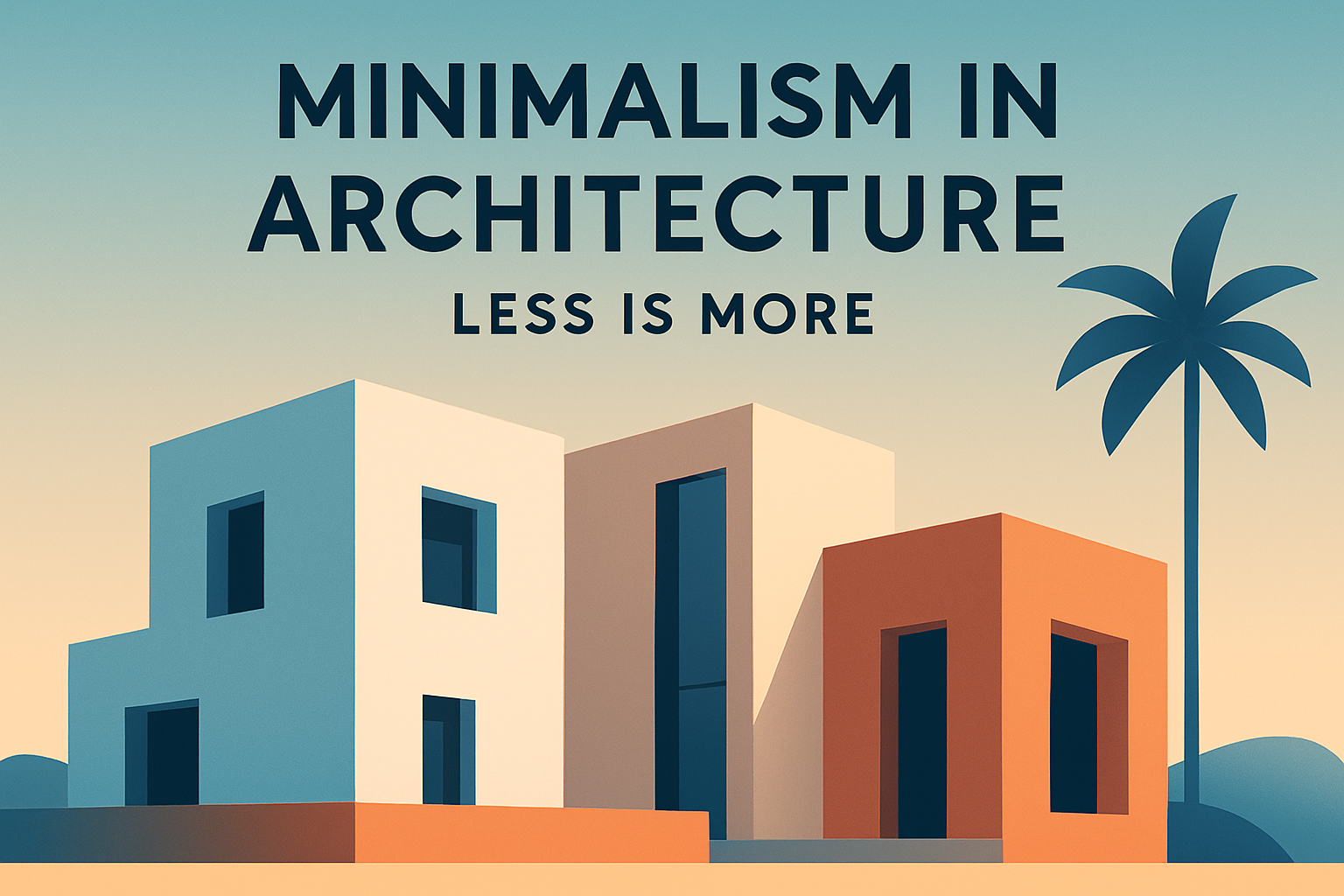
In architectural design, minimalism is a philosophy that simplifies structures to their essential elements, stripping away any excess or unneeded components. Originating in the 20th century, minimalism is distinguished by its simplicity, open spaces, natural light, and a genuine appreciation for materials in their most fundamental forms. This approach has significant implications, offering both aesthetic and practical benefits. Minimalism matters because it not only helps create visually pleasing spaces that are functional but also promotes psychological well-being and sustainability. By focusing on ‘less is more,’ it reduces clutter, enhances functionality, and limits environmental impact, all of which align with contemporary needs for sustainability and mental clarity. As we delve further into this theme, we will explore how minimalism in architecture stands out, its real-world implementations, and the various benefits that it offers to both individuals and communities.
Understanding the Essence of Minimalist Architecture
Minimalist architecture embodies the idea that simplicity can yield profound beauty and functionality. This style asserts that by minimizing design elements, structures can achieve a more profound impact on the observer. The architecture focuses on the essentials, emphasizing clean lines, open spaces, and understated elegance.
An outstanding example of minimalist architecture is the Farnsworth House, designed by Ludwig Mies van der Rohe, located in Illinois, USA. This iconic structure is characterized by its transparent glass walls and open, continuous space. It showcases how minimalism can create tranquil spaces by using a limited palette of materials and forms, seamlessly blending with the surrounding environment.
Through simplicity, minimalist architecture aims to evoke a sense of calmness and clarity, encouraging occupants to appreciate the beauty of their surroundings and enabling spaces to serve multiple functions without distraction.
Functionality and Space Utilization
One of the key tenets of minimalist architecture is optimal space utilization. By efficiently using space, minimalist designs ensure that every component and area within a structure serves a purpose. This increases the utility of a building while maintaining a sense of openness.
An embodiment of this principle can be observed in the Japanese tradition of minimalism. In Japan, space is at a premium, and traditional Japanese homes incorporate sliding doors and multifunctional furniture to maximize limited areas. These features reflect an intelligent design that aligns with minimalist principles, allowing spaces to be transformed seamlessly according to their required function without unnecessary clutter.
By using design tactics such as open floor plans, hidden storage units, and versatile furniture, minimalism in architecture helps enhance functionality while ensuring comfort and accessibility. The result is an environment that adapts to the occupants’ needs, enhancing daily living experiences.
Material Selection in Minimalist Architecture
Minimalism places a strong emphasis on the choice of materials. The materials used in minimalist architecture are typically raw and natural, allowing them to be appreciated for their inherent beauty and texture. Concrete, glass, and wood are common materials because they evoke simplicity and elegance.
A compelling example is Tadao Ando’s Church of the Light in Osaka, Japan. The church uses concrete as a primary material, offering a modern, powerful visual aesthetic. The simplicity of the materials plays a significant role in achieving the spiritual and reflective atmosphere of the space, underscoring the pivotal role that material choice plays in minimalist design.
- Concrete
- Glass
- Wood
The careful selection of materials leads to sustainable, lasting constructions that require minimal finishing. This not only adds to the aesthetic appeal but also supports eco-friendly practices by reducing additional resource consumption.
The Psychological Impact of Minimalist Spaces
Minimalist architecture doesn’t just imply simplicity in physical spaces; it also influences the psychological state of its occupants. A clutter-free, streamlined environment can significantly enhance mental clarity and reduce stress.
Consider the Literature Centre in Vyborg, Russia, designed by architect Alvar Aalto. This library uses minimalistic design elements such as light, space, and natural materials to create an atmosphere conducive to learning and reflection. Occupants often report increased concentration and relaxation, demonstrating the psychological benefits of living and working in minimalist spaces.
Therefore, adopting minimalist principles in architecture can help support mental well-being, fostering environments that encourage focus, tranquility, and a sense of well-being critically needed in our hectic world.
Minimalism and Environmental Sustainability
Minimalism is not only an architectural philosophy but also a pathway to environmental sustainability. By reducing unnecessary materials and focusing on simplicity and functionality, minimalist architecture can significantly minimize its ecological footprint.
The Edge in Amsterdam, the Netherlands, illustrates this beautifully. This is one of the greenest buildings in the world, boasting eco-friendly features such as smart systems for energy savings and sustainable materials. The minimalist design effectively supports its energy efficiency, demonstrating how minimalism and sustainability coexist harmoniously.
By using fewer resources and emphasizing durable, long-lasting materials, minimalist architecture contributes to reducing waste and promoting sustainable building practices. This is increasingly essential as the demand for eco-friendly living spaces grows.
Implementing Minimalist Design in Urban Environments
In urban settings, minimalist architecture offers unique advantages by addressing overcrowding and inefficient space allocation. The minimalist principles can be adapted to create harmonious living spaces within dense metropolitan areas.
A notable example is New York City’s micro-apartments, which are designed to maximize small footprints while providing essential living amenities. These apartments incorporate multifunctional furniture and innovative storage solutions, making them prime examples of minimalism helping address urban living challenges.
By integrating minimalistic design, cities can optimize available spaces, improve residents’ quality of life, and reduce environmental impact within urban landscapes—demonstrating the significant potential minimalism holds in modern city planning.
Legacy and Future of Minimalist Architecture
Minimalism in architecture, while rooted in the past, continues to grow as an influential design paradigm shaping future architectural practices. As society evolves, demand for sustainable, flexible, and aesthetically pleasing spaces grows, further entrenching minimalism’s relevance.
The Apple Park in Cupertino, California, serves as a testament to the longstanding impact of minimalism. Designed by Norman Foster, the building is characterized by its simple, elegant design that emphasizes open spaces and environmental sustainability. This reflects organizational values within the architecture, paving the way for future design innovations.
As the architectural landscape advances, minimalism is likely to inspire further innovations, continuing to shape the form and function of our built environment. This legacy of simplicity will prompt architects to find new ways to balance beauty, function, and sustainability cohesively.
Conclusion: Embracing Minimalism in Architecture
Minimalism in architecture is more than a design trend; it’s a lifestyle choice that offers profound benefits. It combines aesthetics with function, reduces waste through mindful design, and promotes environments that support well-being and sustainability. By focusing on essential elements and prioritizing quality over quantity, minimalism can transform how we interact with our spaces.
As we move forward, the principles of minimalism will become increasingly relevant, offering a framework for environmentally responsible, psychologically beneficial, and aesthetically compelling designs. For architects, designers, and everyday individuals alike, the challenge remains to embrace ‘less is more’ in various life aspects, cultivating a mindful approach to living and creating spaces that enrich life at all levels.
The next step in this journey is to actively engage with minimalist principles. Whether you’re designing a new building, renovating an existing space, or reassessing your living environment, consider how minimalism can enhance your quality of life and contribute to a sustainable future. By adopting a minimalist philosophy, you can create beautiful, functional spaces that honor simplicity and elevate everyday experiences.
Frequently Asked Questions
1. What is minimalism in architecture?
Minimalism in architecture is a design philosophy focused on simplifying structures to their most essential elements. The goal is to strip away any excess features or unneeded components, creating a space that is simple yet functional. This movement, which originated in the 20th century, emphasizes the importance of open spaces, natural light, and materials in their purest forms. By focusing on simplicity, minimalism not only enhances the visual appeal of a building but also offers practical benefits like reduced maintenance and clutter, which can improve a building’s functionality and the well-being of its occupants.
2. How did minimalism in architecture begin?
Minimalism in architecture began in the 20th century as a response to the more ornate and intricate design styles that preceded it. Influenced by modernist principles and ideas from art movements like De Stijl and Bauhaus, early minimalism sought to pare down architectural forms to their basic elements. Iconic figures such as Ludwig Mies van der Rohe championed the minimalist ethos with the famous phrase “less is more,” emphasizing the beauty and efficiency found in simplicity. This approach was not just a rebellion against previous design norms but a genuine exploration into the potential of unadorned spaces and honest materials to create harmony and tranquility.
3. What are the key characteristics of minimalist architecture?
Minimalist architecture is characterized by several distinct features:
- Simplicity: Designs focus on essential elements, avoiding unnecessary ornamentation.
- Open Spaces: Emphasis is placed on spacious, uncluttered interiors to foster a sense of freedom and fluidity.
- Natural Light: Large windows and strategic use of glass maximize the influx of light, creating bright and inviting spaces.
- Material Honesty: There is a genuine appreciation for materials in their most fundamental forms, such as exposed concrete, steel, and wood, highlighting their natural beauty.
- Neutral Color Palette: Minimalist designs often employ a neutral color scheme to maintain calm and coherence.
These features come together to create a peaceful and efficient environment, promoting both aesthetic elegance and practical living.
4. What are the benefits of adopting a minimalist approach in architecture?
The benefits of adopting a minimalist approach to architecture are manifold, impacting both the aesthetic and functional aspects of a space:
- Enhanced Aesthetic Appeal: The simplicity and clean lines associated with minimalism create visually pleasing environments that can stand the test of time.
- Improved Functionality: By focusing on essential elements, spaces are designed for optimal use, reducing clutter and increasing utility.
- Environmental Efficiency: Minimalist buildings often prioritize energy efficiency by harnessing natural light and utilizing sustainable materials, aligning with environmentally conscious design practices.
- Psychological Benefits: Minimalist environments can reduce stress and promote well-being, offering tranquility through simplified, organized spaces.
- Cost-Efficiency: With fewer materials and decorative elements required, minimalist projects can often be more cost-effective both in initial construction and in long-term maintenance.
These advantages show why minimalism has become a popular choice for modern architectural design.
5. Can minimalism in architecture be applied to residential spaces?
Absolutely! Minimalism in architecture is highly adaptable and can be applied effectively to residential spaces. Minimalist homes prioritize open floor plans and spaciousness while carefully considering the layout and function of each room. Natural light is maximized to create a sense of openness and warmth, and materials like wood, concrete, and glass are used in their purest forms to establish beauty through simplicity. Interiors are uncluttered, and furniture is chosen for its functionality and subtle design to maintain the minimalist aesthetic.
Minimalist residential design not only results in a visually appealing home but also fosters a lifestyle that emphasizes living with less. Homeowners are encouraged to focus on belongings that matter, reducing excess and thereby contributing to a more sustainable way of living. By incorporating minimalist principles, residential spaces become more than just places to live—they turn into sanctuaries of peace, efficiency, and aesthetic satisfaction.