In recent years, there has been a growing awareness of the powerful impact that architectural design can have on health and wellness. As the built environment molds our interactions and influences our mental and physical states, understanding its role in fostering well-being has never been more critical. Architectural design for health and wellness refers to the deliberate planning and constructing of spaces that promote healthy living, encompassing both physical and mental well-being. Given rising health issues, a rapidly urbanizing world, and an increasing demand for workplaces that support productivity and happiness, architectural design becomes much more than aesthetics. It creates environments that can heal, restore, and elevate human life.
The significance of architectural design calibrated towards health and wellness is profound. As people spend a large portion of their lives indoors, either at home or work, places of healthcare, recreation, or education, the environment must cater to their well-being. With themes ranging from biophilic design that incorporates nature into the built environment, to ergonomic spaces that ensure physical comfort, and sustainable designs that promote eco-friendly living, architectural design becomes an integral part of our daily life. The focus is not just on bricks and mortar but on crafting experiences that enhance the quality of life. Let’s delve deeper into how specific architectural principles and real-world examples illustrate this transformative approach.
The Role of Biophilic Design in Enhancing Well-being
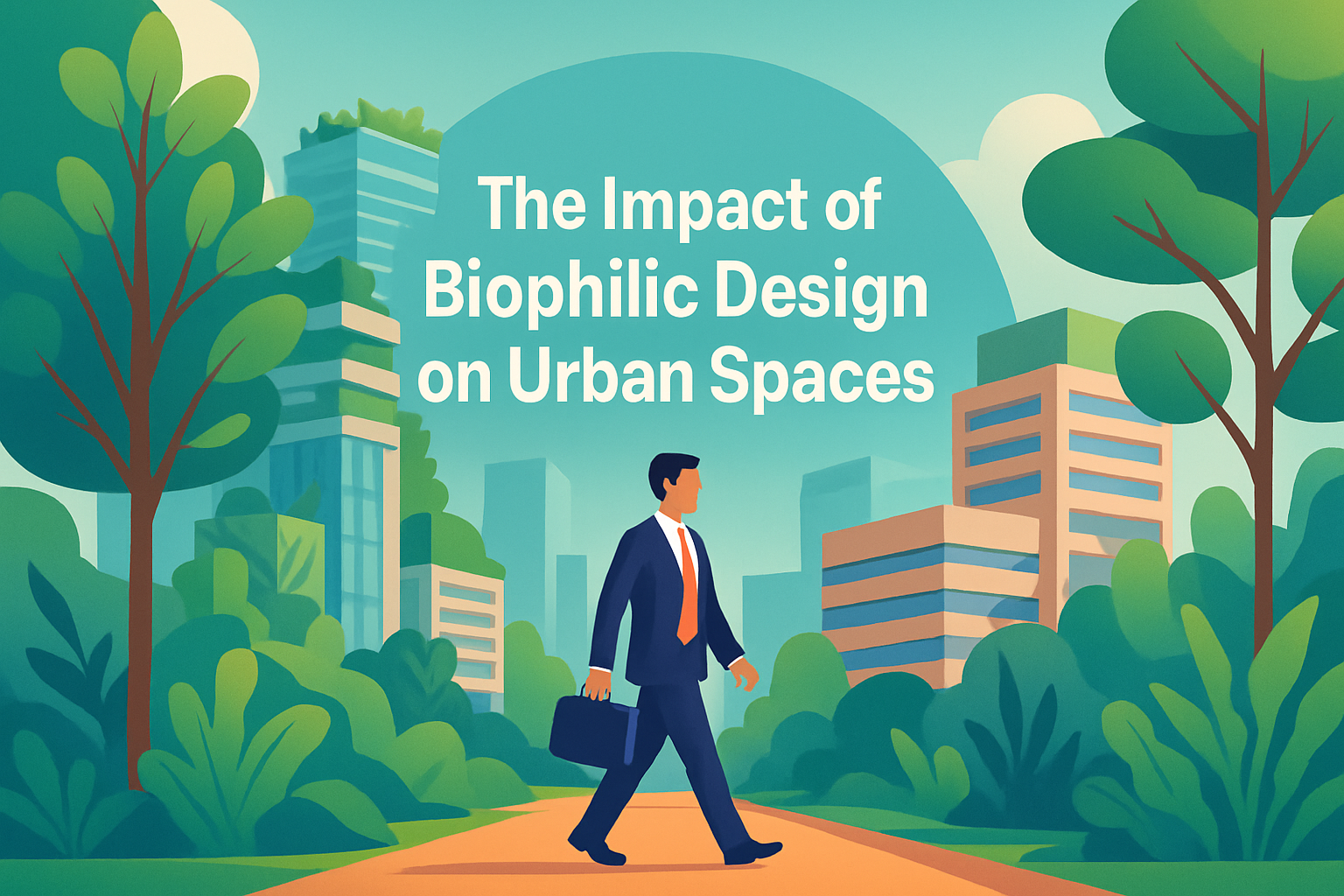
Biophilic design centers around the intrinsic connection between humans and nature, emphasizing that incorporating natural elements into an architectural framework can enhance emotional and psychological well-being. This design philosophy leverages open spaces, natural light, vegetation, water features, and organic materials to foster a sense of tranquility and rejuvenation. As stress and anxiety levels continue to rise in modern, urban lifestyles, integrating natural elements becomes crucial for mental health.
A prime example is the Khoo Teck Puat Hospital in Singapore, which demonstrates biophilic principles impeccably. The hospital integrates lush greenery, water features, and natural ventilation into its layout, creating a healing environment for patients and staff alike. This design has been shown to reduce stress, lower blood pressure, and speed up recovery times for patients.
Ergonomic and Human-centric Spaces
Ergonomics in architectural design focuses on creating spaces that align with human needs and capabilities, minimizing discomfort and enhancing functionality. Homes and workplaces with ergonomic designs can prevent the negative health impacts associated with prolonged periods of standing or sitting, poor lighting, and unsuitable furnishings.
Consider the modern office spaces of tech giants like Google, which are designed with human-centered approaches. These spaces often feature adjustable workstations, standing desks, and communal areas that promote movement and flexibility. Such designs not only enhance employee well-being by reducing physical strain but also foster collaboration and creativity. Consequently, companies see improvements in productivity and job satisfaction.
Sustainable Design for Long-term Wellness
Sustainable design is a fundamental pillar in architectural practices concerning health and wellness. It involves creating built environments that not only minimize negative environmental impacts but also promote a lifestyle of sustainability and health. Techniques include the use of non-toxic, renewable building materials, energy-efficient systems, and designs that encourage declining resource consumption.
A noteworthy example of sustainable architecture is the Bullitt Center in Seattle, often referred to as the greenest commercial building in the world. The Center is a net-positive energy building, meaning it produces more electricity through renewable sources than it consumes. The incorporation of natural daylight, air quality improvements, and non-toxic materials highlights the potential for truly sustainable architecture to support both environmental health and the well-being of its occupants.
- Non-toxic and renewable building materials
- Energy-efficient systems
- Emphasis on indoor air quality
Designing for Mental Health
Architectural design influences not just our bodies but our minds as well. Spaces can profoundly affect mood, behavior, and cognitive function. Designs that prioritize mental health focus on creating environments that reduce psychological stress and promote relaxation and well-being.
Consider the Maggie’s Centres in the United Kingdom, designed for cancer care. These centers are crafted to be welcoming, non-institutional environments that provide solace and support for those undergoing treatment. Features include abundant natural light, peaceful gardens, and private, contemplative spaces, facilitating emotional healing alongside traditional medical care.
Flexible Residential Spaces for Well-being
The concept of flexible living has gained prominence as architecture and lifestyle converge to accommodate diverse life circumstances and multi-generational homes. Flexible designs enable spaces to be adaptable and multifunctional, catering to the varying needs of residents and enhancing quality of life.
For instance, the award-winning apartment building, “La Borda” in Barcelona, implements flexible partitions, social areas, and community gardens to encourage interaction and adaptability. Residents have the freedom to alter their living spaces to suit changing family dynamics and personal preferences, promoting a healthy, communal lifestyle.
Conclusion: Leveraging Architectural Design for a Better Tomorrow
The key takeaways from exploring architectural design for health and wellness paint a clear picture of its significance in modern society. By incorporating biophilic elements, ergonomic and human-centric designs, sustainable practices, and mental health considerations into architectural frameworks, we create environments that support comprehensive well-being. As the global population continues to face the challenges of urbanization, climate change, and evolving health threats, these insights are more applicable than ever.
The benefits extend beyond individual health; they translate into improved productivity, social connections, and environmental responsibility. To harness these advantages, individuals, designers, and policymakers must prioritize well-considered architectural practices in all future endeavors. The simple act of making health and wellness a cornerstone of architectural planning can transform the way we live, work, and interact with our environment.
Let’s commit to fostering these healthier spaces by advocating for and implementing these thoughtful designs in our homes, workplaces, and communities. Together, we can shape a future where the built environment actively enhances human well-being.
Frequently Asked Questions
1. What is architectural design for health and wellness, and why is it important?
Architectural design for health and wellness involves the intentional creation of spaces that contribute positively to the health and well-being of its occupants. This approach acknowledges the profound impact that the built environment—not just the physical structure but also the space’s ambiance—has on our mental and physical states. For example, a well-designed space can alleviate stress, promote physical activity, encourage social interactions, and improve mental clarity. With increased urbanization and sedentary lifestyles, it’s become more important than ever to design spaces that support and enhance our wellbeing. Integrating aspects like natural light, green spaces, efficient ventilation, and noise reduction can immensely elevate the quality of life for the occupants. This is not about adding luxury for its own sake but rather about understanding the practical, everyday needs of people and designing with these in mind, transforming spaces into agents of health.
2. How does the architecture of a building affect our mental health?
The architecture of a building influences mental health in numerous subtle yet significant ways. One key factor is natural light: exposure to daylight helps regulate sleep patterns and improve mood, impacting conditions such as Seasonal Affective Disorder (SAD). The spatial layout also plays a crucial role; open, flexible spaces that encourage interaction and collaboration can reduce feelings of isolation, fostering a sense of community. Meanwhile, the inclusion of nature, either through views of green spaces or indoor plants, can have a calming effect, lowering anxiety and stress levels. Even color schemes can influence mood—warm colors can invigorate, while cooler tones may promote relaxation. Furthermore, building acoustics can affect concentration and stress levels, with well-managed sound environments improving cognitive functions and overall mental wellness. Every architectural decision, from room dimensions to material choices, interrelates with our psychological makeup, underscoring architecture’s immense potential as a tool for enhancing mental health.
3. What are some specific elements that can be included in architectural design to enhance physical wellness?
To enhance physical wellness, architectural design can incorporate various elements. First and foremost, the inclusion of staircases and walking paths encourages movement over using elevators or escalators, integrating incidental exercise into daily routines. Additionally, designing with ergonomics in mind, such as furniture that supports posture and spaces that accommodate adaptive use, can prevent injuries and promote physical health. Creating environments that promote active recreation is another important consideration, with on-site fitness facilities or proximity to parks bolstering physical activity. Furthermore, air quality is crucial—integrating systems and materials that ensure adequate ventilation, filter pollutants, and manage humidity can decrease the incidence of respiratory issues. Thoughtful placement and accessibility to water features can also promote hydration and wellness. Every design decision, from choosing non-toxic building materials to designing user-friendly access points, contributes to a holistic approach to maintaining and encouraging physical health within architectural spaces.
4. In what ways can architectural design incorporate sustainability to benefit health and wellness?
Sustainability and wellness are intrinsically linked, as a sustainably built environment directly impacts health. Utilizing green building practices can lead to healthier spaces—think water and energy efficiency, which reduces the environmental impact and fosters a healthier planet. This extends to healthier indoor air quality, achieved through natural ventilation, non-toxic materials, and plants that improve air purification, reducing harmful exposures and potential chronic health issues. Sustainable practices also often focus on optimizing natural light access, reducing dependence on artificial lighting and enhancing occupants’ circadian rhythms and mood. Additionally, sustainable urban design can reinforce community health by promoting walkable neighborhoods and access to public transport, encouraging a more active lifestyle. The commitment to sustainability in architecture reflects a broader understanding of wellness that includes not only individual health but also the health of our lived environments and communities, ensuring long-term well-being for all.
5. Can architectural design for health and wellness be applied to existing buildings, or is it only effective in newly built structures?
Architectural design for health and wellness can indeed be applied to both existing buildings and new structures. Retrofitting existing buildings with health and wellness in mind is increasingly common and feasible. This may involve renovating or reallocating spaces to optimize natural light, improving ventilation systems to enhance air quality, or incorporating greenery either indoors or nearby. Opportunities exist to upgrade materials to non-toxic alternatives and to create outdoor spaces that encourage movement and community interactions. These adjustments can significantly uplift the health profile of an older building. Likewise, introducing elements like ergonomic furniture or acoustic management systems are practical retrofits that can substantially affect occupant wellness. In essence, the principles of designing for health and wellness don’t adhere strictly to new construction—they can be flexibly adapted to enhance the health potential of existing architecture, transforming spaces to better support contemporary living and health standards. This adaptive approach emphasizes that any building, regardless of age, has the potential to become a force for good in human health and well-being.