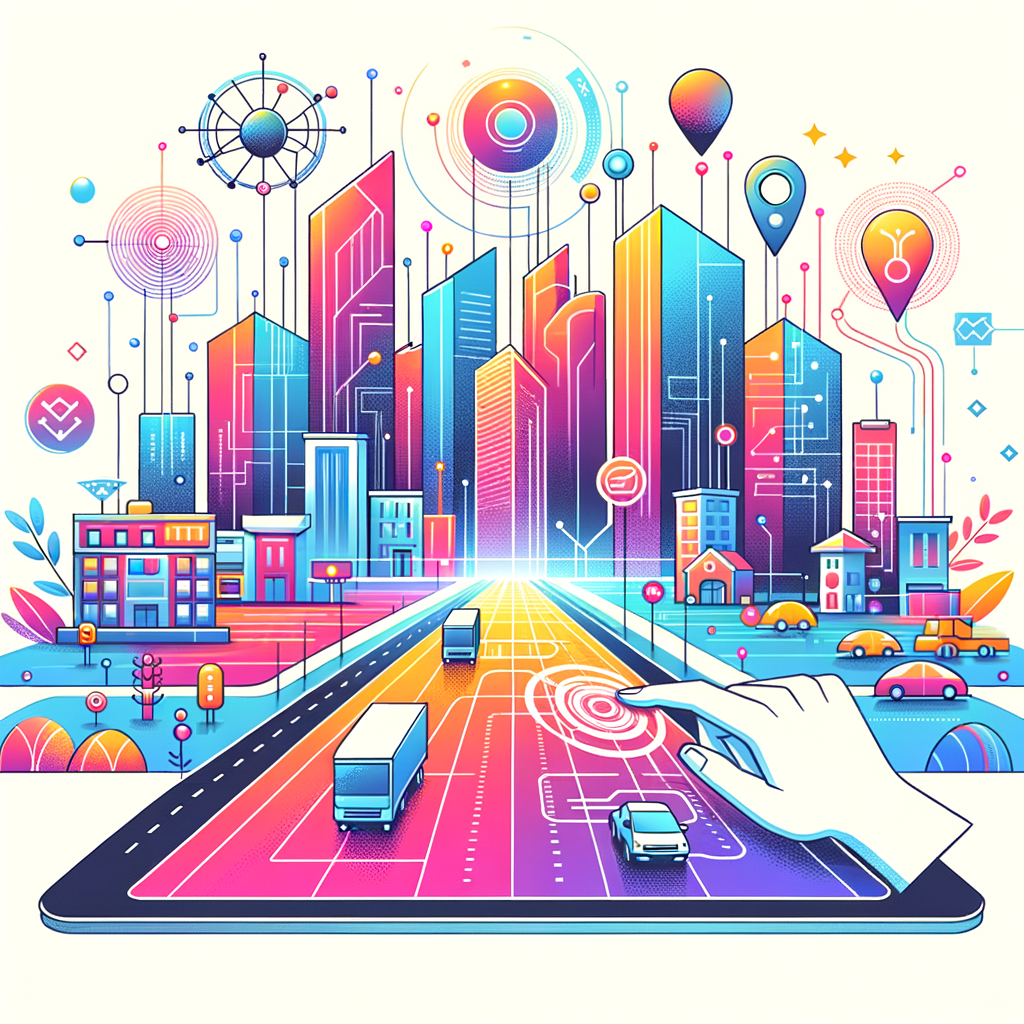
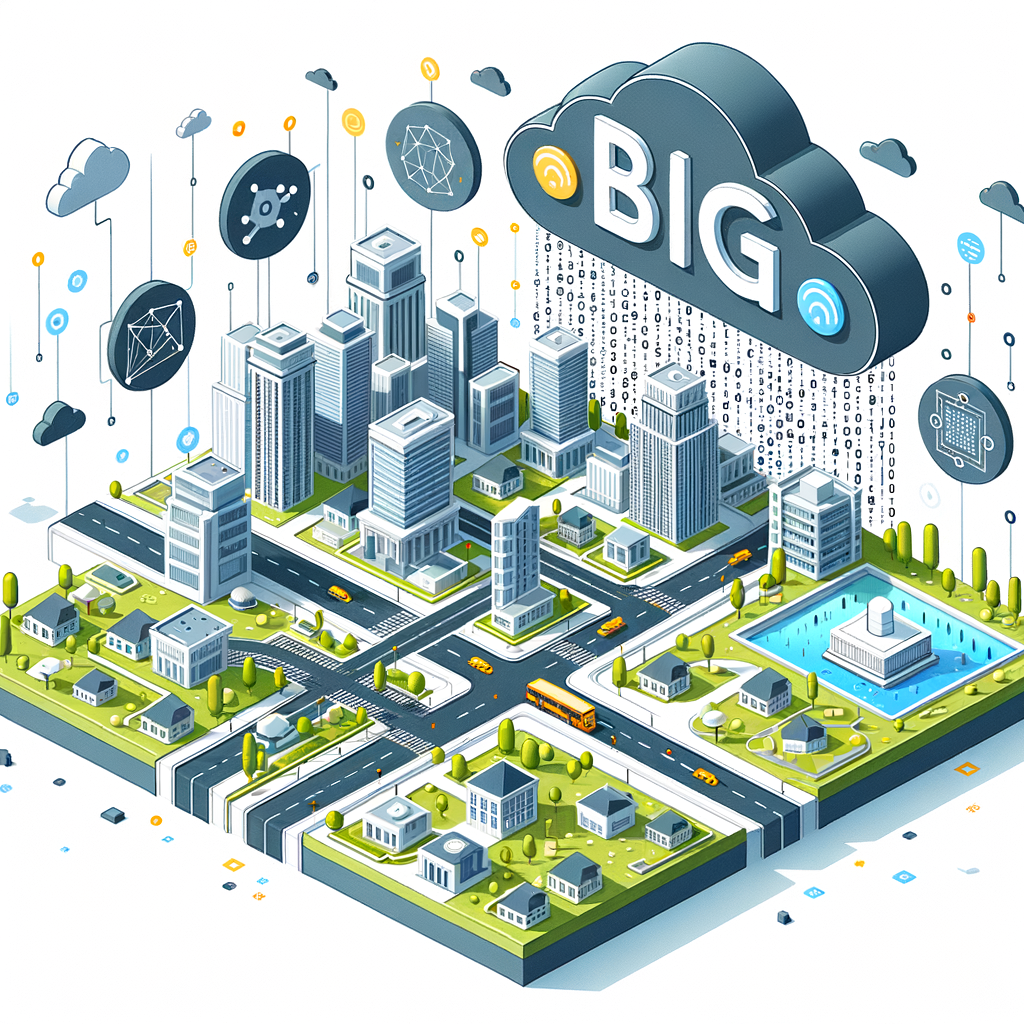
In recent years, the advent of smart cities has emerged as a revolutionary approach to urban development, aiming to enhance the quality of life for citizens while promoting sustainable practices. The concept of smart cities revolves around using technology, data, and intelligent design as pivotal components to drive eco-friendly growth. The rapid urbanization seen globally poses significant challenges such as pollution, resource scarcity, and increased energy demands. These challenges have escalated the need for innovative solutions that balance urban expansion with sustainable development. Smart cities are driven by the integration of Information and Communication Technology (ICT) in every sphere, transforming everyday life by optimizing resource usage, minimizing waste, and reducing carbon footprints. In this context, one cannot overlook their critical role in fostering a sustainable future. This article delves deep into the multifaceted strategies by which smart cities are promoting sustainable development, elucidating the transformative impact on environmental, social, and economic fronts.
Harnessing Technology for Environmental Sustainability
Central to smart cities’ sustainable ethos is the implementation of cutting-edge technology designed to mitigate environmental impacts. At the heart of this transformation lies the Internet of Things (IoT), which facilitates real-time monitoring and management of urban infrastructure. Smart grids, for example, epitomize efficient energy use by adjusting power in response to demand fluctuations, thereby reducing wastage. Meanwhile, renewable energy sources such as solar and wind are seamlessly integrated into urban power systems, making clean energy more accessible.
Another key element is smart waste management systems, which utilize sensors in waste bins to optimize collection routes and schedules, reducing unnecessary vehicle emissions. These systems promote recycling and efficient waste disposal through data-driven insights, significantly minimizing landfill contributions.
Moreover, smart cities are increasingly adopting vertical gardens and green buildings that utilize sustainable materials and energy-efficient systems, including advanced HVAC technologies and insulation to reduce energy consumption. Such initiatives not only mitigate urban heat island effects but also enhance biodiversity through green spaces.
Water management is another critical aspect where smart cities are leading the way in sustainability. Advanced monitoring systems detect leaks, prevent water wastage, and ensure efficient distribution, safeguarding water resources for future generations.
Transportation Innovation and Sustainability
Transportation is at the forefront of smart city innovations, transforming how citizens commute and contributing significantly to sustainability goals. A primary element in this endeavor is the development of intelligent public transportation systems. Integrated schedules, real-time tracking, and dynamic routing vastly improve efficiency, encouraging more citizens to adopt public transportation instead of personal vehicles.
Electric vehicles (EVs) represent a cornerstone of sustainable transportation in smart cities. By constructing comprehensive charging infrastructure and offering incentives, cities are catalyzing a transition away from fossil fuel-dependent vehicles. Coupled with this is the deployment of autonomous vehicles, which promise to enhance traffic flow and reduce accidents, thereby optimizing road usage and decreasing emissions.
Smart cities also prioritize pedestrian and cycling infrastructure, promoting eco-friendly and health-enhancing travel. Well-designed pedestrian-friendly areas and extensive cycling networks reduce vehicular congestion and pollution, contributing to cleaner air and improved urban living conditions.
Data-Driven Urban Planning
Data analytics play a pivotal role in planning and decision-making processes within smart cities, ensuring sustainable urban development. By collecting and analyzing vast amounts of data, city planners gain invaluable insights into urban dynamics, resident needs, and infrastructure efficiency.
Through data-driven urban planning, cities can anticipate and respond to growth patterns, strategically deploying resources to areas needing development while avoiding overburdening existing infrastructure. Predictive analytics allow for proactive maintenance of public facilities, extending their lifespan and reducing resource consumption.
In addition, smart zoning laws can be tailored to accommodate mixed-use developments, reducing the need for long commutes and promoting community engagement. These laws, guided by data, ensure balanced development, preserving green spaces and minimizing environmental impacts.
Enhancing Quality of Life Through Smart Solutions
Smart cities are not merely about technological advancement; they focus on improving residents’ quality of life, fostering vibrant, sustainable communities. IoT-enabled smart homes offer energy-efficient appliances, monitoring systems, and automation capabilities, empowering residents to minimize their carbon footprint. Energy savings translate to reduced utility bills, offering financial benefits alongside environmental ones.
Furthermore, smart cities utilize intelligent lighting systems in public areas that adjust according to pedestrian presence and time of day, increasing energy efficiency while maintaining safety standards. These systems are complemented by advanced surveillance and emergency response technologies, ensuring a secure living environment.
Citizen engagement platforms within smart cities empower individuals to participate in governance and urban development, fostering a sense of ownership and accountability. Through these platforms, residents can report issues, access real-time information, and collaborate on community projects, creating an inclusive, engaged, and sustainable society.
Economic Advantages of Smart Sustainable Development
Smart cities not only prioritize environmental sustainability but also offer substantial economic benefits. By utilizing technology and data-driven approaches, cities can reduce operational costs, streamline public services, and boost economic productivity. Investments in smart infrastructure catalyze job creation within tech and environmental sectors, fostering economic growth.
Sustainable urban environments attract businesses and tourists seeking eco-friendly and innovative locales, enhancing economic vitality. Smart city initiatives also encourage the growth of start-ups focusing on sustainable technologies, reinforcing a cycle of innovation and economic resilience.
Moreover, smart cities drive efficiency in service deployment, reducing costs associated with energy, waste management, and transportation. These savings can be redirected towards education, healthcare, and social services, further elevating the community’s standard of living.
Conclusion
In conclusion, the integration of smart city technologies presents a comprehensive approach to overcoming the intrinsic challenges posed by rapid urbanization while promoting sustainable development. By leveraging technological innovation, data analytics, and community engagement, smart cities significantly enhance environmental conservation efforts, improve transportation systems, and foster economic growth. As these urban centers evolve, they not only emerge as beacons of sustainability but also serve as blueprints for future urban planning across the globe.
As we move forward, the continued collaboration between policymakers, technologists, and citizens is paramount in realizing the full potential of smart cities. Such collaboration will ensure that sustainable practices continue to be at the forefront of urban development, ultimately resulting in a higher quality of life for all and a sustainable legacy for future generations. By embracing the principles embodied in smart cities, societies worldwide can forge an innovative, resilient, and sustainable path forward, harmonizing urban development with the health of our planet.