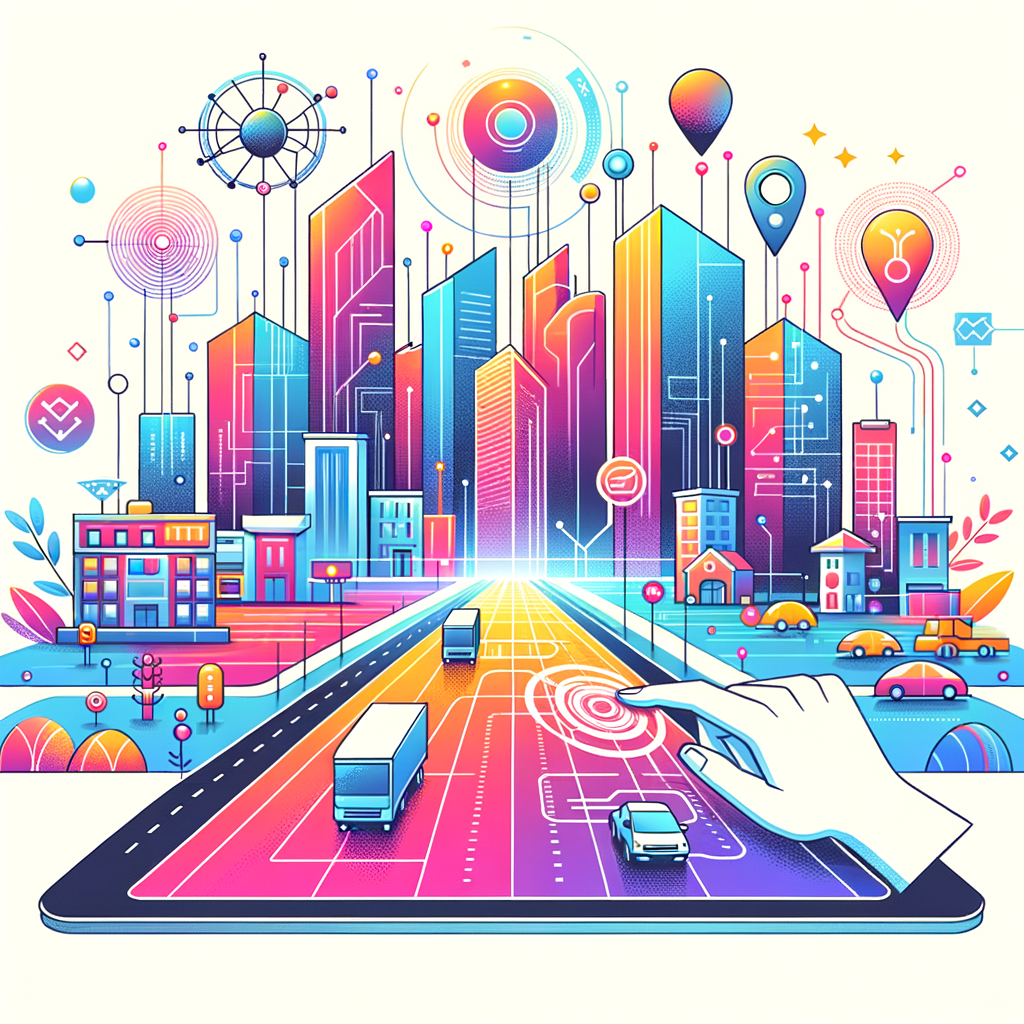
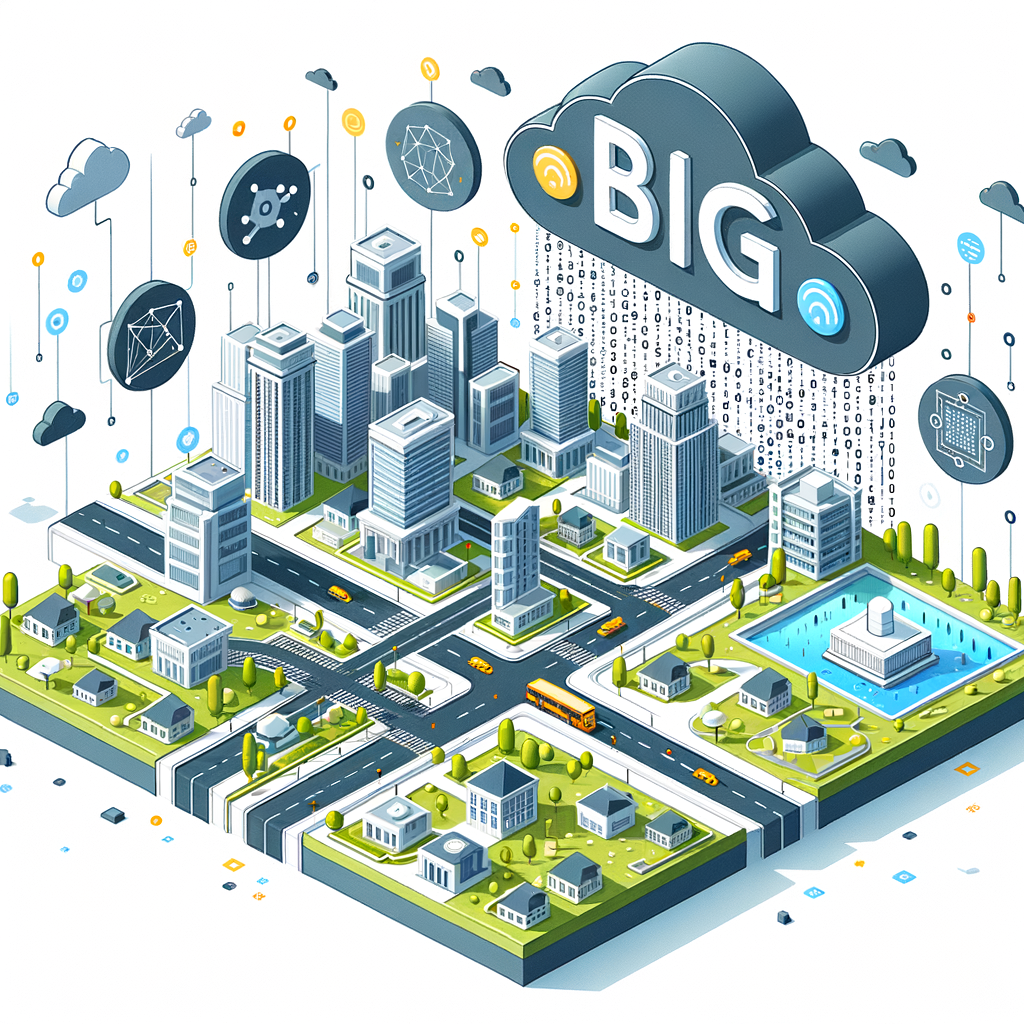
Modern urban living is undergoing a paradigm shift, primarily fueled by the integration of smart home technologies. As cities become more densely populated and technology continues its rapid advance, the need for efficient, sustainable living has never been more paramount. Urban residents grapple with a range of challenges, from constrained living spaces and high energy consumption to the constant bustle of hectic city life. In this context, smart home technologies are shaping a new urban lifestyle, offering solutions that promise enhanced convenience, safety, and energy efficiency.
Smart homes employ cutting-edge tools like the Internet of Things (IoT), AI-powered systems, and connectivity platforms to bring seamless automation and control to a resident’s fingertips. These technologies are redefining how city dwellers interact with their living spaces, transforming mundane environments into highly responsive ecosystems that anticipate and respond to inhabitants’ needs. In essence, smart home technologies are not merely augmentative but are becoming foundational components of urban living. This article delves deeply into the myriad impacts smart home technologies are having on urban lifestyles, focusing on their role in revolutionizing home management, optimizing energy usage, enhancing security and safety, and supporting overall urban sustainability.
The Transformation of Home Management
One of the most profound impacts of smart home technologies is their transformation of home management. Traditionally, controlling the various components of a home would require manual input and physical presence. Now, thanks to smart home devices, urban residents have unprecedented control over their homes. For instance, systems like smart thermostats, lighting controls, and home automation hubs can be managed remotely via smartphones or voice commands. This enables homeowners to adjust lighting levels, manage temperatures, or even activate home appliances from anywhere in the world, ensuring that their homes are not only comfortable but also aligned with their daily rhythms and schedules.
Beyond individual convenience, these systems facilitate enormous time savings and reduce the cognitive load of home management. Smart home applications routinely learn users’ preferences, offering intelligent scheduling and automation which adjust to routine behaviors without additional input. The hallmark of this change is the shift towards proactive home management which results in homes running more efficiently, predictively managing resources, and avoiding wastage. This all-encompassing integration is ushering in a new age where homes are responsive entities that serve human needs almost intuitively.
Optimizing Energy Use and Promoting Sustainability
Urban environments are notorious for their high energy consumption, leading to increased greenhouse gas emissions—a major environmental concern. Smart home technologies provide urban residents with tools to significantly curb energy use, reducing both environmental impact and utility costs. Smart meters and connected appliances provide detailed insights into energy usage patterns, empowering homeowners to make informed decisions about their consumption. Devices like smart thermostats intelligently optimize heating and cooling cycles, ensuring that energy is only used when necessary. By enhancing energy efficiency, these devices not only lower energy bills but also contribute meaningfully to a city’s sustainability goals.
Moreover, smart energy systems are closely linked with renewable energy solutions. Solar panels and home batteries can be integrated into the smart grid, allowing homeowners to generate and store their own energy, further optimizing the use of resources. Energy management systems can automatically redirect excess power back into the grid, providing economic benefits through feed-in tariffs, while simultaneously contributing to a greener urban environment. The ability to precisely measure and control energy usage is fundamental to smart city initiatives that are providing blueprints for sustainable urban living.
Enhancing Security and Safety
Safety and security are paramount in urban living spaces, where anonymity and density can sometimes lead to heightened vulnerabilities. Smart home technologies are drastically improving residential security standards. Smart security systems now offer features such as real-time surveillance, remote monitoring, and mobile alerts. Residents can monitor live security footage, easily lock or unlock doors from afar, and receive alerts instantly in the event of suspicious activity. Surveillance cameras equipped with artificial intelligence can even recognize familiar faces and hesitate on unfamiliar ones, providing a more secure home environment.
On the front of personal safety, sensors and smart detectors play a crucial role. Devices such as smoke detectors, carbon monoxide monitors, and leak detectors are essential in providing real-time warnings of potential domestic hazards. These systems are often interconnected with the wider smart home infrastructure, enabling them to take preventive actions, such as shutting off gas supply in response to a leak. This proactive approach significantly mitigates risks and enhances the safety of urban households, affording residents peace of mind.
The Role of Smart Homes in Improving Urban Sustainability
In cities striving to become ‘smart cities’, embedding smart home technologies is a cornerstone strategy to achieving broader urban sustainability goals. These technologies not only deliver direct environmental benefits through reduced energy consumption but also serve as data nodes feeding into larger smart city ecosystems. By providing real-time data on everything from energy consumption patterns to air quality measures, smart homes are instrumental in generating the insights necessary for smarter urban planning and sustainable urban growth.
Moreover, the interconnected nature of smart systems offers new avenues for shared community resources, such as communal energy trading and resource sharing systems on a neighborhood level. Reimagining urban living within the framework of smart technologies is an essential discussion in creating sustainable and resilient cities that can support burgeoning urban populations while minimizing ecological footprints.
Addressing the Challenges of Smart Home Integration
Despite their far-reaching benefits, smart home technologies are not without challenges. Integrating these systems into urban infrastructures can face hurdles ranging from the cost of technology acquisition to the potential risks concerning cybersecurity and data privacy. While initial installation and equipment can be expensive, economies of scale and technological evolution are gradually making smart home devices more accessible and affordable for urban dwellers.
In terms of cybersecurity, the interconnected nature of smart devices makes them potential targets for cyber-attacks, posing risks to user privacy and safety. However, industry standards and regulatory measures are continuously evolving to bolster cybersecurity frameworks and safeguard users’ data. Keeping software up to date and employing strong password protocols are crucial steps to mitigating these risks. Meanwhile, innovative solutions are always on the horizon, with companies striving to improve security protocols and develop fault-tolerant systems.
Conclusion
Smart home technologies are revolutionizing urban living by catering to the increasingly complex demands of modern city life. They offer unparalleled levels of convenience, security, energy efficiency, and sustainability, which are especially critical in densely populated urban areas. As smart technologies continue to integrate and evolve, they will undoubtedly further transform the urban landscape, setting standards for the next generation of urban development.
The potential of smart home technology extends beyond individual households, contributing to the shaping of entire smart cities where infrastructures, services, and residences work harmoniously together to enhance the quality of life while promoting ecological responsibility. Although challenges such as cost and security concerns remain, ongoing advancements and an increasing focus on creating smart, secure technology solutions ensure that the benefits continually outweigh the drawbacks.
For urban dwellers, the promise of smart home technologies lies in their potential to redefine how we live, interact, and interpret our living environments, offering a blueprint for a comfortable, efficient, and sustainable urban future. With all these profound benefits and continuing innovation, smart home technologies are undoubtedly setting the stage for a new epoch in urban living.