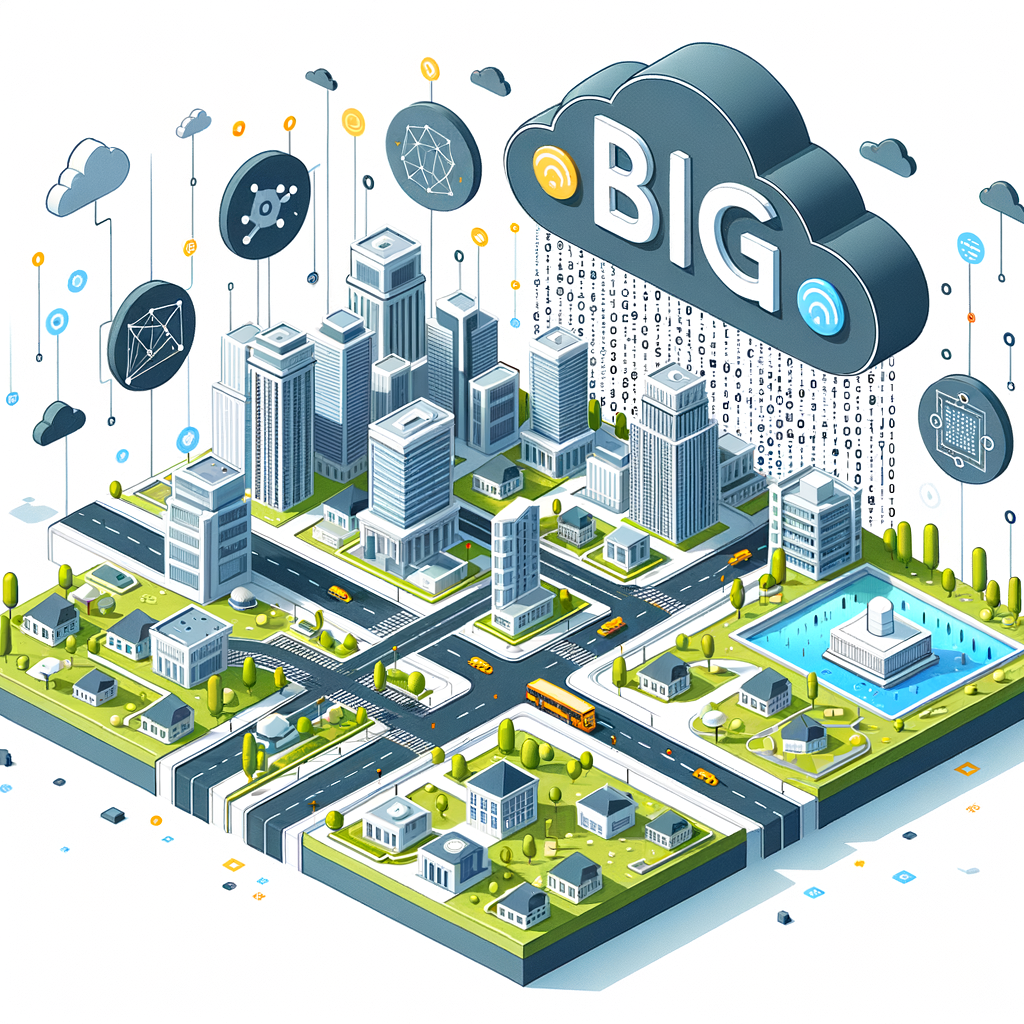
As urban populations continue to swell, the concept of smart cities rises prominently on the policy agenda, promising enhanced sustainability, efficiency, and quality of life. At the core of smart city development lies the intricate interplay of advancing technologies, among which edge computing plays a pivotal role. Edge computing acts as an enabler of real-time data processing by performing calculations near the data source rather than in a remote cloud environment. This approach is particularly valuable in managing the vast data requirements of a connected urban ecosystem. The significant growth of the Internet of Things (IoT) devices in urban environments, demanding seamless connectivity and instantaneous data processing, underscores the necessity of edge computing. Through strategically distributed data computation closer to originating devices, edge computing tackles latency issues and boosts the reliability of smart city services. This inaugural overview will illuminate the fundamental importance of edge computing within the infrastructure of smart cities, illustrate its manifold applications, as well as explore its advantages and challenges. By understanding this technological frontier, stakeholders can better navigate the urban evolution toward smarter cities.
Edge Computing: The Backbone of Smart Cities
Edge computing is integral to the operation of a smart city by acting as the fulcrum of data processing and management. In essence, edge computing involves deploying computing resources closer to the location where data is generated. This results in decreased latency, enhanced data security, and reduced bandwidth usage. With vast amounts of data constantly being generated by smart city sensors, cameras, and IoT devices, swift processing is imperative for real-time applications such as traffic control systems, emergency response services, and energy distribution management. By leveraging edge computing, smart cities can ensure that these critical systems operate efficiently without the lag often associated with cloud-based processing.
In contrast to traditional cloud computing, where data processing occurs in centralized data centers potentially located far from the data source, edge computing facilitates near-instantaneous data analysis by localizing computation. This decentralization is vital in urban environments where delays can equate to inefficacies or even endangerment. Vehicles equipped with automated systems, for instance, require instantaneous data processing to ensure safety and fluidity in traffic management. Similarly, edge computing supports real-time surveillance infrastructure, employing intelligent video analytics at the edge to maintain urban safety and security proactively rather than reactively.
Applications and Benefits of Edge Computing in Smart Cities
Edge computing is directly applicable across various segments of a smart city’s architecture. One notable application is in intelligent transportation systems (ITS). By utilizing edge computing, these systems can process data in real-time from a multitude of sources, including vehicle sensors, traffic cameras, and smart traffic lights. This enables adaptive signal control, dynamic rerouting, and congestion management, optimizing traffic flow and minimizing carbon emissions. As communication between vehicles and infrastructures becomes increasingly reliant on rapid data exchange, a responsive edge infrastructure supports the futuristic vision of connected vehicle ecosystems.
Moreover, edge computing serves an invaluable role in enhancing smart energy management within cities. Smart grids, utilizing edge computing, can seamlessly integrate renewable energy sources, optimize energy distribution, and monitor consumption patterns. By processing data near energy appliances, cities can reduce energy loss, enhance supply reliability, and accelerate response to power outages or demand surges. The shift to localized energy management contributes to sustainability goals, supporting both environmental initiatives and cost-efficiency for residents and businesses alike.
Public safety and emergency management also greatly benefit from edge computing. In smart cities, a network of surveillance cameras, environmental sensors, and citizen reporting systems can culminate vast data streams. Through edge processing, emergency responders and city officials can receive real-time analytics, providing a coherent situational picture promptly. This ensures quicker response times and strategic resource deployment during emergencies, from natural disasters to urban crimes.
Challenges and Solutions in Implementing Edge Computing
While edge computing offers significant advantages, the journey to its implementation is not without obstacles. A primary challenge lies in the complexity and cost of deploying and maintaining an extensive network of edge devices capable of processing vast data volumes consistently. The infrastructure demands robust investment and coordination among a wide array of stakeholders, including local governments, technology providers, and urban planners.
Security is another pressing issue in the implementation of edge computing frameworks. As cities deploy more connected devices, each node presents an additional point of potential vulnerability to cyber threats. Developing robust security protocols and ensuring data integrity and privacy is paramount. Addressing these concerns involves collaborative efforts in standardizing security measures and fostering innovation in cybersecurity technologies to protect the ecosystem.
Interoperability between legacy systems and new edge technologies further poses a challenge. Smart cities often need to integrate existing infrastructure with cutting-edge technologies pragmatically. To mitigate this issue, cities can adopt open-architecture frameworks that promote scalability and adaptability, allowing seamless integration with future technological advancements.
Conclusion
The paradigm shift toward smart urban environments necessitates innovative frameworks that enable proactive, efficient, and sustainable city management. Edge computing stands as a transformative technological advancement crucial to the realization of such smart cities. By enabling real-time data processing and addressing critical urban challenges like traffic congestion, energy sustainability, and public safety, edge computing facilitates the creation of more livable, secure, and efficient urban areas.
The road to widespread edge computing adoption in smart cities is strewn with challenges such as infrastructure costs, security concerns, and system interoperability. However, strategic partnerships between technology developers, city planners, and government bodies can surmount these obstacles. Through collaborative efforts, cities can harness the full potential of edge computing, significantly enhancing the resilience and adaptation of urban spaces in an era marked by rapid digital transformation.
As more cities transition into smart ecosystems, edge computing will undoubtedly play an increasingly essential role in orchestrating the seamless operation and management of these intricate urban networks, making them smarter and more responsive to the needs of their inhabitants. The growing body of successful implementations validates the critical function of edge computing in engineering the cities of the future.
Frequently Asked Questions
1. What is edge computing, and how does it integrate into smart cities?
Edge computing is a distributed computing paradigm that processes data at the edge of the network, near the source of data generation, such as sensors or IoT devices, rather than relying on a centralized cloud-based system. This localized processing helps reduce latency, increase processing speed, and improve reliability in data exchanges. In the context of smart cities, edge computing plays an integral role by supporting a wide range of applications, from traffic management systems and energy usage optimization to public safety enhancements and environmental monitoring.
Smart cities are sprawling ecosystems with a variety of interconnected systems and devices that generate vast amounts of data continuously. By employing edge computing, these cities can efficiently handle and analyze this data in real-time. For instance, in traffic management, edge computing can help analyze video feeds from surveillance cameras to optimize traffic light cycles, thereby reducing congestion and improving commute times. The real-time decision-making capability of edge computing platforms is essential in creating responsive, efficient city systems that meet the needs of growing urban populations.
2. How does edge computing enhance sustainability in smart cities?
Edge computing enhances sustainability in smart cities by efficiently managing resource consumption and reducing carbon footprints. One of its key advantages is minimizing data latency, which is crucial for the effective management of utilities such as water, electricity, and waste systems. For example, smart energy grids use edge computing to process and analyze data from multiple sensors across the network, allowing for rapid decisions about energy distribution and consumption patterns. This helps prevent energy waste and facilitates the integration of renewable energy sources into the grid.
Moreover, edge computing enables smart waste management systems that optimize collection routes and schedules based on the real-time status of waste bins—reducing unnecessary truck emissions and lowering fuel consumption. In building management, edge computing supports the real-time monitoring and adjustment of heating, ventilation, and air conditioning (HVAC) systems, improving energy efficiency and reducing overhead costs. By managing data locally, these systems become more responsive and better able to adapt, which ultimately contributes to the sustainability goals of smart cities.
3. What role does edge computing play in improving quality of life in smart cities?
Edge computing significantly contributes to improving the quality of life in smart cities by enhancing safety, accessibility, and livability. For instance, edge computing supports advanced surveillance systems that provide swift analytics and alerts for real-time crime prevention, making cities safer for residents. It empowers emergency services with instantaneous data processing capabilities, which can be the difference in life-and-death situations, such as faster response times during accidents or natural disasters.
In addition to safety, edge computing is pivotal in enhancing public transportation systems. Real-time data processing allows for dynamic scheduling and routing of buses and trains, minimizing wait times and improving reliability. This makes public transport systems more user-friendly and encouraging their adoption over private vehicle usage, which reduces traffic congestion and pollution.
Real-time environmental sensors leveraging edge computing can also provide instant data on air quality, noise levels, and other environmental factors that affect human health and well-being. This real-time monitoring helps city planners and policymakers take proactive measures to address environmental challenges and improve urban living conditions. Furthermore, by introducing smart lighting, surveillance, and traffic systems, edge computing directly influences and supports the development of a more connected, comfortable, and responsive urban environment.
4. How does edge computing address data security and privacy concerns in smart cities?
Security and privacy concerns are prominent in smart city deployments due to the massive volumes of sensitive data generated and processed. Edge computing addresses these concerns by transferring data locally, reducing the need for sensitive information to traverse over external networks and potentially insecure channels to a central data center or cloud. This localized management lowers the probability of data breaches and unauthorized access.
Moreover, edge computing processes can be embedded with advanced encryption and authentication protocols, providing robust protection to confidential information. For example, smart city applications in healthcare that monitor patients’ vitals remotely can securely process data at the edge, keeping sensitive health information from being transmitted over public networks and maintaining patient confidentiality.
Incorporating edge computing helps minimize the ‘attack surface’ available to cybercriminals by limiting the pathways data travels through, ensuring that security measures can be stationed more robustly and closely monitored at local levels, possibly deterring potential attacks. The ability to update and manage security protocols and firmware at edge nodes simplifies the enforcement of the latest cybersecurity practices across the smart city’s infrastructure. Thus, edge computing stands as a formidable ally in safeguarding data security and user privacy in smart cities.
5. What are the challenges associated with implementing edge computing in smart cities?
While edge computing is instrumental in enabling the seamless functioning of smart cities, several challenges may arise in its implementation. A significant challenge involves hardware constraints, as numerous edge devices need to handle high processing loads with limited computational resources and power. Ensuring that these devices are equipped with the capabilities to manage complex analyses and updates is crucial in deploying efficient edge computing infrastructures.
Data interoperability and integration pose another obstacle, as smart city ecosystems consist of a diversity of devices with different communication protocols. Ensuring seamless interaction among these disparate systems require robust programming and design techniques, as well as standardized communication frameworks.
Network connectivity can present additional hurdles; while edge devices minimize dependency on central networks, they still require connectivity for updates, synchronization, and comprehensive data aggregation. Network outages or disruptions can impede the functionality of edge systems, challenging their reliability. Another issue is the scalability of edge computing solutions to accommodate the rapidly growing and changing landscape of smart cities. Infrastructure flexibility must be maintained to adapt to technological advancements and evolving city needs.
Finally, the economic aspect plays a critical role when considering the broad deployment of edge computing systems within urban environments. Implementing and maintaining these systems can involve high costs, necessitating budget considerations from city planners and stakeholders to establish efficient procurement strategies. Addressing these challenges thoughtfully ensures that edge computing can be successfully harnessed to optimize smart city initiatives.