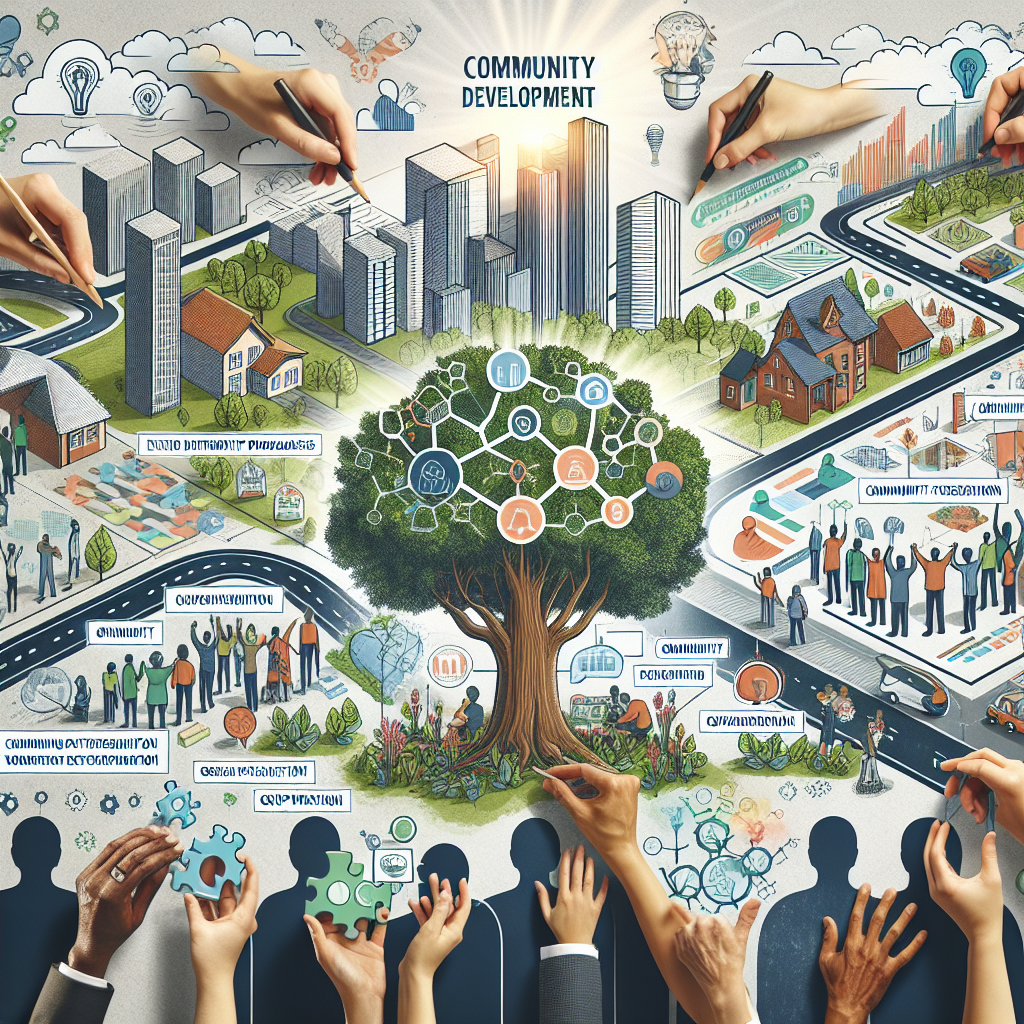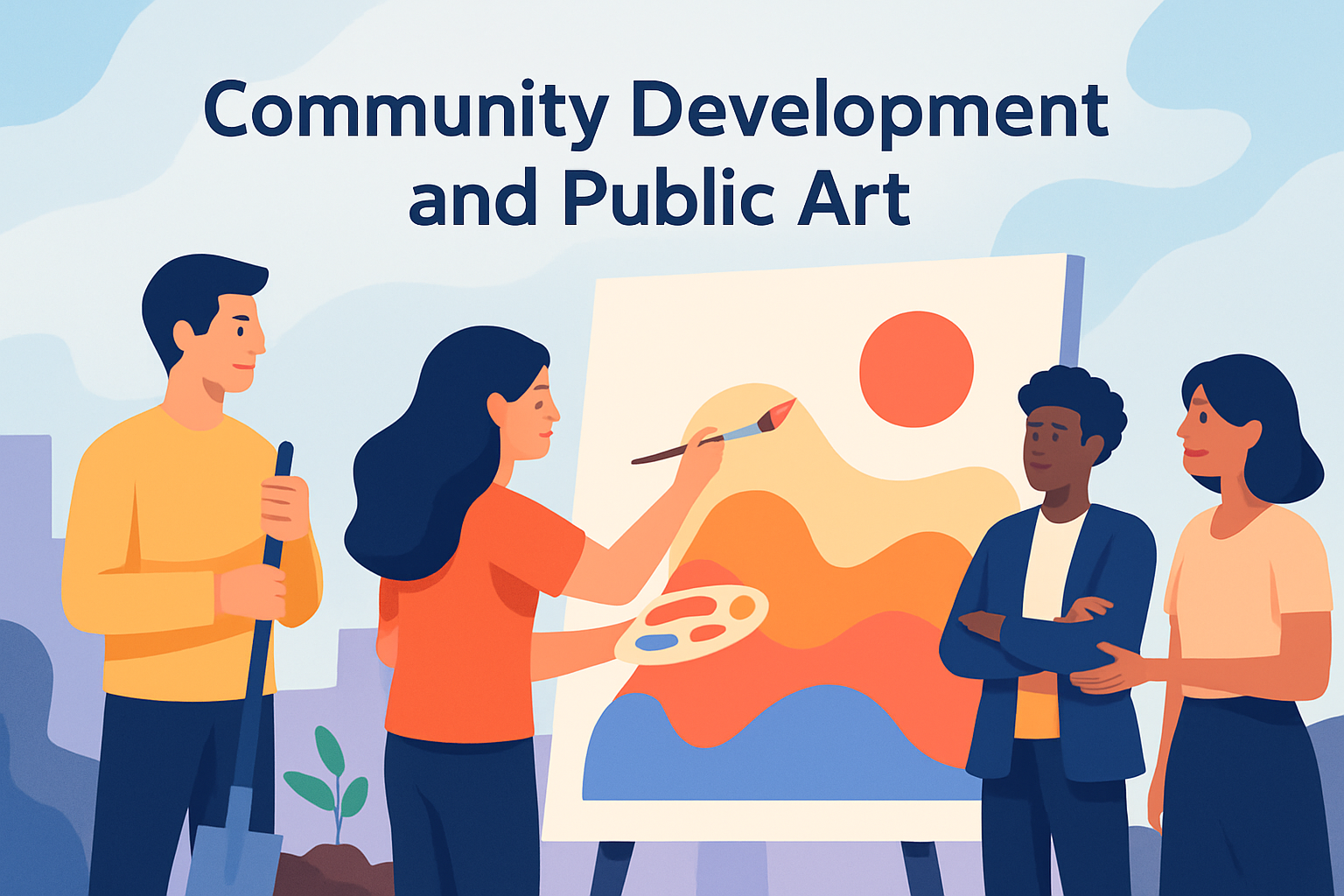
Community development and public art are interwoven components in urban planning that profoundly impact the fabric of society. When utilized effectively, they can revitalize neighborhoods, strengthen social bonds, and stimulate economic growth. Public art encompasses a wide range of creative expressions such as murals, sculptures, and installations accessible to all community members. Community development, on the other hand, focuses on enhancing the well-being of residents through improved living conditions, economic opportunities, and social cohesion. Together, these elements can transform a community by reflecting its identity and encouraging civic engagement.
Understanding the significance of public art in community development is vital for stakeholders in housing and urban planning. As towns and cities evolve, public art plays a crucial role in creating spaces that foster pride and connectivity among residents. By integrating artistic endeavors with community development strategies, urban planners and community leaders can facilitate inclusive growth, preserve cultural heritage, and inspire future generations to participate actively in shaping their environment.
The Role of Public Art in Urban Spaces
Public art plays a pivotal role in enhancing urban spaces by making them more visually appealing, engaging, and accessible. Vibrant murals, striking sculptures, and interactive installations can transform mundane environments into lively cultural hubs. As cities expand, maintaining a sense of character and identity becomes increasingly challenging, but public art provides an avenue to preserve and reflect the unique cultural nuances of a community. Through strategic placement in parks, streets, and community centers, public art acts as a beacon of creativity and inspiration for residents and visitors alike.
Community Engagement Through Public Art
Public art is more than just a decorative element; it serves as a platform for community engagement and interaction. Involving local artists and residents in the creation process fosters a sense of ownership and pride in the resulting work. Collaborative projects, such as community murals, encourage dialogue and cooperation among diverse groups, leading to stronger social ties and increased community cohesion. Furthermore, participatory public art projects empower individuals by giving them a voice and an opportunity to contribute to their surroundings actively.
Economic Benefits of Public Art With Community Development
Integrating public art into community development can yield significant economic benefits. Attractive public spaces draw tourists and encourage local business growth by increasing foot traffic and consumption. The presence of public art in a community can boost property values and improve the overall perception of an area, attracting further investment and revitalization. Additionally, public art projects create jobs for local artists, designers, and craftspeople, contributing to the economic vitality of the community. Art festivals, exhibitions, and workshops can further bolster the local economy by promoting cultural tourism and attracting visitors from far and wide.
| Economic Impact | Public Art Example |
|---|---|
| Boosts Property Values | Murals in Miami’s Wynwood Art District |
| Increases Tourism | Art Basel in Basel, Miami Beach, and Hong Kong |
| Stimulates Local Business | Sculpture installations in Philadelphia’s Magic Gardens |
Fostering Cultural Identity Through Public Art
Public art has the power to preserve and promote cultural identity by highlighting the unique stories, traditions, and values of a community. Through sculptures, murals, and other installations, public art provides a medium for communities to express their history and aspirations. This cultural representation strengthens community pride and enables residents to connect with their heritage and share it with others. Successful public art projects often reflect the diverse cultural tapestry of a community, celebrating its rich history and paving the way for an inclusive future.
Case Study: The Transformation of Philadelphia’s Magic Gardens
The Philadelphia’s Magic Gardens is a unique example of how public art and community development can transform a neighborhood. Created by artist Isaiah Zagar, this immersive art environment spans half a city block and is constructed from mosaics of tiles, glass bottles, mirrors, and other found objects. Once considered a blighted area, the installation injected new life into the neighborhood by attracting art enthusiasts and tourists. Local businesses benefited from increased foot traffic and economic opportunities, leading to further investment and revitalization. This case study exemplifies how public art can act as a catalyst for community development, economic revitalization, and cultural appreciation.
Overcoming Challenges in Public Art and Community Development
While the benefits of public art in community development are substantial, there are challenges to consider. Funding can be a significant barrier, as public art often relies on grants, donations, and government support. Additionally, navigating permitting processes and securing appropriate spaces for installations can pose hurdles for artists and community leaders. To overcome these obstacles, stakeholder collaboration, community input, and strategic planning are essential. Establishing clear goals and a shared vision can help guide projects to successful fruition, resulting in meaningful public art that enhances the community.
Strategies for Integrating Public Art into Urban Planning
For public art to be effectively integrated into urban planning, a comprehensive strategy that involves stakeholders at all levels is necessary. Planners, artists, community leaders, and residents should collaborate to identify locations, themes, and methods that resonate with the community. Public art should be incorporated into the early stages of urban development to ensure cohesive design and integration. Moreover, maintaining and preserving public art after its creation is essential to sustaining its impact over time. Regular evaluations and community feedback can help guide adjustments and necessary improvements, ensuring that public art remains a vibrant and integral aspect of community development.
- Collaborate with local artists and residents for inclusive projects.
- Seek diverse funding sources, including private, public, and nonprofit sectors.
- Incorporate public art into city planning and architecture from the start.
- Develop maintenance plans for long-term sustainability.
The Future of Public Art in Community Development
The evolution of public art and community development is shaping the future of urban spaces. Technological advancements, such as digital and interactive art, broaden the possibilities for public art installations. These innovations engage audiences in new ways while making art more accessible to a broader demographic. As cities continue to grow and change, public art will remain a key element in fostering dynamic, inclusive, and resilient communities. Through collaboration, creativity, and commitment, communities can harness the transformative power of public art to cultivate environments that enhance quality of life for all.
Conclusion
In conclusion, public art is an invaluable component of community development, offering cultural, social, and economic benefits that enrich the urban landscape. By fostering collaboration among artists, planners, and residents, communities can harness the power of public art to revitalize neighborhoods, celebrate cultural heritage, and promote civic pride. The integration of public art into urban planning encourages inclusive growth and paves the way for vibrant, interconnected spaces that enhance the quality of life for all community members.
HomeSight.org invites readers to explore the diverse potential of public art in community development and consider how it can be incorporated into future urban planning projects. Embrace the opportunity to collaborate with local artists and engage with your community to create public art that reflects shared values and aspirations. By doing so, you will contribute to shaping dynamic, thriving communities that celebrate diversity and inspire future generations.
Frequently Asked Questions
1. What is the relationship between community development and public art?
The relationship between community development and public art is deeply intertwined. Community development is a multifaceted approach aimed at improving the quality of life for residents in a particular area. It includes efforts to create better housing, build infrastructure, and foster economic opportunities. Public art becomes an integral part of this process because it helps to shape the cultural and aesthetic environment of a community. Using murals, sculptures, and art installations, public art can transform mundane spaces into inspiring places. It not only beautifies neighborhoods but also stimulates community pride, encourages social interaction, and can promote tourism, which in turn may drive local economic growth. Therefore, public art plays a critical role in community development by enhancing the environment, fostering community engagement, and contributing to the overall prosperity of an area.
2. How does public art contribute to economic growth in a community?
Public art contributes to economic growth in a community through various mechanisms. Firstly, it makes areas more attractive to visitors and potential new residents, thereby increasing foot traffic and benefiting local businesses. Tourists are often drawn to regions with unique and vibrant art scenes, which leads to increased spending in local shops, restaurants, and hotels. Secondly, public art projects can create job opportunities, both directly and indirectly. Artists are employed to conceive and create artwork, while surrounding economic activities such as art supplies, construction, and tourism services see heightened demand. Additionally, a thriving arts community can encourage new enterprises to invest in the neighborhood, boosting economic development further. Art can also increase property values by improving the perceived quality and desirability of an area, leading to increased investment and development activities. This comprehensive impact on the economy highlights the influential role public art can play in a community’s economic development.
3. What are some examples of public art installations that have successfully contributed to community development?
One significant example is the Wynwood Walls in Miami, Florida. This once-blighted warehouse district was transformed into a vibrant arts center, attracting thousands of visitors, art lovers, and entrepreneurs, profoundly impacting the local economy. Another example is the “Chicago Picasso,” a monumental sculpture in downtown Chicago, which has served as a gathering spot for residents and tourists alike, becoming a symbol of the city’s cultural identity. In Philadelphia, the Mural Arts Program has painted over 3,600 murals throughout the city, which not only beautify streets but also serve educational and community engagement purposes, bringing together diverse groups and fostering a sense of ownership and pride among residents. These projects demonstrate the positive effects public art can have on rejuvenating communities, fostering a sense of identity and cohesion, and driving economic resurgence.
4. How does public art strengthen social bonds within a community?
Public art strengthens social bonds by providing shared experiences and creating spaces where people can congregate, interact, and connect. When art is publicly accessible, it naturally becomes part of community life, sparking conversations and interactions among diverse groups. Projects often involve community participation during the planning and execution phases, which helps unify residents with a shared purpose. Community members may collaborate with artists, contribute ideas, or assist with mural painting, creating a collective sense of accomplishment and pride. Furthermore, public art can reflect the unique cultural narratives, histories, and identities of a community, reinforcing residents’ connection to their shared heritage and fostering cultural appreciation and understanding. By creating inclusive and engaging public spaces, art helps break down social barriers and encourages community cohesion.
5. How can a community initiate a public art project?
Initiating a public art project typically begins with a community assessment to identify potential locations and establish the project’s scope and objectives. Engaging community members from the outset is crucial for gauging interest, securing buy-in, and ensuring the project’s relevance to locals. Creating partnerships with local government, arts organizations, and potential funders is a critical step. These partners can provide essential support and resources, such as funding or legal permissions. Successful projects often involve selecting artists through a competitive process, facilitating public input, and developing an implementation plan that includes timelines, budgets, and responsibilities. Community outreach and education initiatives are vital throughout the project to build understanding and enthusiasm, ensuring that the completed artwork resonates with and benefits the community. Transparency and dialogue throughout all stages help maintain trust and engagement, providing a solid foundation for a fruitful project that can bolster community development.