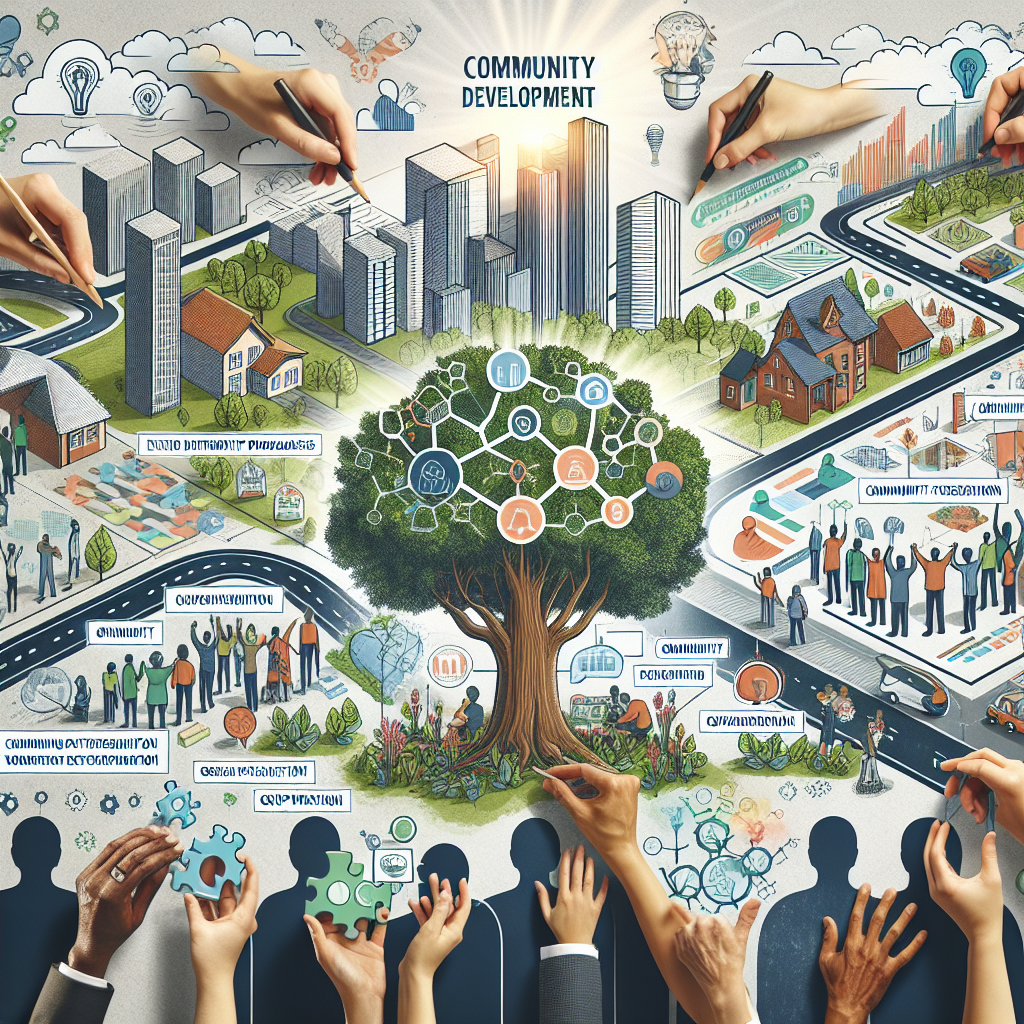
Community development is a transformative process that involves the active, sustainable growth of different facets of a community, including infrastructure, economy, social capital, and the environment. It emphasizes the importance of identifying community needs and collaborating with local stakeholders to address these needs effectively. Urban ecosystems, meanwhile, refer to the dynamic interactions between human activities and the natural environment in urban areas. Together, community development and urban ecosystems form a crucial cornerstone for sustainable urban planning.
This topic matters significantly in today’s world because urbanization is rapidly expanding, absorbing rural lands and converting them into bustling urban centers. Ensuring that this growth is sustainable and benefits everyone involved requires a keen understanding of the interconnectedness of human communities and their surrounding environments. Specifically, this means considering factors such as resource allocation, energy use, pollution control, and economic growth in ways that reduce negative environmental impacts while promoting social and economic prosperity.
The Role of Community Development in Urban Ecosystems
Community development serves as a vital tool for fostering robust urban ecosystems. It encourages local participation in decision-making processes, thus aligning developmental goals with community needs. By engaging residents in the planning and implementation stages, urban projects are more likely to be accepted and supported, which contributes to their long-term success.
For instance, in Detroit, Michigan, community-led initiatives have transformed vacant lots into urban gardens and community spaces. These projects not only beautify neighborhoods but also promote biodiversity, enhance food security, and build social cohesion. Residents are directly involved in these projects, empowering them to take ownership of their local environments and actively participate in decision-making processes. This illustrates how community development can effectively contribute to enhancing urban ecosystems.
Integrating Green Spaces in Urban Areas
The inclusion of green spaces is a strategic component of urban planning that directly impacts both community development and urban ecosystems. Green spaces, such as parks, green roofs, and urban forests, provide essential ecological and social benefits. They absorb air pollutants, reduce the urban heat island effect, and offer recreation and relaxation opportunities for residents.
Consider the case of Singapore, often referred to as a “City in a Garden.” Singapore has successfully integrated green infrastructure into its urban landscape, improving the quality of life for its residents. The city has undergone massive tree-planting campaigns and developed iconic green spaces like Gardens by the Bay. These efforts have not only improved air quality and reduced temperatures but also elevated Singapore’s global image as a sustainable city. Such initiatives underscore the importance of green spaces in fostering healthy urban ecosystems.
Promoting Sustainable Transportation Systems
Transportation systems are integral to urban ecosystems, and sustainable mobility options are crucial for minimizing environmental impacts. Community development initiatives can promote the development of efficient public transit systems, cycling lanes, and pedestrian pathways, reducing reliance on fossil fuel-based transportation.
A poignant example is found in Copenhagen, Denmark, which is known for its cyclist-friendly infrastructure. Through strategic planning and community participation, the city has built an extensive network of cycle paths, supported by policies encouraging cycling. As a result, over 40% of Copenhagen’s population commutes by bicycle, which reduces greenhouse gas emissions and promotes healthier lifestyles. This demonstrates how sustainable transportation systems can lead to cleaner and more efficient urban ecosystems.
Supporting Local Economic Development
Economic resilience is a key aspect of community development, and thriving local economies contribute to more robust urban ecosystems. By supporting local businesses and encouraging entrepreneurship, communities can ensure economic well-being and create job opportunities.
An insightful example can be observed in Asheville, North Carolina, which has developed a strong local economy centered around arts, crafts, and sustainable agriculture. The city has actively promoted local farmers’ markets and cottage industries, aligning economic initiatives with community values and environmental sustainability. This not only boosts the local economy but also builds a sense of community and pride.
The Interplay Between Urban Ecosystems and Community Well-being
The well-being of residents is heavily influenced by the urban ecosystems they inhabit. Community development efforts that focus on environmental health have a direct impact on reducing stress, improving mental health, and increasing overall quality of life.
A study conducted in Toronto, Canada, analyzed the benefits of urban tree canopies on public health. Findings revealed that neighborhoods with dense tree coverage reported lower rates of cardiovascular and metabolic diseases. These findings highlight the intrinsic connection between urban ecosystems and community health, making it clear that both must be considered in the planning process.
| Aspect | Community Development | Urban Ecosystems |
|---|---|---|
| Participation | Engages residents in decision-making | Incorporates environment into planning |
| Impact | Enhances social cohesion | Improves environmental quality |
| Outcome | Creates a sense of ownership | Promotes sustainability |
The Challenge of Climate Change
Climate change presents a formidable challenge for urban ecosystems, demanding innovative community development strategies to mitigate its impacts. Urban areas are hotspots for climate-related risks due to their dense populations and infrastructure.
One example is the city of New York, which is increasingly susceptible to sea level rise and extreme weather events. The city’s “OneNYC” plan incorporates community-led resilience projects such as green infrastructure and sustainable building designs. This collaborative approach involves residents in adaptive strategies, equipping them with the tools to face climate challenges while fostering stronger urban ecosystems.
Encouraging Policy Support and Partnerships
The successful intertwining of community development and urban ecosystems often hinges on strong policy frameworks and partnerships. Effective governance and collaboration are needed to align development initiatives with sustainable practices and ensure they are implemented effectively.
The city of Curitiba in Brazil is a model of sustainable urban planning and community collaboration. With innovative policies focusing on public transportation, waste management, and green space development, Curitiba has created an environment that supports both ecological balance and community growth. These policies are the result of close collaboration between government officials, residents, and private entities, showcasing the power of partnerships in driving positive change.
Conclusion: A Blueprint for the Future
In summary, the intersection of community development and urban ecosystems has far-reaching implications for sustainable urban planning. Key takeaways include the significance of community engagement, the integration of green spaces, promotion of sustainable transportation, the development of local economies, and the interplay between healthcare and urban ecosystems. These elements collectively contribute to building vibrant, resilient communities that thrive amid environmental challenges.
For those passionate about urban planning and sustainable development, letting community voices lead the way in shaping local environments is a crucial next step. Encouraging policymakers, stakeholders, and residents to foster collaboration and innovation can pave the way for sustainable urban growth. We invite readers to explore the abundant resources at HomeSIght.org to learn more about the complex tapestry of community development and urban ecosystems, empowering you to become an active participant in shaping the future of your community.
Join us in creating urban spaces that reflect both community aspirations and environmental stewardship. Together, let us build cities of the future where people and nature coexist harmoniously and thrive. Your involvement, creativity, and advocacy are the building blocks for making this vision a reality.
Frequently Asked Questions
1. What is the role of community development in urban ecosystems?
Community development plays a crucial role in shaping and nurturing urban ecosystems. It is a transformative process that focuses on the sustainable growth of various community facets, such as infrastructure, economy, social networks, and the environment. By identifying the specific needs of a community and working collaboratively with local stakeholders, community development initiatives can address these needs effectively, fostering a harmonious balance between human activities and the natural environment.
The synergy between community development and urban ecosystems lies in their shared goal to improve the quality of life for residents while maintaining ecological balance. For example, by enhancing green spaces and promoting eco-friendly practices, community development can contribute to healthier urban ecosystems that support biodiversity and provide recreational opportunities for residents.
2. How do urban ecosystems benefit from sustainable community development efforts?
Urban ecosystems greatly benefit from sustainable community development efforts in several ways. One of the primary benefits is the enhancement of environmental sustainability within urban areas. By promoting practices such as green infrastructure, urban agriculture, and biodiversity conservation, these efforts help mitigate environmental degradation and foster the regeneration of natural habitats.
Sustainable community development also encourages the responsible use of resources and minimizes waste, contributing to a cleaner and more resilient urban environment. By integrating green technologies and renewable energy sources, communities can reduce their carbon footprint and lessen their impact on the environment.
Moreover, these efforts can lead to improved public health outcomes, as cleaner air, water, and green spaces contribute to the overall well-being of residents. By promoting active transportation options like walking and cycling, and providing access to parks and recreational facilities, sustainable community development supports a healthier urban lifestyle.
3. How can local stakeholders be effectively engaged in community development initiatives?
Effective engagement of local stakeholders is vital for the success of community development initiatives. It begins with building strong relationships and establishing open channels of communication with various stakeholders, including residents, local businesses, government agencies, and community organizations. Here are some strategies to foster stakeholder engagement:
- Inclusive Participation: Ensure that all community members, regardless of age, gender, or socio-economic status, have a voice in the decision-making process. This can be achieved through public meetings, surveys, workshops, and focus groups, which provide platforms for stakeholders to express their views and contribute ideas.
- Education and Awareness: Educate stakeholders about the importance and benefits of community development and its impact on the urban ecosystem. Providing clear information can motivate stakeholders to get involved and support the initiatives.
- Collaboration and Partnerships: Encourage collaboration between different community groups and organizations, creating partnerships that leverage the strengths and resources of each stakeholder. This can enhance the effectiveness and reach of development efforts.
- Transparency and Accountability: Maintain transparency in the planning and implementation of initiatives, and hold regular updates and feedback sessions to keep stakeholders informed and engaged.
4. What challenges do community development projects face in urban ecosystems?
Community development projects in urban ecosystems face several challenges, including:
- Resource Constraints: Limited financial, human, and material resources can hinder the scope and impact of community development initiatives. This often requires communities to seek additional funding, partnerships, or creative solutions to achieve their goals.
- Competing Interests: Urban ecosystems are complex, and different stakeholders may have competing interests and priorities. Balancing economic development, environmental sustainability, and social equity can be challenging and may lead to conflicts that need to be resolved through negotiation and compromise.
- Regulatory and Policy Barriers: Inflexible or outdated regulations and policies can stifle innovation and impede the progress of development projects. Advocating for policy changes and regulatory flexibility can be necessary to overcome these barriers.
- Community Engagement: Gaining genuine engagement and participation from community members can be difficult, especially in communities experiencing apathy or mistrust towards development efforts. Building trust and demonstrating the tangible benefits of projects are crucial steps to encourage involvement.
- Environmental Challenges: Urban areas often face environmental challenges such as pollution, habitat loss, and climate change impacts. Addressing these issues requires integrated and innovative approaches that align with community development goals.
5. How do community development and urban ecosystems contribute to social capital?
Community development and urban ecosystems play a significant role in building and enhancing social capital, which refers to the networks, relationships, and norms that facilitate cooperation and collective action among individuals and groups. Here’s how they contribute:
- Strengthening Community Networks: By engaging diverse stakeholders and fostering collaboration, community development initiatives create opportunities for community members to connect, share resources, and support one another. This leads to stronger social networks and a sense of belonging within the community.
- Encouraging Civic Participation: Urban ecosystems that prioritize community well-being encourage residents to participate in decision-making processes and civic activities. This active participation strengthens collective identity and community resilience.
- Promoting Shared Values and Goals: Community development initiatives often focus on shared values such as sustainability, equity, and public welfare. These common goals unite individuals and groups, fostering a sense of purpose and cooperation that builds social trust and encourages communal efforts to achieve desired outcomes.
- Creating Accessible Public Spaces: Well-designed urban ecosystems offer public spaces that facilitate social interactions and community engagement. Parks, community gardens, and cultural venues provide platforms for residents to gather, exchange ideas, and strengthen social ties.
Overall, by fostering connections, participation, and shared values, community development and urban ecosystems enhance social capital, creating more dynamic, inclusive, and resilient urban communities.