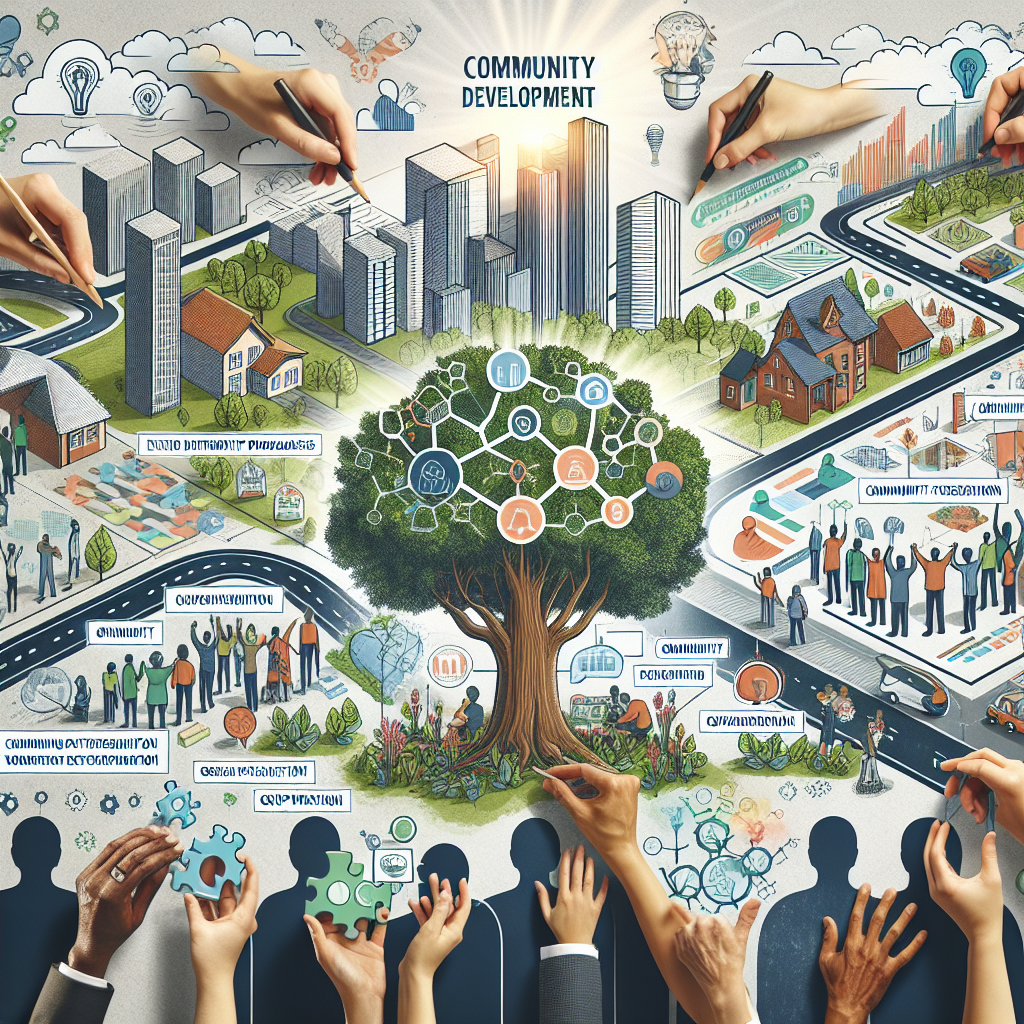
In an increasingly digital world, community development and digital inclusion are two integral facets influencing the quality of life in urban and rural settings. Community development pertains to improving the well-being of individuals in a community by fostering a conducive environment for economic, social, and cultural growth. Digital inclusion, on the other hand, is the process of ensuring that all individuals and communities have access to and the skills to effectively use information and communication technologies (ICT). As economies and societies become more interconnected through technology, the intersection of community development and digital inclusion plays a crucial role in ensuring equitable growth and access to resources.
Demonstrating the interplay between these two concepts, consider the scenario in a small urban neighborhood. Without adequate access to the internet and digital literacy programs, many residents may struggle to find job opportunities, educational resources, or health support services that are increasingly hosted online. Alternatively, in a digitally inclusive community, members can access a plethora of online resources, boosting employment rates, educational attainment, and overall health and well-being.
The emerging trends reveal that strategically integrating digital solutions into community development projects can lead to sustainable and comprehensive growth. This integration helps bridge the digital divide, ensuring that marginalized and underserved populations aren’t left behind as the rest of the world advances into the digital age. This article delves deep into how community development initiatives can incorporate digital inclusion to foster a resilient, informed, and empowered community. Understanding this synergy is key to addressing the 21st-century challenges and leveraging technology to make our societies more inclusive and equitable.
Digital Inclusion: A Catalyst for Community Empowerment
Digital inclusion serves as a fundamental pillar in leveling the playing field for all community members. The absence of digital access can exacerbate inequalities, whereas promoting digital inclusivity helps bridge these gaps, leading to more equitable outcomes. In essence, digital inclusion involves three core components: access to affordable internet, availability of digital devices, and acquisition of digital literacy skills.
Affordable internet access is critical since it acts as the gateway to the digital world. Many regions still grapple with limited or no access to reliable internet services. Community initiatives can work towards establishing public Wi-Fi zones, lowering the cost of broadband services, or collaborating with private companies to enhance internet infrastructure.
Equally important is the provision of digital devices. No matter how robust the internet infrastructure is, without devices like smartphones, tablets, and computers, the goal of digital inclusion remains unattainable. Community-driven programs that provide refurbished devices to low-income families or schools can significantly contribute to closing this gap.
However, access and devices alone aren’t enough; digital literacy is the linchpin of digital inclusion. Educating individuals on how to effectively use these technologies ensures that they can take full advantage of digital resources. From basic computing skills to understanding online safety and privacy, community workshops and training sessions can equip individuals with the necessary knowledge to navigate the digital landscape confidently.
Implementing Digital Inclusion in Community Development Projects
Successfully integrating digital inclusion into community development projects requires a strategic, multi-faceted approach. Start by conducting a digital needs assessment to identify specific barriers and gaps within the community. Surveys and interviews with community members, local businesses, and schools can provide valuable insights into the existing digital literacy levels, availability of devices, and internet connectivity.
Next, collaborate with stakeholders, including local governments, non-profit organizations, private sector partners, and educational institutions. Establish a task force dedicated to digital inclusion efforts, leveraging each stakeholder’s unique strengths and resources.
Develop a comprehensive digital inclusion plan tailored to your community’s needs. This plan should encompass infrastructure improvements, device distribution programs, and ongoing digital literacy training. Ensure that these initiatives are accessible to all community members, particularly marginalized groups such as low-income families, elderly individuals, and people with disabilities.
Create spaces for community engagement and feedback. Regularly evaluate the effectiveness of your digital inclusion efforts and make adjustments based on community input. This iterative process ensures that initiatives remain relevant and impactful, fostering a sense of ownership and participation among community members.
Case Studies: Successful Digital Inclusion in Community Development
Examining successful case studies can offer valuable insights and inspiration for integrating digital inclusion into community development projects. One such example is the “Smart City” initiative in Chattanooga, Tennessee. By investing in cutting-edge fiber-optic infrastructure, Chattanooga transformed itself into one of the most connected cities in the United States. This high-speed internet access paved the way for various community development programs, from telehealth services to digital literacy training, significantly improving residents’ quality of life.
Another notable case is the “Everyone On” program in Los Angeles, California. This initiative focused on providing free or low-cost internet access and devices to underserved communities. Additionally, it launched digital literacy workshops in collaboration with local libraries and community centers, equipping residents with the skills needed to leverage technology for personal and professional growth.
International examples also demonstrate the transformative power of digital inclusion in community development. In Kenya, the “iHub” initiative established a technology innovation center in Nairobi, fostering a vibrant ecosystem of entrepreneurs, developers, and researchers. By offering access to high-speed internet, digital devices, and training programs, iHub has played a pivotal role in driving economic growth and innovation in the region.
Overcoming Challenges in Digital Inclusion Efforts
While the benefits of digital inclusion are evident, implementing these initiatives often comes with its own set of challenges. Financial constraints, infrastructure limitations, and resistance to change can hinder progress. Addressing these obstacles requires creativity, collaboration, and persistence.
Securing funding for digital inclusion projects can be challenging, but exploring diverse funding sources can help. Seek grants from government programs, non-profit organizations, and private foundations. Additionally, consider public-private partnerships as a means to pool resources and share the financial burden.
Infrastructure limitations, particularly in rural and underserved areas, may necessitate innovative solutions. Community-driven efforts such as building local mesh networks or establishing community internet service providers (CISPs) can help overcome these challenges. These grassroots initiatives often benefit from strong local buy-in and a sense of community ownership.
Resistance to change can be mitigated through proactive engagement and education. Clearly communicate the benefits of digital inclusion to community members and address their concerns. Highlight success stories and tangible improvements resulting from similar initiatives. Building trust and demonstrating the value of digital inclusion can help garner widespread support.
The Role of Public Policy in Promoting Digital Inclusion
Public policy plays a crucial role in advancing digital inclusion and supporting community development efforts. Policymakers can create an enabling environment by establishing regulations and incentives that promote equitable access to digital infrastructure and resources.
For example, governments can implement policies that reduce the cost of internet services, such as subsidizing broadband infrastructure development or offering tax incentives to providers serving underserved areas. Additionally, regulations mandating network neutrality and promoting competition among service providers can help ensure affordable and reliable internet access for all.
Policymakers can also support digital literacy initiatives by funding educational programs and encouraging partnerships between schools, libraries, and community organizations. Public policies fostering data privacy and security can build trust in digital technologies, encouraging more individuals to embrace digital inclusion efforts.
Furthermore, governments can play a vital role in bridging the digital divide by investing in research and development to identify innovative solutions and best practices. By actively participating in international forums and collaborations, policymakers can contribute to global efforts aimed at achieving digital inclusion for all.
Conclusion
In conclusion, community development and digital inclusion are intrinsically linked in today’s interconnected world. By fostering digital inclusion, communities can unlock new opportunities for economic, social, and cultural growth, bridging gaps and promoting equitable outcomes for all members. Strategic integration of digital solutions into community development projects, coupled with the support of public policy and a commitment to overcoming challenges, can create a sustainable and empowering environment for everyone.
Successful case studies from around the globe demonstrate the transformative power of digital inclusion in enhancing quality of life and driving community development. By learning from these examples and adopting a proactive, collaborative approach, communities can harness the potential of digital technologies to create a brighter and more inclusive future.
Ultimately, the synergy between community development and digital inclusion has the potential to shape more resilient, informed, and empowered communities. As we continue to navigate the digital age, prioritizing digital inclusion will be instrumental in ensuring that no one is left behind and that every community member can participate fully in the opportunities afforded by our rapidly evolving world.