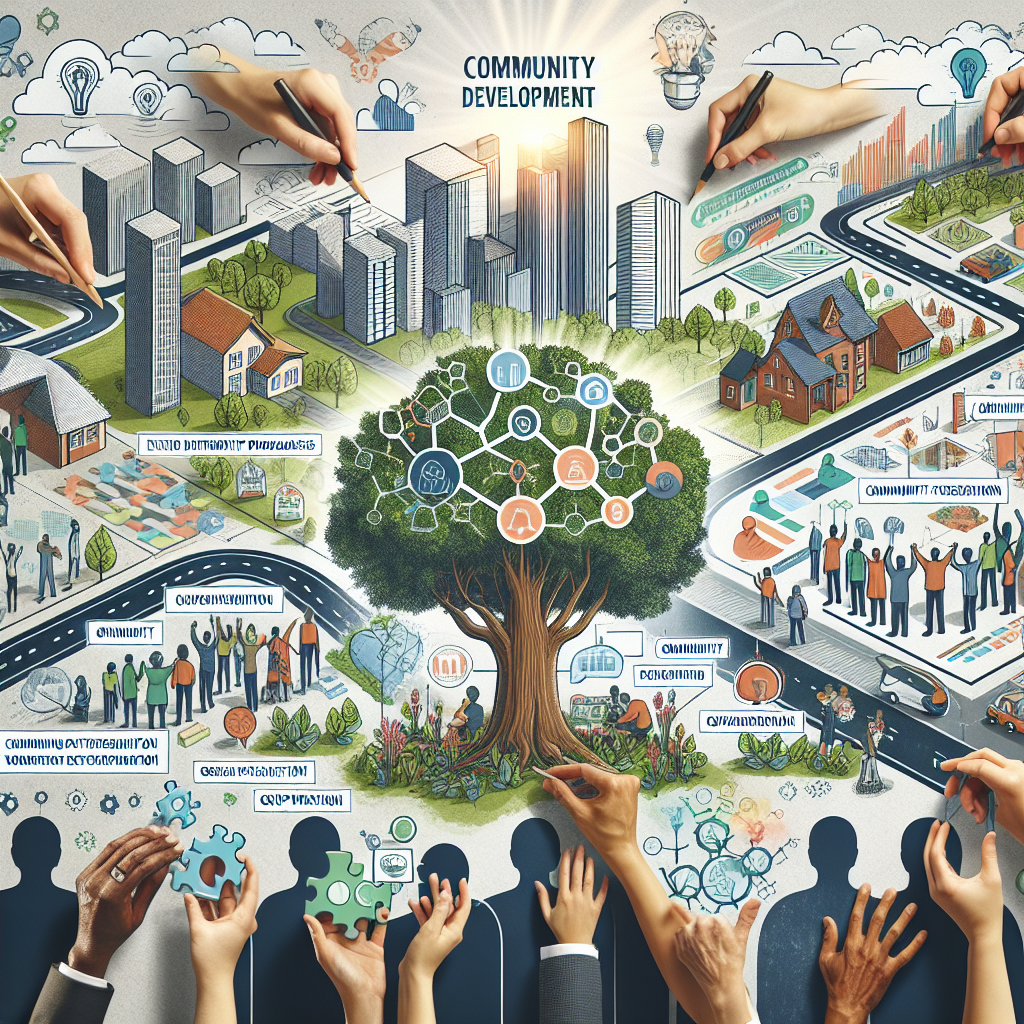
Community development has become a focal point for many urban planners, policymakers, and private sector leaders. It encompasses collective efforts that improve the quality of life in local neighborhoods, focusing on social, economic, and environmental enhancements. Public-Private Partnerships (PPPs) have emerged as a vital strategy in this endeavor. These collaborations between government entities and private companies aim to leverage the strengths of both sectors to address community needs effectively.
Public-Private Partnerships can be transformative tools, providing the financial resources, expertise, and innovation required to create sustainable, resilient, and inclusive communities. This article delves into the role of PPPs in community development, examining their benefits, challenges, and best practices. Whether you’re a government official, a corporate leader, or a community advocate, understanding the dynamics of PPPs can equip you with the knowledge to foster stronger communities.
From improving infrastructure to delivering essential services, PPPs can unlock new opportunities for economic growth and social well-being. As we explore various aspects of these partnerships, you’ll gain insight into how to navigate the complexities and capitalize on the potential they offer. Let’s begin our exploration into the vital role of Public-Private Partnerships in community development.
Benefits of Public-Private Partnerships
Public-Private Partnerships bring a host of benefits to community development projects, making them a preferred choice for many local governments. One of the primary advantages is the pooling of resources. Governments may have limited budgets, but PPPs can tap into private capital to fund large-scale projects. This financial collaboration ensures that essential development projects, such as housing, transportation, and public spaces, are adequately funded and executed.
Another significant benefit is the transfer of expertise. Private companies often bring specialized knowledge, innovative technologies, and efficient management practices to the table. When combined with the public sector’s understanding of community needs and regulatory frameworks, this creates a powerful synergy. Projects are not only completed more efficiently but also to higher standards of quality and sustainability.
PPPs also foster innovation. The competitive nature of the private sector encourages creativity and the adoption of cutting-edge solutions. For instance, smart city initiatives and green infrastructure projects often rely on innovative public-private collaborations. Moreover, PPPs can enhance transparency and accountability through clear contracts and performance benchmarks, ensuring that projects are completed on time and within budget.
Challenges in Public-Private Partnerships
While the benefits of PPPs are significant, several challenges can hinder their effectiveness. One of the key obstacles is aligning the goals of both sectors. The private sector is often driven by profit motives, while the public sector focuses on public welfare and equitable resource distribution. Striking a balance between these differing objectives requires careful negotiation and clear contractual agreements.
Another challenge is risk management. Large-scale development projects inherently carry risks, such as cost overruns, delays, and market volatility. In PPPs, it’s crucial to have a well-defined risk-sharing mechanism to ensure that both parties are protected and incentivized to meet project goals. Legal and regulatory hurdles can also pose significant barriers. Navigating complex regulations and obtaining necessary approvals can be time-consuming and require considerable effort from both sides.
Public perception and community buy-in are additional factors that can impact the success of PPP projects. Community members may have concerns about privatization and the influence of profit-driven entities on public services. Building trust through transparent communication and active community engagement is essential to address these concerns and gain public support for PPP initiatives.

Case Studies: Successful Public-Private Partnerships
Examining successful PPPs can provide valuable insights into best practices and potential pitfalls to avoid. One notable example is the partnership between the city of Chicago and private firms for the modernization of the city’s public transit system. This collaboration led to the development of state-of-the-art transit facilities, improved service efficiency, and enhanced commuter experiences. By integrating private investment and expertise, Chicago was able to rejuvenate its aging infrastructure and meet the growing demands of its population.
Another exemplary case is the redevelopment of New York’s Central Park through the Central Park Conservancy, a private nonprofit organization. This PPP has successfully transformed the park into a world-class urban oasis, attracting millions of visitors each year. The Conservancy’s innovative approach to fundraising, management, and community involvement has been instrumental in maintaining the park’s beauty and functionality.
These case studies highlight the importance of tailored approaches to PPPs, considering the unique needs and contexts of each community. Whether it’s urban transit, public spaces, or affordable housing, successful partnerships demonstrate the potential of PPPs to drive meaningful and lasting improvements in community development.
Best Practices for Implementing Public-Private Partnerships
Implementing successful PPPs requires a strategic approach. One of the first steps is to establish clear and measurable objectives that align with the community’s needs. Both public and private partners should have a shared vision for the project and a mutual understanding of the desired outcomes. Collaborative planning and robust stakeholder engagement are vital to ensure that everyone is on the same page.
Effective communication is another cornerstone of successful PPPs. Regular updates, transparent reporting, and open dialogue between partners can prevent misunderstandings and resolve issues promptly. It’s also essential to have a comprehensive contractual framework that outlines each party’s responsibilities, risk-sharing mechanisms, performance metrics, and dispute resolution processes.
Monitoring and evaluation play a crucial role in the long-term success of PPPs. Establishing performance benchmarks and conducting regular assessments can help identify areas for improvement and ensure that the project stays on track. Flexibility is also important, as unforeseen challenges may arise, requiring adjustments to the original plans. Building a resilient partnership that can adapt to changing circumstances is key to achieving lasting success.
The Future of Public-Private Partnerships in Community Development
As urban populations continue to grow and community needs evolve, the role of Public-Private Partnerships in community development is likely to expand. Technological advancements, such as smart city solutions and sustainable infrastructure, present new opportunities for innovative collaborations. PPPs can leverage these technologies to create more efficient, connected, and resilient communities.
The emphasis on sustainability and social equity is also shaping the future of PPPs. There’s a growing recognition that development projects must consider environmental impacts and promote inclusive growth. This shift towards sustainable and equitable development aligns with global initiatives, such as the United Nations Sustainable Development Goals (SDGs), and underscores the importance of PPPs in achieving these objectives.
Furthermore, fostering resilient communities in the face of challenges like climate change, economic instability, and public health crises will require robust and adaptable PPPs. By harnessing the strengths of both the public and private sectors, we can create community development projects that not only address current needs but also anticipate and prepare for future challenges.
Conclusion
Public-Private Partnerships play a pivotal role in driving community development by combining the resources, expertise, and innovation of both sectors. While challenges exist, the benefits of PPPs in enhancing infrastructure, delivering services, and fostering sustainable growth are undeniable. Successful implementation requires clear objectives, effective communication, robust contractual frameworks, and ongoing evaluation.
As we look to the future, PPPs will continue to be instrumental in addressing the evolving needs of urban communities. By embracing innovative technologies, prioritizing sustainability and social equity, and building adaptable partnerships, we can create resilient communities that thrive in the face of future challenges.
Whether you’re a public official, private sector leader, or a community advocate, understanding the dynamics of Public-Private Partnerships can empower you to contribute to the development of stronger, more vibrant communities. As we’ve seen through various case studies and best practices, the potential for positive impact is immense. Embrace the opportunities that PPPs present and be a catalyst for transformative change in your community.
Frequently Asked Questions
1. What are Public-Private Partnerships (PPPs) in the context of community development?
Public-Private Partnerships, often known as PPPs, are collaborative agreements formed between government entities and private sector companies. These partnerships aim to combine public sector oversight with private sector innovation and efficiency to undertake initiatives that can significantly impact community development. In this context, they work towards projects that enhance local neighborhoods by focusing on social, economic, and environmental improvements. By pooling resources, expertise, and existing infrastructure, PPPs can tackle larger projects with greater efficacy than either sector could achieve alone. This cooperation often leads to the creation of more sustainable communities, increased employment opportunities, and enhanced public services like housing, transportation, and recreational facilities. It’s an increasingly popular model because it enables both short-term and long-term community improvements in a cost-effective manner, bringing about tangible changes in residents’ quality of life.
2. Why are PPPs important in community development?
PPPs play a crucial role in community development because they address many of the challenges that communities face, such as inadequate infrastructure, limited financial resources, and the need for efficiency in delivering public services. These partnerships are vital as they facilitate risk sharing between the public and private sectors, ensuring that projects are completed on time and within budget. Additionally, they introduce innovative approaches and technologies often spearheaded by private companies that might not be available to government bodies. By aligning the economic incentives of a project with the social objectives of the community, PPPs help ensure that development is both financially sustainable and directly beneficial to residents. Moreover, PPPs encourage accountability and transparency, as both sectors remain answerable to project stakeholders and the public, fostering greater trust and community buy-in for development initiatives.
3. How do PPPs benefit communities specifically?
One of the most significant benefits of PPPs is their ability to mobilize a wide range of resources towards community development goals. They can enhance infrastructure such as roads, bridges, and public transportation, making regions more accessible and attractive to further economic investment. These partnerships often provide a boost to local economies by creating employment opportunities during project development and through the continued operation of new facilities. Furthermore, because they frequently include clauses for community benefits, PPPs can lead to improved healthcare, educational facilities, and recreational areas, contributing to increased social welfare and work-life balance. Additionally, by pushing for developments in renewable energy and environmentally friendly practices, PPPs can ensure that community growth is sustainable and resilient to future challenges, safeguarding the environment and improving residents’ overall quality of life.
4. What challenges do PPPs face in contributing to community development?
While PPPs offer numerous advantages, they are not without their challenges. One major issue is the potential for misaligned objectives between the public and private partners, which can lead to conflicts over priorities and goals. The negotiation process for these partnerships can be lengthy and complex, as parties must create agreements that appropriately balance risk, reward, and responsibilities. Financing, too, can be a significant hurdle: securing long-term funding is often complicated due to the economic risks and uncertainties involved in community development projects. There’s also the challenge of ensuring community participation and buy-in, as residents may be skeptical of private company involvement in public service delivery. Moreover, accountability can sometimes become diluted, with each partner blaming the other for any issues or failures that arise. Addressing these challenges requires careful planning, robust legal frameworks, and clear communication among all stakeholders involved.
5. Can you give an example of a successful PPP in community development?
One notable example of a successful PPP is the redevelopment of the Millennium Park in Chicago, Illinois. This project transformed a derelict rail yard and parking lot into a vibrant public park that hosts art installations, concert venues, and recreational facilities. The partnership involved the City of Chicago, which provided the land and regulatory support, and a range of private donors and companies that funded the construction and operation through donations and corporate sponsorships. The result is a world-renowned urban space that has not only enhanced the city’s aesthetic appeal but also spurred significant economic development in the surrounding area by attracting tourists and boosting local businesses. Importantly, Millennium Park demonstrates how a PPP can achieve both public value and economic returns, serving as an exemplary model for how strategic collaboration between the public and private sectors can transform urban landscapes and improve community living conditions.