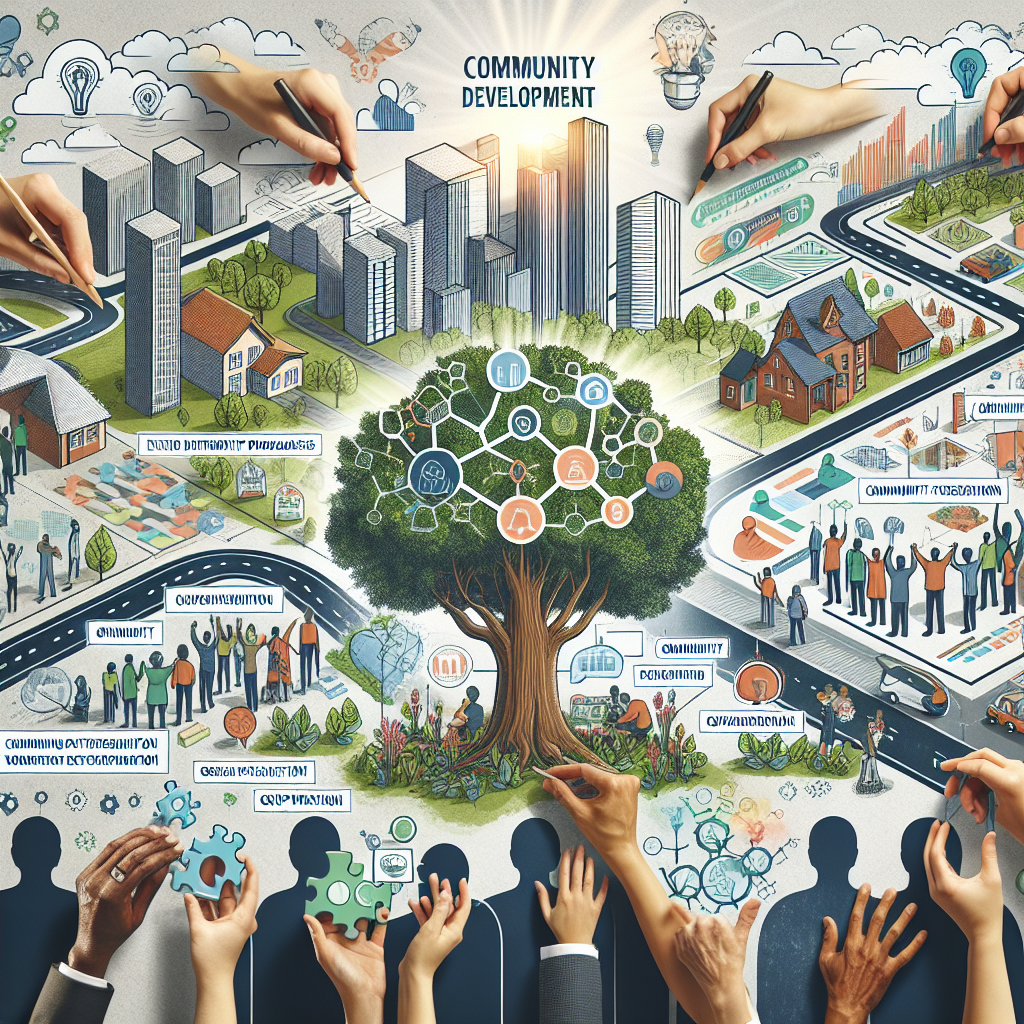
Community development projects are essential to fostering sustainable and thriving neighborhoods. These projects can range from building new parks to setting up local markets, improving public facilities, and many more. However, their success largely hinges on one critical factor: resident engagement. Without the active participation of local residents, these initiatives often fail to meet their objectives or realize their full potential. This article explores the importance of engaging residents in community development projects and offers actionable strategies for ensuring their active involvement. From understanding community needs to creating inclusive planning processes and leveraging modern technology, this comprehensive guide aims to provide a roadmap for achieving effective community development through resident engagement.
Understanding Community Needs
The first step in engaging residents in community development projects is understanding their needs. Successful projects are those that address the actual problems and aspirations of the community. Conducting surveys, organizing focus groups, and holding town hall meetings are excellent ways to gather information about what the residents truly want and need. It’s crucial to create open lines of communication where community members feel comfortable sharing their thoughts. By doing so, project planners can align their efforts with the residents’ priorities, increasing the likelihood of community buy-in and support.
It’s also helpful to engage with various community organizations, local businesses, and schools to get a comprehensive view of the community’s needs. Each group may offer unique perspectives, helping to build a more holistic understanding of the community. This multi-faceted approach ensures that the community development projects are inclusive and representative of the broader population.
Creating Inclusive Planning Processes
Inclusivity is a cornerstone of successful community development projects. When residents feel that their voices are being heard and considered, they are more likely to become invested in the project’s success. This inclusivity begins at the planning stage. Invite residents to be part of planning committees and encourage them to share their ideas and suggestions. Make sure to represent all demographics, including minorities, the elderly, and youth.
Transparent communication is vital. Keep residents informed about the project’s progress and any changes that may occur. Regular updates through newsletters, social media, and community meetings can help maintain interest and motivation. Additionally, creating community advisory boards can serve as a direct line between the residents and the project planners, ensuring that the community’s voice is always at the forefront of decision-making processes.

Leveraging Modern Technology
In our increasingly digital world, technology offers powerful tools for engaging residents in community development projects. Social media platforms, community apps, and online forums provide spaces for residents to share their ideas, give feedback, and stay updated on project developments. Utilizing these platforms can significantly enhance reach and participation, especially among younger residents who are more tech-savvy.
Another technological approach is the use of Geographic Information Systems (GIS) to map out community needs and resources. GIS can provide visual representations of areas that require attention, making it easier for planners and residents to pinpoint and address specific issues. Virtual town hall meetings and webinars are also effective ways to engage residents who may not be able to attend in-person meetings.
Encouraging Volunteerism and Participation
Encouraging residents to actively participate through volunteerism can greatly enhance community development projects. When people contribute their time and skills, they develop a sense of ownership and pride in the project. To foster volunteerism, identify various roles that residents can play, such as project ambassadors, event organizers, or coordinators.
Hosting community events like clean-up drives, planting sessions, or local fairs can serve as opportunities for residents to get involved and build camaraderie. Recognizing and rewarding volunteers for their contributions can also boost morale and encourage continued participation. By creating a culture of volunteerism, communities can generate a strong support system for the development projects, ensuring long-term success and sustainability.
Ensuring Sustainability and Long-Term Impact
Sustainability is a critical factor in community development projects. Ensuring that these projects have a lasting impact requires ongoing resident involvement and support. To achieve this, it’s important to establish maintenance plans and allocate resources for the upkeep and improvement of project outcomes. Continuous community education and training can also empower residents to take charge of sustaining their environment.
Additionally, fostering partnerships with local governments, businesses, and non-profits can provide ongoing funding and resources. Establishing a framework for regular community assessments can help identify areas that need further development or adjustment, ensuring the project remains relevant and effective over time. A strong focus on sustainability ensures that the positive changes brought about by community development projects endure and continue to benefit residents for years to come.
Conclusion
Engaging residents in community development projects is not just beneficial; it is essential for the success and sustainability of these initiatives. Understanding community needs, creating inclusive planning processes, leveraging modern technology, encouraging volunteerism, and ensuring long-term sustainability are all crucial components of effective resident engagement. By actively involving residents and valuing their input, community development projects can become more responsive and adaptable, ultimately leading to healthier, more vibrant communities.
Furthermore, these practices help build a sense of community ownership and pride, fostering collaboration and unity among residents. As we move forward in our urban planning efforts, let us remember that the true strength of any community lies in the active participation and engagement of its members. By prioritizing resident involvement, we can work together to create communities that not only meet the needs of today but also thrive for generations to come.
Frequently Asked Questions
1. Why is resident engagement crucial for community development projects?
Resident engagement is vital for community development projects because these projects are designed to serve the needs and aspirations of the community. When residents are involved, they bring valuable local knowledge and a personal stake in the project’s success. This involvement helps ensure that the outcomes are genuinely beneficial and reflect the desires of those who use and maintain the community spaces. Furthermore, engaged residents are likely to become stewards of the project, advocating for its continuation and proper maintenance. When residents have ownership over projects, it leads to increased satisfaction, stronger community ties, and often, enhanced project sustainability.
2. What are effective strategies for engaging residents in these projects?
There are several strategies for successfully engaging residents in community development initiatives. Firstly, communication channels need to be diverse and accessible, ensuring information reaches all demographic groups. Meetings, surveys, and social media can all be used to gather feedback and inform residents. Moreover, it’s important to foster trust and transparency throughout the development process by being clear about project intentions, timelines, and potential impacts. Involving residents in decision-making by forming advisory groups or committees can also empower them to influence project outcomes. Additionally, hosting community workshops or events can spark interest and allow residents to contribute ideas and skills that can be utilized in project execution.
3. How do we overcome common barriers to resident participation?
Barriers to resident participation can include a lack of awareness, time constraints, language barriers, and a history of distrust in civic processes. To overcome these, firstly, ensure comprehensive outreach efforts to raise awareness. This includes using various media to cater to different audiences and scheduling activities at convenient times. For language barriers, materials should be provided in multiple languages and interpretation made available. Furthermore, cultivate an inclusive atmosphere and build trust by listening actively to residents’ concerns and suggestions, and showing how their input influences project decisions. This approach can turn skeptics into participants and champions of the projects.
4. What are the benefits for residents in participating in community development projects?
The benefits for residents who engage in community development projects are numerous. They can influence the shape and direction of development within their own neighborhoods, ensuring it aligns with their needs and values. This participation can also foster a greater sense of community and belonging as residents work together towards common goals. Moreover, engaged residents can experience personal growth by acquiring new skills, from project management to negotiation and leadership. Lastly, these projects often lead to improved quality of life by enhancing local amenities and services, which have long-lasting positive impacts on health, safety, and economic prosperity within the community.
5. How can community leaders ensure ongoing resident engagement throughout a project’s lifecycle?
To ensure ongoing resident engagement, community leaders should establish clear, continuous communication and feedback loops. Regularly updating the community on project progress, setbacks, and successes helps maintain momentum and interest. Leaders should also remain responsive to resident feedback, making necessary adjustments to plans and processes as needed. Additionally, fostering a sense of accomplishment and recognition can be valuable; celebrate milestones publicly and acknowledge the contributions of residents. Providing various roles for participation can also help sustain engagement, as individuals have different capacities and inclinations. Lastly, offering training sessions and involvement opportunities beyond the current project can keep the community engaged in long-term development goals.